





 Portuguese
  English
  Spanish
  3 min of reading
  1 comment





Know Which Models Still Bet on This Technology Amidst the Popularity of Turbo Engines.
Cars with naturally aspirated engines in Brazil remain a relevant choice for many drivers, even in a scenario where the turbo engine is gaining more space in the market. But what differentiates these two technologies? And which models available in the country still have this configuration?
What is a Naturally Aspirated Engine?
The naturally aspirated engine operates without any external interference, such as turbines or compressors, to increase power. This means it uses only the piston displacement and atmospheric pressure to perform combustion.
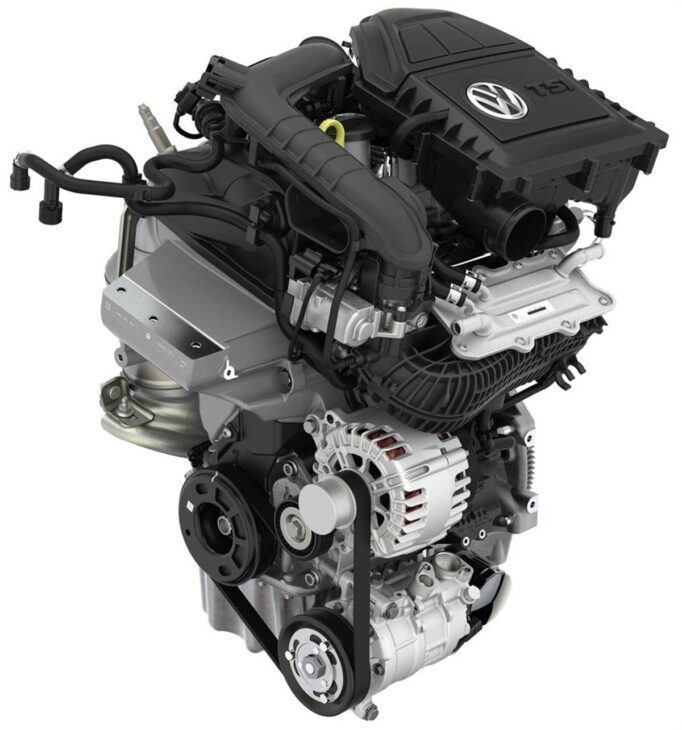
On the other hand, to gain performance, this type of engine relies on physical adjustments, such as increasing the displacement, modifying the camshaft, and improving the exhaust system.
-
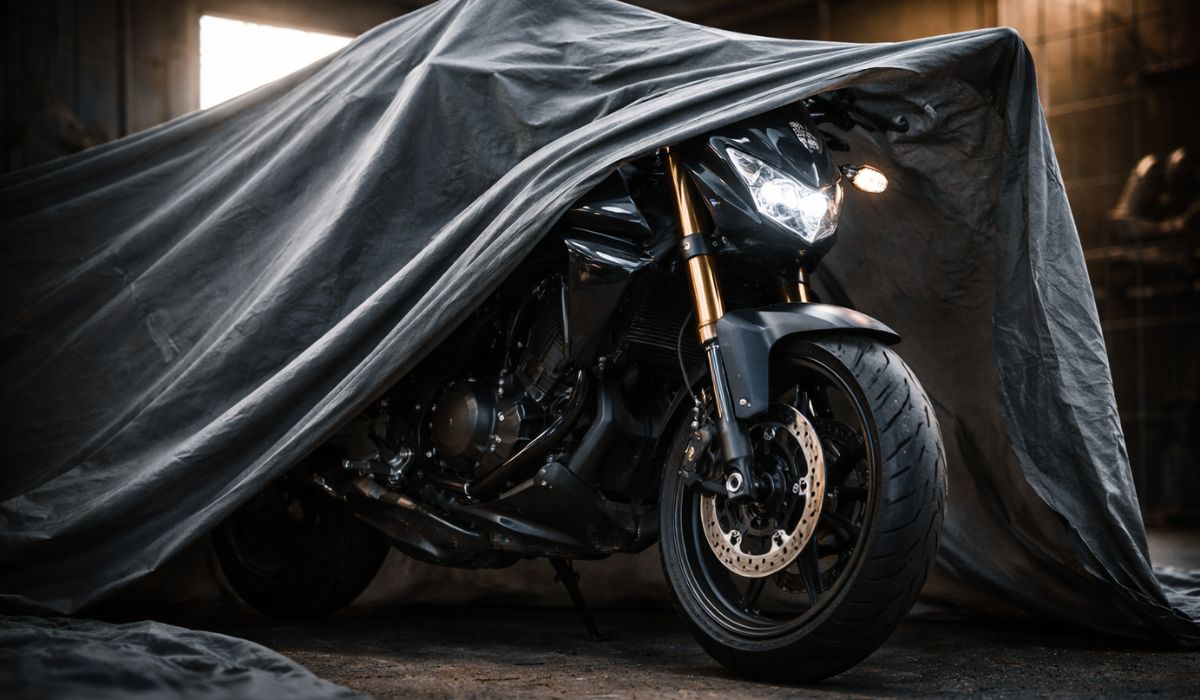
A 250cc motorcycle that can reach 560 km with a 14-liter tank, features disc brakes on both wheels and is among the most well-known in Brazil.
-
Man finds over 200 rare cars abandoned on a lot and tries to do the impossible in 8 hours with a surprise at the end.

-
An irregular parking case gains attention after a Mercedes Classe A was removed in such a strange way that it even raised doubts about damage to the car.

-
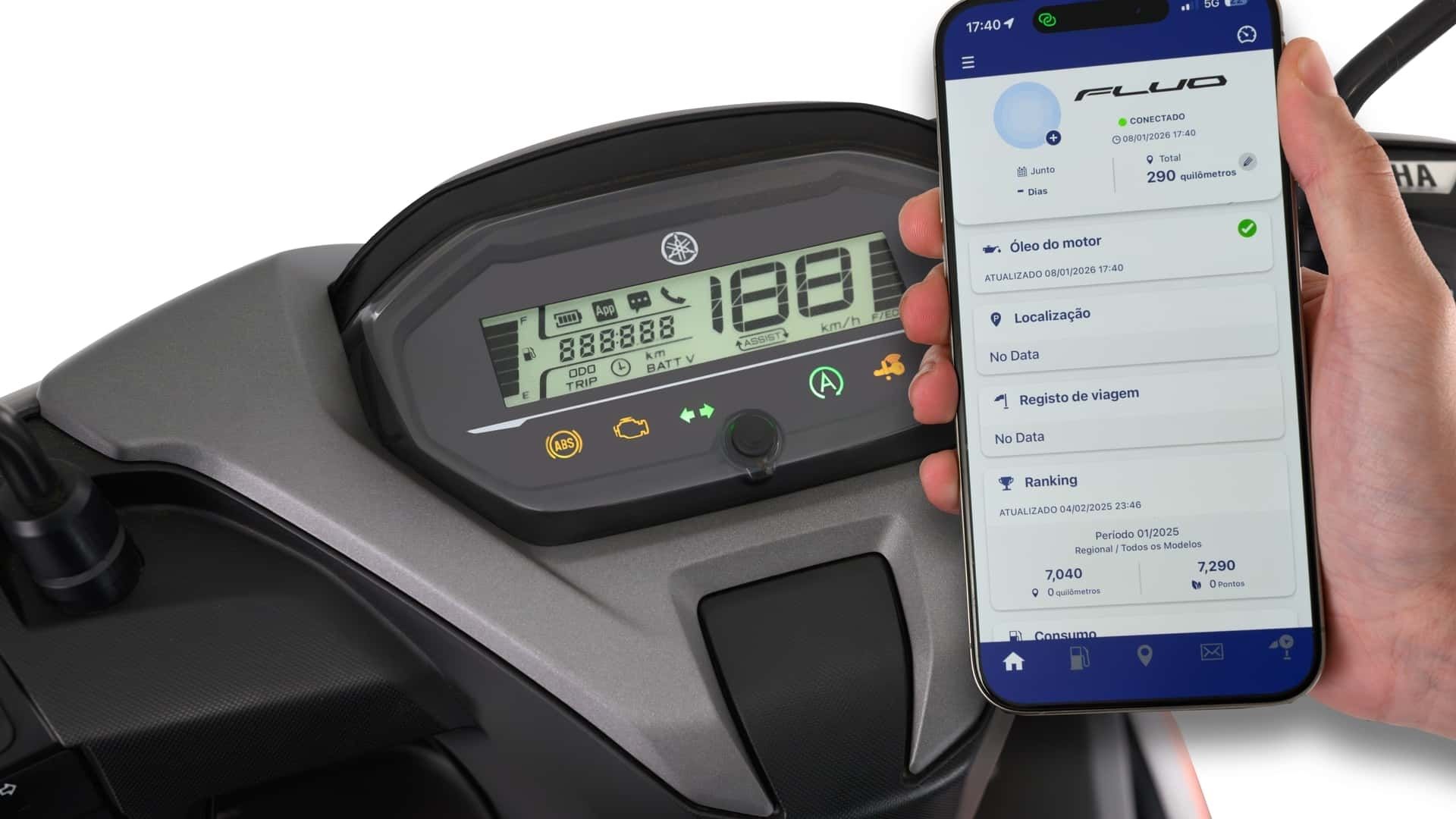
Costing R$ 16,000, the new Yamaha features a 125 cc hybrid engine with electric assistance, delivers 8.3 hp, includes ABS, optimized fuel consumption, Y-Connect connectivity, 25 liters of storage space, and a surprising 4-year warranty in the urban segment.

Compared to the turbo engine, the naturally aspirated engine offers a smoother and more predictable driving experience, without the sudden “power gain” provided by the turbine. However, it is less efficient in terms of fuel consumption and power delivery.
Differences Between Naturally Aspirated and Turbo Engines
The main difference between the two engines lies in the method of air intake. While the turbo engine uses compression provided by the turbine, the naturally aspirated engine relies on natural air entry. This directly affects power, consumption, and maintenance costs:
Power: The naturally aspirated engine has limited performance, while the turbo delivers more strength with less effort.
Consumption: In general, the naturally aspirated engine consumes more fuel to achieve the same level of performance as the turbo.
Maintenance: Naturally aspirated engines tend to be simpler and cheaper to maintain, while the turbo requires more care and regular maintenance.
Which Cars with Naturally Aspirated Engines Are There in Brazil?
Chevrolet Onix
Version: 1.0 Naturally Aspirated
Chevrolet Onix Plus
Version: 1.0 Naturally Aspirated
Fiat Argo
Version: 1.0 Firefly
Fiat Mobi
Version: 1.0 Fire
Hyundai HB20
Version: 1.0 Naturally Aspirated
Hyundai HB20S
Version: 1.0 Naturally Aspirated
Peugeot 208
Version: 1.0 Firefly
Cars with Naturally Aspirated Engines in Brazil from Renault and Other Brands
Renault Kwid
Version: 1.0 SCe
Renault Logan
Version: 1.0 SCe
Renault Sandero
Version: 1.0 SCe
Volkswagen Polo
Version: 1.0 MPI
Volkswagen Saveiro
Version: 1.6 MSI
Volkswagen Voyage
Version: 1.6 MSI
Volkswagen Gol
Version: 1.6 MSI
Citroën C3
Version: 1.0 Firefly
Citroën Basalt
Version: 1.0 Firefly
Cars with Naturally Aspirated Engines in Brazil from Nissan and Others
Nissan Kicks
Version: 1.6 Naturally Aspirated
Nissan Versa
Version: 1.6 Naturally Aspirated
Renault Duster
Version: 1.6 SCe
Renault Oroch
Version: 1.6 SCe
Renault Stepway
Version: 1.6 SCe
Chevrolet Joy
Version: 1.0 SPE/4
Chevrolet Joy Plus
Version: 1.0 SPE/4
Cars with Naturally Aspirated Engines in Brazil from Fiat and Others
Fiat Cronos
Version: 1.0 Firefly
Fiat Strada
Version: 1.4 Fire
Fiat Fiorino
Version: 1.4 Fire
Fiat Uno
Version: 1.0 Firefly
Toyota Yaris
Version: 1.3 Naturally Aspirated
Toyota Corolla
Version: 2.0 Naturally Aspirated
Honda City
Version: 1.5 Naturally Aspirated
Honda Fit
Version: 1.5 Naturally Aspirated
Honda HR-V
Version: 1.5 Naturally Aspirated
Mitsubishi L200 Triton
Version: 2.4 Naturally Aspirated
Mitsubishi Pajero Sport
Version: 3.0 V6 Naturally Aspirated
Ford Ka
Version: 1.0 Ti-VCT
Ford Ka Sedan
Version: 1.0 Ti-VCT
The Future of Naturally Aspirated Engines
Although the trend is a gradual replacement by turbo engines, the naturally aspirated engine still finds a place in vehicles focused on durability, simplicity, and low cost. Models like the Toyota Corolla and Fiat Argo continue to be sought after for their reliability.
Even in high-performance lines, such as Ferrari’s V12 engines, the naturally aspirated engine maintains its charm. After all, nothing surpasses the clean sound and linear response when accelerating – characteristics that many enthusiasts cherish.
Cars with naturally aspirated engines in Brazil represent a solid choice for those seeking reliability, cost-effectiveness, and a more traditional driving experience. Despite the growing popularity of the turbo engine, the naturally aspirated technology still has its guaranteed place in various segments of the automotive market.









Vamos estudar um pouquinho antes de escrever. Vários modelos citados já estão fora de linha. E ainda faltou o motor 1.3 da Fiat.