





 Portuguese
  English
  Spanish
  5 min of reading
  0 comments


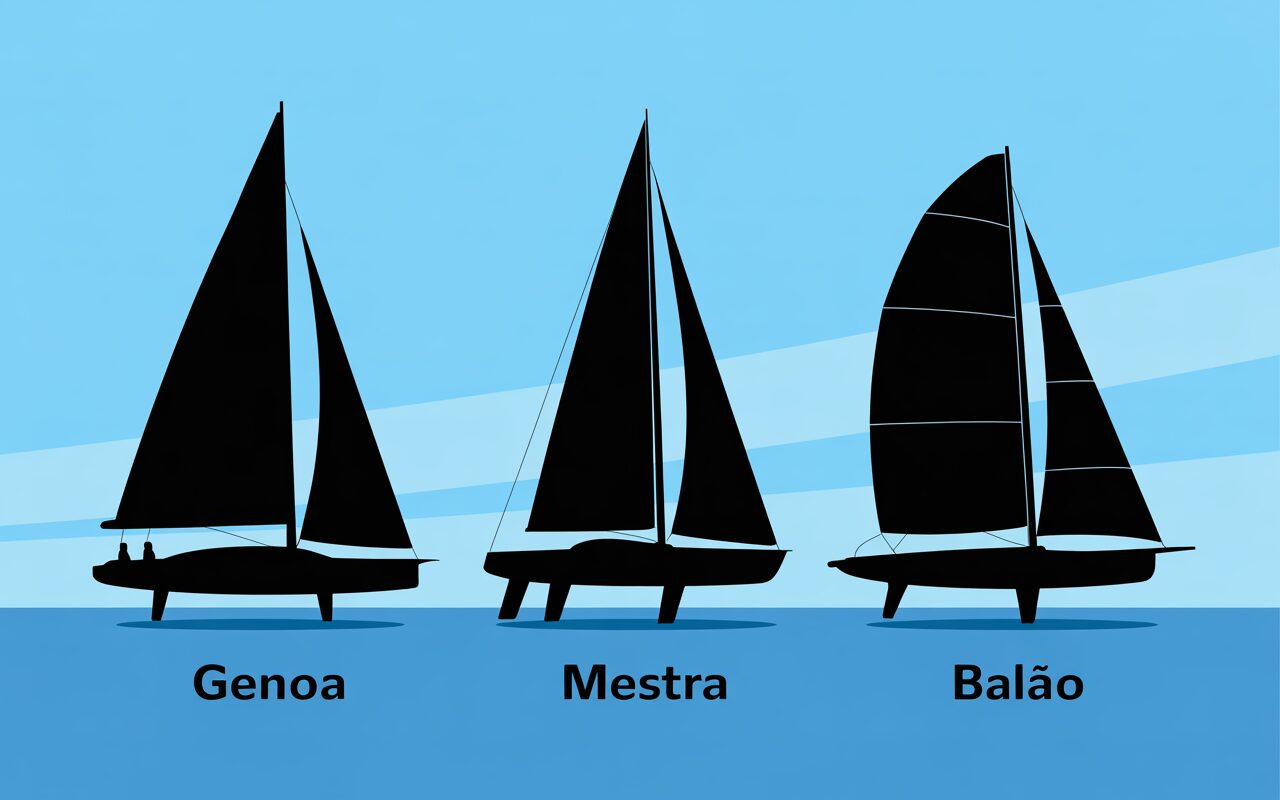
In the World of Navigation, Choosing Correctly Between Genoa, Mainsail, and Spinnaker Can Be the Difference Between Efficient Sailing and a Difficult Crossing. Understand What These Types of Sails Are For and How Each One Behaves Depending on the Wind and the Course.
The sail is undoubtedly the soul of a sailboat. It transforms the force of the wind into movement and determines how the vessel behaves at sea. But what many beginners don’t realize is that there are several types of sails, and each one has a specific function depending on the type of wind, the boat’s heading, and even the boat’s construction technology. Among the main types of sails, three stand out: the mainsail, the genoa, and the spinnaker. These names may sound technical, but the correct use of each one allows the boat to gain speed, maintain control, and make the most of the weather conditions.
Mainsail: The Central “Engine” of Any Sailboat
The mainsail (or main sail) is the primary sail of a boat. It is located just behind the mast and is secured to the boom— that horizontal spar that moves laterally in accordance with the wind direction.
Its function is to generate traction to propel the sailboat, especially when sailing against the wind or at close-hauled angles (wind coming from the front and slightly from the side). Practically all sailboats use a mainsail as an essential part of propulsion.
-
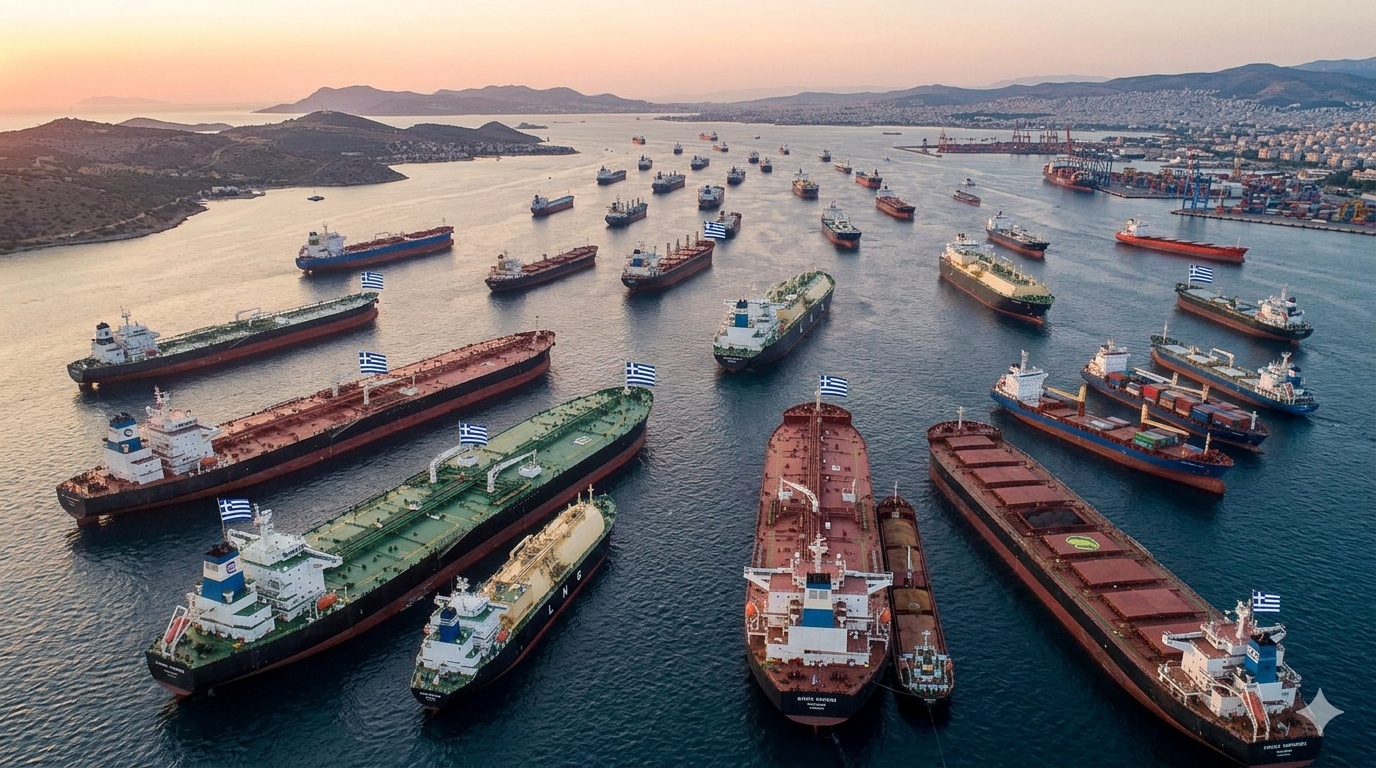
Neither the USA nor China: a small European nation has become one of the largest maritime powers on the planet, controlling one of the largest merchant fleets in the world with thousands of ships and dominating the global transportation of oil and strategic cargo.
-
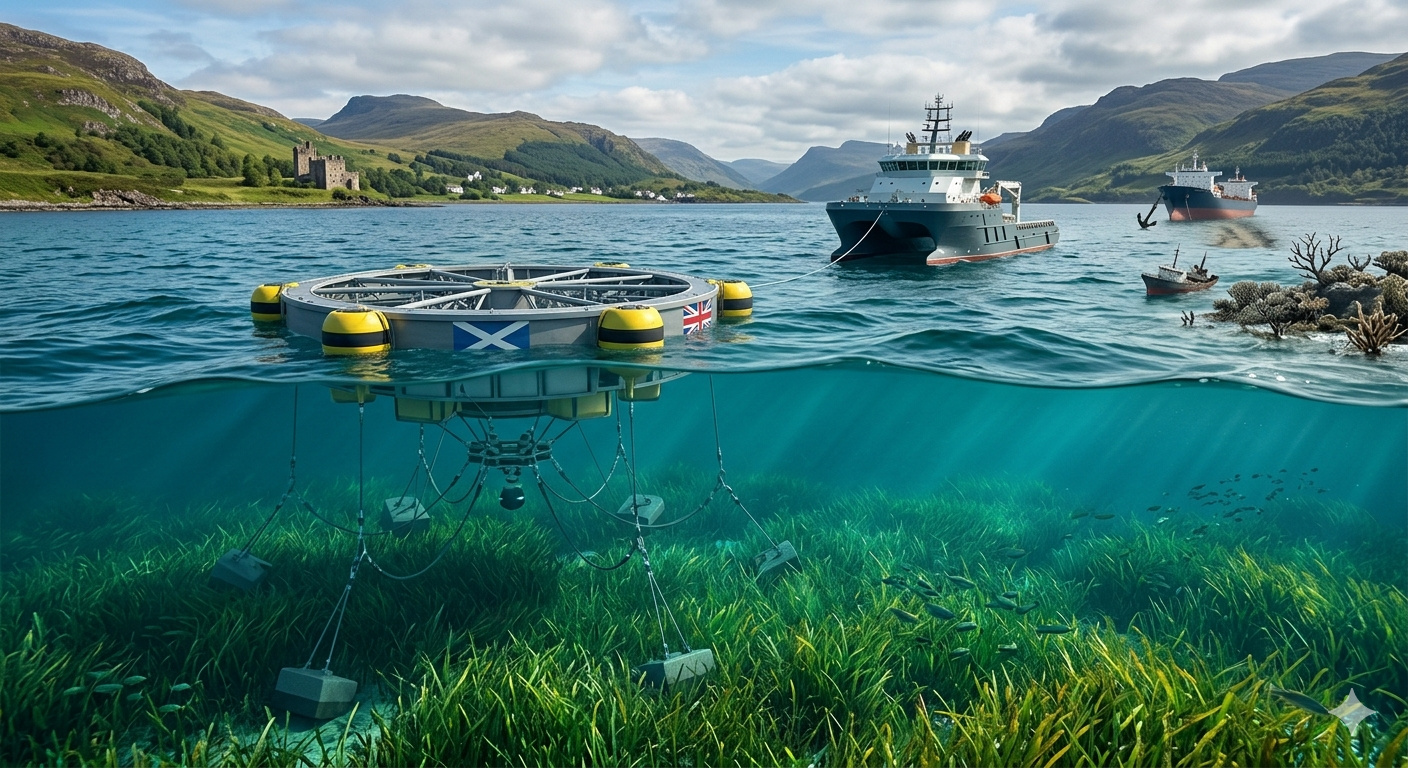
Scotland and the United Kingdom have created a new anchoring system that floats in the water without touching the seabed, after discovering that the current from a conventional anchor destroys up to 50 m² of seagrass meadow per event and that ship-damaged reefs showed no signs of recovery even ten years later.
-
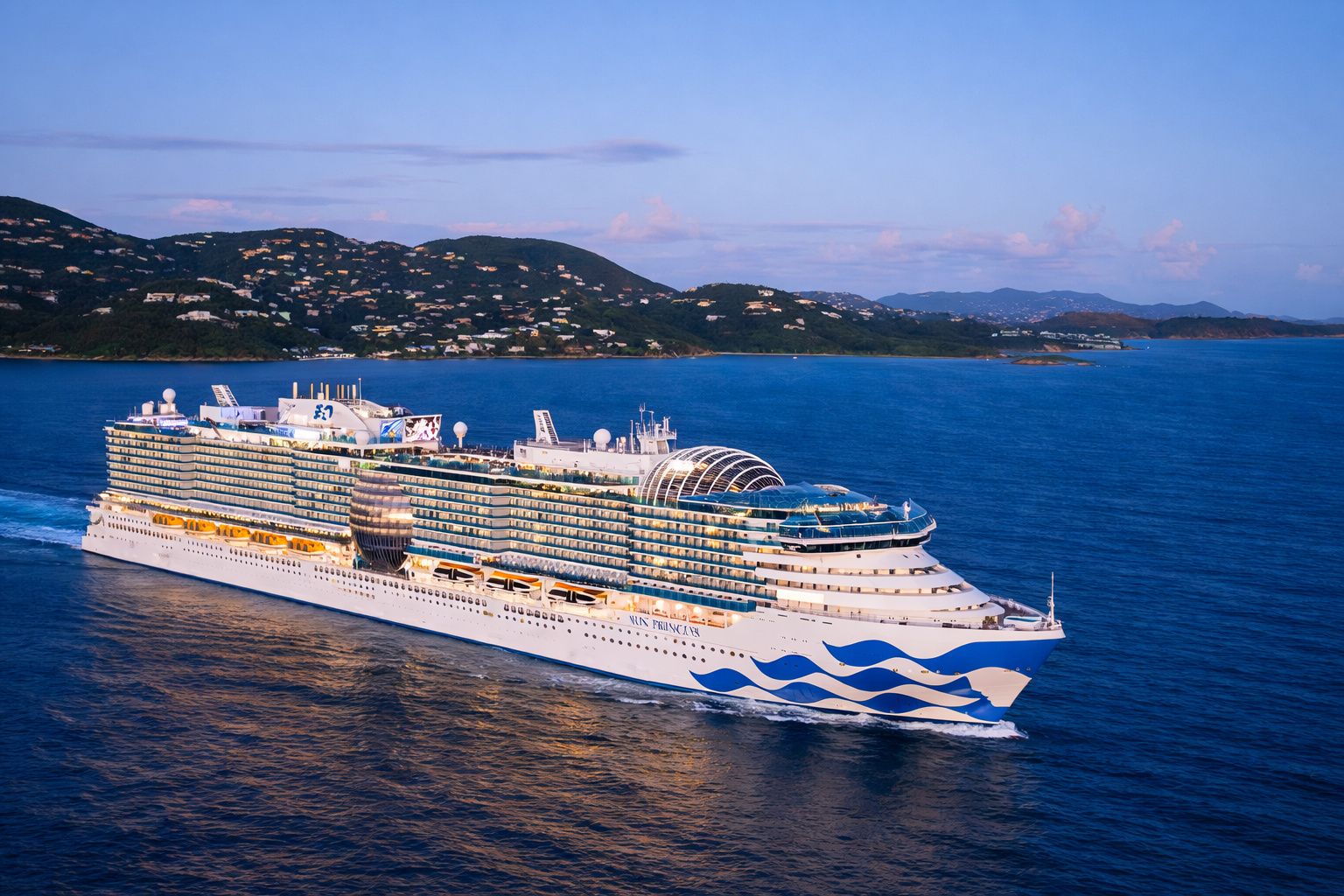
Weighing 175,500 Tons, Measuring 345 Meters Long, and With Capacity for Over 4,300 Passengers, the Sun Princess Becomes the Largest Ship Ever Built by Princess Cruises and Attracts Global Attention for Its Huge Glass Dome Inspired by Santorini’s Architecture Installed on Top of the Vessel
-
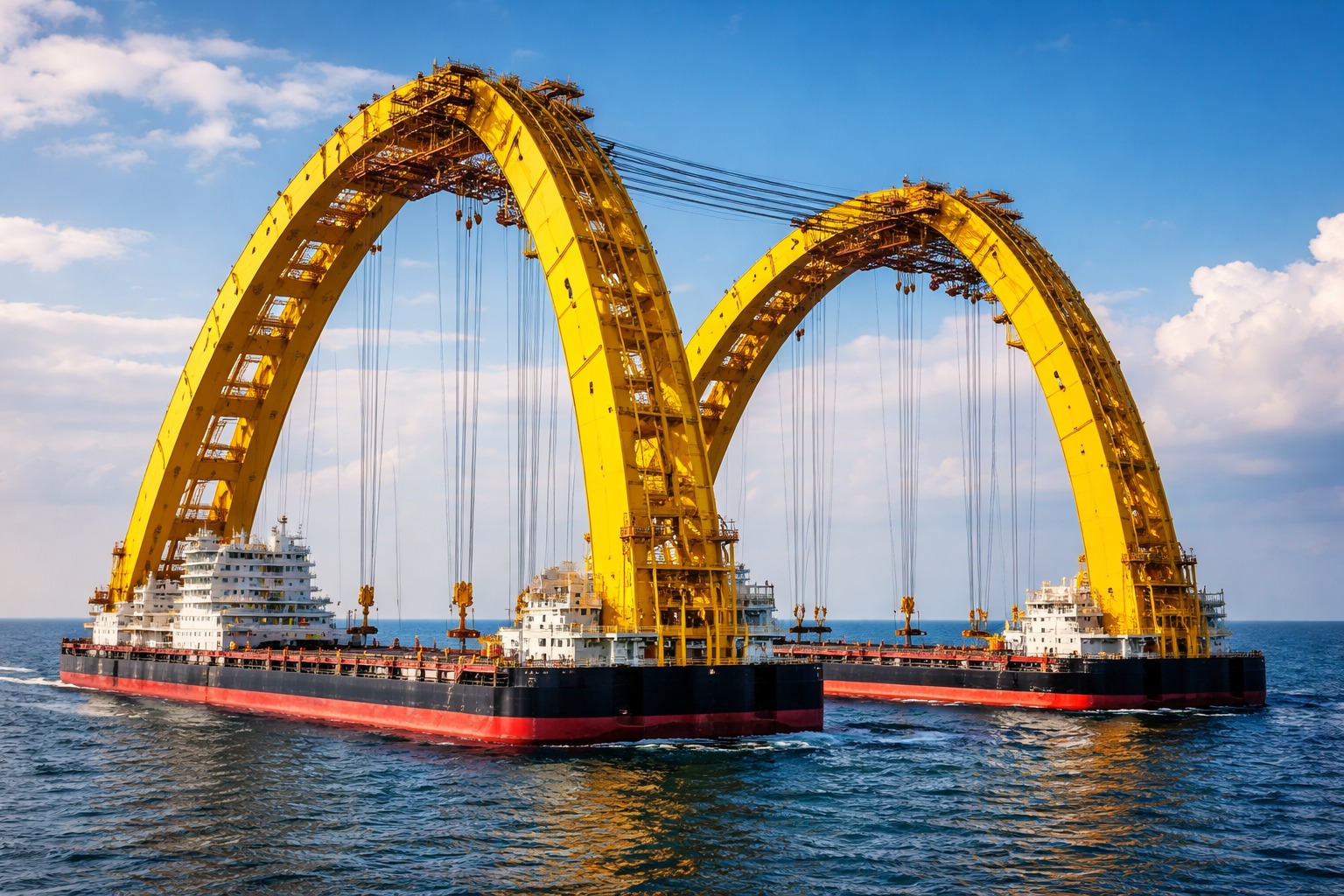
TX-10, The Colossus of The Sea: Largest Lifter Ship in The U.S., With Two Giant Barges, 73-Meter Tall Structure, and Strength to Raise 7,500 Tons of Sunken Oil Rigs

Being a versatile sail, the mainsail allows for various maneuvers and adjustments, such as reefing the sail (reducing its exposed area in strong winds), adjusting the angle with the boom, or even folding the cloth to facilitate navigation in ports.
Without the mainsail, no traditional sailboat can be considered complete.
Genoa: The Headsail That Enhances Performance
The genoa is a type of headsail</strong;, meaning it is located at the front of the boat, attached to the forestay (a support cable that goes from the mast to the bow). It is larger than a standard headsail (known as a jib) and partially overlaps the mainsail.
Its role is to complement the propulsive force of the mainsail, providing more speed and better performance in moderate to light winds. The genoa is especially useful in beam or broad reaching winds (coming from the side or behind).
Due to its larger area, the genoa requires more attention from the sailor, especially during tacking maneuvers (when the boat changes sides relative to the wind), as it can easily twist or tangle if not handled properly.
When combined with the mainsail, the genoa provides balance, traction, and superior utilization of wind energy.
Spinnaker: Ideal for Downwind Sailing
The spinnaker, also called a balloon sail, is a much larger, lightweight, and colorful sail used especially when the wind blows directly from behind the boat—known as downwind sailing.
Unlike the mainsail and the genoa, the spinnaker has a rounded shape and is made from lightweight fabrics like nylon, allowing it to “inflate” with the wind, much like a parachute. This creates a huge capturing area, ideal for increasing speed with minimal effort.
Despite its efficiency, using the spinnaker requires attention. It is not recommended in strong winds, as its large area can destabilize the boat. Additionally, it is necessary to master the technique of hoisting, controlling, and retrieving the spinnaker to prevent it from tangling or getting damaged.
The spinnaker is widely used in races and long crossings, where every knot of speed makes a difference.
How to Choose the Ideal Type of Sail According to Wind and Course
Knowing the types of sails and what they are for is essential to ensure safety and performance. The correct choice depends on two main factors:
- Wind Direction Relative to the Boat
- Wind Intensity
See below how each type of sail fits into this scenario:
- Mainsail: used in almost all situations; essential for keeping the boat sailing against the wind or at tight angles.
- Genoa: ideal for moderate winds coming from the side; improves performance in short and long crossings.
- Spinnaker: perfect for downwind sailing (behind the boat) and light winds; increases speed in races and cruises.
Additionally, many modern sailboats come with furling systems, allowing adjustment of the size of the headsail (genoa or jib) according to the wind without the need to change it.
Other Less Common—but Equally Important—Types of Sails
Although the genoa, mainsail, and spinnaker are the main types, other types of sails can be used depending on the boat model and needs:
- Jib: a smaller headsail than the genoa, easier to handle, ideal for strong winds.
- Code Zero: intermediate between the genoa and spinnaker, combines lightness with performance in light beam winds.
- Storm Sail: made from reinforced fabric and reduced area, it is used in extreme situations to ensure control of the boat in very strong winds.
These types of sails are more common on ocean-going, expedition, or racing boats.
The Importance of Correct Choice for Safety and Performance
When sailing, it is not enough to raise any sail and set off. The correct choice directly influences the balance of the boat, the efficiency of the crossing, the energy consumption (in the case of hybrid boats), and especially the safety of the crew.
Using an inappropriate sail for the wind direction or intensity can cause drift, instability, loss of speed, or even accidents, such as losing control of the vessel in strong winds.
Therefore, knowing the types of sails and what they are for is essential knowledge for any sailor, from amateur to professional.
Genoa, Mainsail, and Spinnaker—More Than Sails, Strategic Navigation Tools
Each sail has its role, its moment, and its function. Knowing when to use the genoa, when to rely on the mainsail, and when to take risks with the spinnaker is what separates the experienced sailor from the novice.
Moreover, understanding the types of sails and what they are for is to respect the nautical science, better utilize natural resources, and sail intelligently.
In a world where wind continues to be one of the cleanest and most efficient means of transportation, the art of choosing the right sail remains as relevant as it was centuries ago.








-

2 pessoas reagiram a isso.