





 Português
  Inglês
  Espanhol
  4 min de leitura



Research Associate of SETCESP and Economist of the São Paulo Institute of Cargo Transport (IPTC) Raquel Serini Comments On
Although the road cargo transportation sector is responsible for moving 65% of all commodities produced in the country, generating a large number of jobs and boosting the economy, it is plagued by known bottlenecks.
Although it has a smaller share in the economy than before, its continued importance is crucial for GDP growth.

The first quarter of 2022 recorded a growth of 2.1% in the sector compared to the same period in 2021, according to statistics from the Brazilian Institute of Geography and Statistics (IBGE). Multiple variables contributed to this success, but the better scenario for international logistics chains and the return to normalcy after the decline in Covid-19 infection rates stand out. There was a 9.4% increase in business compared to the first quarter of 2021.
-
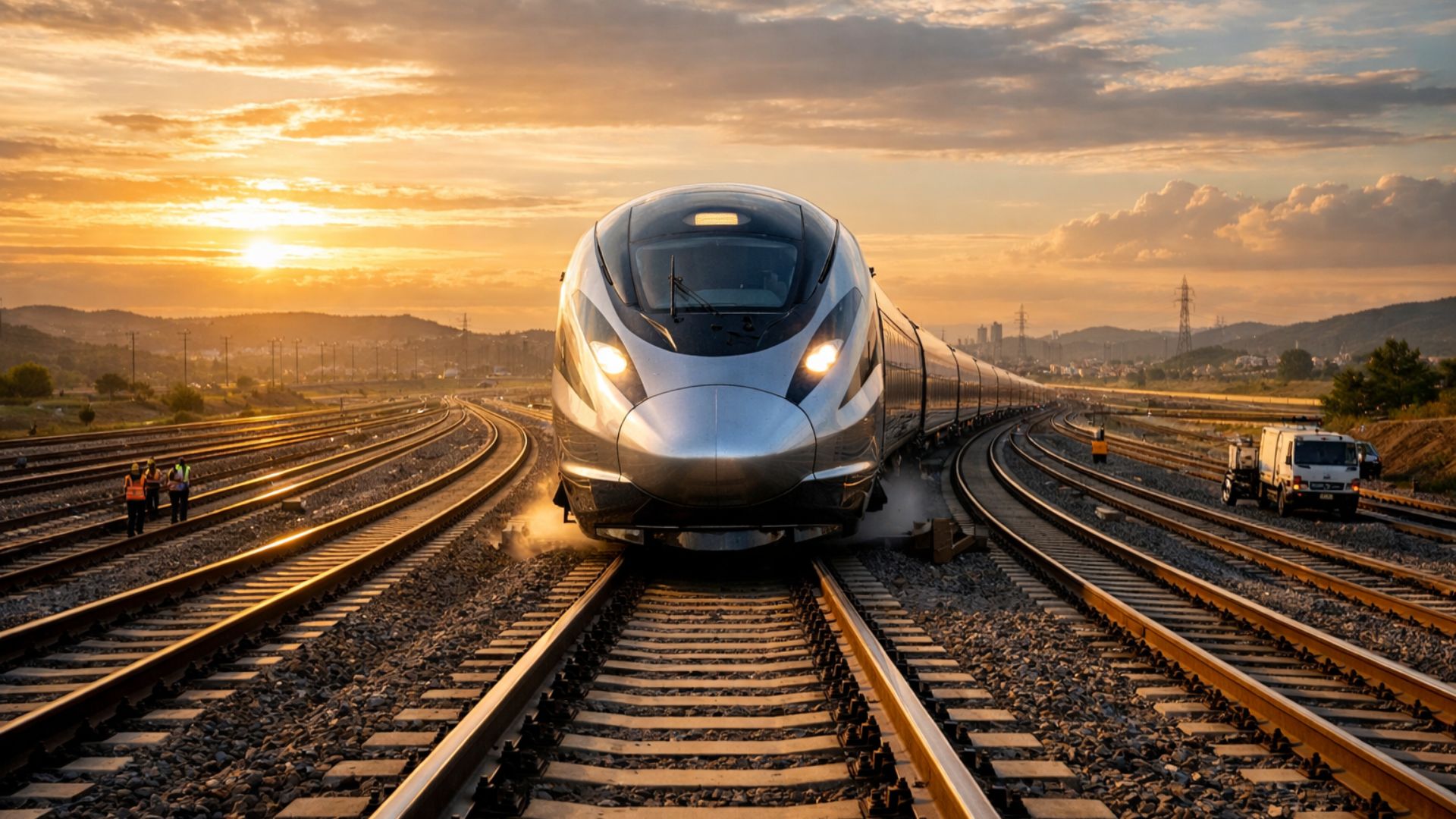
São Paulo surprises the world with a colossal railway network project that promises over 1,000 km of tracks, R$ 194 billion in investments, and 40 projects connecting the capital to the interior with fast and sustainable trains.
-
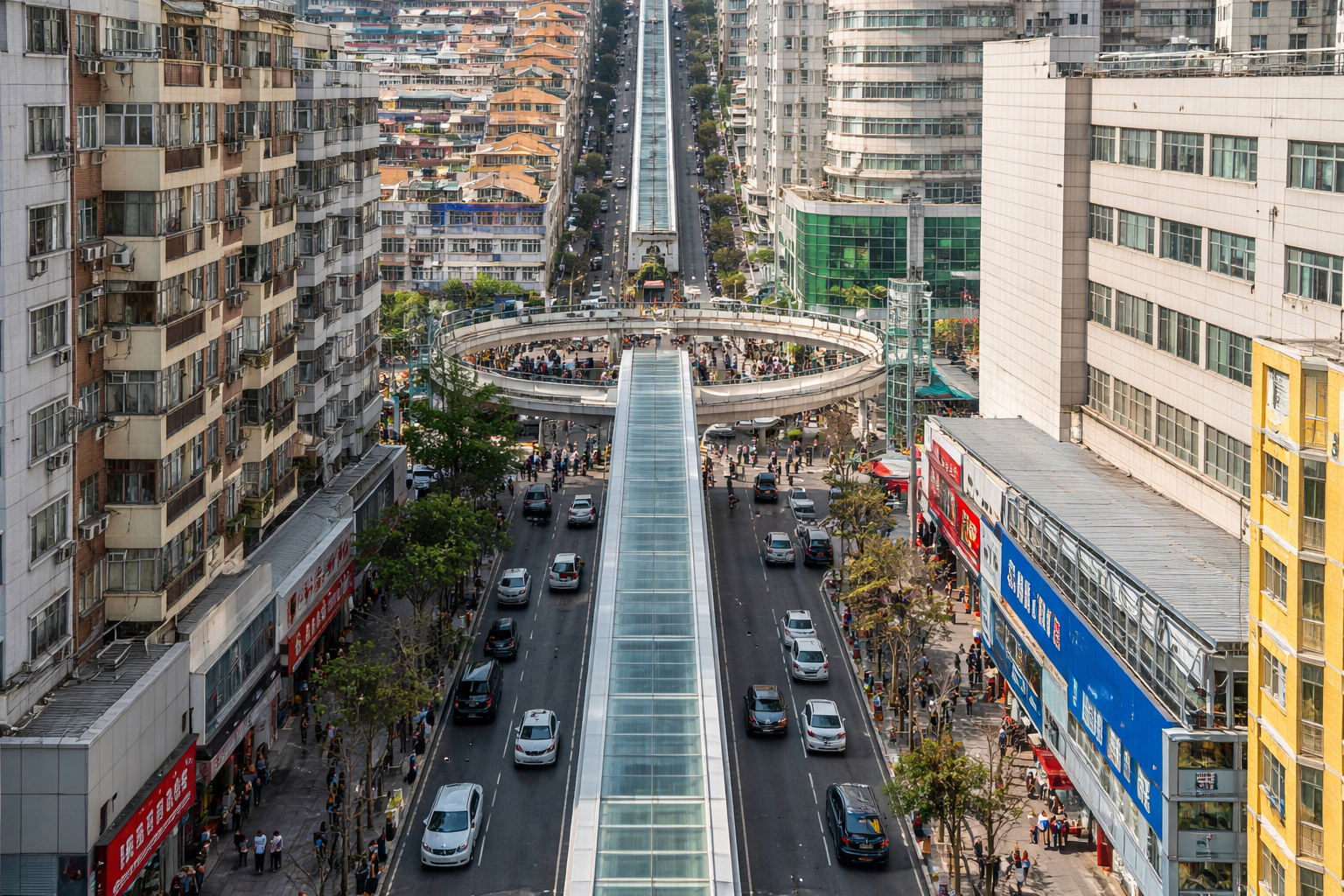
The world’s largest escalator, measuring 905 meters in China, reduces urban travel time from 1 hour to about 20 minutes and transforms mobility in mountainous regions with an engineering solution adapted to the terrain.
-
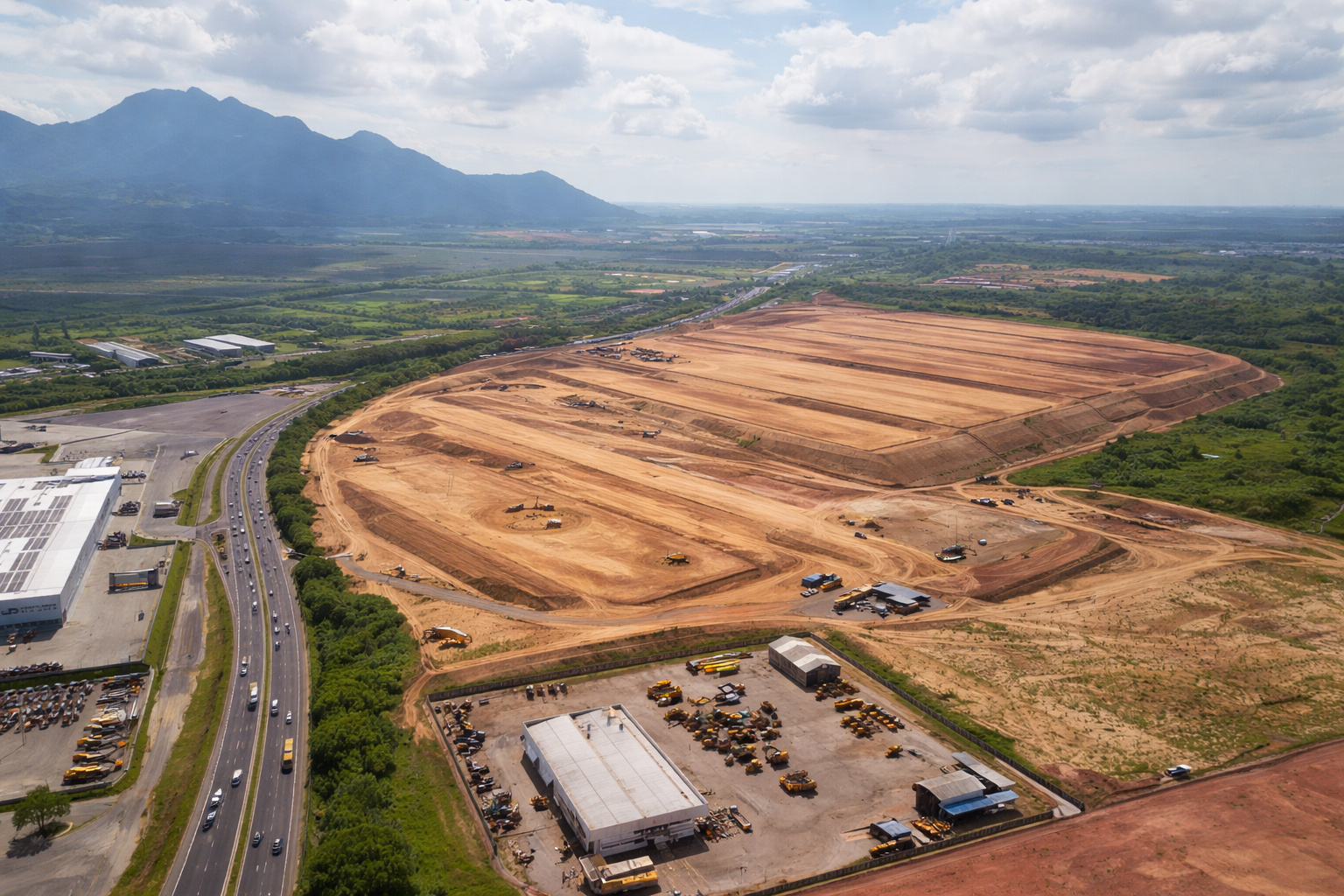
A R$ 300 million logistics giant is taking shape in Serra with over 100,000 m² and raises a question: how can this transform e-commerce and distribution in the state?
-
Could Uber Rides Lose Minimum Fare? Understand What’s Happening!


More people were hired by the sector as a result of the entire process. Information from the General Register of Employment and Unemployment shows that road cargo transportation had a positive balance of 42,956 formal job openings by the end of the first half of 2022 (CAGED). This number represents 76 percent of the total potential gains in the country with the integration of additional modes of transport for both goods and people.
The network is good, but it is important to emphasize that this year’s results are being evaluated on a more favorable basis: the same period in 2021 had stronger outcomes, even in a moment of crisis and recession when the sector still continued to operate.
The growing amount of cargo since the beginning of the outbreak further justifies this. An increase of 23.1% in transported volumes was recorded between February 2020 and July 2018, according to statistics presented by IBGE in its latest Monthly Services Survey on July 14.
It is for these reasons that companies are spending money renewing their fleets, upgrading their terminal infrastructure, and purchasing tools to better monitor and manage their operations.
Difficulties the Sector Must Overcome
The economic climate is, of course, also difficult. Concerns about energy use and rising fuel prices, in particular, may still be intensified by uncertainty surrounding the conflict between Russia and Ukraine globally. Domestically, the energy issue deserves special attention due to a conflict in economic policy about how to deal with rising expenses, such as diesel fuel, which, if not addressed, may hinder inflation reduction and lead to new increases in the Selic rate.
Given the multiple increases, not just in diesel but in the main inputs related to the transport chain, the issue of freight adjustment is a significant hurdle for companies’ daily operations. The prices of vehicles, labor, and fuel rose by 42%, 12.5%, and 104%, respectively, over the past 18 months, making up the bulk of the tariff composition.
The average transfer rate over this period was only around 7%, which means that 90% of the increases in basic costs were not passed on to customers. However, negotiations with customers are becoming increasingly contentious, causing freight delays.
The shortage of qualified drivers is another major issue. The scarcity of qualified individuals in this area has been discussed for years and is becoming increasingly evident to companies. These specialists are in high demand due to the market’s need for their expertise and the low number of interested candidates to enter the field. Since 2015, the number of licensed drivers in Brazil with a category “C” or similar license has been declining.
To avoid a collapse in the future, companies must invest in career development programs for new drivers and develop strategies to retain current employees.
Forecast for Next Year
High-interest rates are expected to persist throughout the national economy in 2023; however, with the reopening and reshaping of the labor market, jobs should sustain the flow of money, even though the payroll is not at pre-pandemic levels.
The road cargo transportation sector has proven to be robust and is expected to expand due to the seasonal period of year-end operations, which is driven by family consumption. This occurs despite the fact that input costs remain high in the market. Therefore, moving forward, freight prices should become more consistent.
Considerations By Raquel Serini









Seja o primeiro a reagir!