





 Portuguese
  English
  Spanish
  5 min of reading
  2 comments


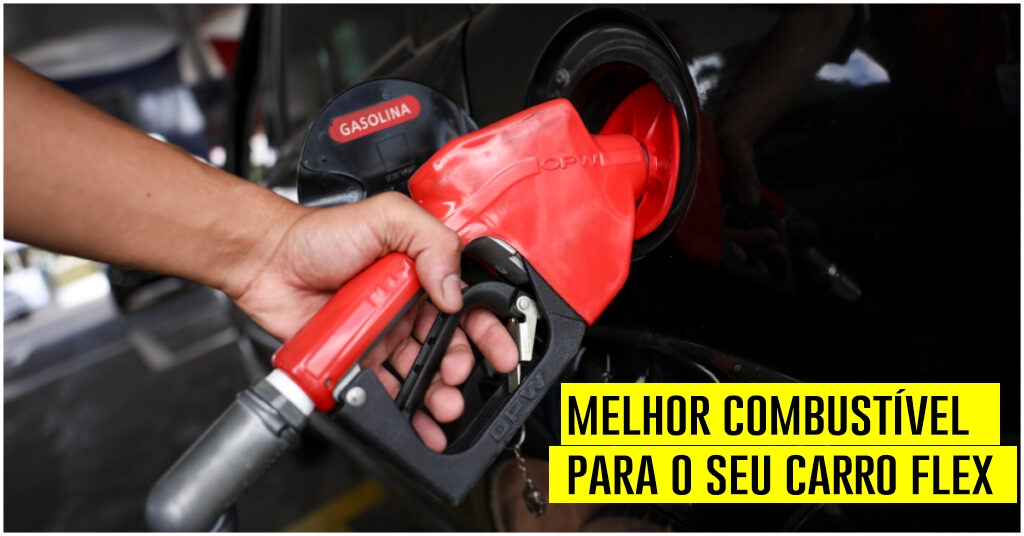

Practical Tips on the Most Advantageous Fuel for Your Flex Car, Helping You Save and Optimize Vehicle Performance
Flex cars have carved out a specific space in the Brazilian market, and it’s no wonder why. After all, the ability to choose between gasoline and ethanol provides a flexibility that adapts to different situations and needs. But when it’s time to refuel, a question arises: which fuel is best for the flex car?
Let’s understand how flex cars work, learn the particulars of each fuel, and offer practical tips so you can make the most advantageous choice.

How Do Flex Cars Work?
Flex cars are known for their ability to operate on both gasoline and ethanol, as well as allowing a mixture of both in the tank. This approach is made possible by the electronic fuel injection system, which automatically adjusts the engine to optimize the fuel mixture.
-
The car stored for 38 years: when opening the barn door, what appears is breathtaking and looks like a scene from a movie!

-
Fiat works miracles in the Brazilian market, lowers the price of its 0 km hatch to R$ 69,990, reestablishes the model as the cheapest car in the country, and reignites the battle against Kwid and C3.

-
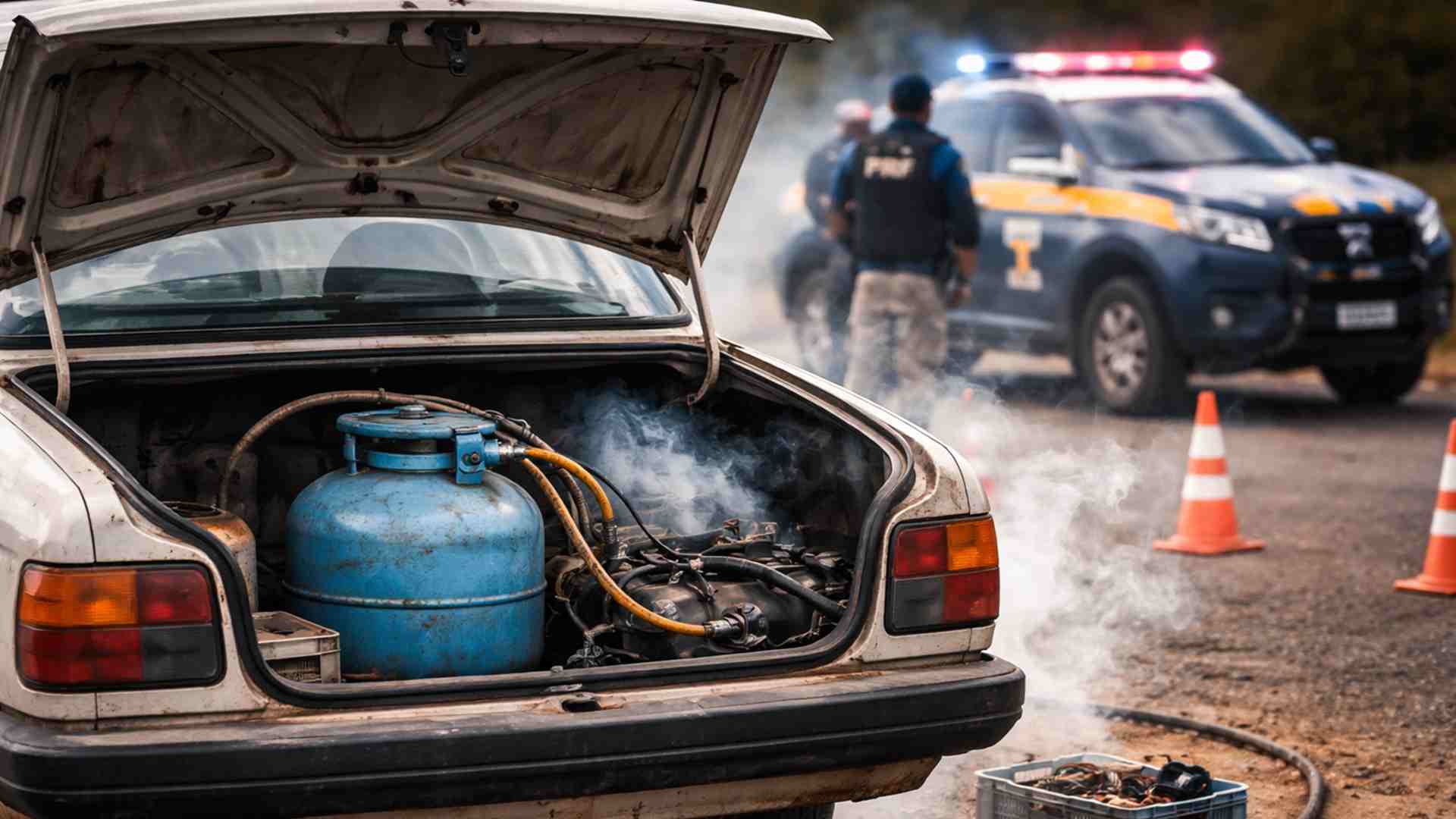
Chevette with cooking gas: How the gas cylinder ends up being used in cars clandestinely and why this makeshift solution can result in leaks, explosions, damaged engines, and seized vehicles.
-
Fiat launches the new 2027 Toro hybrid with 48V, 176 hp, an electric motor of 15.5 hp, a 0.85 kWh battery, up to 7% fuel savings, 8% fewer emissions, and possible exemption from IPVA.


It’s as if the car has an “oxygen sensor” that identifies the type of fuel and makes the necessary adjustments for optimal performance.
Characteristics of Fuels for Flex Cars
To understand which fuel may be more advantageous, it’s important to know the characteristics of each:
Gasoline (Regular and Additive)
Gasoline is a fuel derived from petroleum and has a composition that involves hydrocarbons and small amounts of oxygen, sulfur, and other elements. It is divided into two types:
- Regular gasoline: Contains only type C gasoline and anhydrous ethanol.
- Additive gasoline: Contains detergents and dispersants that help keep the engine clean and prevent rust.
Advantages of Gasoline:
- Higher energy efficiency, meaning you can travel more kilometers per liter.
- More stable price throughout the year.
- Better performance in low temperatures, making cold starts easier.
Disadvantages of Gasoline:
- Being a fossil fuel, it emits more greenhouse gases, which harms the environment.
- Leaves residues that can affect engine performance over time.
Ethanol (Alcohol)
Ethanol is produced from the fermentation of sugars, making it a renewable and more eco-friendly option. There are two types of ethanol in Brazil:
- Hydrated ethanol: Contains about 5% water.
- Anhydrous ethanol: Contains only 0.5% water and is mixed with gasoline.
Advantages of Ethanol:
- Renewable and with lower emissions of polluting gases.
- Tends to provide an increase in car power.
- A more sustainable choice for those looking to reduce their environmental footprint.
Disadvantages of Ethanol:
- Lower energy efficiency, meaning you need to refuel more often.
- The price of ethanol can fluctuate, especially outside of harvest season.
Common Myths About Refueling Flex Cars
Many questions still exist about how to refuel a flex car. Let’s debunk some of the most common myths:
- “Refueling always with the same fuel can harm the engine”: Myth! The injection system in flex cars has a sensor that automatically adapts to the fuel, adjusting the air and fuel mixture as needed.
- “The first tank of a flex car must be filled with gasoline”: Myth! The flex engine can be refueled with any fuel from the first use, and the injection system will ensure proper operation.
- “You must empty the tank before changing the fuel type”: Myth! The flex engine is designed to accept mixtures of gasoline and ethanol in any proportion, without needing to empty the tank.
Alcohol or Gasoline: Which is the Best Fuel?
To decide between ethanol and gasoline, it’s important to consider not only the cost but also the efficiency and environmental impact of each. Here are some factors to help in the decision:
- Cost-effectiveness: Check the cost-benefit ratio between ethanol and gasoline. Generally, when the price of ethanol is less than 70% of the value of gasoline, it tends to be more advantageous.
- Consumption: Gasoline is more efficient in miles per liter, while ethanol, despite the need for more frequent refueling, is cheaper in some regions and times of the year.
- Environmental impact: If the goal is a more sustainable choice, ethanol has the advantage of being a biofuel, with less environmental impact than gasoline.
Tips for Choosing the Ideal Fuel
1. Assess the Quality of the Fuel
Refueling with low-quality fuel can compromise engine performance and increase the frequency of refueling. To avoid problems like clogged injectors and higher emissions, prefer trustworthy stations, such as the Ipiranga Network, which offers recognized quality fuels.
2. Consider Convenience
Choosing a gas station nearby with additional services can make your routine easier and save time. Convenience is always an important factor, especially for those with a busy schedule.
3. Watch for Price Variations
The price of ethanol tends to be more volatile throughout the year. During the sugarcane harvest, the price is usually lower, making ethanol a more economical option.
4. Conduct a Consumption Analysis
Test the consumption of both fuels in your car to see which one performs better. Although gasoline has greater range, ethanol can be more economical in some situations.
5. Consider the Environmental Impact
Ethanol is a more eco-friendly option as it is a renewable fuel. If sustainability is a priority for you, ethanol might be the better choice.
6. Take the Station’s Reputation into Account
The quality of fuel and the proper functioning of the car are related. By refueling at a trustworthy station, you ensure that you’re putting quality fuel in the tank, preserving engine performance and durability.
Choosing between ethanol and gasoline doesn’t have to be a headache. The key is to understand the characteristics of each fuel and how they fit into your lifestyle, your concern for the environment, and cost-effectiveness. Instead of following rules, make a case-by-case evaluation and test what works best for your vehicle. Whatever your choice, the flexibility of flex cars remains a significant advantage for Brazilian drivers.










Não sei qual carro o editor ( conhece) flex ,mas estou casados de ver carro flex que não reconhece o combustivel, carro abastecido com um determinado combustivel a vida toda e qndo é vendido o novo dono se ferra, inclusive estou com um que não aceita gasolina.
Fico revezando, uso quatro tanque etanol aditivido. Depois uso dois tanques de gasolina aditivo. Prefiro eu mesmo aditivar com frasco Aditivo para combustível BARDHAL PROAL E BARDAL FLEX.