





 Portuguese
  English
  Spanish
 4 min of reading
  0 comments


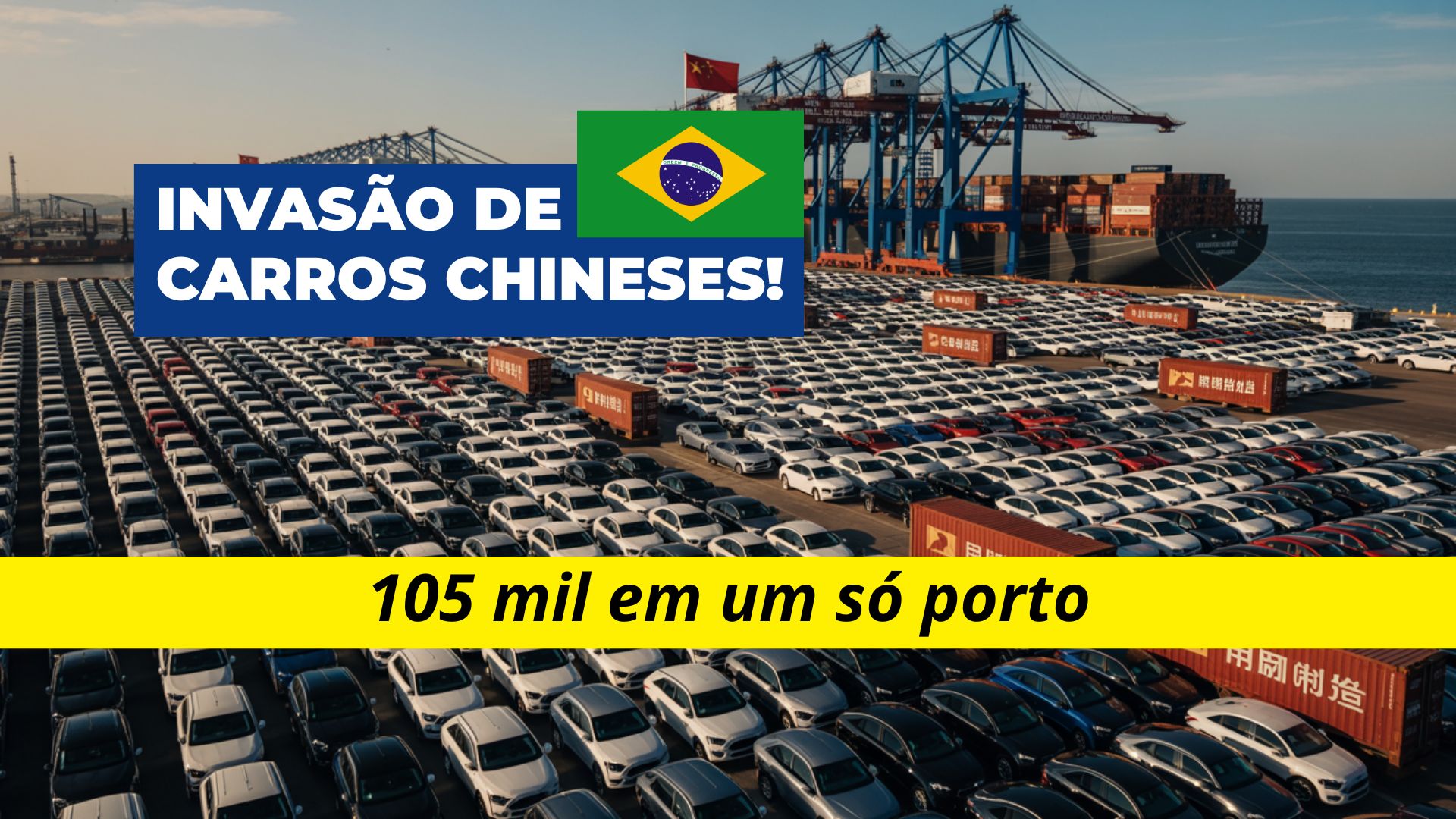
Port Terminals in Espírito Santo Received a Record Volume of Imported Vehicles in the First Half of 2025, Moving Billions of Dollars and Consolidating National Leadership in Disembarkation and Distribution Operations of Automobiles.
The Port of Vitória, in Espírito Santo, has established itself as the main gateway for imported vehicles in Brazil in the first half of 2025.
Between January and June, 123,577 cars arrived in the state, coming from 16 different countries.
Almost half of this total disembarked in June alone, with 54,592 units, mostly consisting of electrified models — a category that includes electric, hybrid, and plug-in hybrid vehicles.
-
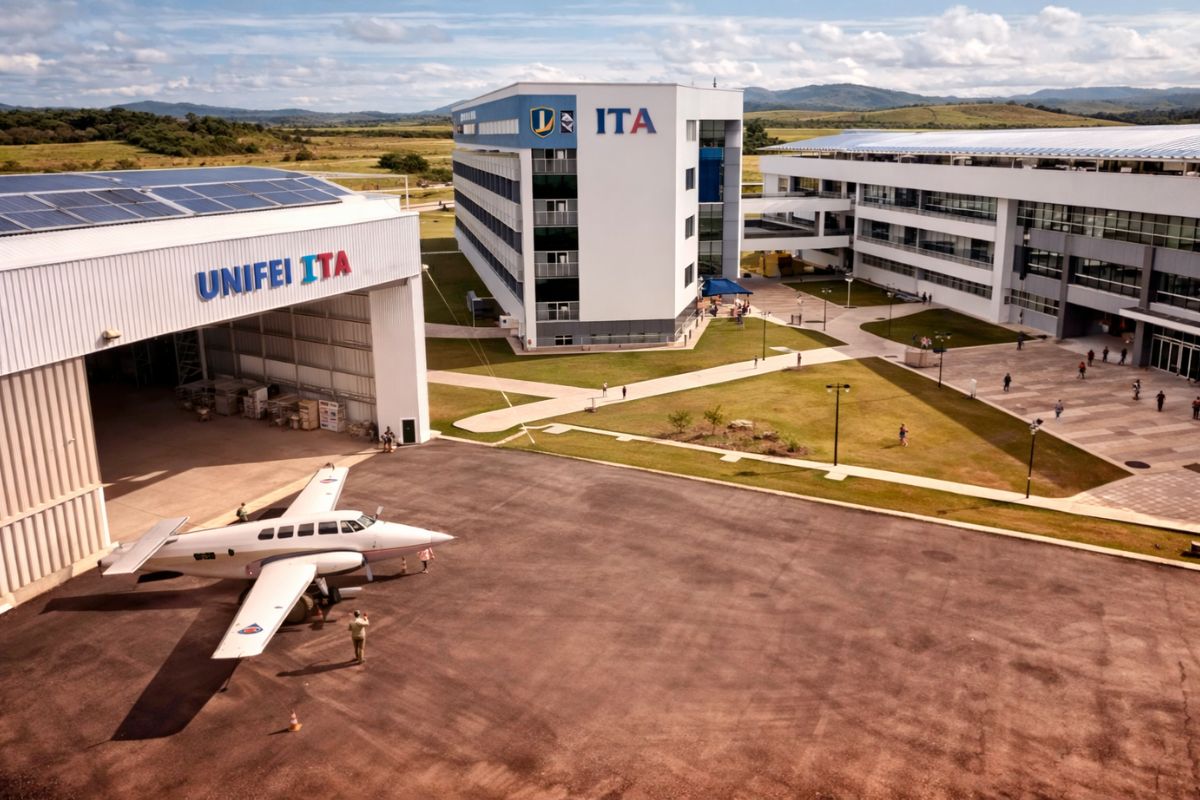
The institute that trained the greatest aerospace engineers in Brazil has just opened its first campus outside São Paulo after 75 years: ITA Ceará will have R$ 445 million, new courses in energy and systems, and classes are expected to start in 2027.
-
Luciano Hang, owner of Havan, goes to Juiz de Fora after the tragedy in February, brings R$ 1 million, hands out R$ 2,000 cards, and donates up to R$ 15,000 to victims in the region.

-
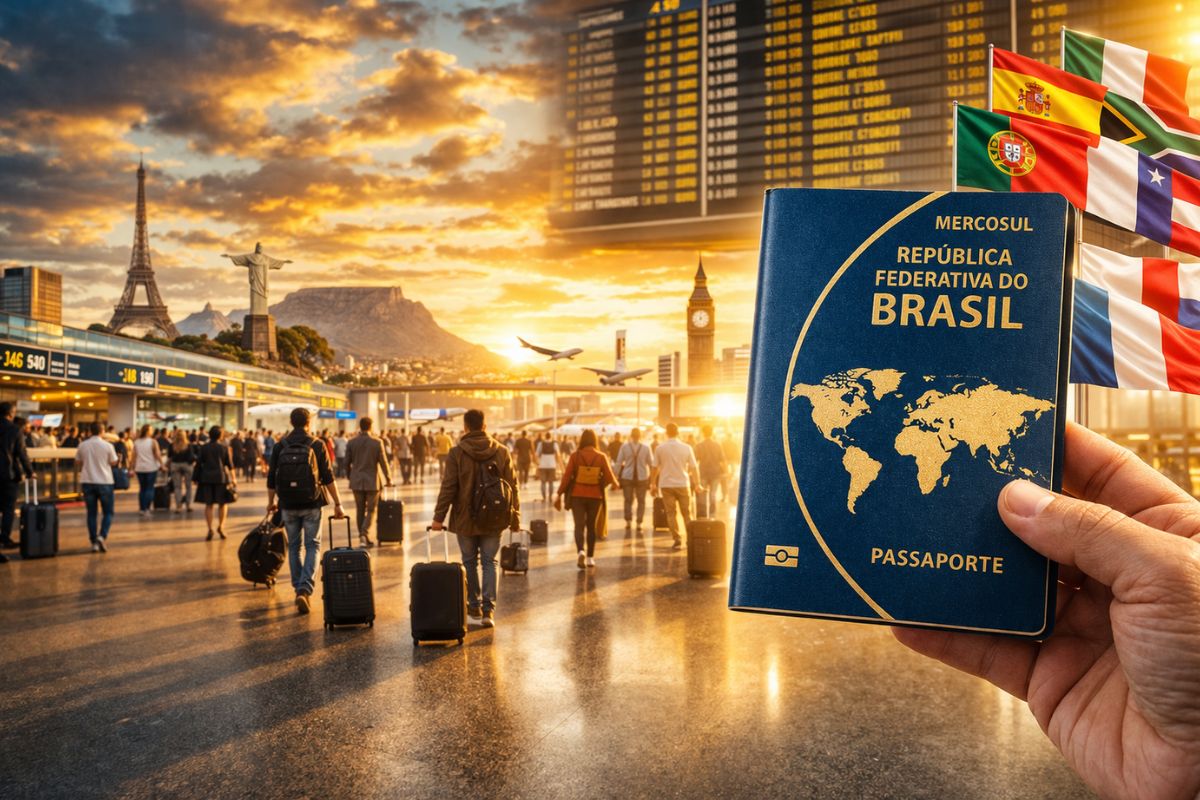
The Brazilian passport allows legal residence in dozens of countries without the need for a prior visa, and most Brazilians are unaware that they can apply for residency directly upon arriving in nations in South America, Africa, and even Europe.
-
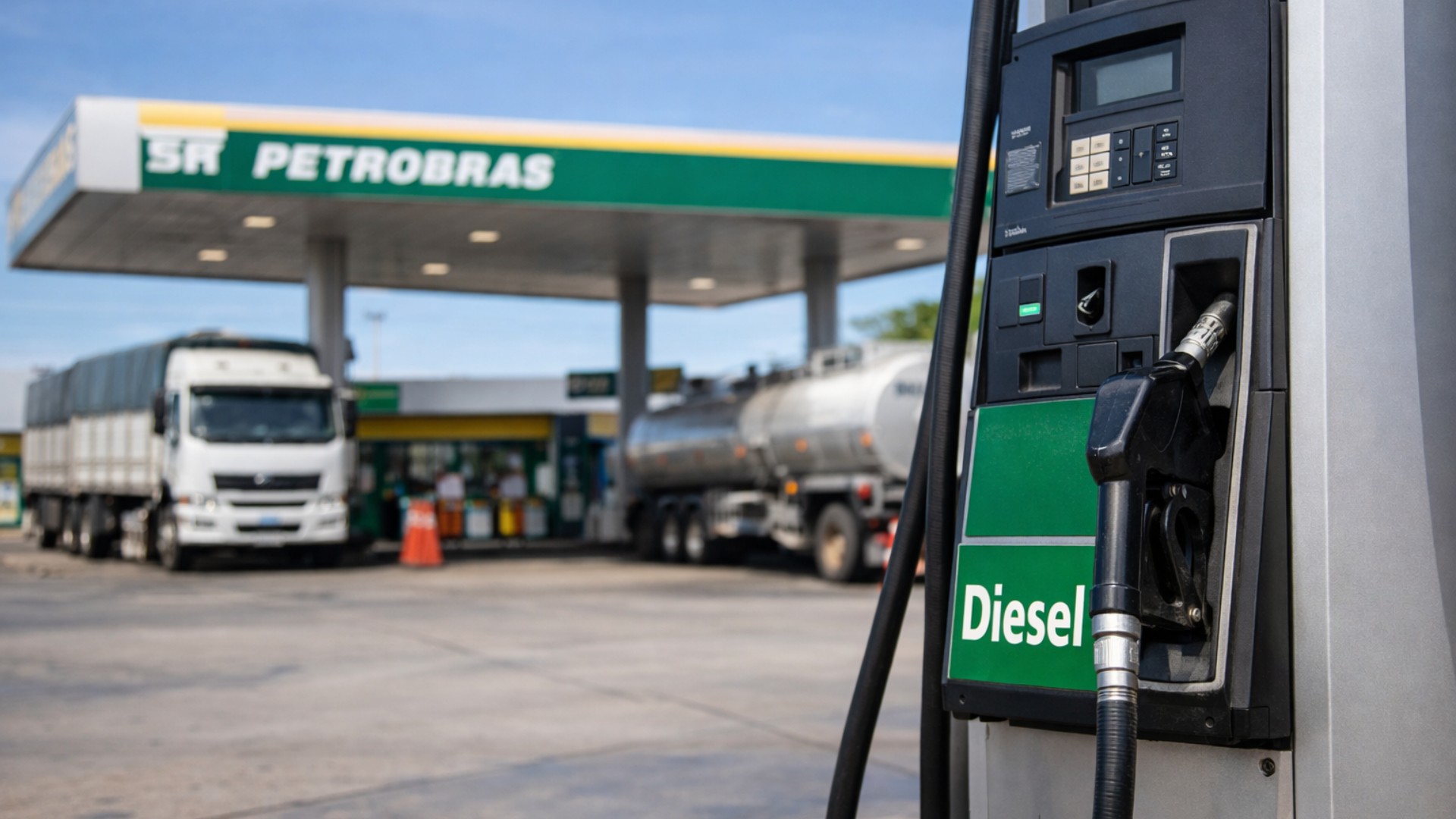
Petrobras sends a message to Brazilian truck drivers after fuel collapse and reveals plan to have 100% domestic diesel.

The intense movement was driven by importers rushing to make purchases ahead of the tax rate increases that took effect in July.
With the change, the rate for electric cars increased from 18% to 25%, for hybrids from 25% to 30%, and for plug-in hybrids from 20% to 28%.
Espírito Santo Surges in National Leadership
The volume imported by Espírito Santo during the period reached US$ 2.4 billion (approximately R$ 13.2 billion), a value six times greater than that recorded by the second place, Rio Grande do Sul, with US$ 362 million.
Next are Santa Catarina (US$ 339.5 million), Minas Gerais (US$ 286.5 million), and Paraná (US$ 240.4 million).
The predominance of Espírito Santo in the sector is explained by logistical and tax factors.
The strategic location of the state and the structure of the ports, combined with tax incentives, make the region preferred by companies for the disembarkation of vehicles destined for dealerships nationwide.
Chinese Dominance in Imports
Among all countries of origin, China leads by a wide margin, responsible for 105,626 cars disembarked at the Port of Vitória in the first half.
The total amounts to US$ 1.76 billion (R$ 9.3 billion) and represents over 85% of the total vehicles that arrived in Espírito Santo during the period.
In the list of exporting countries to the state, Germany comes in second place, with 4,593 units and US$ 198.8 million.
Next are Mexico (2,765 units), South Korea (2,206), Japan (1,917), and Slovakia (1,185).
There were also imports from the United States, Thailand, Africa, Sweden, Hungary, Belgium, the United Kingdom, Austria, Argentina, and Finland, although in smaller volumes.
Port of Vitória: Crowded Yards
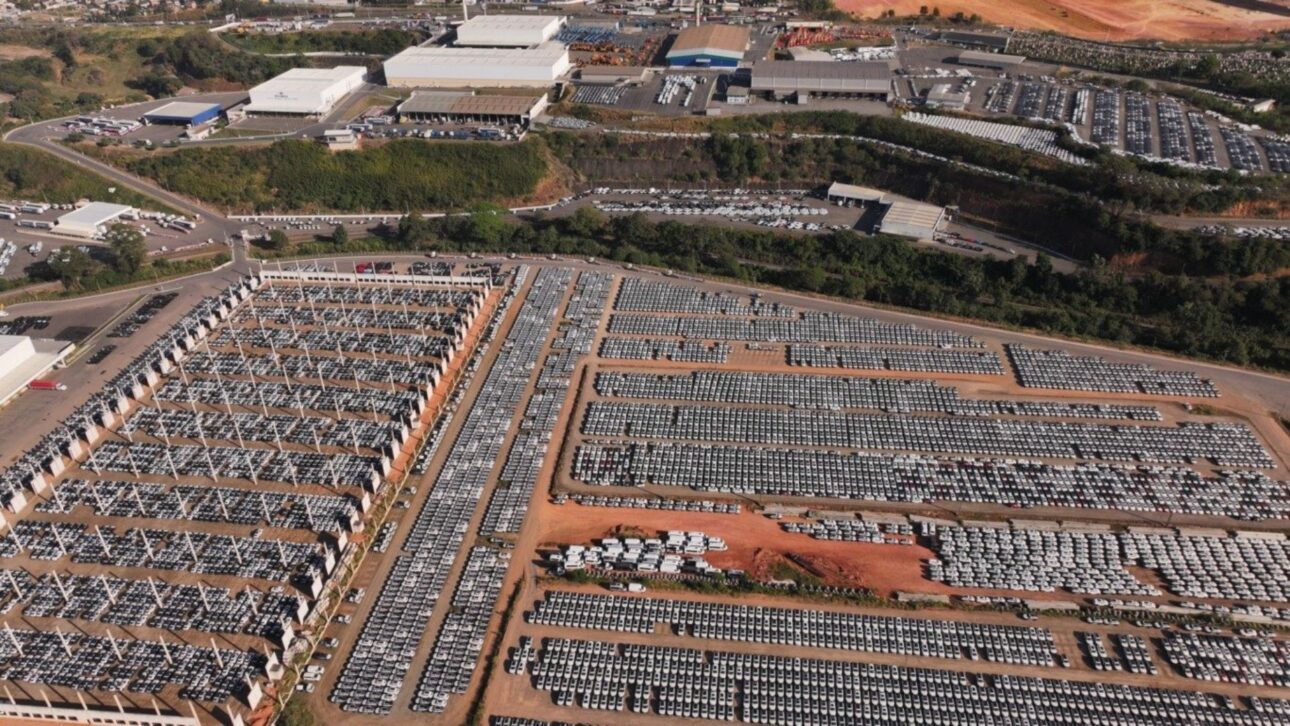
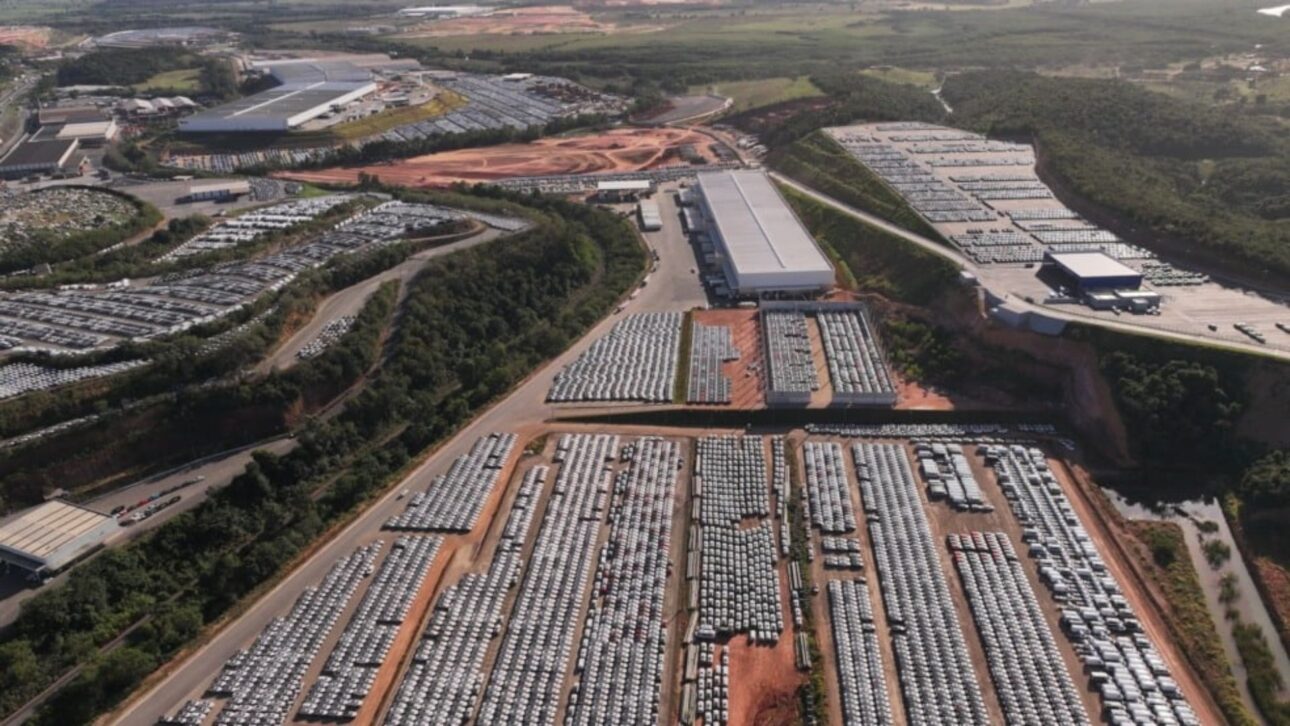
Recent images show yards completely filled with newly unloaded vehicles, resembling a whole neighborhood made up solely of new cars.
The Espírito Santo Export and Import Trade Union (Sindiex) points out that the state’s propensity for this type of operation is longstanding, but the numbers of 2025 exceed expectations and widen the gap compared to other Brazilian ports.
For comparison, São Paulo, historically associated with significant volumes of foreign trade, imported only US$ 7.8 million in vehicles during the period, a value nearly 300 times smaller than that recorded by Espírito Santo.
The Rush Before the Tax Increase
The increase in imports in the first half is also explained by the anticipation of purchases in light of the tariff hikes.
Dealerships and distributors took advantage of the lower rate to bolster their stocks, especially of electric and hybrid models, whose sales have been growing in the country.
According to automotive market data, electrified vehicles already represent a significant share of imports, driven by consumers interested in fuel savings and new technologies.
However, the tax increase starting in July may affect the final price to consumers and temporarily slow the pace of these models’ entry.
Economic and Logistical Impact
In addition to moving billions of dollars in FOB (Free on Board) values, the imported volume has a direct impact on the logistics chain.
The operations require storage, transportation, and distribution capacity for all regions of the country, making the Port of Vitória a strategic point not just for Espírito Santo, but for Brazil as a whole.
The scenario also reinforces Brazil’s dependency on imported vehicles, especially from China, which concentrates the majority of global production of electric and hybrid cars.
Chinese dominance in this segment is not exclusive to Brazil: countries in Europe, North America, and Latin America also record a growing participation of Chinese manufacturers.
Recent Developments
In recent years, Espírito Santo has increased its share in automobile imports.
This advance is linked to the modernization of port infrastructure, commercial partnerships, and the provision of tax benefits by the state government.
The stated goal is to consolidate the state as a national hub for the disembarkation and distribution of imported vehicles.
From January to June 2025, 16 different supplying countries arrived in Brazil through the Port of Vitória, but none are close to China’s participation.
The result keeps Espírito Santo as a clear leader in the national ranking for automobile imports, with participation far superior to any other state.
In light of these figures, one question remains: with the increase in tariffs and global competition, will the Port of Vitória continue to dominate vehicle imports in Brazil?









-

Uma pessoa reagiu a isso.