





 Portuguese
  English
  Spanish
  4 min of reading
  0 comments


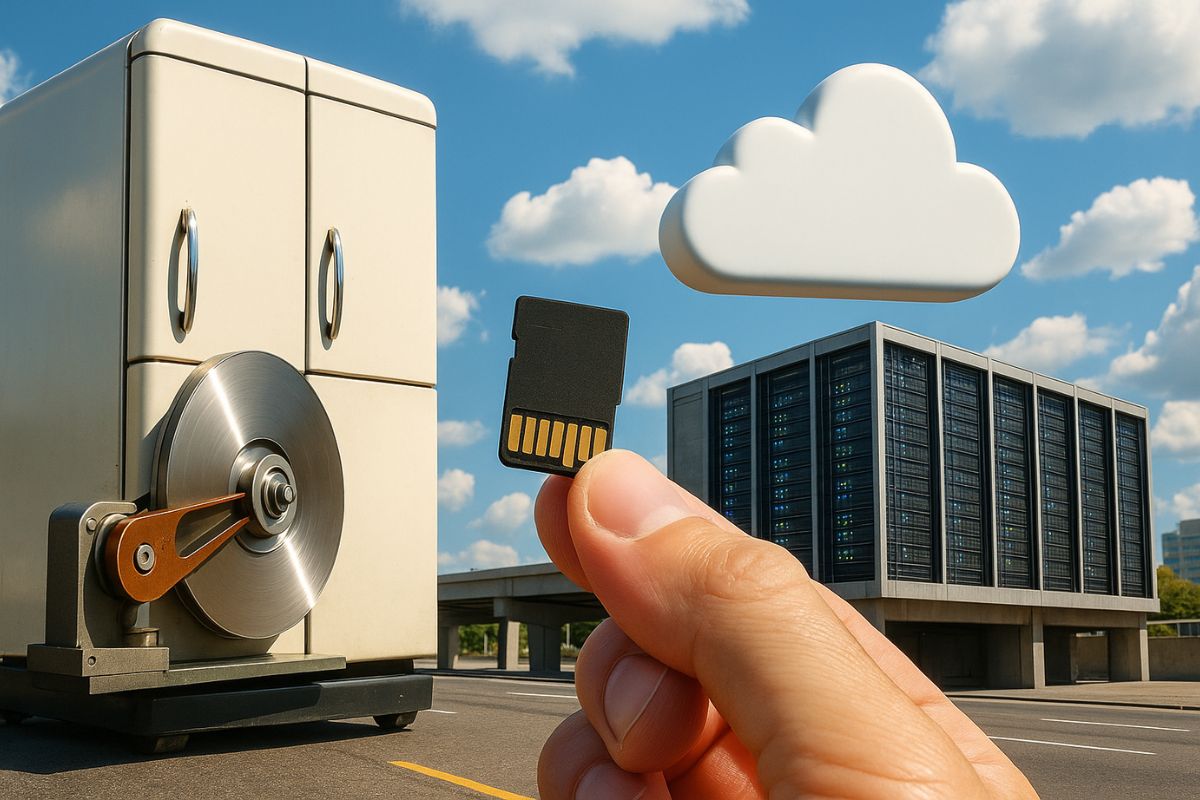
From The Era Of Punched Cards To Terabytes In Your Pocket: The Evolution Of Storage Shows How Megabytes Shaped Our Digital Life.
According to the channel Sincere Engineer, the history of computing has a before and after the megabytes. There was a time when 5 MB required a cabinet the size of two refrigerators, technicians in lab coats, and a lot of patience; today, tiny cards and the cloud store our photos, videos, conversations, and memories. In just a few decades, what was rare and expensive became trivial and invisible, forever changing how we work, study, and have fun.
In this special, we explain the journey of megabytes: from punched cards and magnetic tapes to ultra-fast SSDs, colossal data centers, and the next frontiers of DNA, holography, and even quantum approaches. No hype, no nostalgia: just the timeline of a technological leap that fit entirely in the palm of your hand.
From Holes In Paper To The First Disk That “Erased And Rewrote”
The first electronic computers fed programs through punched cards and paper tapes. Each hole was a bit; each stack, a small application. It was fragile, slow, and limited: even a simple text took up boxes and boxes.
-
(VIDEO) Cameras from an astronomical observatory captured two meteors falling over Santa Maria in Rio Grande do Sul with only a one-minute difference and such close trajectories that scientists are now investigating whether the two objects have the same origin.

-
Fireballs shoot across the skies of the USA and meteor explosions draw attention: what is causing this mysterious wave of sightings?

-
Brazil has quietly developed an electric tactical drone that takes off and lands vertically without needing a runway, flies at 140 km/h in a fully autonomous manner, and can operate in forests, conflict zones, and remote areas.

-
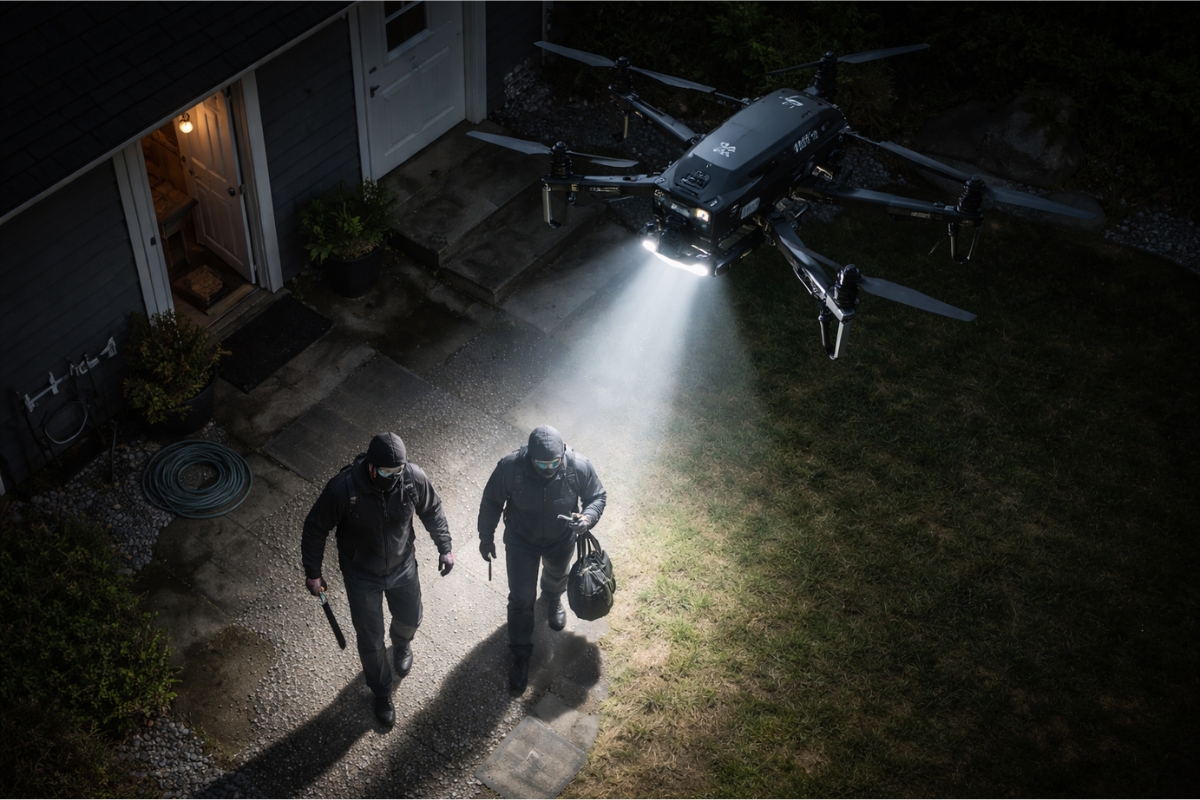
Novo drone Guardian debuts in the United States with an 8-mile range, robotic battery swapping, and Starlink connectivity for continuous response.
The turning point came with the first commercial HD in the mid-1950s: about 5 megabytes, physical space of two refrigerators, and the magic of writing, erasing, and rewriting. For the time, it was revolutionary. Today, 5 MB cannot hold a photo from your phone, but that’s where the idea of a disk as we know it began.
Tapes, Floppy Disks, And The Popularization Of “Saving”
In the following decades, magnetic tapes dominated mass storage. They were cheap and held hundreds of megabytes in huge reels, but retrieval was painful like rewinding a cassette to find the track.
In parallel, floppy disks arrived: from the 8″ at 80 KB to the iconic 3.5″ at 1.44 MB. They democratized “carrying files in your pocket,” although a magnet, a scratch, or a drop could wipe the content. Even fragile, they taught a generation to hit “Save” and trust megabytes.
CDs, DVDs, Blu-rays: Hundreds Of Floppy Disks On A Disk
The demand for digital photos, music, and videos exploded. Enter the CD (≈700 MB), followed by the DVD (≈4.7 GB) and the Blu-ray (≈25 GB). Suddenly, hundreds of floppy disks fit on a single disk. Home computing gained a media collection: movies, software installations, backups.
The price of convenience? Patience and care: scratches and failed recordings could destroy entire sessions. Still, megabytes gained popular scale and the habit of recording at home became routine.
USB Drives And SSDs: When Speed Entered The Game
USB drives brought the missing trio: small, durable, and plug-and-play. They started with megabytes, quickly moved to gigabytes, and changed the logistics of everyday life in schools, offices, and laboratories.
On the computer, HDs grew in capacity; then came the SSDs, based on flash memory. The mechanical parts disappeared, and speed entered: the system starts in seconds, programs open almost instantly, and games load much faster. The user experience jumped from “waiting for megabytes” to “forgetting they exist.”
Data Centers And The Cloud: Megabytes Went Far And Came Closer
While users celebrated USB drives and SSDs, the corporate world built data centers, true technological cities that store exabytes. This is where their cell phone albums, videos, conversations, and documents reside. The cloud simplified: with an account, you gain space, sync devices, and delegate backup, redundancy, and security.
Behind the magic, there’s heavy engineering: constant cooling, redundancy, physical and logical security, and environmental concern. If the future is digital, it must be sustainable, and the infrastructure is catching up.
What Comes After Terabytes: DNA, Holography, And New Frontiers
The evolution didn’t stop. DNA storage explores molecules to store data with absurd density; holographic media records in layers within the volume of the material, multiplying capacity; quantum approaches investigate new ways to represent and preserve information. It sounds like fiction, but it’s already in the laboratory and aims for long-term archiving.
More than just increasing numbers, the next stage seeks durability, energy efficiency, and reliable access for decades. After all, it’s not just about gathering megabytes; it’s about not losing memories.
Why The History Of Megabytes Matters
Storing has become breathing: automatic, continuous, and indispensable. From the cards that helped take man to the Moon to the data centers that hold our digital lives, megabytes have been the common thread. The leap was technical, but the impact is human: preserving memories, sharing knowledge, creating without fear of deletion.
Today, a tiny card holds what once required entire rooms. Tomorrow, perhaps everything will fit into something the size of a shoebox, and no one will ask “how many MB does it have?”. We will ask: how long does this data live and how secure is it?
What was the first moment you thought “wow, this has a lot of space” – a 1.44 MB floppy disk, a 700 MB CD, a 2 GB USB drive, or the first SSD? And today: do you trust everything to the cloud or still keep local copies? Tell us in the comments how you organize your megabytes (and what you’ve lost or saved because of them). Your story helps understand the next revolution.




Seja o primeiro a reagir!