





 Portuguese
  English
  Spanish
  5 min of reading
  0 comments


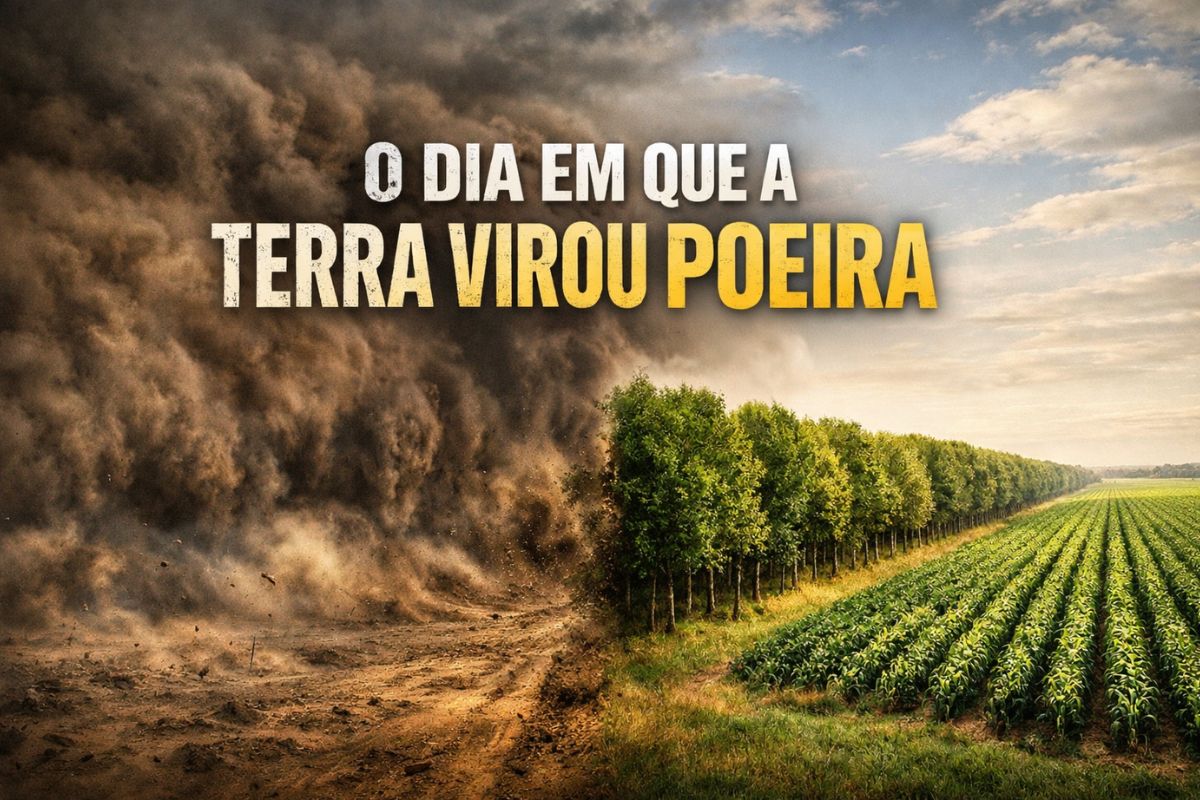
At the Height of the Dust Bowl, When Dust Storms Swallowed Homes and Crops, the U.S. Planted 220 Million Trees in Shelterbelts That Transformed Planned Forests into Infrastructure Against Climate Collapse.
When the North American plains collapsed and the soil disintegrated into clouds of dust, the disaster received a name: Dust Bowl. For years, dust storms darkened the sky, invaded homes, and destroyed entire crops, pushing thousands of families into forced migration. In this extreme scenario, the most powerful response was not a massive dam or a revolutionary machine, but a decision that seemed simple on paper: the U.S. planted 220 million trees to try to hold back the wind, protect the soil, and give the countryside a new chance.
These trees, organized in shelterbelts along the farms, formed green belts designed to directly address the heart of the problem.
Instead of treating the Dust Bowl solely as a past tragedy, the government transformed the agricultural map, drawing lines of trees capable of breaking the wind’s speed, reducing erosion, and rebuilding the resilience of the plains.
-
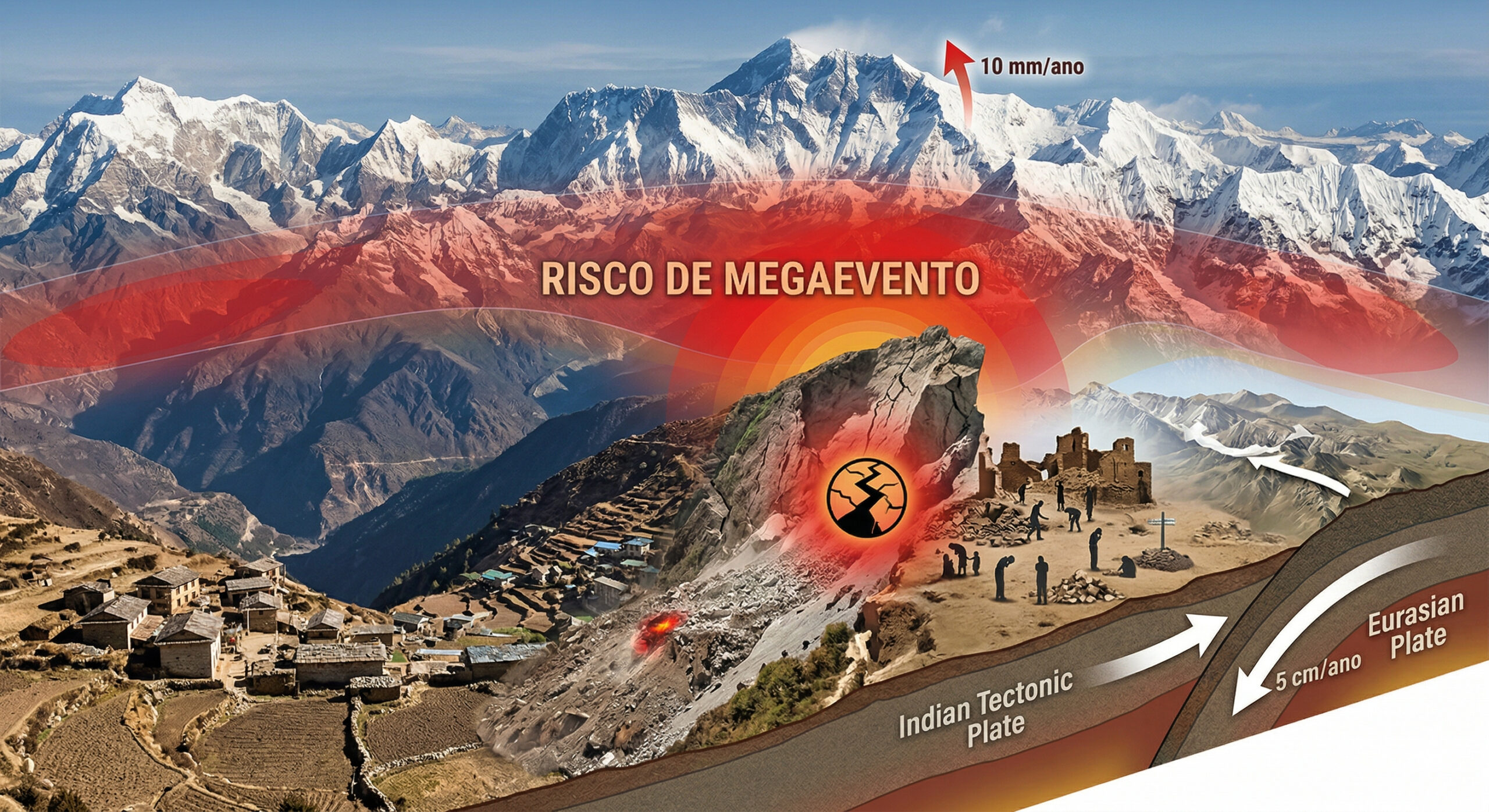
The Himalayas continue to grow to this day, with tectonic plates advancing 5 cm per year, mountains rising up to 10 mm annually, and the 2015 earthquake that killed 9,000 people may have increased the risk of an even larger seismic mega-event.
-
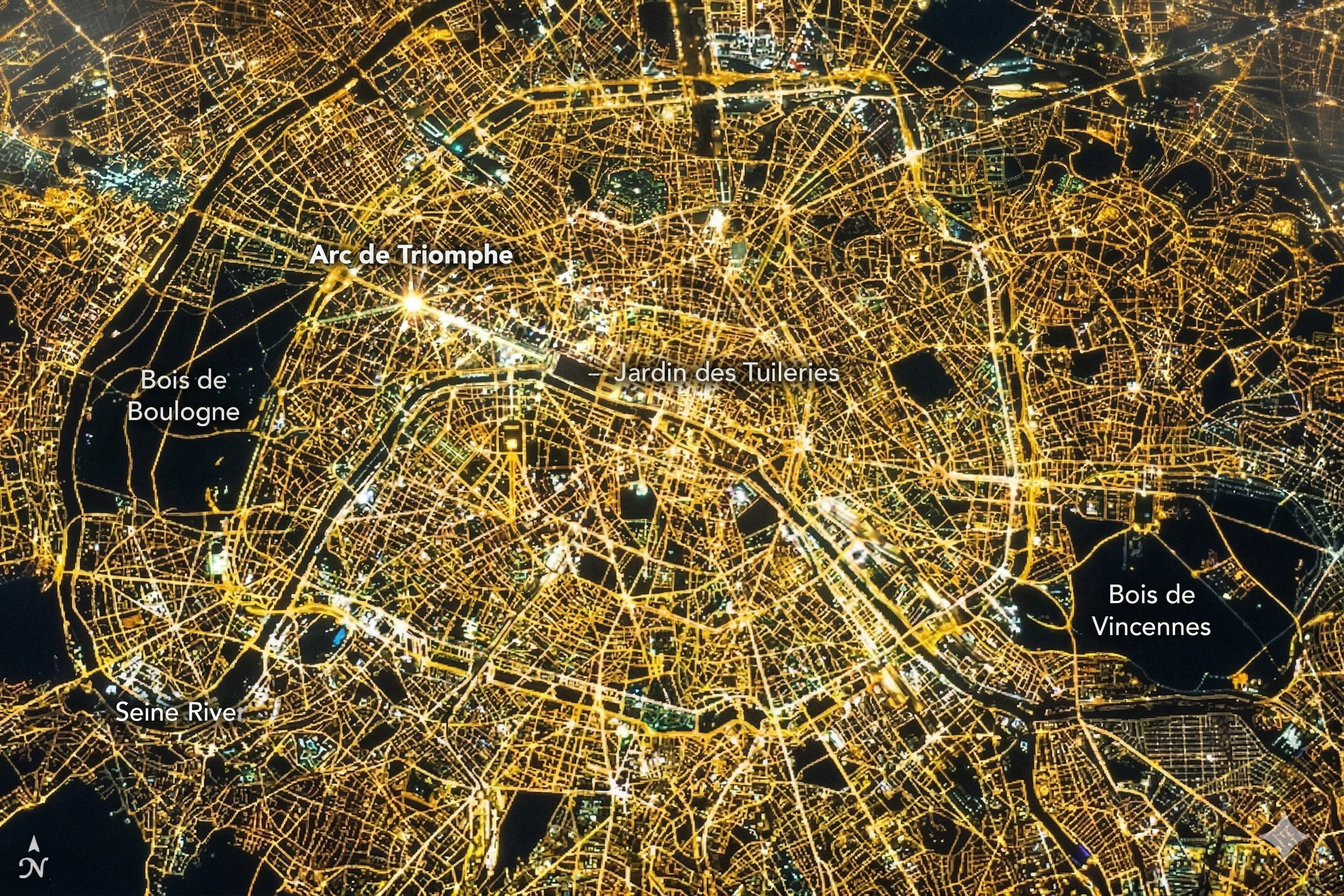
At an altitude of 400 km by astronauts from the International Space Station, Paris transforms at night into a golden mesh so precise that it reveals the outline of the Seine River, avenues, and entire neighborhoods like a luminous map drawn over the Earth.
-
iPhone 17 reaches historic low price with 256 GB, 120 Hz display, and drops to R$ 5,703 on Shopee, featuring A19 chip, dual 48 MP cameras, battery life of up to 30 hours, and advanced AI features.

-
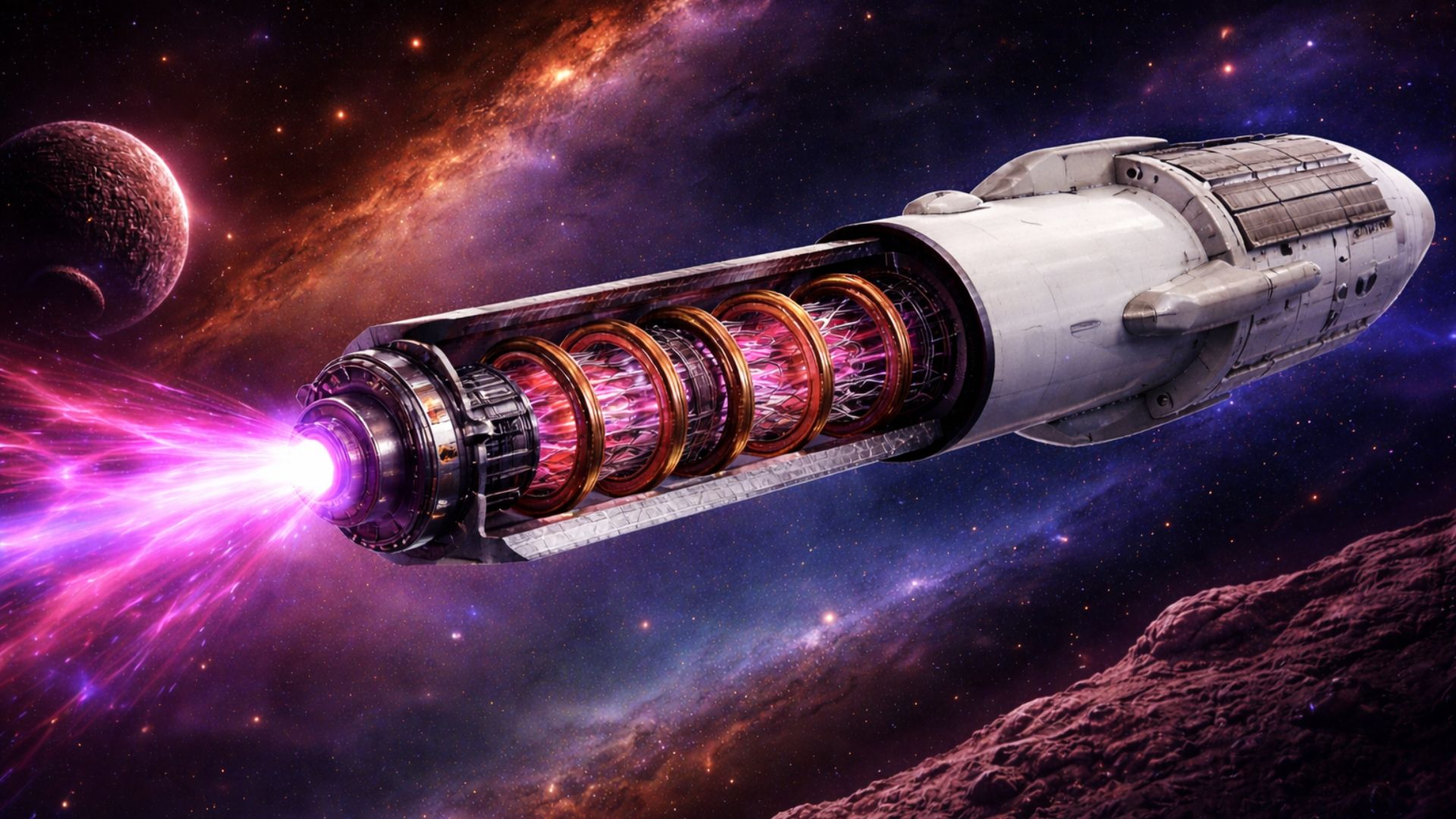
Trip to Mars getting closer: Pulsar Fusion, from the UK, advances with plasma ignition in fusion engine and could drastically reduce space travel time, making crewed missions faster, safer, and economically viable.

The planned forest came to function as a living infrastructure against the ongoing climate collapse.
When the Dust Bowl Became Synonymous with Soil in Suspension

The Dust Bowl was not just a dramatic name in history books. It was a period when aggressive soil management, deforestation, and severe droughts combined to transform productive fields into fine, loose dust.
Without sufficient vegetation cover, each gust of wind lifted true walls of dust that traveled for miles and swallowed everything in their path.
Families tried to protect their homes with damp cloths over the windows, but dust entered through cracks, covering furniture, dishes, and beds. Children went to sleep with the taste of dirt in their mouths.
The Dust Bowl became a symbol of how improper land use, combined with climatic extremes, can dismantle an entire region in just a few years. It was an environmental, social, and economic collapse occurring all at once.
U.S. Planted 220 Million Trees as an Emergency Work
To face this scenario, the U.S. planted 220 million trees in one of the largest planned reforestation programs in the country’s history.
The idea was to create large green corridors crossing the agricultural plains, always positioned strategically. It was not just about “planting for the sake of planting,” but about using trees as permanent protective infrastructure.
These forest belts were drawn on maps, farm by farm. Technicians assessed terrain, predominant wind direction, and soil type to define where the lines of trees would have the greatest impact.
Each shelterbelt functioned as a living shield against the Dust Bowl’s dust storms, reducing wind speed before it hit the crops and homes directly.
How the Shelterbelts Held Back the Wind and the Soil Erosion
In a bare field, the wind runs free, tearing up loose particles and turning any dryness into a dust storm.
With well-placed rows of trees, the behavior changes. The canopies act as a barrier, the roots stabilize the soil, and the shade helps to conserve a bit more moisture on the surface.
Over time, this design where the U.S. planted 220 million trees created a new dynamic in the plains affected by the Dust Bowl.
The dust storms did not immediately disappear, but they lost intensity and reach. Soil erosion was reduced, crops suffered less direct damage, and farmers began to see a future in the land they had nearly abandoned.
Besides holding back the dust, the shelterbelts created more stable microenvironments. Increases in organic matter, the return of small animals, gradual improvement of soil structure, and greater capacity to infiltrate rainwater were some of the indirect effects of this planned forest.
In today’s terms, it was a large-scale climate adaptation program, long before that term became fashionable.
Planned Forest as Infrastructure Against Climate Collapse
The story of how the U.S. planted 220 million trees shows that solutions to environmental crises do not have to be just concrete and steel.
Well-designed forest belts can act as environmental engineering works, integrating soil protection, local climate stability, and direct support for agricultural production.
Instead of treating the forest as something opposed to agriculture, the Dust Bowl program placed both things side by side: trees and crops as parts of the same productive system.
By protecting the soil, the shelterbelts ensured that seeds, fertilizers, and labor were not blown away by the wind in a matter of minutes. By creating shade and moisture, they helped plants survive in drier years.
Today, with climate collapse manifesting in heat waves, longer droughts, and more intense storms, this experience gains new significance.
It shows that planting trees in strategically chosen places is as serious an infrastructure measure as building roads or raising dams, especially when the priority is to keep the countryside alive and productive for decades.
What the Dust Bowl Still Has to Teach Current Agriculture

Decades later, the memory of the Dust Bowl continues to serve as a warning and guide. The main lesson is clear: when land use ignores environmental limits, the price comes in the form of lost soil, scarce water, and people forced to leave.
On the other hand, the reaction in which the U.S. planted 220 million trees proves that well-designed public policies can reverse some damage and rebuild the resilience of agricultural landscapes.
For other countries, especially those with large production areas and increasingly frequent extreme events, the message is straightforward.
Shelterbelts, forest belts, and intelligent management of native vegetation are not a luxury, they are part of the basic infrastructure against climate collapse.
Instead of thinking only about bigger machines and stronger inputs, agriculture can also look to the silent power of a well-placed row of trees.
If an entire region managed to reduce dust and recover soil after the Dust Bowl because the U.S. planted 220 million trees, what kind of transformation would be possible today if similar programs were adopted in areas already feeling the effects of extreme climate?




-

-

-

-

-

25 pessoas reagiram a isso.