





 Portuguese
  English
  Spanish
  5 min of reading
  0 comments



Detailed Comparison of Costs, Installation, and Performance of Used Windows in Affordable Houses Shows How Material, Maintenance, and Technical Standards Influence the Budget and Comfort Over Time, with Market Data, Official References, and Common Construction Practices.
The choice between white aluminum windows and painted steel windows directly influences the cost of enclosing an affordable house in Brazil, both at the time of purchase and throughout the building’s lifespan.
Surveys based on official compositions of construction costs and prices practiced by large retailers indicate that the final difference is not limited to the price of the piece but also involves installation, maintenance, and technical characteristics of the chosen framing system.
Depending on the material, type of opening, finish, and presence of items like glass, shutters, or grilles, prices can vary from a few hundred to over a thousand reais per unit.
-
The section of Serra da Rocinha on BR-285 is now open in Timbé do Sul: 50 m tensioned curtains and top-down technique stabilize the slope, with a stairway duct controlling the water.

-
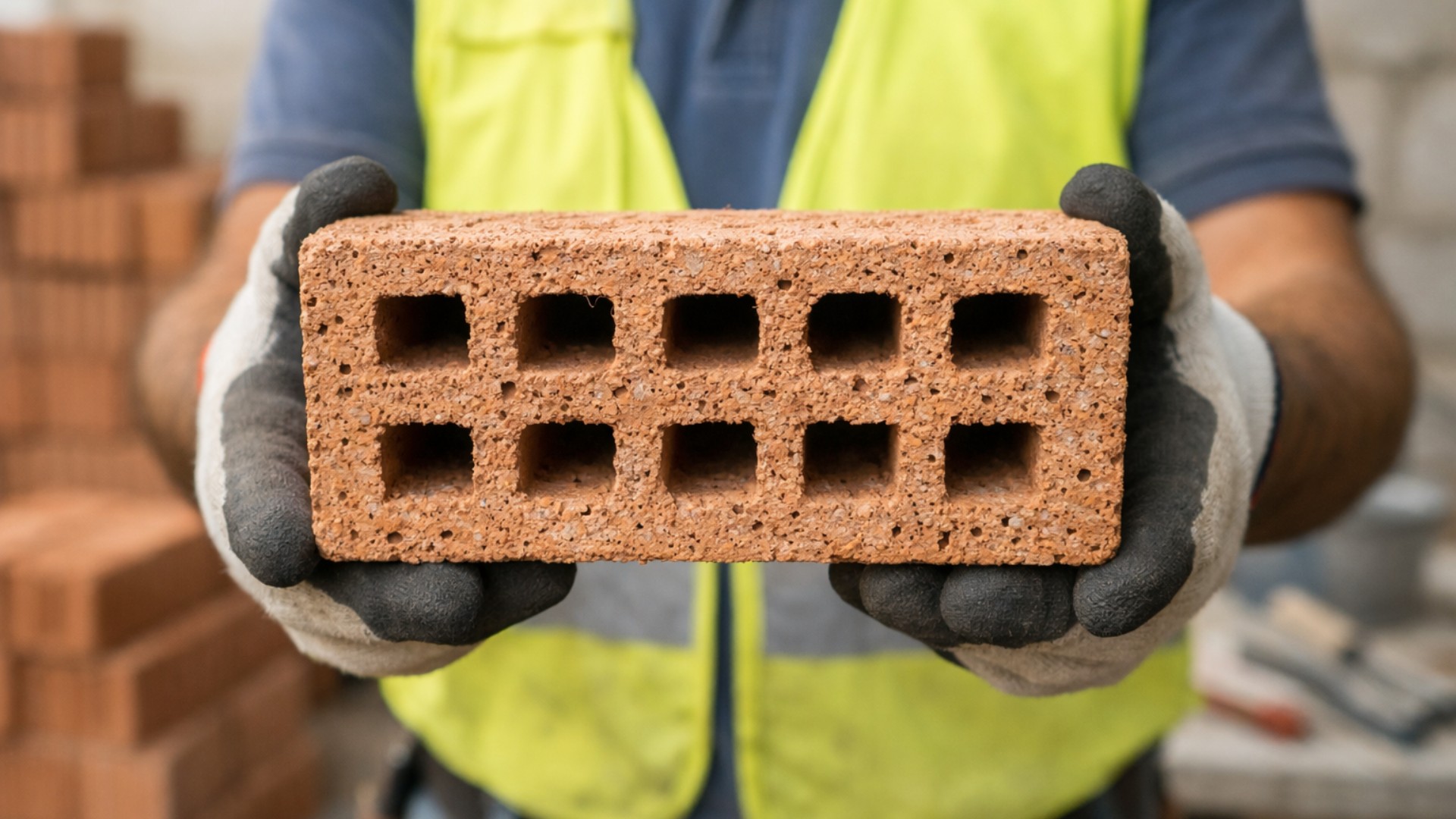
Scientists use sawdust mixed with clay to create a lighter brick, promising efficient thermal insulation and impressing by transforming waste into a solution for construction.
-
With a DNA shape, this bridge in Singapore draws attention in modern architecture and surprises tourists by transforming a simple crossing into an unforgettable visual experience in the urban heart.

-
Giant underwater pipeline begins to take shape with a R$ 134.7 million project at the Port of Santos: the 1.7 km structure uses 12-meter and 700 mm pipes to supply water to 450,000 people in Guarujá.


Window Costs According to SINAPI and Public Budgets
Among the parameters most used by professionals in the sector is the National System of Costs and Indices of Construction (SINAPI), which brings together service compositions with inputs and labor costs.
In a widely publicized composition for a sliding aluminum window with four panels, including glass and installation, the national average cost appears to be in the range of a few hundred reais per square meter, considering the supply of the material, bricklayer, helper, fixation, and sealing.
For steel windows, public budgets consulted in municipal administrations indicate higher prices per square meter in compositions that include frames, hardware, and anti-corrosive painting, also with supply and installation.
In these cases, the spreadsheets make it clear that certain items, like glass or specific finishes, may not be included, depending on the executive project.
These numbers do not represent a single price for the entire country, as SINAPI varies by state and period, and public budgets may include or exclude indirect benefits.
Still, they help to gauge how the type of material and the technical specifications impact the final cost of the installed framing.
Prices of Aluminum and Steel Windows in the National Retail Market
In retail, the price variation follows the same logic.
Aluminum windows in common construction sizes, such as 1.00 meter by 1.20 meter, appear in large national chains with prices ranging from lower tiers in simple models to higher prices in lines with better finishes, more panels, or differentiated glass.
On the other hand, painted or galvanized steel windows, often associated with integrated shutters and grilles, usually appear in catalogs with unit prices higher than basic aluminum models.
In marketplaces and specialized stores, there are records of steel windows in similar sizes costing intermediate or high prices, depending on the level of protection, type of opening, and brand.
Industry experts often warn that direct comparisons between aluminum and steel, without fixing the same dimensions, the same type of opening, and the same accessories, may lead to inaccurate conclusions.
This happens because, in many cases, the higher price is associated with additional functions and not just the material of the profile.
Impact of Framing on the Budget of an Affordable House
In a single-story economical house, with five to seven windows distributed among bedrooms, living room, kitchen, and bathroom, the choice of framing represents a significant portion of the budget.
Considering only examples of prices observed in the national retail market, sets of aluminum windows in intermediate ranges can result in a total cost lower than equivalent sets in steel with shutters and grilles.
However, the final difference depends on the adopted project.
When opting for steel windows with a higher level of protection or for more complete aluminum models, the values tend to converge.
Budget technicians emphasize that, in these cases, the total cost should be analyzed together with other items of the construction, such as doors, locks, and ventilation systems.
Window Installation and Requirement for Specialized Labor
Official cost compositions show that both aluminum and steel windows require specialized labor for proper installation.
Bricklayer and helper appear as recurring items in spreadsheets, as do fixation and sealing materials.
According to civil engineers, problems of infiltration, warping, or malfunction are often more associated with installation failures than with the material of the framing itself.
In the case of steel, the weight of the piece and the type of fixation may require additional care.
In aluminum, although the set is lighter, misalignments in tracks or inadequate sealing can also compromise performance.
In both cases, correct execution is pointed out as a decisive factor for durability and comfort.
Maintenance Differences Between Aluminum and Painted Steel
Maintenance is one of the areas where the differences between aluminum and steel become most evident.
Manufacturers and technical manuals indicate that aluminum frames, when produced according to standards and with proper finishing, basically require periodic cleaning and occasional adjustments to rollers and locks.
In painted steel, conservation is more directly linked to the integrity of the anti-corrosive painting.
Technical documents and guidelines from manufacturers point to the need for regular inspections and, in some cases, repainting to prevent rusting.
This care becomes more relevant in regions with high humidity, sea spray, or atmospheric pollution.
Thermal and Acoustic Comfort According to Technical Standards
From a normative standpoint, the thermal and acoustic performance of windows is treated as a result of the complete system, and not just the material of the profile.
The ABNT NBR 10821, which regulates external frames, establishes criteria for air permeability, water tightness, and wind resistance, as well as guidelines related to acoustic performance.
Engineers and architects often emphasize that the comfort perceived by the resident depends more on the quality of sealing, the type and thickness of the glass, and the correct installation than on whether the profile is made of aluminum or steel.
Since both metals have high thermal conductivity, the reduction of noise and heat exchanges is more associated with gaps, brushes, rubbers, and well-executed fittings.
Residential Security and Integration of Grilles in Windows
In terms of security, steel windows continue to be chosen in projects that prioritize the integration of metal grilles into the frame itself.
Manufacturers’ catalogs highlight this aspect as a differentiator, which helps explain higher prices for certain models.
At the same time, aluminum manufacturers offer systems with reinforced locks, thicker profiles, and the possibility of integrated grilles.
According to industry professionals, the assessment should consider the complete set of security solutions for the property, and not just the material of the window.








-

-

-

4 pessoas reagiram a isso.