





 Portuguese
  English
  Spanish
  3 min of reading
  0 comments


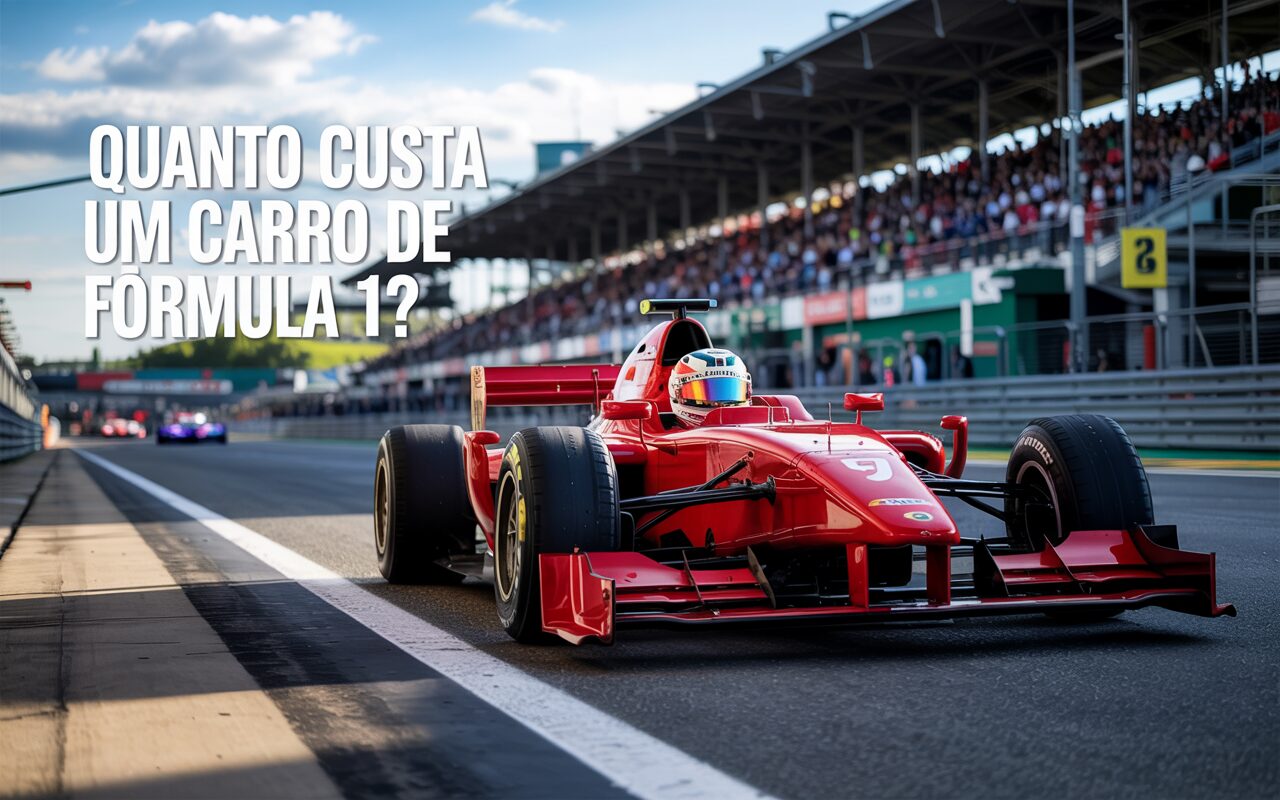
The Price Of A Formula 1 Car In 2025: Impressive Values Reveal The Most Expensive Parts
The price of a Formula 1 car remains one of the biggest secrets (and fascinations) in global motorsport. Beyond the passion for the tracks, the cost involved in building and operating these vehicles is jaw-dropping. Currently, teams must adhere to an annual budget cap of US$ 135 million (about R$ 764.5 million), imposed by the FIA to level the competition. For every extra race beyond the 21 rounds, an additional US$ 1.8 million is allowed, along with US$ 300,000 for each sprint race.
How Much Does A Complete Formula 1 Car Cost?

This budget cap covers almost all operational costs: development, components, spare parts, and salaries for most staff. Only the salaries of the three top executives, the drivers, marketing actions, and bonus and licensing payments are excluded.
The Red Bull team estimates that the average price of a complete Formula 1 car ranges between US$ 12 and 15 million (R$ 68 million to R$ 85 million). However, there are experts pointing to values that can exceed R$ 114 million, depending on the technical package and upgrades used throughout the season.
-
These living root bridges and ladders are over 700 years old and help indigenous people survive in one of the rainiest regions in the world.

-
From sertanejo star to international investor: Ana Castela invests millions in a mansion in the USA, creates a themed accommodation in Orlando, and shows that the “boiadeira” also wants to grow away from the stage.

-
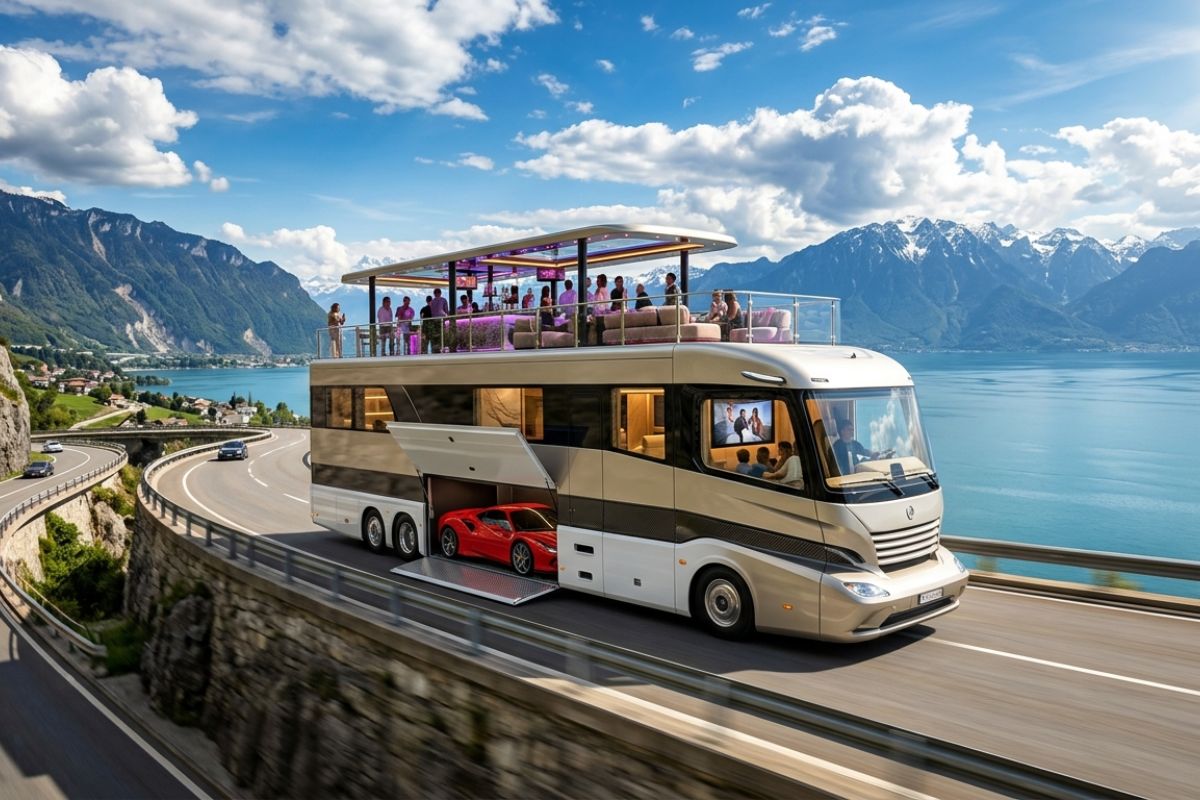
The 10 most stunning motorhomes in the world: a $3 million trailer with a rooftop nightclub and garage for a Ferrari, “palaces on wheels” with Italian marble, private cinema, and five-star hotel luxury for billionaires.
-
Trump wanted to spend $400 million on the White House, but the courts prohibited the million-dollar construction.


The Most Expensive Parts Of An F1 Car
A large part of this cost is concentrated in three main components: chassis, gearbox, and engine, which together can cost up to US$ 10.6 million (about R$ 60 million). But even smaller details come with exorbitant prices:
- Steering Wheel: US$ 50,000 (~ R$ 283,000)
- Front Wing: US$ 200,000 (~ R$ 1.1 million)
- Tires (each unit): around R$ 4,000
These parts are designed with composite materials like carbon fiber and exclusive high-precision technologies, which dramatically increase their value.
Is It Possible To Buy A Used Formula 1 Car?
Yes. Although it is a dream for few, used F1 cars can be purchased by collectors and billionaires. Formula 1 maintains an auction platform for the sale of display models (show cars) without engines or gearboxes, only with functional tires and steering. These vehicles usually sell for prices starting at US$ 100,000 (about R$ 566,000).
Models that actually raced in Formula 1, especially those driven by legends like Ayrton Senna or Michael Schumacher, can easily exceed US$ 5 million (over R$ 28 million), depending on the historical significance of the car. The most expensive ever sold was the Mercedes W196 driven by Juan Manuel Fangio in 1954, auctioned for about R$ 180 million.
How A Formula 1 Car Works
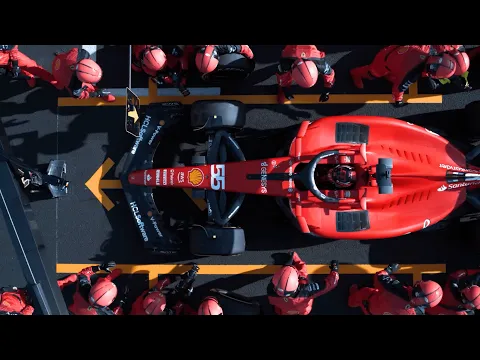
Formula 1 cars are true engineering masterpieces. Their performance depends on the balance between five essential elements: driver, chassis, power, tires (grip) and aerodynamics (wind). On tracks like the GP of São Paulo, the influence of wind and elevation changes requires fine adjustments in the chassis, which is composed of suspension, brakes, steering, and floor — like regular cars, but with highly sophisticated materials and configurations.
The extremely stiff suspension and minimal travel of the dampers make the car more responsive but also less comfortable. Therefore, the chassis must maintain the car at the ideal height relative to the track, while the steering must be precise and the brakes extremely powerful to ensure rapid deceleration at the end of straights.
Without this properly adjusted system, not even the best driver in the world can achieve good results. What differentiates the driving geniuses is the ability to compensate for the car’s shortcomings with quick thinking, refined throttle control, and pure talent — making a difference where the machine falls short.









Seja o primeiro a reagir!