





 Portuguese
  English
  Spanish
 3 min of reading
  0 comments


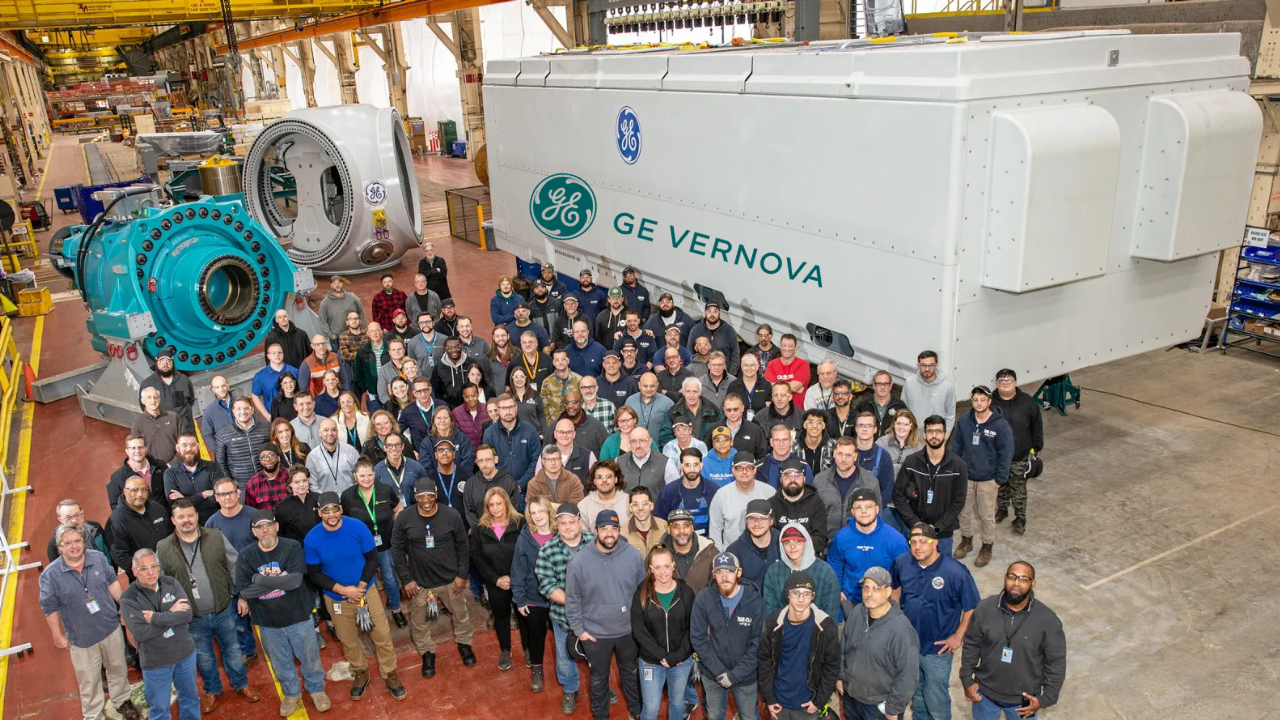
GE Vernova Wind Blade Factory Closure in Pernambuco Will Impact Local Economy and Wind Sector.
GE Vernova announced last Tuesday (11) the closure of its wind blade factory in Pernambuco, located in Suape. The decision to close the plant, which has been an important producer of wind blades for the Latin American market, will result in the dismissal of around a thousand employees.
GE Vernova justifies the closure by the decrease in demand for wind turbines in Latin America, a situation that has affected the entire wind industry in Brazil.
Closure of Other Factories and the Situation of the Wind Sector
The closure of the wind blade factory of GE Vernova in Pernambuco is not an isolated case.
-
Giant of the winds in Rio Grande do Norte: Serra do Tigre Wind Complex receives new investments and accelerates the expansion of clean energy generation to supply millions of Brazilian homes.
-
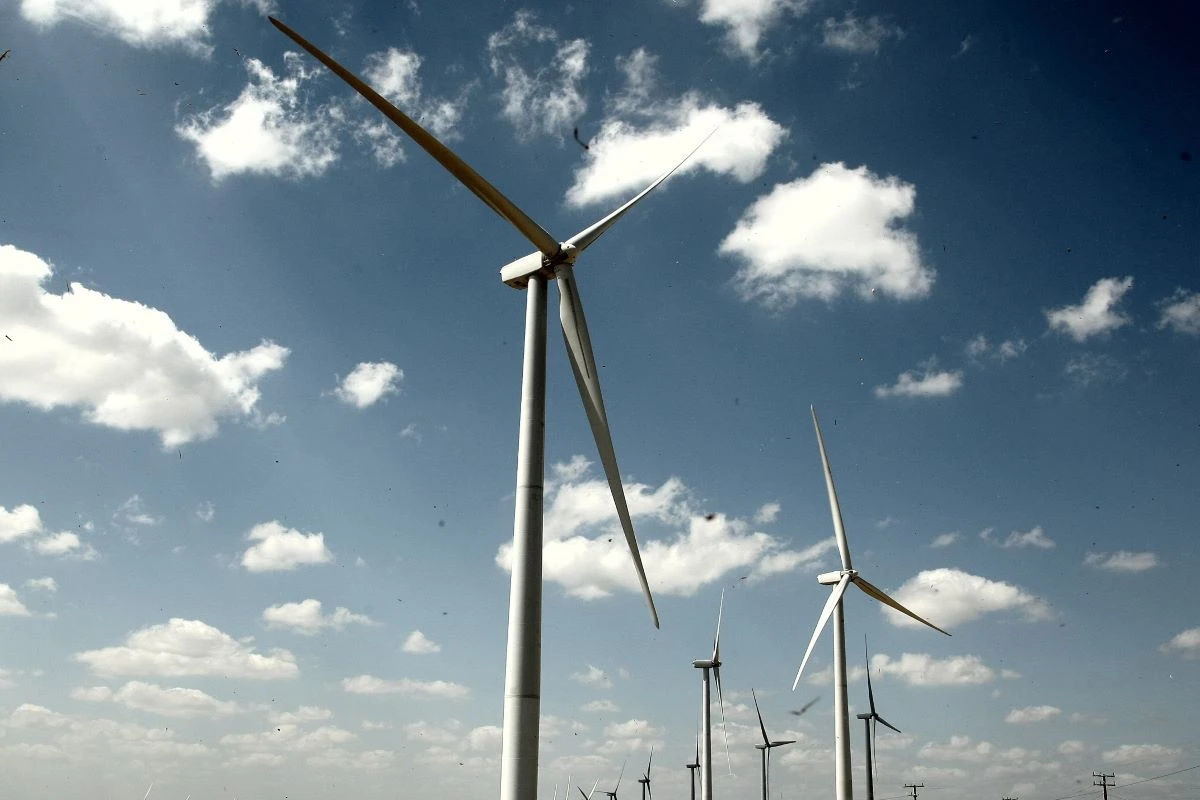
Urgent energy transition: Greenpeace advocates for massive investments and points to Brazil as a global leader in wind energy production in the coming years.
-
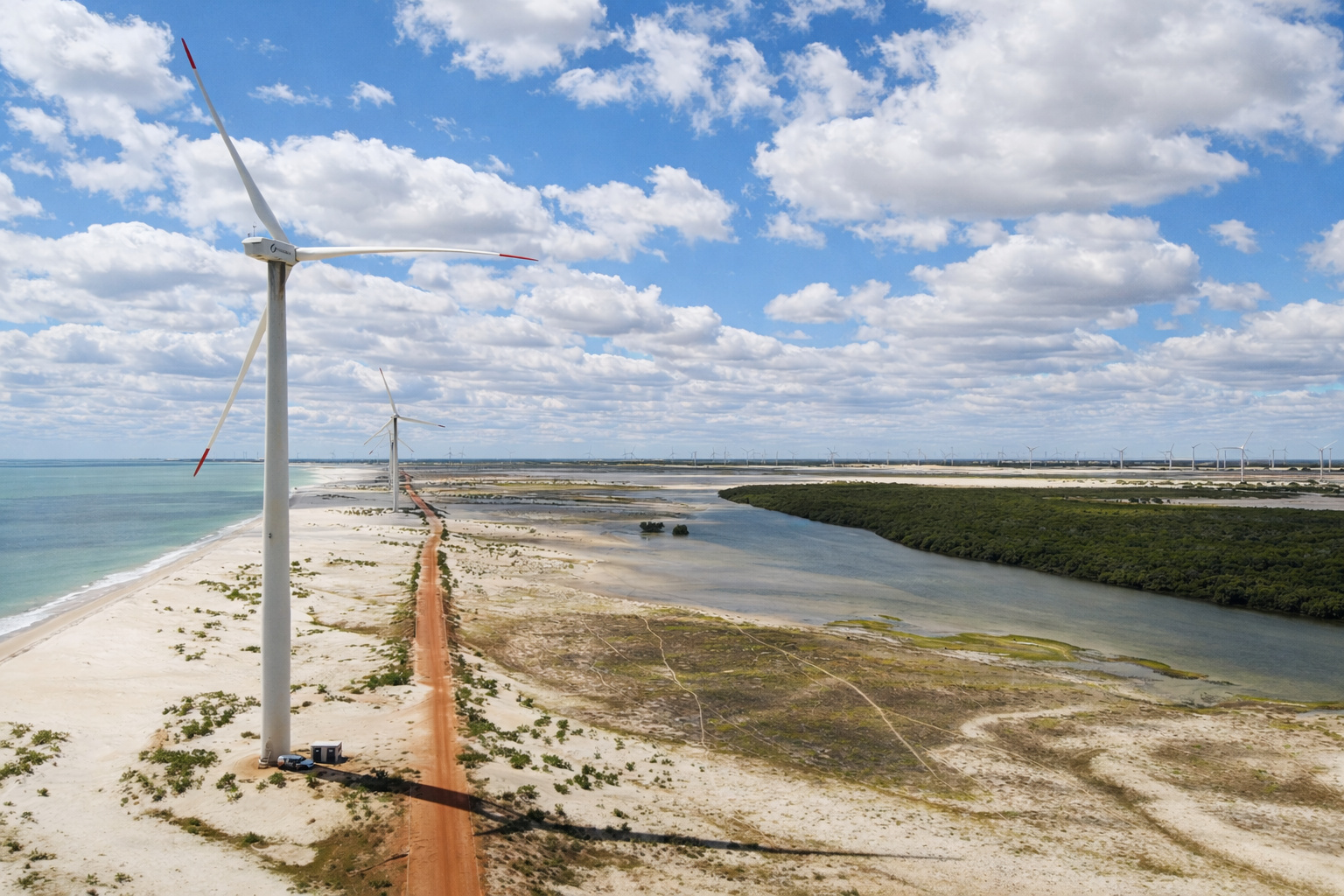
Conflict in the Sertão: Rural communities in Rio Grande do Norte report issues with wind farms and the new challenges of clean energy in the semi-arid region.
-
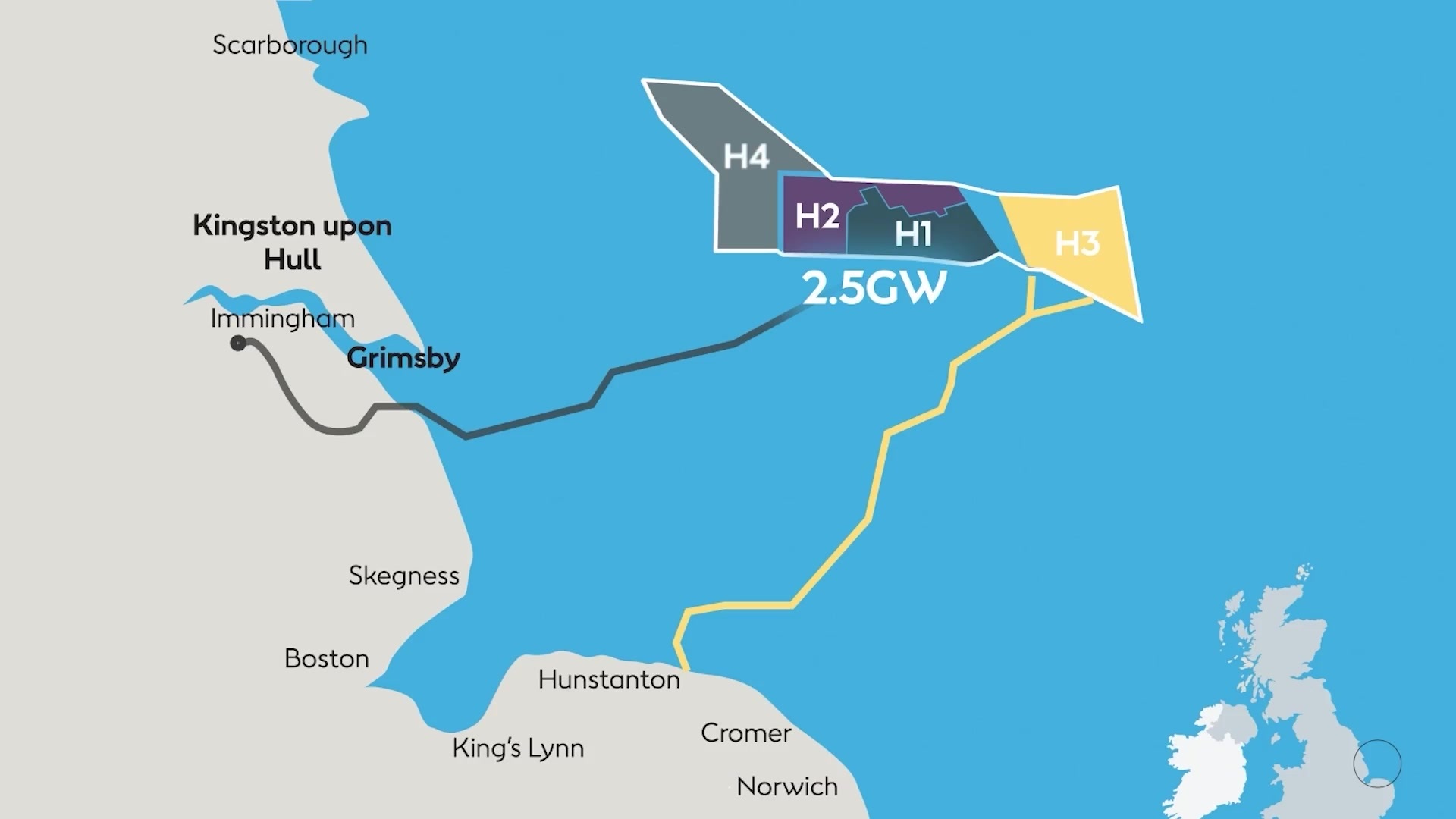
231 turbines of 260 meters at 160 km from the coast, monopiles weighing as much as nine blue whales embedded in the North Sea, and a crane ship taller than the Eiffel Tower: Hornsea 3 will be the largest offshore wind farm on the planet by 2027, and its first components have already arrived in England.

In recent years, the Brazilian wind sector has faced a series of challenges, with a slowdown in demand for wind turbines and a consequent reduction in production.
In 2022, GE Renewable Energy announced the suspension of the manufacturing of new wind turbines in Brazil, which already raised concerns about the future of the Suape factory.
Additionally, other companies in the sector are also facing similar difficulties.
In 2023, Siemens Gamesa, another giant in the wind sector, announced the hibernation of its factory in Camaçari, Bahia, in response to the decreased demand for wind turbines.
In 2024, WEG, a Brazilian equipment company, also halted the production of wind turbines in Jaraguá do Sul.
Recently, Aeris Energy, one of the main suppliers of wind blades, laid off 700 employees, reflecting a drop in production and supply of components for the sector.
These events indicate that the wind market in Brazil is still facing a period of contraction and uncertainties.
The Impact on the Local Economy of Pernambuco
The closure of the wind blade factory of GE Vernova in Pernambuco will have a direct impact on the local economy.
The factory, located in Suape, is one of the main sources of employment in the region, and the layoffs will affect not only the factory workers but also the suppliers and partner companies that depend on the production of wind blades to operate.
The loss of such a significant factory for the wind sector may harm Pernambuco’s competitiveness, which has heavily invested in the wind industry as one of the main sources of sustainable development and job creation.
With the reduction of activities at the wind blade factory in Suape, the state of Pernambuco will need to seek alternatives to compensate for the job losses and mitigate the economic impact caused by the sector’s downturn.
For many families, the dismissal of a thousand employees represents a considerable challenge that will require public policies and actions from the government to assist in professional transition and adaptation to the new economic scenario.
With information from Terra.









-

Uma pessoa reagiu a isso.