





 Portuguese
  English
  Spanish
  5 min of reading
  0 comments


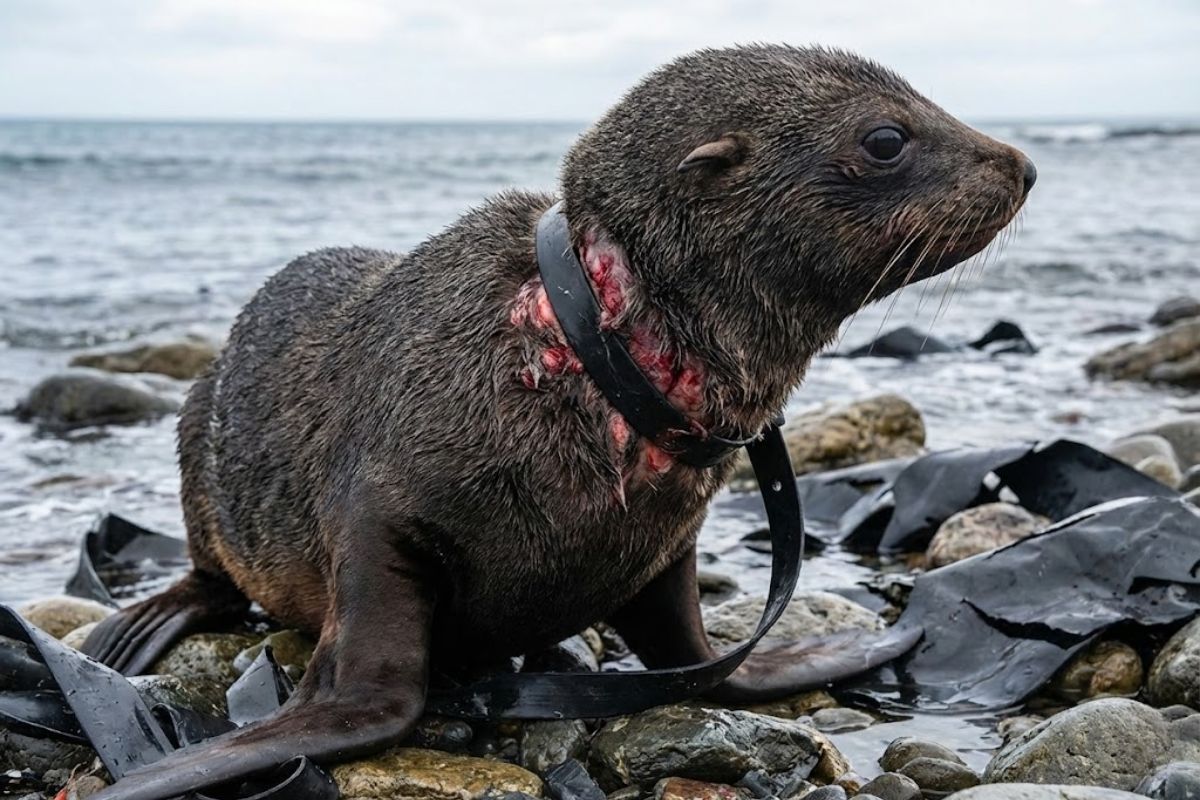
In The Water, A Seal Ring And A Black Plastic Wrapping Tape Were Embedded In The Body Of A Young Seal, Almost Invisible In The Wet Fur. The Team Saw A Label, Used A Hook To Tear Off The Material And Warned: The Problem Is Not Color, It Is Too Much Plastic.
The plastic Almost Made A Pup Disappear In Front Of Trained Eyes. In The Midst Of The Group, It Passed Quickly, And The Search Turned Into A Cruel Game Of Seconds: “Far Left,” “Now Between Me And Hawaii,” “On Top Of The Rock, Behind The Woman.” The Decisive Clue Was Minimal: A Tiny Piece Of Label.
When They Finally Located The Pup, The Shock Came From The Detail: The Black Plastic Was Hard To See, And That Was Exactly What Made It So Dangerous. The Team Realized It Was Not “Just Garbage In The Sea,” It Was A Type Of Trap That Gets Stuck, Tightens, And Worsens Over Time, Especially When There Is No Quick Rescue.
The Moment When The Pup Almost Disappears
The Scene Begins With A Simple And Frightening Problem: Losing Sight Of A Pup In The Sea. It Blends In With The Environment, Changes Position, Passes Behind People And Rocks, And Every Reference Becomes A Landmark To Try To Keep The Animal In View.
-
These living root bridges and ladders are over 700 years old and help indigenous people survive in one of the rainiest regions in the world.

-
From sertanejo star to international investor: Ana Castela invests millions in a mansion in the USA, creates a themed accommodation in Orlando, and shows that the “boiadeira” also wants to grow away from the stage.

-
The 10 most stunning motorhomes in the world: a $3 million trailer with a rooftop nightclub and garage for a Ferrari, “palaces on wheels” with Italian marble, private cinema, and five-star hotel luxury for billionaires.

-
Trump wanted to spend $400 million on the White House, but the courts prohibited the million-dollar construction.


The Tension Grows Because, There, Any Delay Becomes An Advantage For The Plastic To Keep Tightening Without Anyone Noticing.
What Makes This Search So Difficult Is The Contrast Between Movement And Camouflage. The Pup Is Wet, The Scene Is Confusing, And The Material Stuck To It Doesn’t “Scream” In The Landscape.
The Result Is A Rescue That Depends On Extreme Attention And A Nearly Accidental Find.
What Was Stuck And Why Is This So Serious

What The Team Found Was Not A Large And Obvious Object. It Was A Combination: A Black Plastic Wrapping Tape And A Black Rubber Ring, Described As “Seal Ring” And Also As A “Rubber O”.
The Former, According To Them, Looked Like A Black Strip. And When They Tried To Act, The Conclusion Was Immediate: “It’s Cutting A Lot.”
This Detail Changes Everything Because It Reveals How Plastic And Similar Components Can Become Instruments Of Entrapment. It Doesn’t Have To Be A Huge Net. A Ring, A Gasket, A Strip, Something That Escapes The Eye, Is Enough To Turn The Animal’s Body Into A Point Of Continuous Pressure. And The Warning Is Direct: When There Are No Frequent Visits, The Situation Tends To Worsen A Lot Over Time.
The Rescue: Hook, Traction And The Fight Against The Material
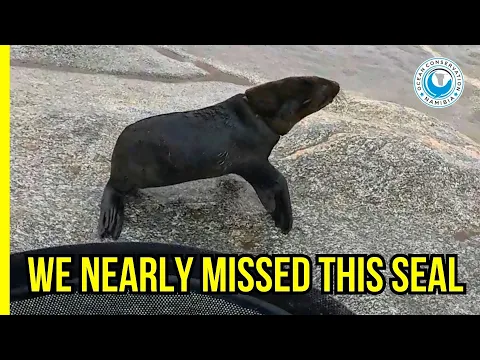

The Strategy Is Practical And Urgent. Someone Identifies “A Gasket, A Seal Ring” And The Order Comes: “Grab The Hook”.
The Team Tries To Fit, Pull, And Tear Off The Plastic Carefully Enough To Free The Pup, But Fast Enough To Prevent The Tightening From Continuing.
The Problem Is That The Material Doesn’t “Cooperate.” Under Normal Conditions, They Say, These Rings Don’t Cut So Badly Because They Stretch. But There, In Real Life, With Water, Time, And Friction, The Result Was A Bad Cut. The Pup Was Lucky: It Was Seen In Time, And The Team Managed To Free It.
Why Black Plastic Becomes An Almost Invisible Trap
The Most Disturbing Point Is Not Just That Plastic Exists, But How It Hides.
The Team Itself Reinforces: The Black Plastic Was Almost Invisible In The Wet Fur, Hard To Detect Even For Trained Eyes. This Means The Threat Could Be There, In The Animal’s Body, And Still Go Unnoticed By Those Watching From Afar.
And Then A Common Question Arises: “Would Colored Plastics Save More Animals?”
The Answer Comes Honestly: It Might Help In Some Cases Because It Would Facilitate The Identification Of The Tangle. But That Doesn’t Address The Core Of The Problem.
The Problem Is Not The Color: It Is The Ocean Drowned In Plastic
The Harshest Words Are Also The Most Direct: The Plastic Is The Most Numerous And Persistent Component Of Ocean Pollution, Representing At Least 85% Of All Marine Waste.
And That’s Where The Story Of The Pup Stops Being “An Exciting Rescue” And Becomes An Accusation Against A Collective Habit.
Changing The Color Of Plastic May Even Make Some Cases More Visible, But It Doesn’t Stop Tapes, Rings, Strips, And Packaging From Continuing To End Up In The Sea.
What The Team Advocates, Without Beating Around The Bush, Is A Change Of Scale: We Don’t Need More Colorful Plastics; We Need Less Plastic Waste.
The Part That Almost No One Sees: Most Do Not Have This Luck
The Pup Was Found Because Someone Saw A Detail, A Label, A Minimal Signal. However, The Conclusion Is Bitter: The Majority Do Not Have This Luck.
If No One Sees, No One Cuts. If No One Visits Frequently, No One Notices The Tightening Getting Worse. The Plastic Continues To Do Its Silent Work, Without Alarming, Without “A Big Scene,” Just Consequence.
And That’s What Turns The Ocean Into “A Silent Deadly Trap Every Day”: It Is Not A Rare Event, It Is Repetition. A Disposable Object Becomes A Lasting Threat Because It Remains, Circulates, And Encounters A Living Body Along The Way.
What This Story Requires Us To Face
This Story Has A Simple And Uncomfortable Message: The Plastic That Vanishes From Our Routine Does Not Disappear From The World. It Moves Address.
And When It Reaches The Sea, It Can Become Tape, Ring, Gasket, Any Small Format Enough To Escape The Eye And Dangerous Enough To Entrap An Animal.
The Pup Was Freed, But The Warning Remains Intact. The Real Solution Is To Reduce Waste, Face The Dependence On Disposables And Demand Responsibility From Producers And Discarders.
Because In The End, The Ocean Does Not Need “Better Camouflage” Or “More Striking Colors.” It Needs Fewer Traps.
Have You Ever Stopped To Think That A Small Piece Of Plastic Could Be The Difference Between A Pup Surviving Or Disappearing In The Sea Without Anyone Noticing?








-

-

4 pessoas reagiram a isso.