





 Portuguese
  English
  Spanish
  3 min of reading
  0 comments


How The Advancement Of Renewable Sources In Factories, Led By Self-Generation And Energy Efficiency, Is Already Reducing Costs, Emissions And Regulatory Risks In Brazil
From now on, the adoption of renewable energy by the Brazilian industry gains scale and relevance. According to research by the National Confederation of Industry (CNI), released in 2024, 48% of companies stated they invest in sources such as hydropower, wind, solar, biomass, and low-carbon hydrogen, a consistent advancement compared to 34% in 2023. Thus, right at the beginning of the text, it becomes clear that the industrial energy transition is no longer a trend but has become a practice.
In this context, self-generation emerges as the most adopted strategy. According to the CNI survey, 42% of industries that migrated to renewables chose to produce their own energy. Furthermore, 50% of companies cited cost reduction as the main motivation. Therefore, while reducing expenses, the sector enhances predictability and operational resilience.
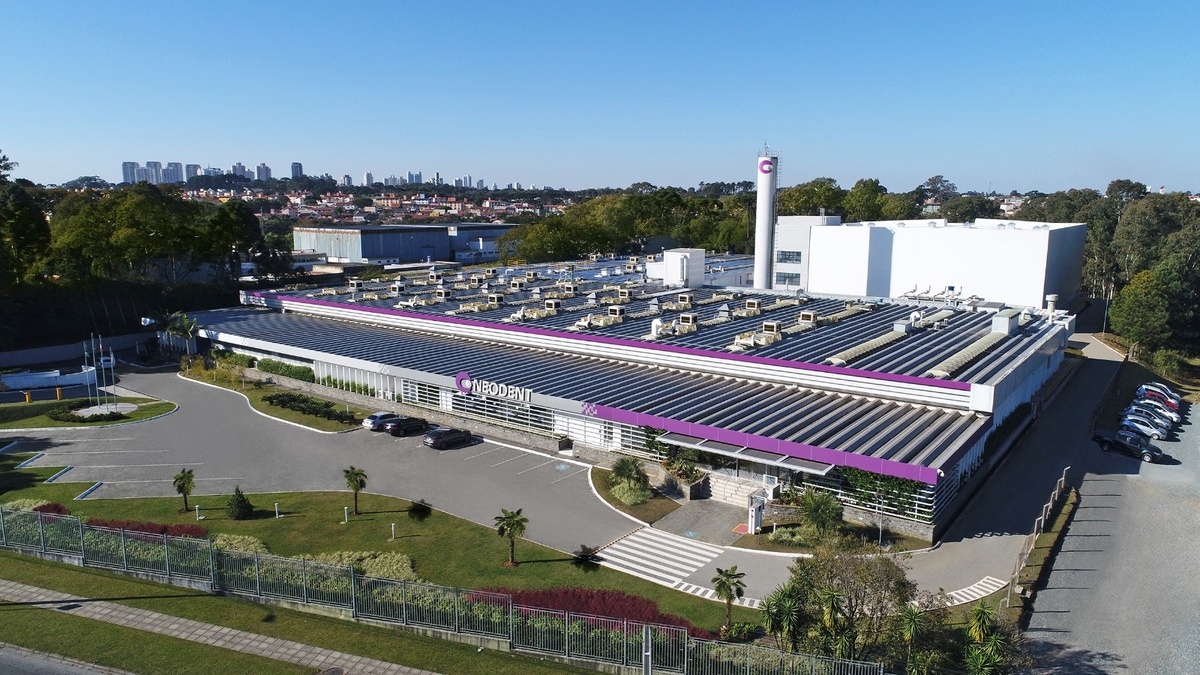
Meanwhile, Neodent, the Brazilian leader in dental implants, presents concrete results. Since 2019, the company has operated with 100% clean energy in the Free Energy Market. Additionally, starting in 2023, it implemented a photovoltaic system in its factory in the Industrial City of Curitiba. Thus, between 2024 and 2025, the company has already generated about 700 MWh, reinforcing the immediate positive impact.
-
A Canadian retiree creates a hydroelectric system on a real river, generating energy continuously throughout the day and demonstrating how the power of water can supply a house with stability even in a simple structure.

-
Petrobras reaffirms its commitment to the market and ensures that it will carry out the energy transition safely to maintain national sovereignty.

-
Researchers discover a possible hydrogen deposit of up to 46 million tons beneath an ancient coal basin, and the volume could exceed half of the entire global production.

-
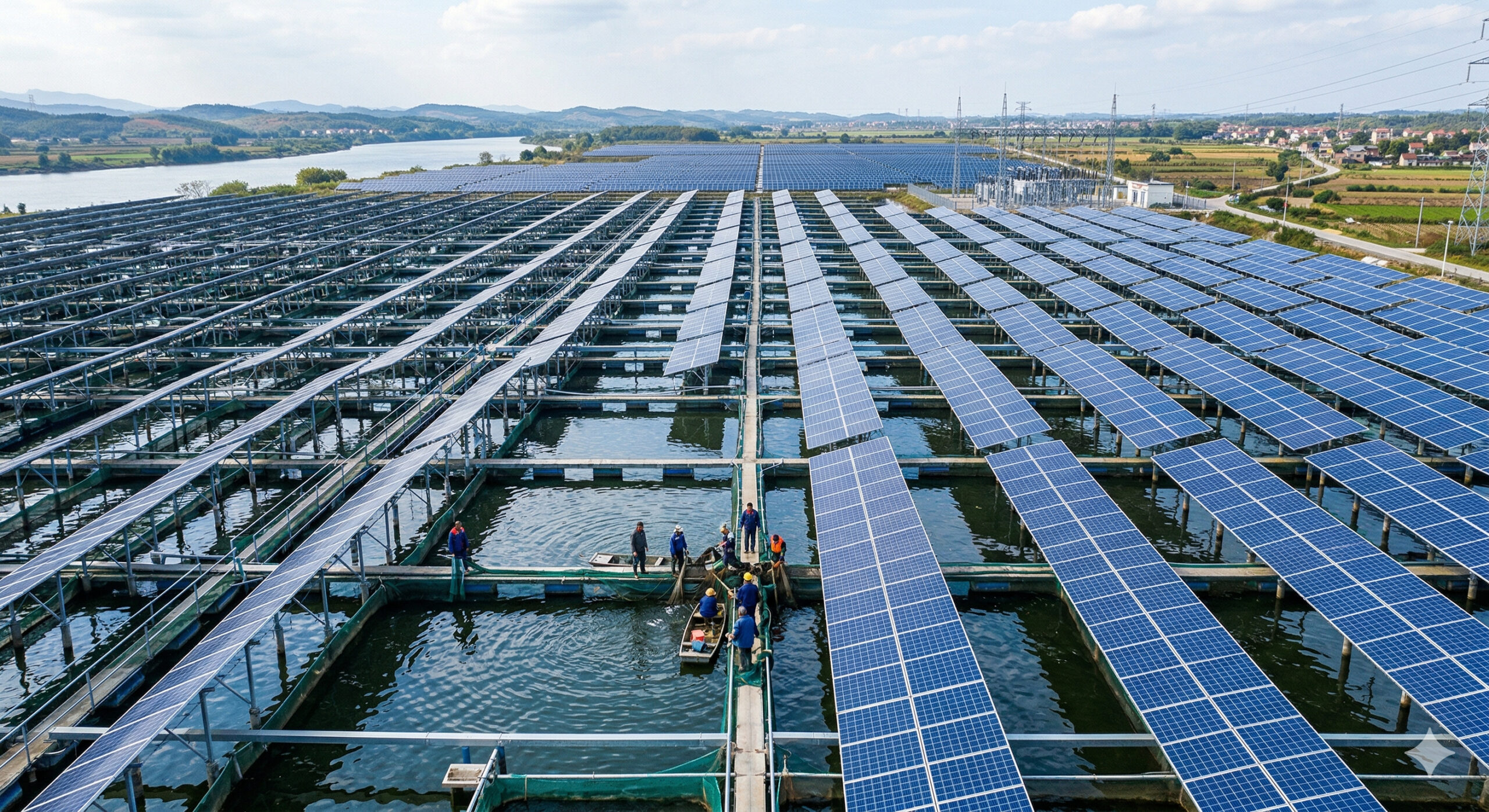
China bets on the Fishery-PV model and transforms fish farms into giant solar plants, covering ponds with panels that generate energy while utilizing the same space for large-scale aquaculture production.

At the same time, considering an annual average of 350 MWh, the volume produced would be sufficient to supply approximately 150 households per year. Thus, in addition to the environmental gain, the initiative highlights measurable social benefits. Nonetheless, the project integrates a broader vision of energy efficiency and cost predictability.
In the industrial plant, 2,200 square meters of solar panels were installed, with an annual capacity of 440 MWh. Since the beginning of operations, the generated energy is fed into the Copel grid, the main distributor in Paraná. At the same time, the operation in the Free Energy Market involves the exclusive acquisition of renewable energy, sourced from small hydroelectric plants, biomass, wind, and solar, as well as the purchase of certificates that ensure traceability.
On the other hand, the energy transition occupies a central position in Neodent’s ESG strategy. Thus, the adoption of clean sources reduces greenhouse gas emissions, strengthens the governance, and connects industrial innovation to environmental responsibility. Consequently, the company reinforces its public commitment to be Net Zero by 2040, a goal aligned with global regulatory requirements.
“Sustainability, for us, is not a one-off project, but a decision-making driver,” says Raphaela Borba, Sustainability Director at Neodent. According to the executive, by integrating clean energy into operations, the company gains efficiency, reduces risks, and prepares for an increasingly stringent industrial environment.
Moreover, the CNI study indicates that, in 2024, 25% of industries began to prioritize renewables as a direct vector of decarbonization. At the same time, technological innovation as a climate strategy advanced from 14% to 20% during the period. In this scenario, Neodent’s experience anticipates trends and demonstrates simultaneous environmental and economic gains.
Finally, the company’s climate commitment has been recognized by the Climate Seal Paraná, a public state record provided for in the State Policy on Climate Change. Between 2022 and 2025, the company voluntarily participated in the program in the category of Large Industries / External Market, reinforcing transparency, emission monitoring, and mitigation. Thus, even in a non-carbon-intensive sector, the dental industry expands its positive influence on global supply chains, strengthening competitiveness and accelerating the decarbonization of the Brazilian industry.









-

-

3 pessoas reagiram a isso.