





 Portuguese
  English
  Spanish
  4 min of reading
  0 comments


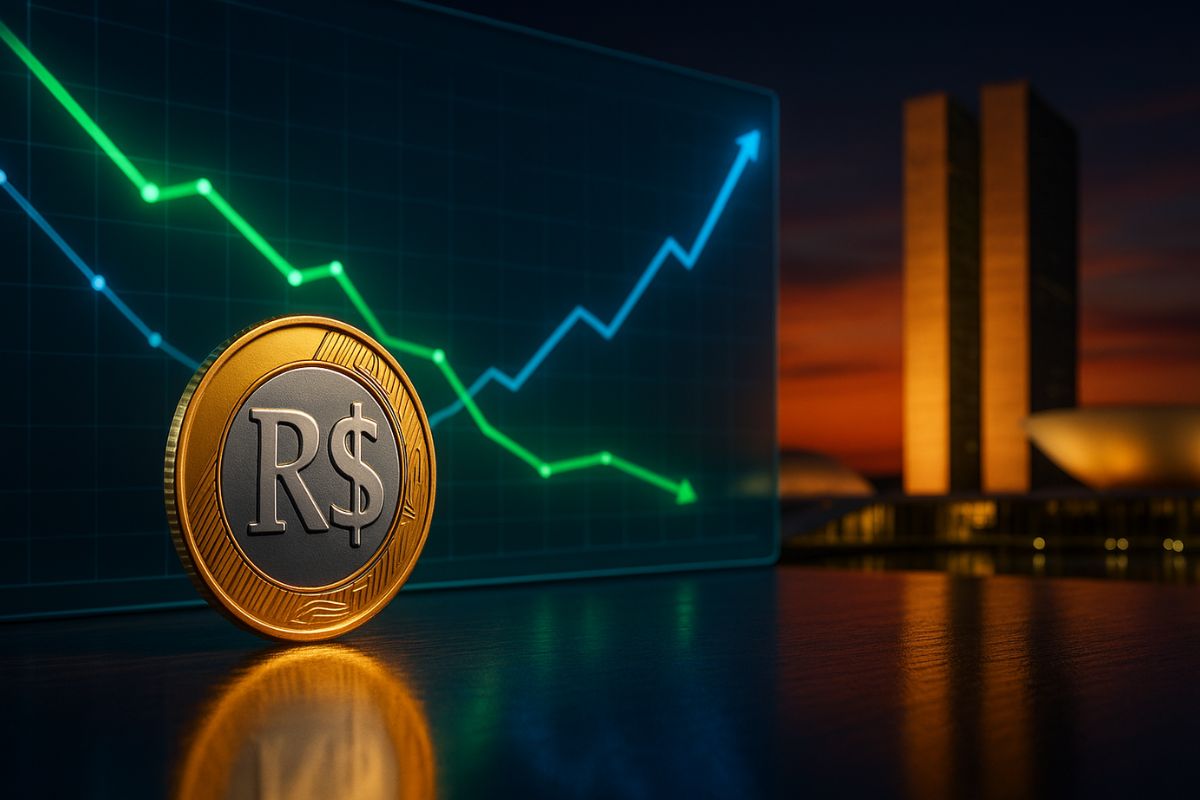
Deflation in August, Driven by the Itaipu Bonus and Drop in Electricity Prices, Strengthens Expectations for Interest Rate Cuts and Revives Debate on Economic Recovery.
The drop in inflation recorded in August marked a turning point in the Brazilian economic scenario. The official index (IPCA) showed a negative variation, a direct reflection of the Itaipu bonus and the 4.2% reduction in electricity bills. According to Veja, about 80 million Brazilians received an average discount of R$ 11.60 on their bill, a decisive factor for the result. The relief not only reduced the price index but also opened concrete space for the Central Bank to consider the first rate cut of the Selic in 2026.
This movement has a direct impact on growth expectations. The Selic rate, maintained at 15% per year, is seen as the biggest obstacle to the expansion of credit and consumption.
The possibility of early cuts revives the perspective of economic recovery as early as next year, even amid the fiscal challenges still surrounding the government.
-
The largest food company on the planet, JBS, has just opened a 4,000 square meter laboratory in Florianópolis to develop customized proteins that modulate muscle mass gain, immune response, and metabolic performance.

-
After nearly 30 bids and competition among industry giants, a Spanish company purchases one of the largest airports in Brazil for almost R$ 3 billion and takes over the management of Galeão in a concession that will last until 2039.

-
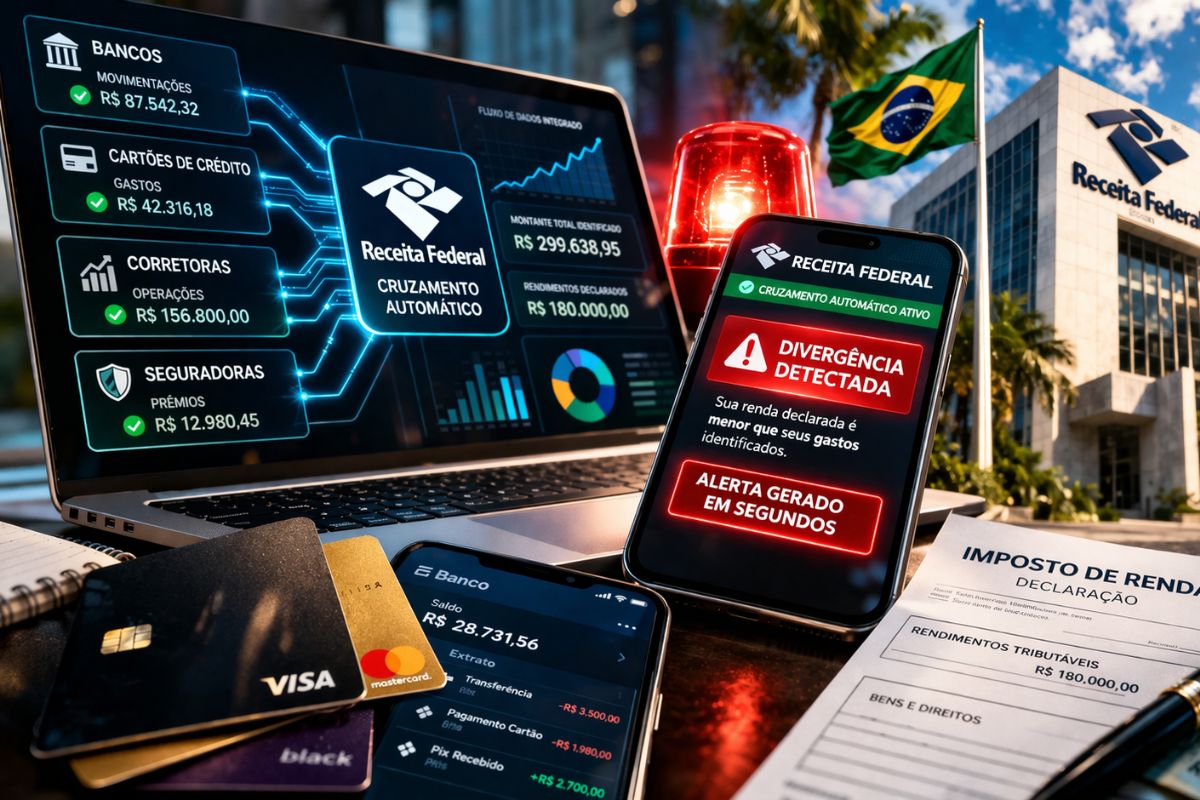
The Federal Revenue Service now automatically cross-references everything you declare with data from banks, credit cards, brokerage firms, and insurance companies, and any discrepancy between your income and your expenses triggers an alert in seconds.
-
Amid global tensions, Brazil blocks the United States’ proposal at the WTO and paves the way for a trade crisis and possible retaliations.


Who Benefits from Falling Inflation
The reduction in inflation directly benefits consumers and businesses. Essential items, such as rice, meat, coffee, and eggs, have recorded deflation for the third consecutive month, a result of the Brazilian super harvest and increased domestic supply.
At the same time, the appreciation of the real against the dollar, which has fallen by 12% since January, helped to lower the cost of imports and inputs, reinforcing the relief on prices.
From an international perspective, the Federal Reserve (Fed), the central bank of the United States, is also expected to start cutting interest rates, which reduces pressure on the exchange rate.
According to economist André Valério from Banco Inter, “lower interest rates in the United States help Brazil to cut the Selic without deteriorating the exchange rate”. This external alignment favors Brazilian monetary policy.
What Still Concerns in the Internal Scenario
Despite the overall price relief, the service sector continues to put pressure on inflation. Restaurants, school fees, beauty salons, and maintenance services have accumulated a rise of about 6% over the past 12 months, exceeding the IPCA index.
Since these segments are linked to income and employment, their slowdown tends to be slower.
Another point of concern is the fiscal situation. Experts warn that without a balance between public spending and revenue, the drop in inflation could be unsustainable.
This means that, besides the price trajectory, investor confidence in the government’s fiscal discipline will be crucial to allow for more consistent Selic cuts.
Where the Selic Could Start to Drop
The debate now is about the timing. A faction of analysts believes that the Copom could start cuts as early as December, while most expect them to begin between January and March 2026.
The expectations reinforce the view that the monetary policy led by Gabriel Galípolo, the president of the Central Bank, is beginning to gain confidence after months of market skepticism.
The Focus Report confirms this trend: there have been 14 consecutive cuts in inflation projections, with the IPCA for 2025 dropping from 5.6% in March to 4.8% in September, below the upper limit of the target of 4.5%. The improvement in projections strengthens the perception that the environment is more favorable than at the beginning of the year.
Why Falling Inflation is Crucial for 2026
Controlled inflation is the essential condition for reducing interest rates. With a lower Selic, credit becomes more accessible, consumption gains strength, and investments are resumed, stimulating economic growth.
Historically, each cycle of falling Selic in Brazil has been associated with phases of more vigorous expansion.
If confirmed, the turning point in the monetary cycle could mean a 2026 marked by greater economic dynamism, with relief for indebted families, stimulation for the productive sector, and improvement in the business environment.
However, it all depends on the combination of responsible fiscal policy, maintenance of international confidence, and continuation of the inflation deceleration trajectory.
The drop in inflation in August brought not only immediate relief to Brazilians’ wallets but also a concrete possibility of cutting the Selic in 2026.
This movement could redefine the directions of the economy, anticipating the resumption of growth and increasing optimism in strategic sectors.
And you, do you believe that the reduction of the Selic in 2026 will be enough to accelerate Brazil’s growth? Or do you think that fiscal and structural challenges will weigh more than the drop in inflation?
Leave your opinion in the comments; we want to hear from those who closely follow the impacts on the day-to-day economy.







-

-

4 pessoas reagiram a isso.