





 Portuguese
  English
  Spanish
  2 min of reading
  0 comments


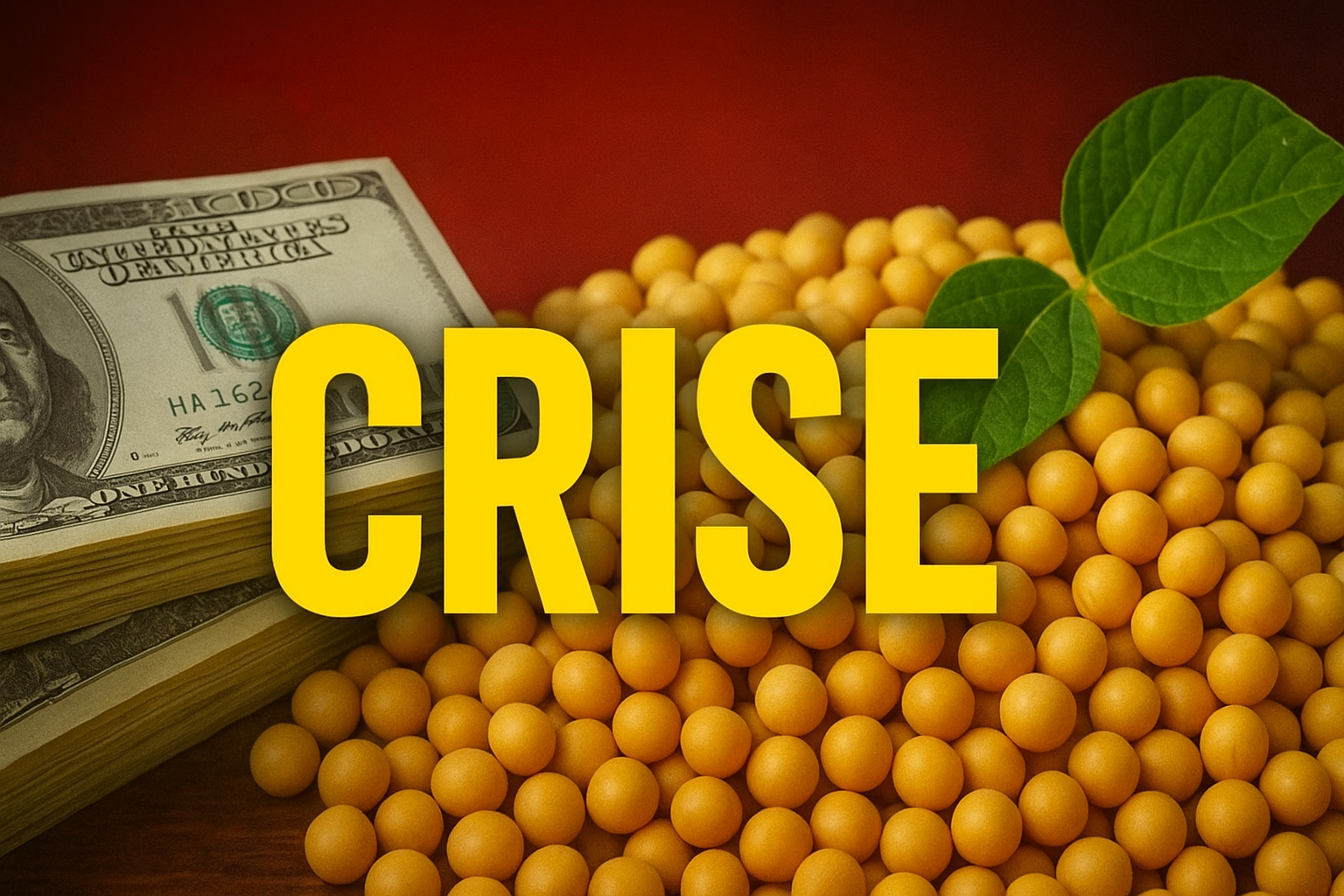
Dollar Drop Limits Soybean Negotiations in Brazil and Pressures the Agrobusiness. See Conab Estimates for the 2025/26 Crop.
Falling Dollar Halts Soybean Business and Worries Producers
The appreciation of the real against the dollar has put pressure on soybean negotiations in Brazil. The scenario, which began to gain strength in September, is already affecting the national agribusiness, limiting sales in the domestic market and weakening export parity.
According to analysts from Cepea (Center for Advanced Studies in Applied Economics), the depreciation of the US currency has reduced the competitiveness of Brazilian grain in the international market.
Thus, some agents are taking advantage of specific opportunities, while another group remains cautious, waiting for clearer signs about the direction of the global economy.
-
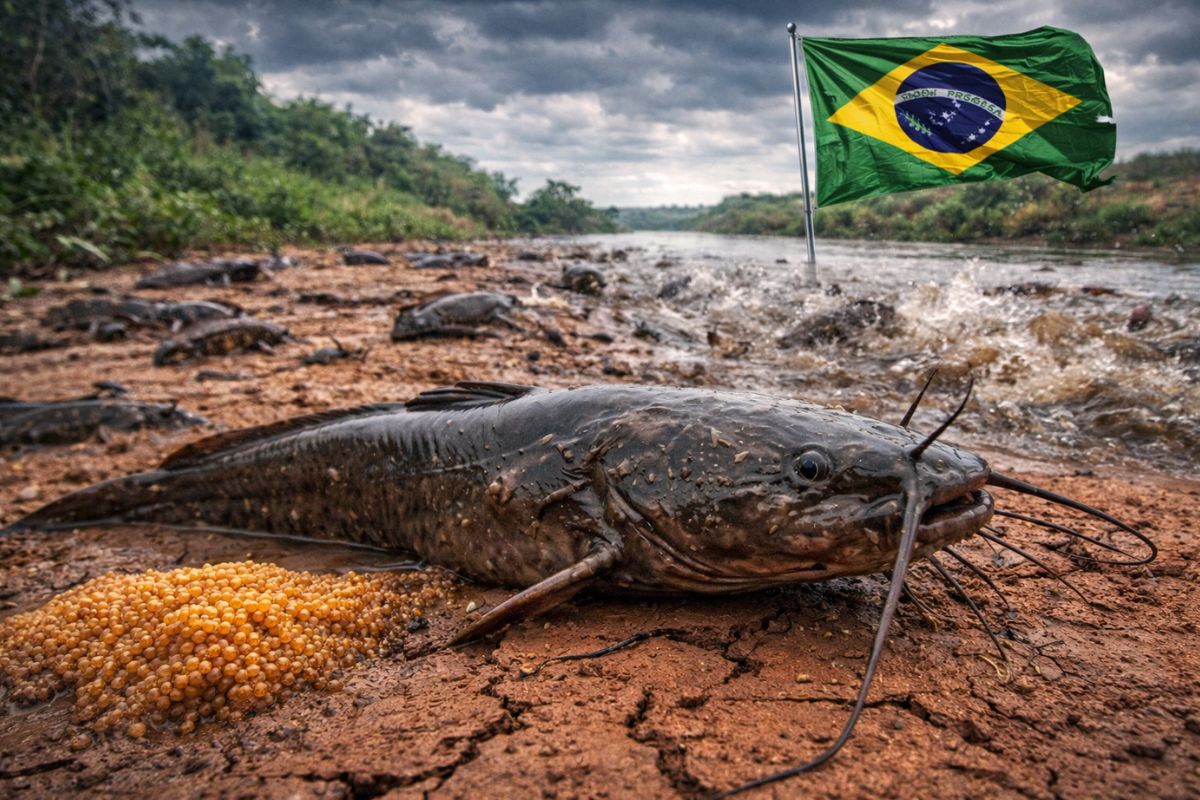
A fish that survives out of water, crawls on land until it finds another river, and whose female lays 80,000 eggs at once is infesting rivers and lakes in Brazil, and no one can stop this invasion.
-
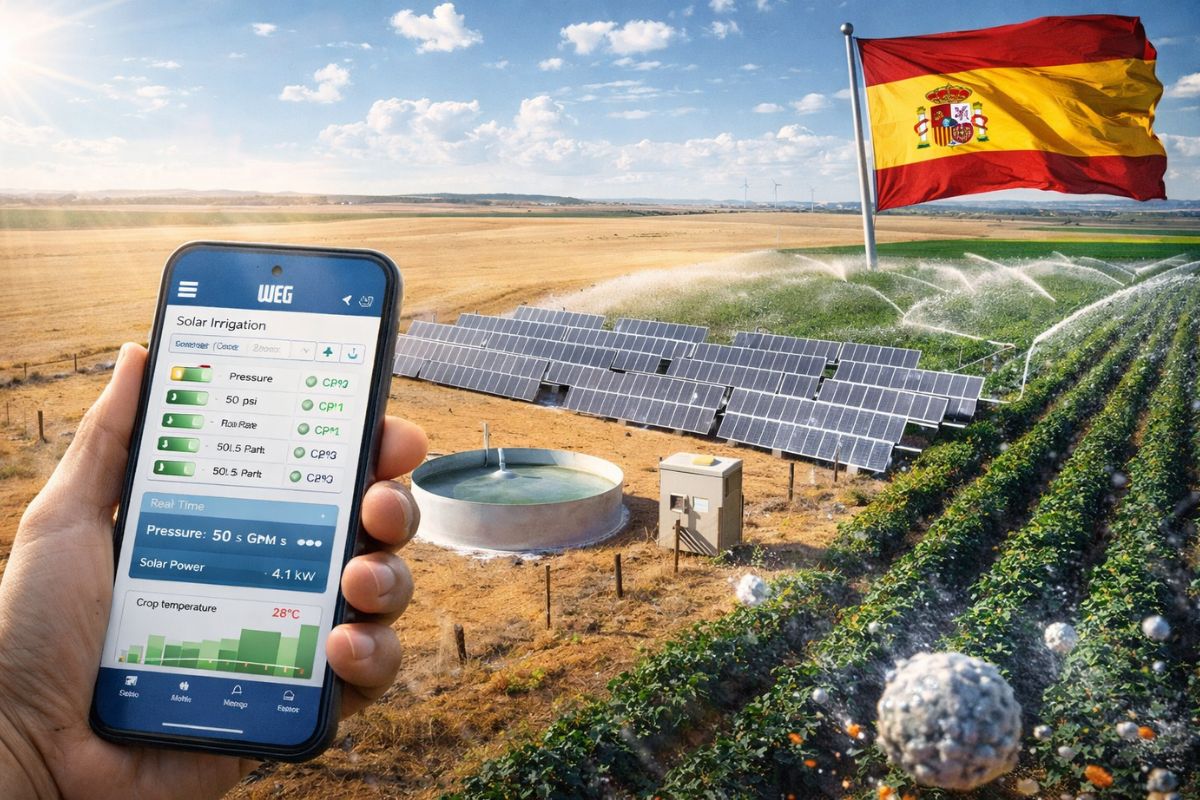
WEG took its technology to Spain to create a solar irrigation system that operates independently without needing an electrical grid, and now farmers control everything remotely via their mobile phones.
-
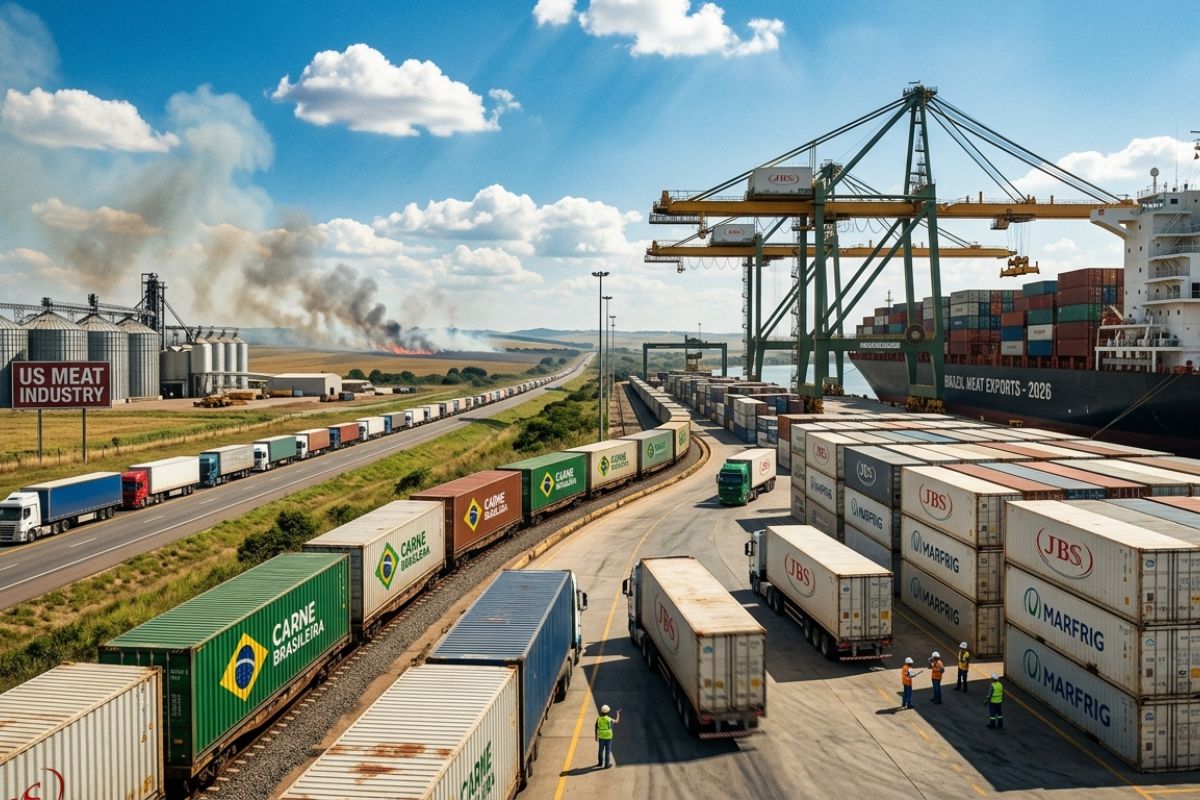
The US faces a meat crisis with fires, pests, and strikes, consumption rises and supply falls to the lowest level since 1952, creating a billion-dollar opportunity for Brazilian exports to grow in 2026.
-
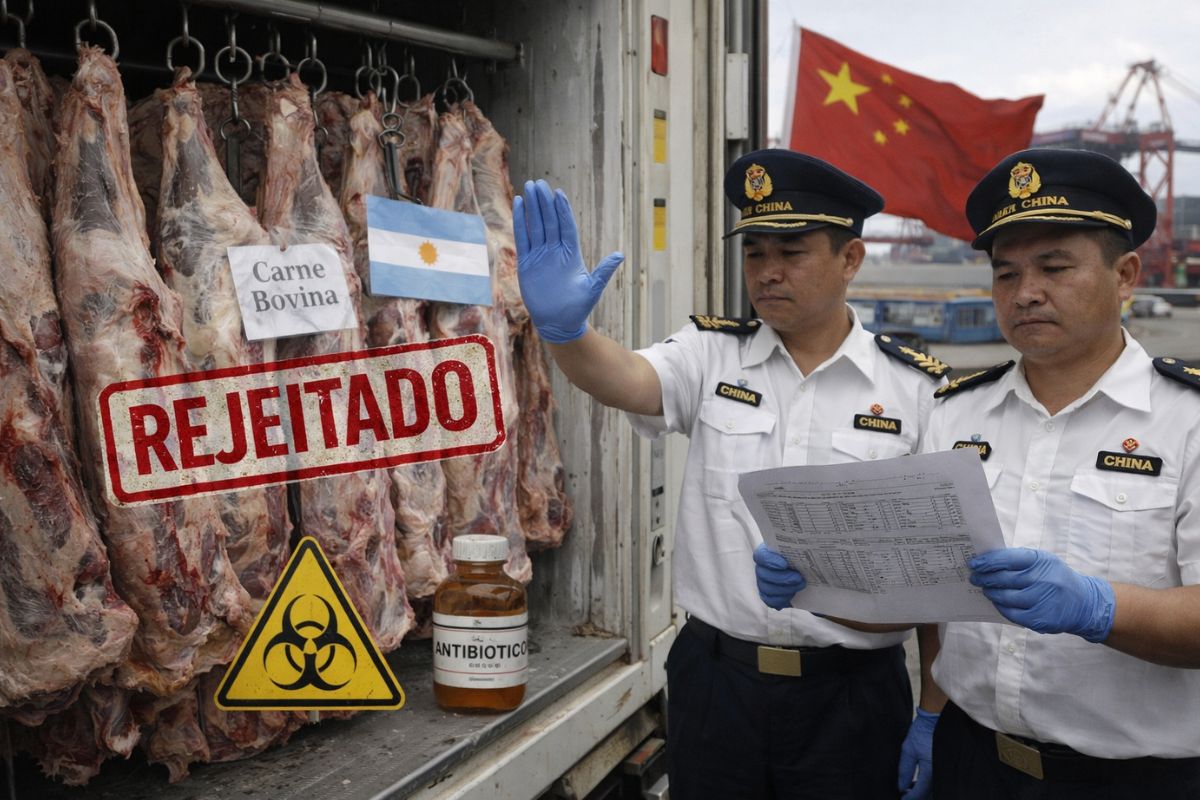
China rejected an entire shipment of beef from Argentina after detecting an antibiotic so dangerous that it has been banned for human consumption for over 30 years, and now the export sector is facing a crisis of international trust.

2025/26 Soybean Crop May Hit Record in Brazil
Alongside exchange rate fluctuations, the National Supply Company (Conab) released the first estimate for the 2025/26 crop. Brazil is expected to reach a record 49.08 million hectares planted with soybeans, which could result in 177.6 million tons of the oilseed.
This number is more optimistic than that of the United States Department of Agriculture (USDA), which projects a production of 175 million tons.
This data reinforces Brazil’s position as the largest global producer of the commodity, despite the difficulties related to currency negotiations.
Interest Rates in Brazil and the US Influence Dollar Inflows
Another crucial point for understanding the current scenario is the behavior of interest rates. In the United States, there was a reduction of 0.25 percentage points, which tends to decrease the attractiveness of the dollar there.
In Brazil, the rate remains stable at its highest level since 2006, acting as an attraction for foreign investors.
This movement may bring more dollars to the Brazilian market, strengthening the real and consequently putting even more pressure on the exporting agribusiness, especially soybeans.
Producers Attentive to the Market and the Crops
Meanwhile, producers and trading companies are divided between prudence and seizing opportunities. Some of them are betting on holding contracts, observing the progress of the harvest in the United States and the development of the crop in Brazil.
Others prefer to negotiate even amid the falling dollar, fearing that internal prices may face further reductions in the coming months.
What to Expect from Soybean Negotiations in the Coming Months
The trend, according to experts, is that negotiations will remain slow until there is greater clarity about international monetary policy and the pace of the harvest in the two largest global players: Brazil and the United States.
Still, with a record planting area and high production forecast, the country should maintain its leadership in the global agribusiness sector. The challenge lies in balancing exports amid dollar volatility.








Seja o primeiro a reagir!