





 Portuguese
  English
  Spanish
  2 min of reading
  0 comments


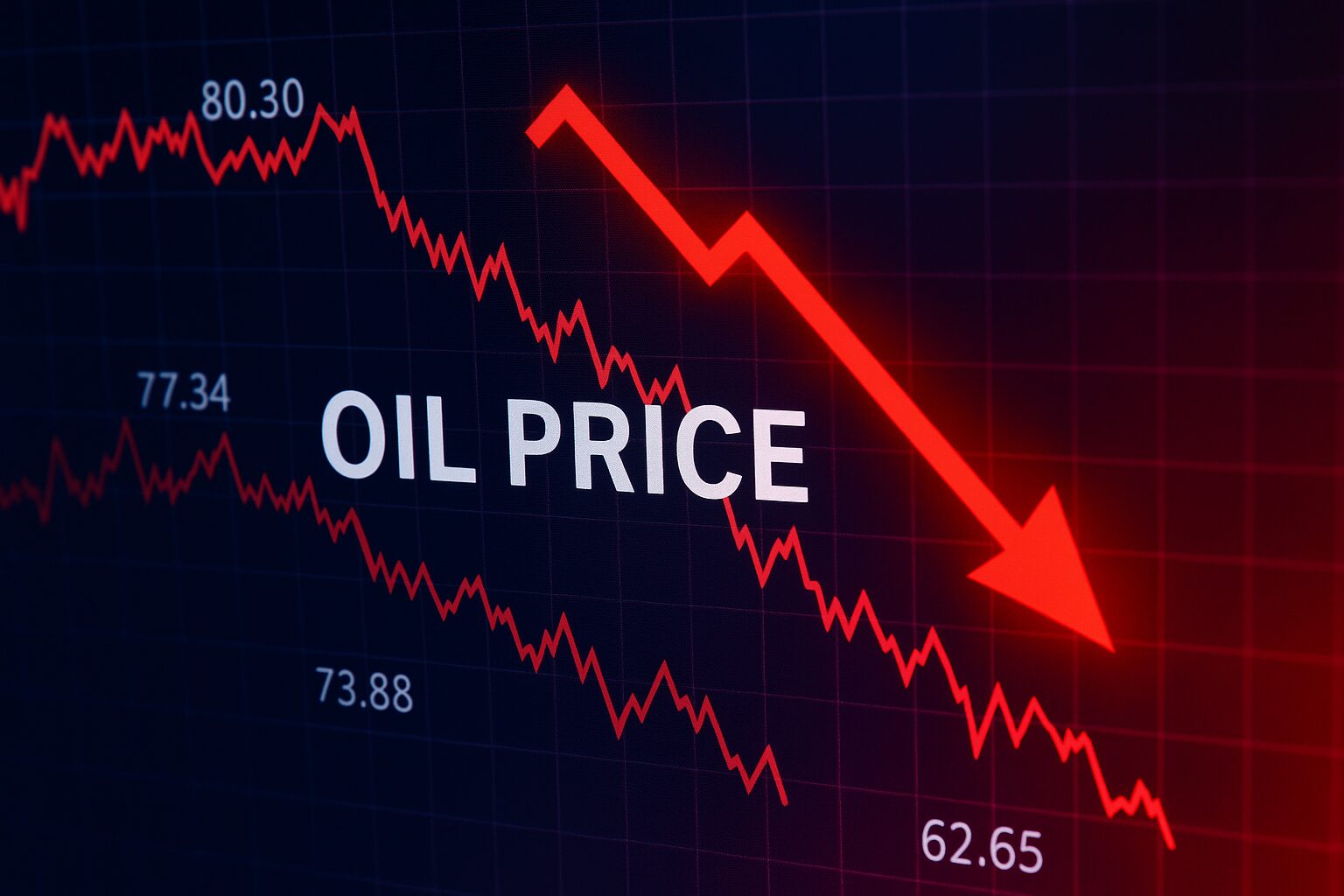
Drop Of More Than 3% In Oil Price Pressures Markets, Amid Rumors Of Possible Deal Between US And Iran
Thursday began with instability in international markets. On a day with few relevant indicators, investors turned their attention to the drop in oil prices.
Brent crude prices fell about 3.2% this morning, trading at US$ 64. Meanwhile, the WTI barrel, a reference in the United States, dropped 3.5% to US$ 61.
The main cause for the decline is the possibility of a new nuclear deal between the United States and Iran. According to statements from U.S. President Donald Trump, the two countries are close to a resolution that could lead to the lifting of trade sanctions against Iran.
-
Lula reveals a masterstroke by Petrobras to undo a deal made by Bolsonaro, which involves the return of an important refinery that currently produces less than half of what was expected and makes Brazil dependent on international diesel.

-
A study confirms that the natural gas sector will reduce greenhouse gas emissions in Brazil by 0.5% and accelerate the energy transition by 2026.

-
Petrobras implements a severe adjustment and confirms a 55% increase in the price of aviation kerosene with a proposal for installment payments for the companies.

-
The rise in oil prices could ensure an extra revenue of R$ 100 billion for the Federal Government, indicates a recent economic study.


If the agreement materializes, the expectation is for a significant increase in the global oil supply. This scenario has been pressuring commodity prices and creating instability in the markets.
The reduction in oil prices brings varied impacts. On one hand, it represents relief for inflation, as the commodity directly influences energy and transport costs. This tends to reduce spending for companies and consumers.
On the other hand, the oil sector mobilizes large volumes of investment and generates many jobs. With lower prices, companies in the sector see reduced profitability and may cut investments.
Producing countries also suffer from decreased revenue, which affects the pace of the global economy.
In the pre-market in the United States, major futures contracts are operating down 0.5%, indicating increased risk aversion.
Among the indicators of the day, the highlight is Brazil’s Monthly Retail Survey, which recorded a 1.0% increase in March. In the United States, unemployment claims stood at 229,000, slightly above the 228,000 of the previous week.
With information from Forbes Brazil.









Seja o primeiro a reagir!