





 Portuguese
  English
  Spanish
  4 min of reading
  0 comments


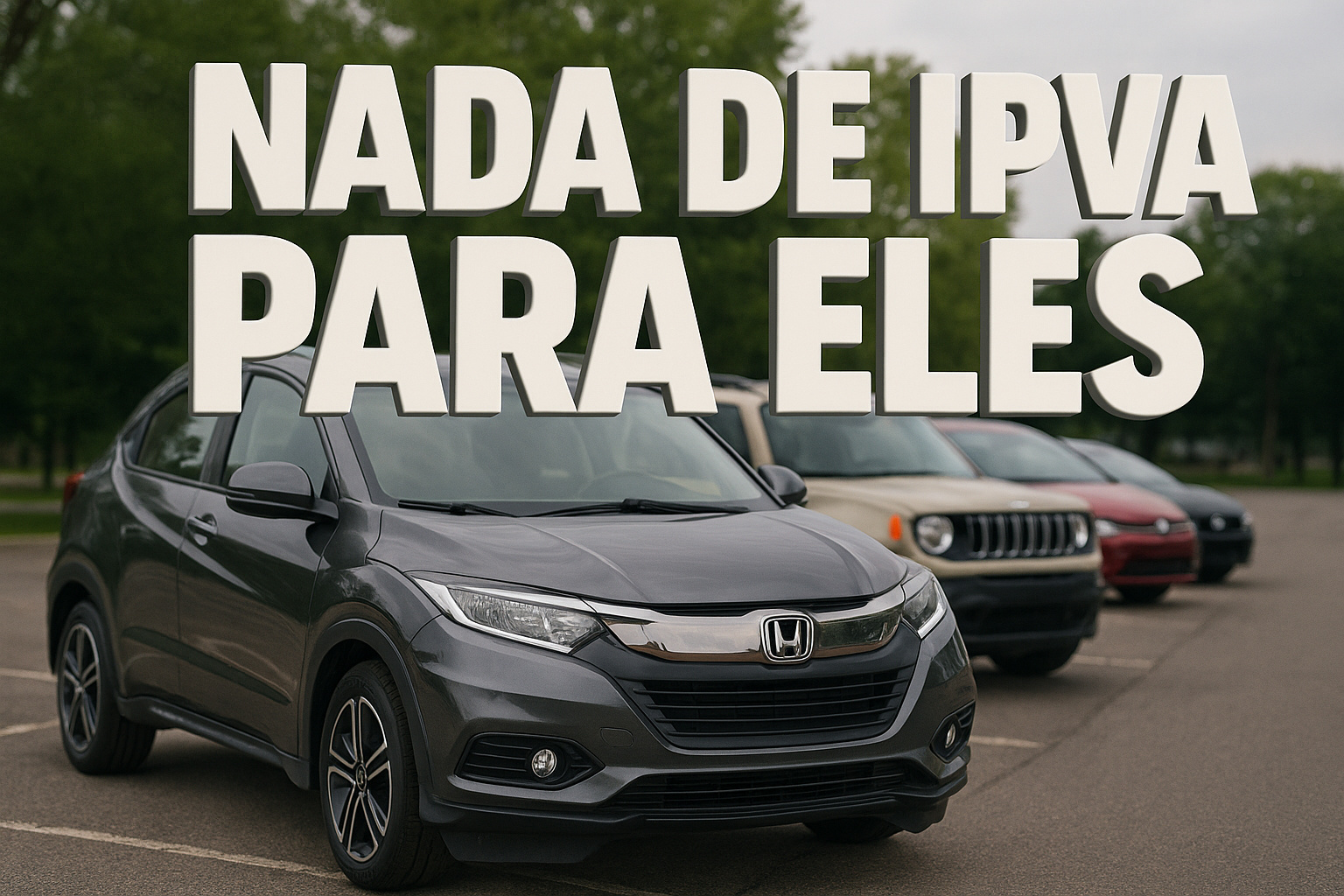
Understand How the IPVA Exemption in 2026 Reshapes the Used Car Market, Alters Year-End Negotiations, and Reveals Which Vehicles Legally Escape the Tax, According to Year of Manufacture and State Rules
The IPVA is regaining prominence at the end of the year and directly influences buying and selling decisions of used cars. Therefore, negotiations intensify as the calendar advances. While sellers try to close deals before the year-end, buyers are already projecting the impact of the tax on their annual budget.
However, a little-known rule completely changes this scenario. According to regulations established by the State Finance Departments and the State Departments of Transit, certain vehicles are exempt from IPVA, provided they meet the exact year of manufacture and the rules of the state where they are registered.
As of December 9, 2025, according to a nationwide resolution, passenger vehicles, light commercial vehicles, and mixed-use vehicles manufactured 20 years or more ago become exempt from IPVA nationwide. Still, states that already granted exemptions with shorter timeframes maintained their specific legislation.
-
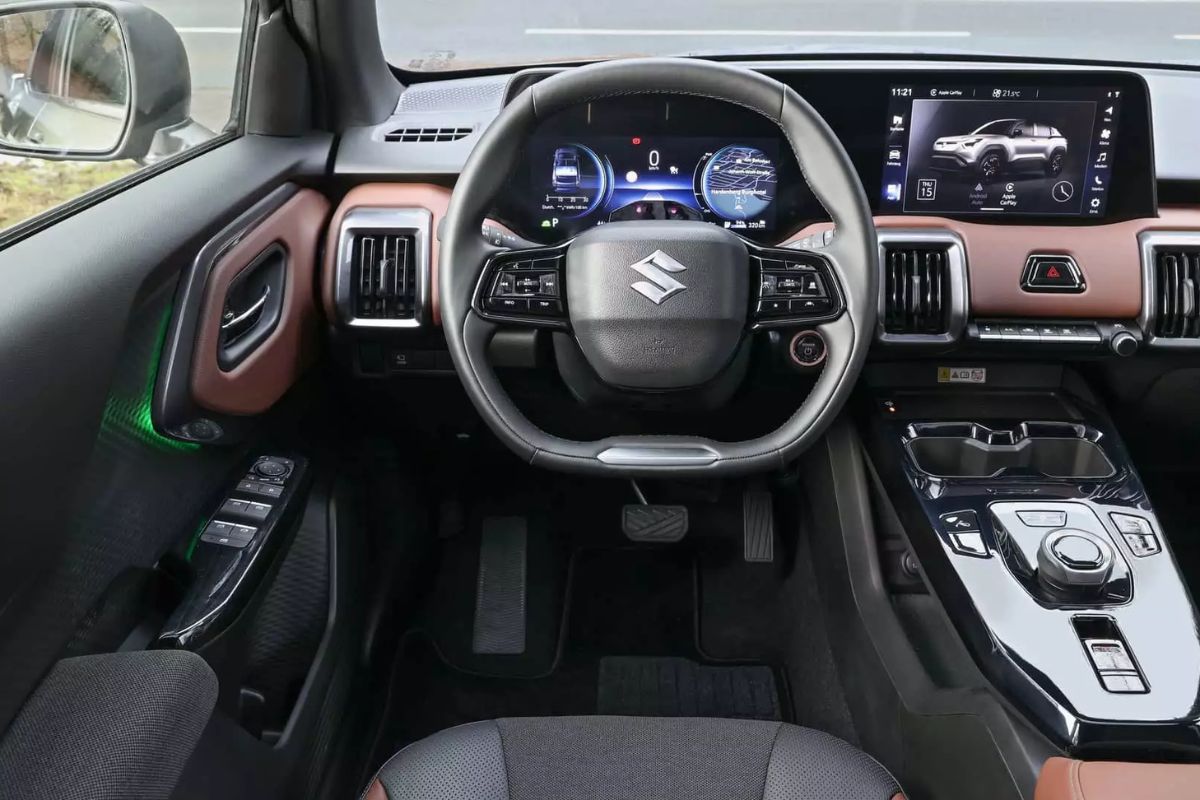
The 2026 electric Vitara arrives in Brazil and proves that Suzuki is not leaving: 4×4 traction, 184 hp, 61 kWh LFP battery, 293 km range, R$ 259,000, and a trunk capacity of 224 L.
-
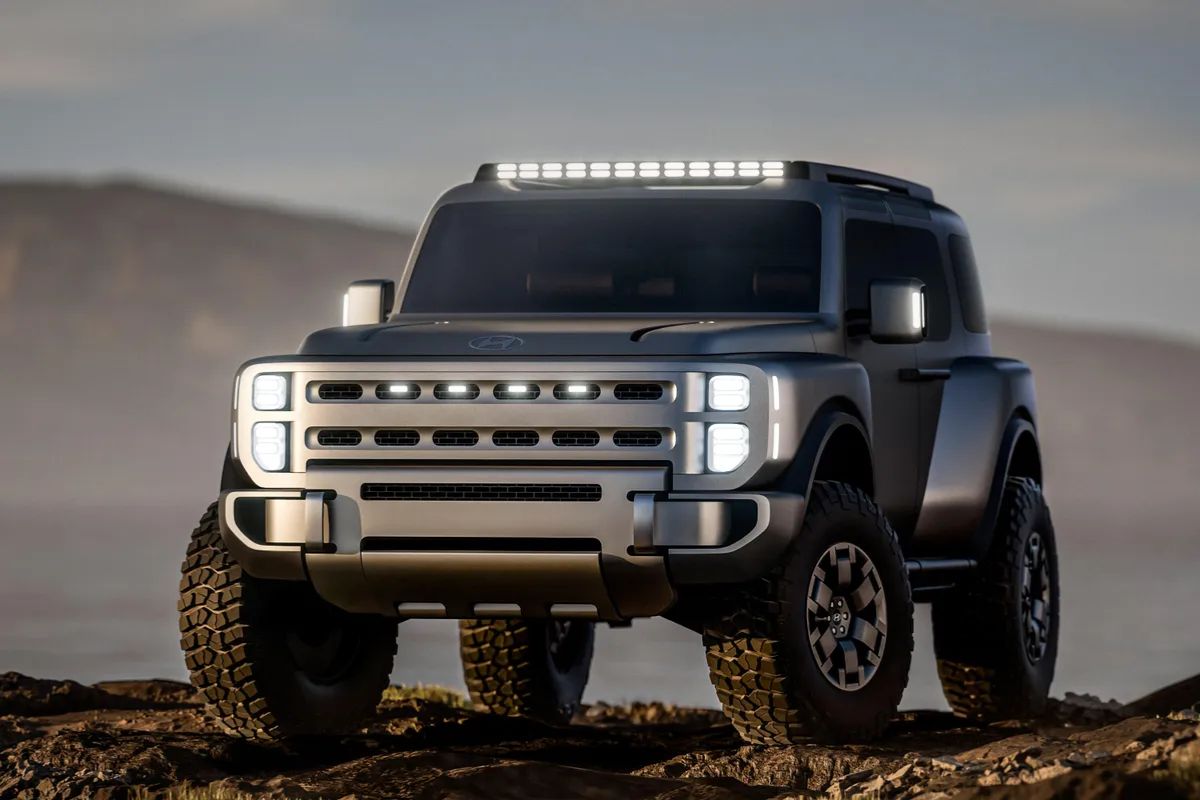
Hyundai has unveiled the Boulder, a square SUV with a body-on-frame design, 37-inch mud tires, and carriage-style doors that seems to be made to take on the Ford Bronco and the Scout Traveller in the United States.
-
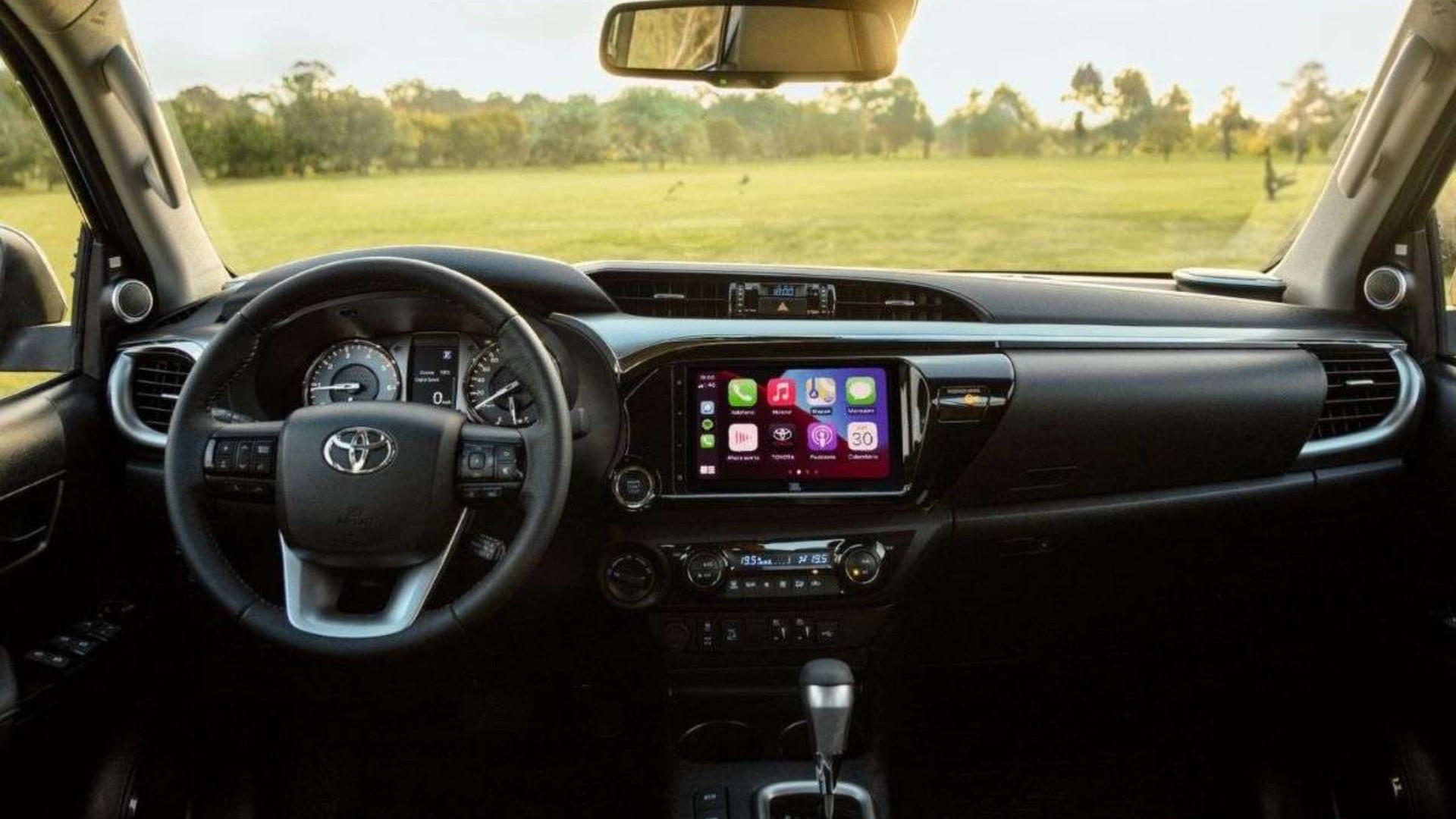
The Toyota Hilux is R$ 75.5 thousand cheaper and bets on the 2.8 turbodiesel engine with up to 204 hp and 50.9 kgfm to catch up with the VW Saveiro, which leads with 4,472 sales.
-
The new Renault Koleos has a screen exclusively for the passenger that is invisible to the driver, heated rear seats, and 29 assistance systems, but its Chinese competitors cost R$ 40,000 less and deliver more power.
Investigation of State Rules Reveals Important Differences
Despite the national rule, exemption criteria vary by state, which requires extra attention from consumers. In some states, the benefit begins with 10 or 15 years of manufacture, significantly expanding possibilities in the used market.
According to data compiled by the State Finance Departments in 2025, these regional differences continue to be decisive both for vehicle choice and the final negotiation value, especially at year’s end.
IPVA Exemption for Vehicles Over 10 Years Old

In the states of Amapá, Rio Grande do Norte, and Roraima, vehicles manufactured in 2015 already qualify for exemption in 2026. This timeframe coincides with a decisive moment in the Brazilian automotive industry.
In 2015, according to records from Anfavea, Honda HR-V, Jeep Renegade, and Peugeot 2008 emerged, three compact SUVs that marked the beginning of a new phase for the segment. Although the Peugeot 2008 had lower commercial acceptance, the HR-V and Renegade consolidated high liquidity and less depreciation.
Therefore, for those living in these states seeking IPVA exemption coupled with easy resale, the HR-V remains one of the most sought-after options in the used market.
Moreover, still in 2015, other relevant launches expanded the range of choices. Renault presented the Duster Oroch and the Sandero RS, while Volkswagen launched the Golf Variant and popularized the up! TSI, according to information released by the manufacturers at that time.
IPVA Exemption for Vehicles Over 15 Years Old

In the states of Bahia, Ceará, Federal District, Espírito Santo, Goiás, Maranhão, Pará, Paraíba, Piauí, Rio de Janeiro, Rondônia, and Sergipe, the legislation guarantees exemption for vehicles manufactured until 2010.
This year was marked by launches that raised the standard of the national market. In 2010, Fiat introduced the second generation of the Uno, which quickly became one of the best-selling models in the country.
During the same period, Ford launched a new generation of the Fiesta, initially imported from Mexico, featuring seven airbags and stability and traction controls, equipment still rare in the segment at that time, according to technical specifications released in 2010.
Additionally, Kia Motors introduced new generations of Sportage and Sorento, while Hyundai presented the ix35 and the Sonata, models that saw strong commercial acceptance in the early years of the decade, according to industry data.
Other options manufactured in 2010 that remain exempt in these states include Chevrolet Malibu, Nissan Tiida Sedan, and Citroën Aircross, broadening the diversity of choices in the used market.
IPVA Exemption for Vehicles Over 20 Years Old

In the other states, including São Paulo, which has the largest fleet of vehicles in the country, the exemption requires 20 full years of manufacture. Thus, in 2026, only vehicles manufactured until 2005 meet the rule, according to guidance from the São Paulo State Finance Department.
Among the highlights of 2005 is the third generation of the Chevrolet Vectra, which, despite initial criticism, gained a good reputation in the used market due to its mechanical simplicity.
Another valued model is the Honda Fit 1.5, a configuration released that year and known for its reliability and fuel efficiency. At the same time, Volkswagen introduced the Gol, Parati, and Saveiro G4 family, in addition to the CrossFox, which anticipated the trend of vehicles with a more adventurous appearance.
Also in 2005, the Peugeot 206 SW and the Fiat Idea entered the Brazilian market, representatives of segments today little explored, but still present in the used market.
What Does This Change Mean for Buyers in 2026?
In this scenario, the exact year of manufacture becomes the most decisive factor for those looking to save on IPVA. More than the model or the condition of the vehicle, the date recorded on the vehicle’s document determines whether the tax will be charged or not.
Thus, knowing state rules, key dates, and available models allows buyers to negotiate with more predictability, security, and savings, avoiding recurring costs in the annual budget.
With so many regional differences and available options, what weighs more in your decision: saving on IPVA or having a newer car, even while paying the tax?










-

-

-

-

-

-

25 pessoas reagiram a isso.