





 Portuguese
  English
  Spanish
  7 min of reading
  0 comments


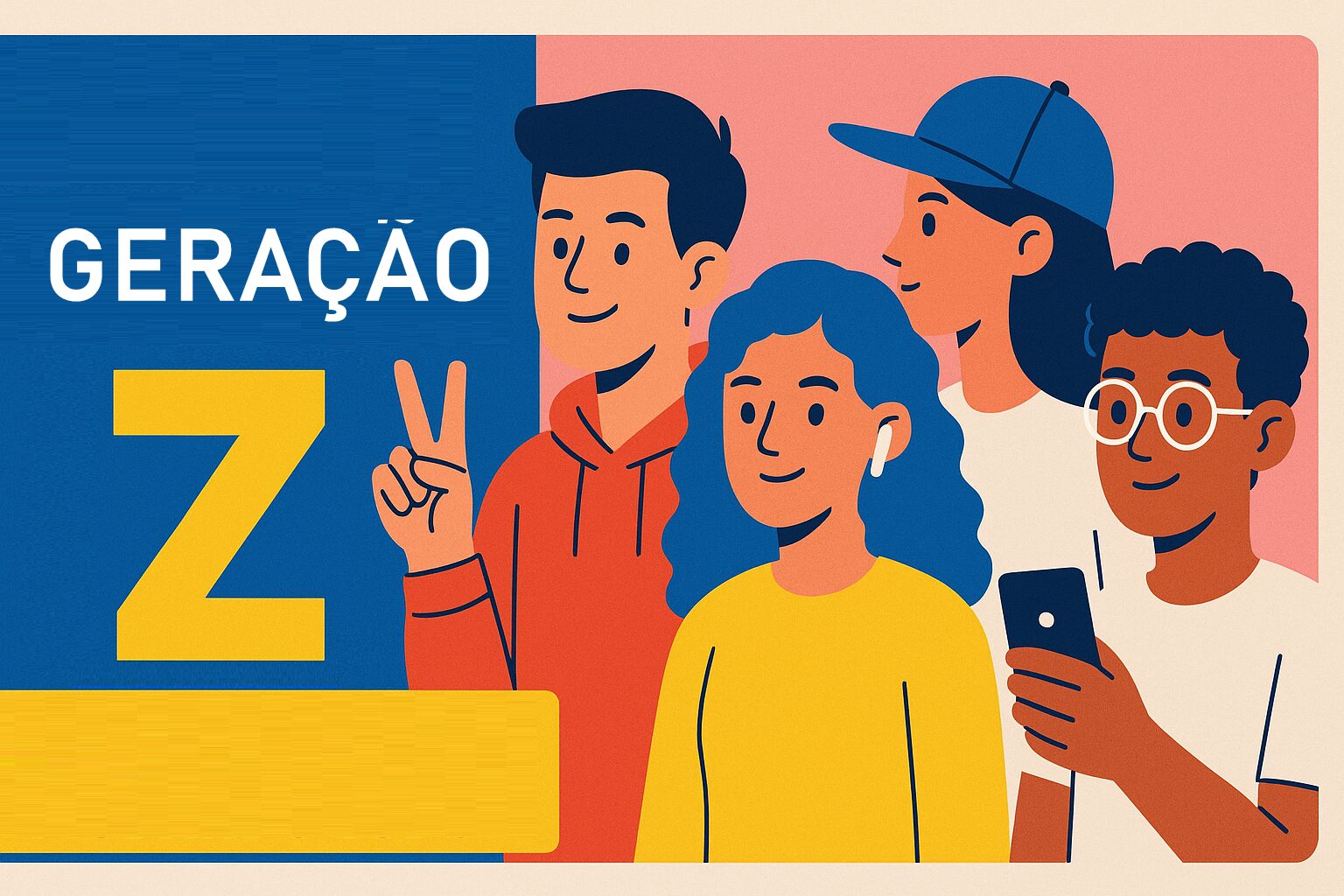
Generation Z Assumes Global Protagonism With New Habits, Strong Digital Presence, Concern for the Future, and Unprecedented Challenges in Mental Health.
The Generation Z is redefining the world. Many of them grew up connected, surrounded by screens and a planet in crisis. This generation mixes technology with anxiety, activism with pragmatism, and fashion with purpose. They are already a force in work, consumption, and culture.
What Defines Generation Z?
Generation Z includes those born between 1996 and 2010. They came after the millennials and before Generation Alpha.
In Brazil, many grew up in a world digitalizing, already with the internet, smartphones, and social media as part of their routine.
-
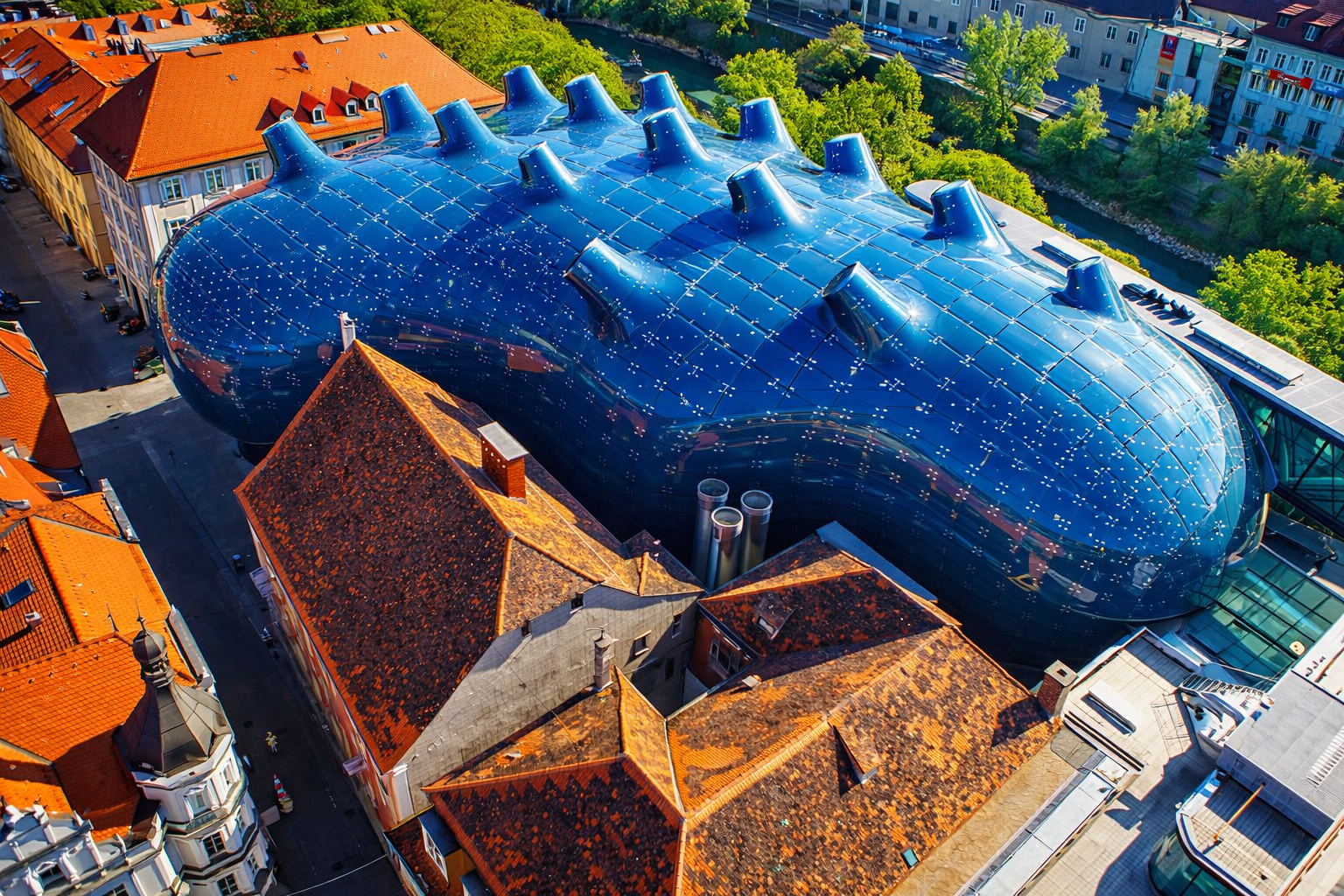
With 1,066 acrylic panels, the building known as the friendly alien is supported by a steel skeleton, has a façade that functions as a giant screen, and impresses the world without any internal columns.
-
Scientists warn that a comet about 1 km in size that has started to release gases may actually change direction in space. It was spotted by NASA and surprises with potential impacts near Earth.

-
These living root bridges and ladders are over 700 years old and help indigenous people survive in one of the rainiest regions in the world.

-
From sertanejo star to international investor: Ana Castela invests millions in a mansion in the USA, creates a themed accommodation in Orlando, and shows that the “boiadeira” also wants to grow away from the stage.

This generation experienced the direct impacts of the COVID-19 pandemic, climate change, and economic instability. While the younger ones are still in school, the older ones already have careers, families, and even children.
The identity of Generation Z has been shaped by significant global events.
Wars, financial crises, protests, and uncertainties have been part of this generation’s formation. They are pragmatic, connected, concerned, and demanding.
What Is a Generation?
Social scientists study generations to understand changes in society.
Each generation is influenced by historical events, cultural trends, and technological advancements. This shapes their values, behaviors, and worldviews.
The Lost Generation was marked by World War I.
Baby boomers, born after World War II, experienced the social transformations of the 1960s.
Millennials grew up with the internet and the September 11 attacks. And Generation Z is growing up amid the climate crisis and the digital age.
Even with these divisions, it is important to remember that each generation is diverse. Not everyone thinks the same. Generational theory is a tool, not a fixed rule.
How Generation Z
Generation Z is extremely connected. They work, study, make friends, and consume content online. They spend hours a day on platforms like TikTok, Instagram, and YouTube.
They switch between websites, apps, and platforms naturally. Digital identity is important, and many prefer more private profiles and personalized content. Anonymity, for example, has become trendy again.
TikTok is the epicenter of trends. About 60% of the platform’s users are Generation Z. They create digital communities with shared interests: music, gaming, activism, fashion, and more.
Consumption With Purpose
Generation Z looks for more than just price or brand. They want purpose. They demand that companies be ethical, sustainable, and inclusive. They value brands with clear positioning and real actions, not just advertising promises.
For them, consumption is a political act. Choosing an outfit, a snack, or an app can reflect personal values.
According to a study, 73% try to buy from companies considered ethical. And 90% believe that brands have social responsibility.
A Complex Relationship With the Environment
Although they are seen as ecological activists, Generation Z’s relationship with the environment has nuances. They care about the planet but expect companies and governments to lead the changes.
In the United States, they are the least likely to recycle. On the other hand, they demand sustainable actions from brands and local authorities. For them, collective actions carry more weight than individual gestures.
Mental Health in Crisis
Generation Z faces a mental health crisis. They report more anxiety, depression, and stress than other generations. This is partly due to constant exposure to bad news, social pressures, and insecurity about the future.
In the U.S., 28% say they suffer from anxiety. Since 2020, there has been a 25% increase in mental health disorders among young people from this generation. The pandemic exacerbated the situation, interrupting studies and increasing isolation.
Despite the troubling scenario, Generation Z addresses the issue more openly. They talk more about it, seek help, and fight stigma. They want work and study environments that support mental health.
Social Media: Villains or Allies?
Social media has an ambiguous role. While it increases anxiety, it also serves as a space for expression, connection, and support.
Many young people say they feel pressure when seeing others’ “perfect” lives on social media. However, they also report that the apps help them express themselves and stay in touch with important people.
More than 75% of all age groups use social media daily. The usage time is similar among Generation Z, millennials, and even baby boomers. The difference lies in how they use it: younger users prefer more visual and spontaneous interactions.
Generation Z at Work
The entry into the job market has not been easy. Generation Z faces inflation, climate crisis, geopolitical tensions, and economic instability. Many have informal jobs, freelance work, or juggle multiple roles.
They value work-life balance. They want purpose in their jobs, not just a salary. But they also report feeling the most unrecognized or underpaid.
Only 37% believe there are economic opportunities for everyone. The sense of instability and injustice is strong.
Different From Millennials?
Despite similarities, there are marked differences between Generation Z and millennials. Zs tend to be more realistic, more concerned about the future, and more engaged with social issues.
While millennials still believe in traditional ownership and careers, Zs seek flexibility, experiences, and authenticity. They are more open to diversity and less optimistic about the system.
Fashion and Fast Fashion
Generation Z loves to change their style. What is trendy today may be outdated tomorrow. Fast fashion, like the Chinese brand Shein, responds to this demand with thousands of launches per day.
This speed contrasts with the group’s sustainable ideals. But there is an attempt at balance. Many use thrifted clothes, adopt vintage fashion, and support the circular economy.
The wardrobe of Generation Z is a mix of cheap pieces with unique finds. Personal style matters more than following fashion rules.
Money and Investments
Contrary to what one might think, Generation Z is concerned about their financial future. By 2025, 59% made resolutions to save more money. Many are already investing in stocks and funds.
Between 2017 and 2025, the number of young people aged 18 to 27 with some type of investment increased by 46%. In the same period, the number of Zs without any savings decreased by 29%.
This generation wants stability but also freedom. They invest with long-term thinking but want flexibility in the present.
Travel and Experiences
Travel is a priority. For Generation Z, experiences matter more than material goods. In 2024, 34% stated they wanted to travel more. The number of international trips increased by 17% between 2020 and 2024.
They seek destinations with beautiful landscapes, local culture, and adventure opportunities. Photos and videos from their travels are an essential part of the experience.
Food and Wellness
Crazy diets are out of style. Generation Z wants to eat well but in a balanced way. In Europe, the main motivation for changing eating habits has become health gain, not weight loss.
In the U.S., there has been an 18% increase in young people consuming meat without plans to change. The preference is for protein-rich foods rather than just “natural” options.
Health is viewed broadly. More than just appearance, they seek physical and mental wellness.
Diversity and Inclusion
Generation Z values diversity, but with a broader perspective. Inclusion is not limited to race or gender. Issues like mental health, accessibility, and language also matter.
In the United States, 30% say that diversity and inclusion are fundamental. They want to see real representation — and demand it from companies, schools, and brands.
They support LGBTQIA+ causes, accessibility, racial equity, and digital inclusion. They also notice when brands merely “pretend” to support these causes.
Communication and Entertainment
Digital communication is at the center of Generation Z’s life. Social media is not just for liking photos, but also for conversing and getting informed.
The use of TikTok as a messaging channel grew by 82% between 2020 and 2024. Instagram also saw a 28% increase in this usage.
Additionally, podcasts have gained popularity. One in four Zs prefers podcasts over other audio media. They seek more intimate content, real conversations, and voices with which they identify.
Video Games as a Social Universe
Video games have ceased to be a pastime. They have become a space for socializing, learning, and even activism. Generation Z plays for fun, but also to connect and develop.
They are 33% more likely to play for social reasons. And 27% use games as a way to improve skills. Partnerships between games and social causes, such as the UN’s collaboration with Minecraft, demonstrate the potential of this channel.
Artificial Intelligence and Innovation
Generation Z is the most frequent user of artificial intelligence tools. By 2025, 37% reported using ChatGPT in the last month. They appreciate visual, personalized, and intuitive features.
For them, AI is an ally for learning, creating, and solving problems. But they demand transparency. They want to know how the tools work and what their impacts are.
Generation Z is not easy to label. They are a generation of contrasts: idealistic but realistic. Connected but overwhelmed.
Anxious but active. They are shaping the present and defining the future. With their own voice, they demand change, live new forms of work, reinvent consumption, and challenge old models.
Each year, they gain more strength — in the market, culture, and politics. Understanding Generation Z is not just a social exercise. It is a necessity for those wanting to keep up with the transforming world.






Seja o primeiro a reagir!