





 Portuguese
  English
  Spanish
  3 min of reading
  0 comments



Learn How Black Friday Can Be Your Wallet’s Ally With Price Alerts, Historical Values, and Realistic Buying Goals, Avoiding Fake Discounts and Prioritizing Offers You Already Intended to Take Advantage Of
The Black Friday has gained ground in Brazil without the context of the American holiday and, as a result, has opened the door to opportunistic price increases, false sales, and offers that evaporate in a few hours. Still, it’s possible to save genuinely when the consumer uses concrete data to decide. The path involves comparing prices among stores, checking recent history, and filtering what is a real promotion from what is just flashy display.
The central strategy is simple and technical. Define what you would already buy, monitor the price over the weeks, activate alerts on price comparison sites, and only complete the purchase if the price is below your reference. The focus is not on hunting for “unmissable deals,” but rather on validating fair price based on evidence.
How Algorithms Shape Black Friday
Stores and marketplaces use automated pricing rules that consider stock, demand, and competition.
-
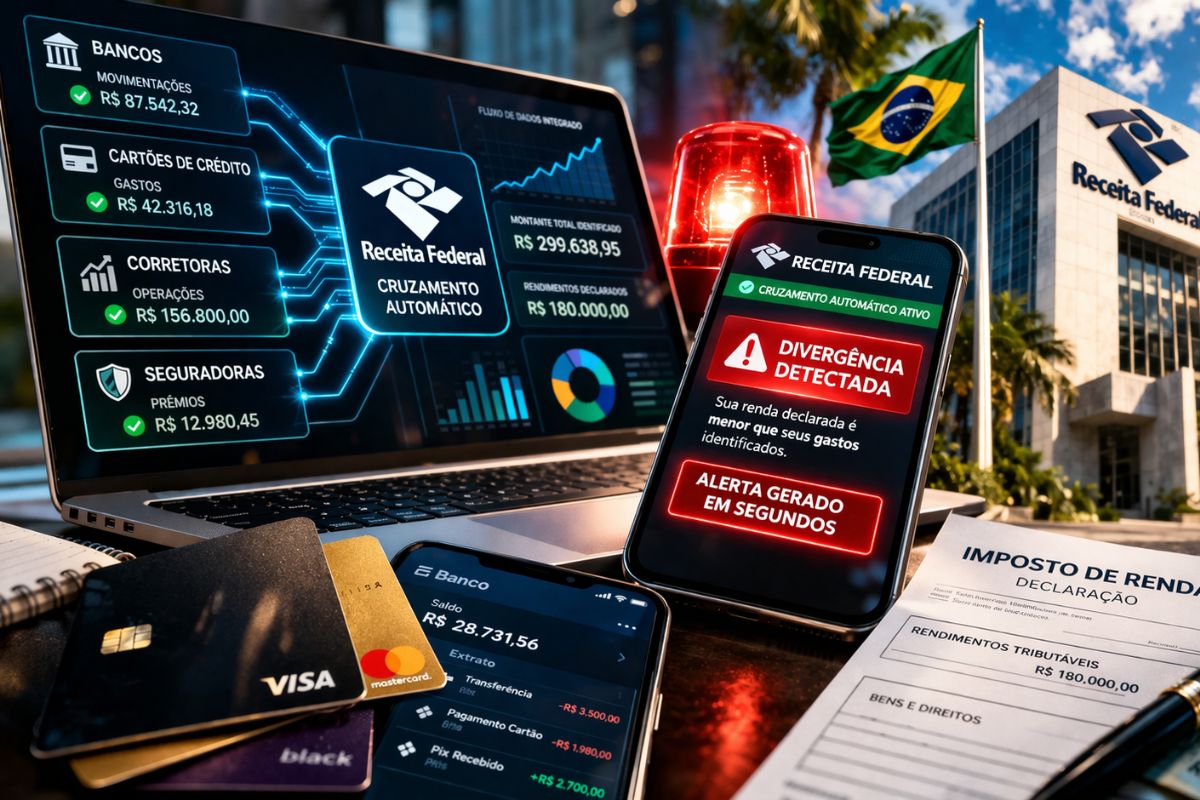
The Federal Revenue Service now automatically cross-references everything you declare with data from banks, credit cards, brokerage firms, and insurance companies, and any discrepancy between your income and your expenses triggers an alert in seconds.
-
Amid global tensions, Brazil blocks the United States’ proposal at the WTO and paves the way for a trade crisis and possible retaliations.

-
Shopee opens the largest logistics warehouse in Brazil in Guarulhos: 220,000 m² on Dutra, contract signed before construction, pays R$ 45/m² and accelerates deliveries at scale, putting pressure on Mercado Livre and Amazon.

-
After mistakenly transferring R$ 50,000 via Pix, a man will receive the amount back along with R$ 10,000 for moral damages from the recipient.


This explains why the same product fluctuates even within the same day. For the consumer, the practical reading is clear: the price of the day is not enough to decide.
Another typical effect is the gradual increase before the date, followed by cuts that simulate massive discounts. Seeing the real history protects you from this movement.
When the graph shows that the “discount” just returned the item to the level of weeks ago, it’s not a deal.
How to Use Comparators and Price History
Tools like Buscapé and Zoom allow you to see price timelines and set alerts for specific goals.
Look for the exact model of the product, check the curve of the last 30, 60, and 180 days, and set a target price that makes sense for your budget.
Create short lists with 3 to 5 items you already intend to buy and monitor daily in the week of Black Friday.
Activate email or app notifications, avoiding manual monitoring that leads to impulse buying.
When the alert goes off, double-check shipping, timeline, and return policy before finalizing the purchase.
Decision-Making Strategy With Objective Goals
Define three numbers before Black Friday: anchor price that you saw throughout the year, acceptable target price, and maximum limit.
Only buy if the price drops to the target or below. If it doesn’t drop, don’t buy. This discipline kills impulse and empowers you against aggressive displays.
Include total costs in your goal. Shipping, insurance, and installment interest can erase any advantage. Good price with bad timeline is no longer good.
If the store offers installment plans with additional costs, simulate the final cost and compare it with upfront payment with a discount.
How to Validate if the Discount is Real
Open the history on the comparator and look for the lows in the graph to find the recurring lowest price.
If the current offer is above this baseline, it’s not a “superpromotion”. Also check variations by color and code of the product, as small SKU differences can be misleading.
Do a quick cross-check: price of the day, historical data from 30 to 180 days, shipping conditions and timeline, seller reputation, and return policy.
Be wary of mirrored pages that promise extreme cuts without a history to support the drop.
Credit Card, Limit and Common Traps
Avoid “freeing up limit to spend” as preparation for Black Friday. High limit encourages impulse.
Prioritize few big planned purchases instead of several small tickets that add up to more than you perceive.
Watch out for gifts, bonuses, and combos that you didn’t need. Benefits that add cost are not benefits.
If the store pushes extended warranties and unnecessary accessories, recalculate the total value and keep the focus on the main item.
If any item fails, postpone the purchase. Waiting costs nothing and avoids regret.
And you, what was the biggest savings you achieved with a price comparator on Black Friday and how did you define your target price without falling for impulse?










Seja o primeiro a reagir!