





 Portuguese
  English
  Spanish
  3 min of reading
  0 comments


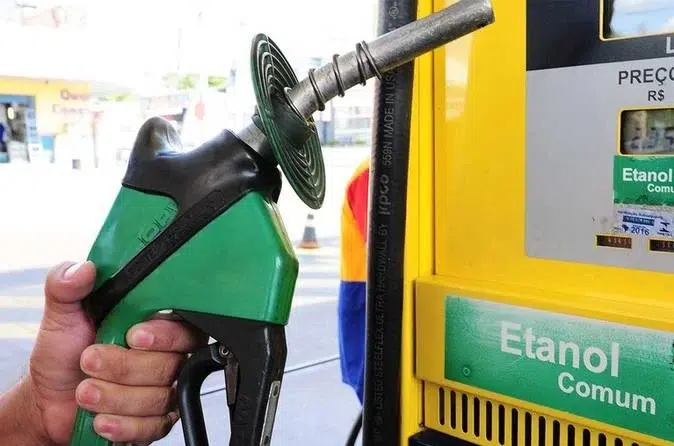
Avoid Practices That Increase Consumption And Learn How To Save Fuel And Money While Driving And Refueling Your Car
In the current scenario of high fuel prices, saving fuel when refueling is the desire of many drivers. Even with gasoline and ethanol fluctuating in the market, there are ways to spend less just by adjusting some habits. Want to know how? Check out these 7 valuable tips to save and ensure that your car — and your wallet — are always full!
1. Want To Save Fuel? Use The Air Conditioning Sparingly
Although air conditioning brings comfort, using it at maximum level increases fuel consumption. When the air compressor is activated, it draws energy directly from the engine, requiring more fuel to compensate for this additional load.
Therefore, prefer to start the trip with the windows open to ventilate the car before turning on the air conditioning. Another strategy is to use the recirculation function, keeping the cold air inside the car, which requires less effort from the cooling system.
-
With a 293.5 cm³ engine and a range of up to 400 km with a 14.1-liter tank, the Honda CB 300F Twister 2026 has up to 24.7 hp, an initial price of R$ 25,150, and already exceeds R$ 29,000 in the Fipe Table.

-
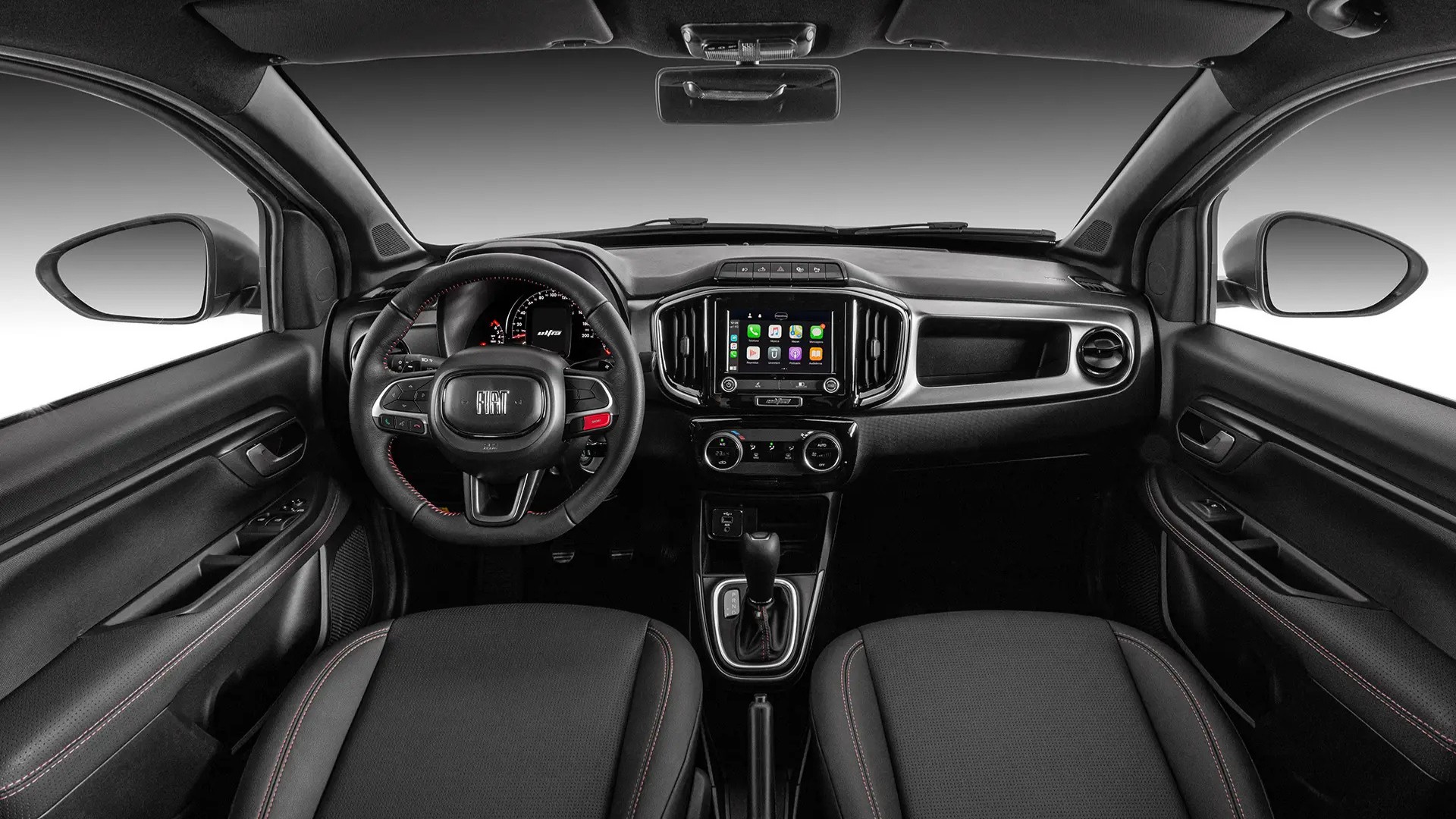
With a 1.3 engine, nearly 700 km of range, and Turbo 200, the Fiat model surpasses Polo, Tera HB20, and Onix, becoming the best-selling car in March; see the numbers for the Fiat Strada and others.
-
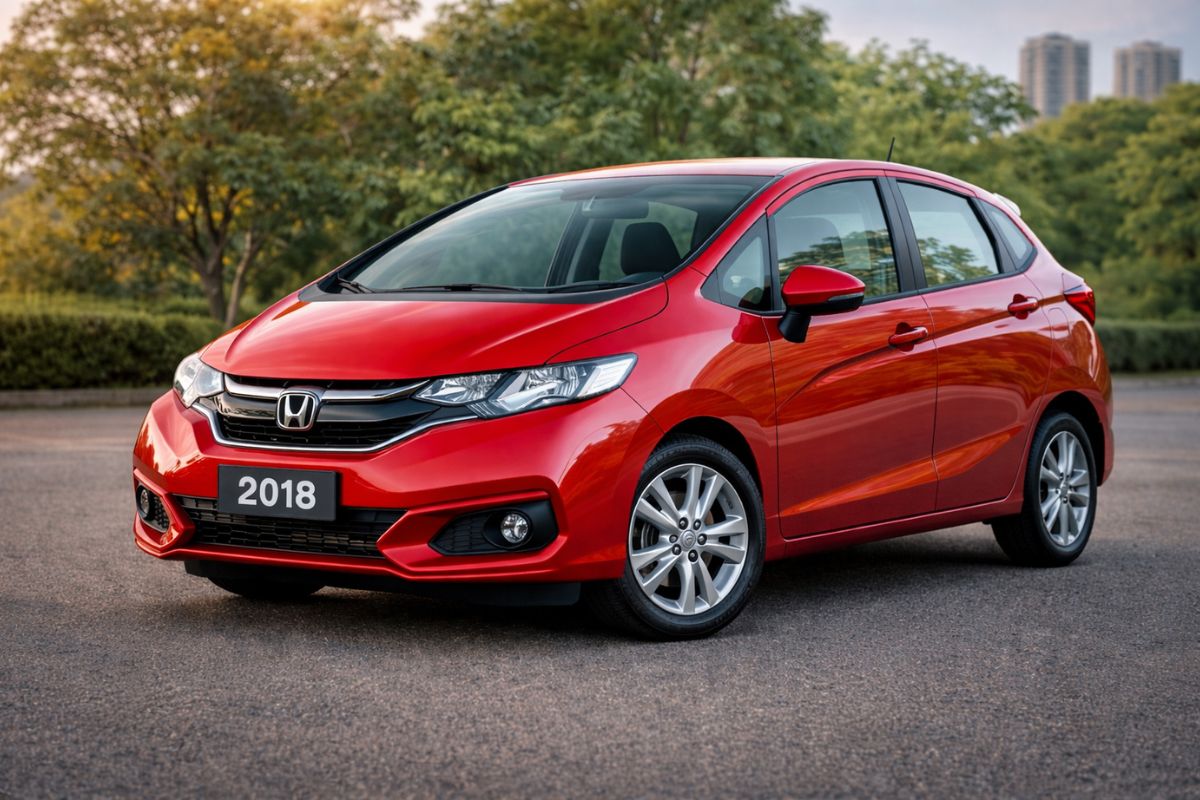
The Honda Fit has been discontinued for years, but the 2018 model is worth more today in the Fipe table than it cost brand new, proving that this used car, valued with a 1.5 i-VTEC engine and Magic Seat, only increases in price.
-
Volkswagen unveiled the 2027 Atlas with a 282-horsepower EA888 turbo engine, a 15-inch screen, massage seats, and a completely new interior to finally elevate the three-row SUV built on the MQB platform to a new level.


2. Do Not Remove The Catalytic Converter
The catalytic converter is essential in the vehicle’s emissions system, helping to reduce harmful emissions. Removing it, believing that it will save fuel, may have the opposite effect. The removal of this component can cause an imbalance in engine operation, leading to increased fuel consumption.
Additionally, driving without it can cause issues with the wear of internal parts, due to excessive heat. The tip here is to keep this component in good condition for optimal vehicle performance.
3. Keep The Fuel Filter Clean
Although small, the fuel filter can greatly impact consumption. When the filter is dirty, the flow of fuel to the engine is obstructed, forcing the engine to work harder and consume more gasoline or ethanol.
Therefore, regular replacement, usually every 10,000 to 15,000 km, is essential. A clean filter ensures efficient flow and helps extend the engine’s lifespan.
4. Avoid Excessive Load
Physics explains that the more weight a vehicle carries, the more energy it needs to move. In other words, a loaded car consumes more fuel. Reassess what you are transporting and eliminate unnecessary items.
A trunk full of gym equipment, tools, or heavy objects can increase consumption. This simple habit of organization can make a significant difference in fuel savings.
5. Inflate Your Tires Regularly
Under-inflated tires create more rolling resistance, requiring the engine to work harder. As a result, fuel consumption increases. Additionally, improperly inflated tires can compromise suspension, reduce tire lifespan, and affect safety.
Inflate your tires every 30 days to avoid issues, remembering that the ideal pressure varies based on the car model — check the manual for the recommended inflation.
6. Maintain A Smooth Driving Style
Sudden acceleration and braking are major enemies of fuel consumption. When we accelerate intensely, the engine works harder to meet the power demand, using more fuel. On the other hand, frequent braking forces the engine to “catch its breath” repeatedly. Driving smoothly and keeping a safe distance from other vehicles helps save fuel.
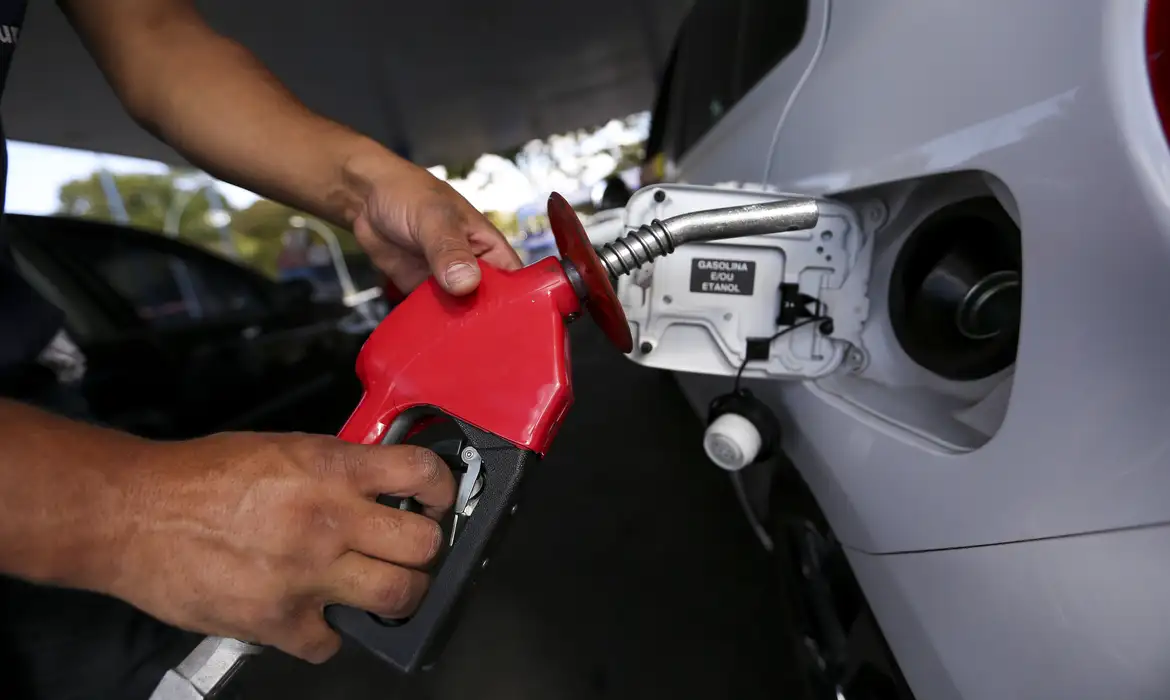
7. Refuel At Trusted Gas Stations
Choosing a quality gas station is essential to ensure your engine’s health. Fuels of dubious quality or adulterated fuels can cause performance failures and even damage the engine. Look for reputable stations and avoid those with prices far below average.
In the short term, it may seem like a saving, but in the long run, refueling with reliable fuel avoids system problems and helps maintain consumption within standard levels.
Extra Tips For Saving Fuel In Your Daily Life
If you are truly committed to reducing fuel expenses, here are some additional strategies:
- Drive Calmly: Maintaining a steady speed and driving calmly reduces the need for sudden accelerations and intense braking.
- Plan Your Routes: GPS apps help avoid routes with heavy traffic, saving fuel and time.
- Adopt Preventive Maintenance: Regularly checking tire pressure, car alignment, and oil level helps keep the engine running efficiently, contributing to fuel savings.
By implementing these small adjustments in your daily routine, you can significantly reduce fuel consumption and save fuel and money by the end of the month.








Seja o primeiro a reagir!