





 Portuguese
  English
  Spanish
  5 min of reading
  0 comments



Predictive Maintenance, Accessible Parts, and Known Projects Help Explain Why Some Models Stay on the Radar for Those Seeking to Reduce Workshop Costs and Preserve the Budget Over the Years of Use.
Keeping the car in order without turning every trip to the workshop into an unexpected expense has become one of the main concerns of Brazilian drivers.
In a scenario of rising costs for maintenance, tires, suspension, and wear parts, simpler project models, known mechanics, and a wide supply of components remain among the most sought after by those looking for predictability in after-sales.
In this group, Fiat Mobi, Hyundai HB20, and Volkswagen Polo Track frequently appear in this context, while the case of the Toyota Yaris requires an update: the sedan stopped being sold in the Brazilian market in January 2025, which changes its position among new cars, although the durability image of the line still influences the used car market.
-
The car stored for 38 years: when opening the barn door, what appears is breathtaking and looks like a scene from a movie!

-
Fiat works miracles in the Brazilian market, lowers the price of its 0 km hatch to R$ 69,990, reestablishes the model as the cheapest car in the country, and reignites the battle against Kwid and C3.
-
Chevette with cooking gas: How the gas cylinder ends up being used in cars clandestinely and why this makeshift solution can result in leaks, explosions, damaged engines, and seized vehicles.
-
Fiat launches the new 2027 Toro hybrid with 48V, 176 hp, an electric motor of 15.5 hp, a 0.85 kWh battery, up to 7% fuel savings, 8% fewer emissions, and possible exemption from IPVA.

The cost of a car, however, is not limited to the purchase price.
In daily use, the budget includes scheduled maintenance, tire changes, suspension item prices, parts availability, and vehicle downtime for maintenance.
For this reason, compact cars with well-established mechanical solutions tend to maintain an advantage, especially when they also have a wide assistance network and parts supply outside the dealership.
This trend helps explain why more equipped models do not always deliver the lowest expenses over time.
In the assessment of automotive industry professionals, consumers seeking savings tend to pay less attention to the level of sophistication and more to factors that affect the budget over the years, such as maintenance intervals, robustness of the assembly, and cost of consumables.
Fiat Mobi and Low Maintenance Among Entry-Level Cars
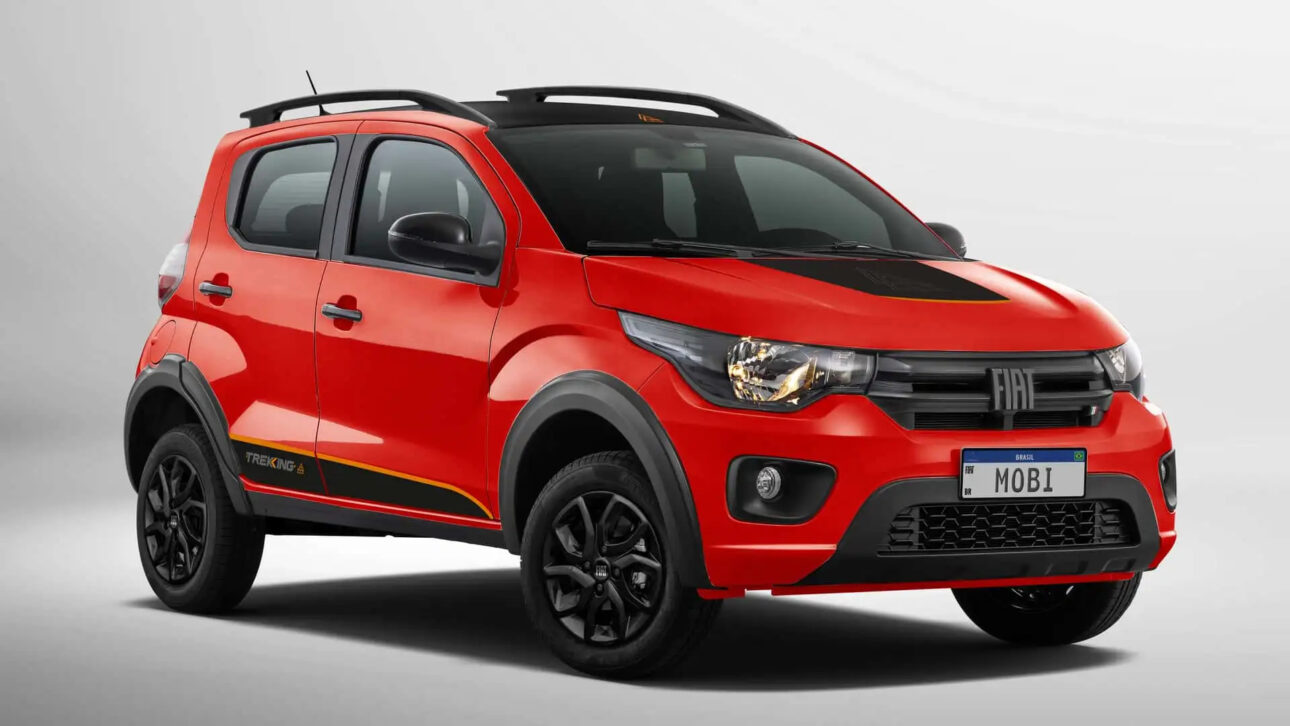
Among entry-level compacts, the Fiat Mobi remains associated with lower maintenance costs.
The 2026 line displayed in the brand’s configurator retains the 1.0 Firefly Flex three-cylinder engine, a widely known assembly in the Brazilian market.
The Firefly family uses a timing chain, a solution that, according to automotive maintenance specialists, tends to reduce a recurring expense of preventive maintenance compared to engines that require scheduled timing belt replacement.
The model also benefits from its compact size.
As a subcompact, the Mobi uses tires and other wear items that generally cost less than those for larger vehicles, especially SUVs and higher-category hatchbacks.
This does not eliminate maintenance costs but reduces the impact of routine replacements, such as tires, brakes, and peripheral components, compared to larger models.
Another factor mentioned by repairers and retailers is the model’s long presence in the market.
The volume of units in circulation favors the availability of parts and a skilled labor force familiar with the model.
Although this availability may vary by region, the Mobi’s presence in the market contributes to repairs occurring in an environment well known by independent workshops and dealerships.
Hyundai HB20 Bets on Warranty and Predictability in After-Sales
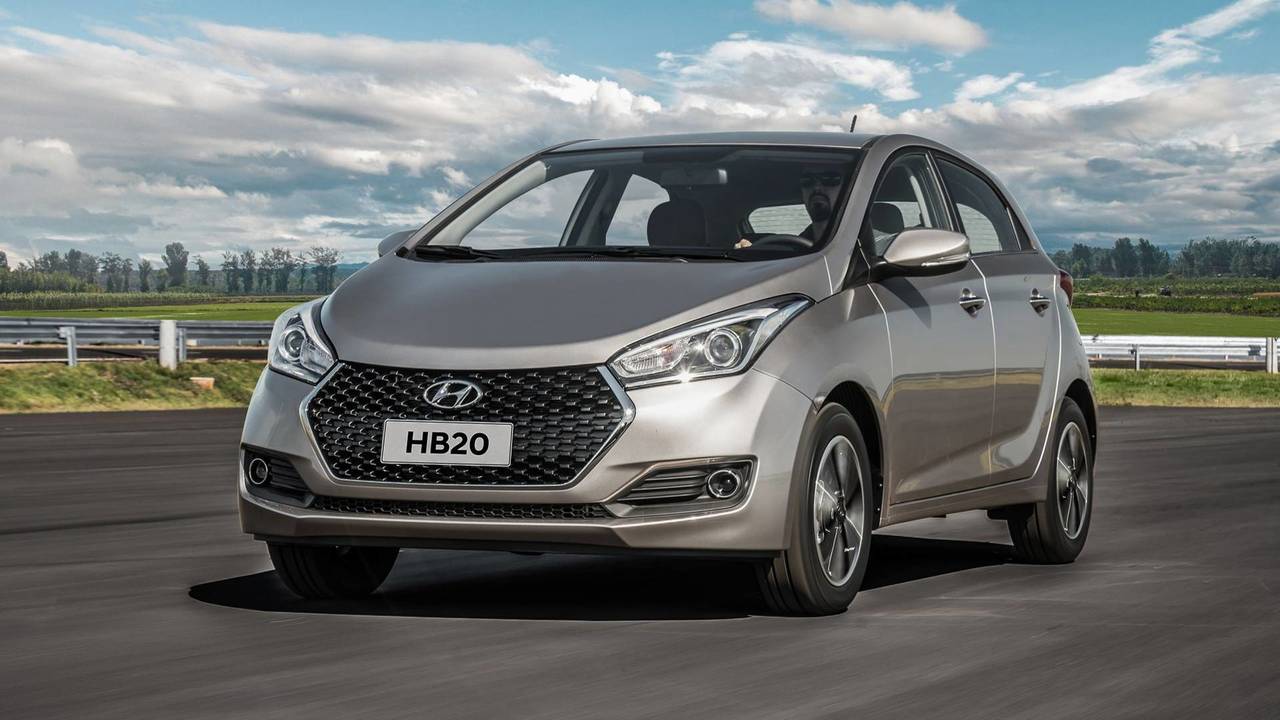
In the case of the Hyundai HB20, the highlight in after-sales mainly appears in cost predictability.
Hyundai offers a five-year warranty for private use, with no mileage limit, as long as the owner meets the conditions outlined in the manual.
The manufacturer also provides planned prices for maintenance, parts, and services, allowing consumers to estimate some of their maintenance expenses in advance.
This combination tends to reduce the budget’s exposure to unexpected expenses in the first years of use.
Instead of relying solely on the model’s reputation for reliability, the HB20 combines a longer contractual coverage with a scheduled maintenance system, making financial planning easier for frequent users of the car.
Furthermore, the hatch has accumulated years of relevant presence in the Brazilian market.
This trajectory has expanded the pool of workshops familiar with the model and established a network of original and aftermarket parts with good capillarity.
In after-sales, this aspect is often seen as an important element, as savings depend not only on durability but also on how easy it is to resolve issues when maintenance becomes necessary.
Volkswagen Polo Track Inherits Space from the Gol with Focus on Robustness
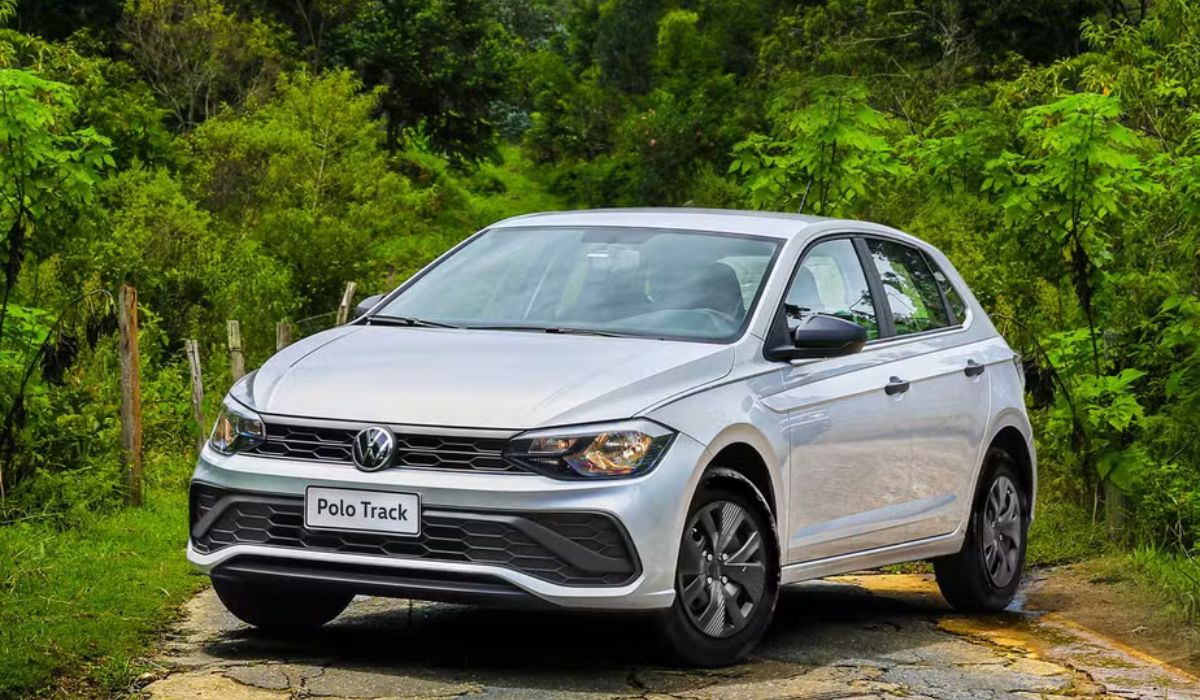
The Volkswagen Polo Track has begun to occupy the space historically associated with the Gol among entry-level hatchbacks.
The company itself introduced the model focused on robustness and adaptability to different usage conditions in the country.
In launch material, the automaker highlighted this profile as a central part of the version’s proposal.
In practice, the Track attracts attention for maintaining a simpler configuration within the Polo family.
This type of positioning tends to favor maintenance costs compared to more sophisticated versions of the same line.
The aspirated 1.0 engine and the assembly focused on the entry-level segment help preserve a characteristic valued in after-sales: lower mechanical and electronic complexity compared to more elaborate configurations.
Still, the model is not exempt from preventive maintenance or the replacement of typical wear parts from urban use.
What supports its good image in this segment, according to automotive industry professionals, is the combination of a known project, a wide assistance network, and a proposal aimed at a public more sensitive to the cost per kilometer driven.
Toyota Yaris Leaves the Scene Among the New and Changes Context
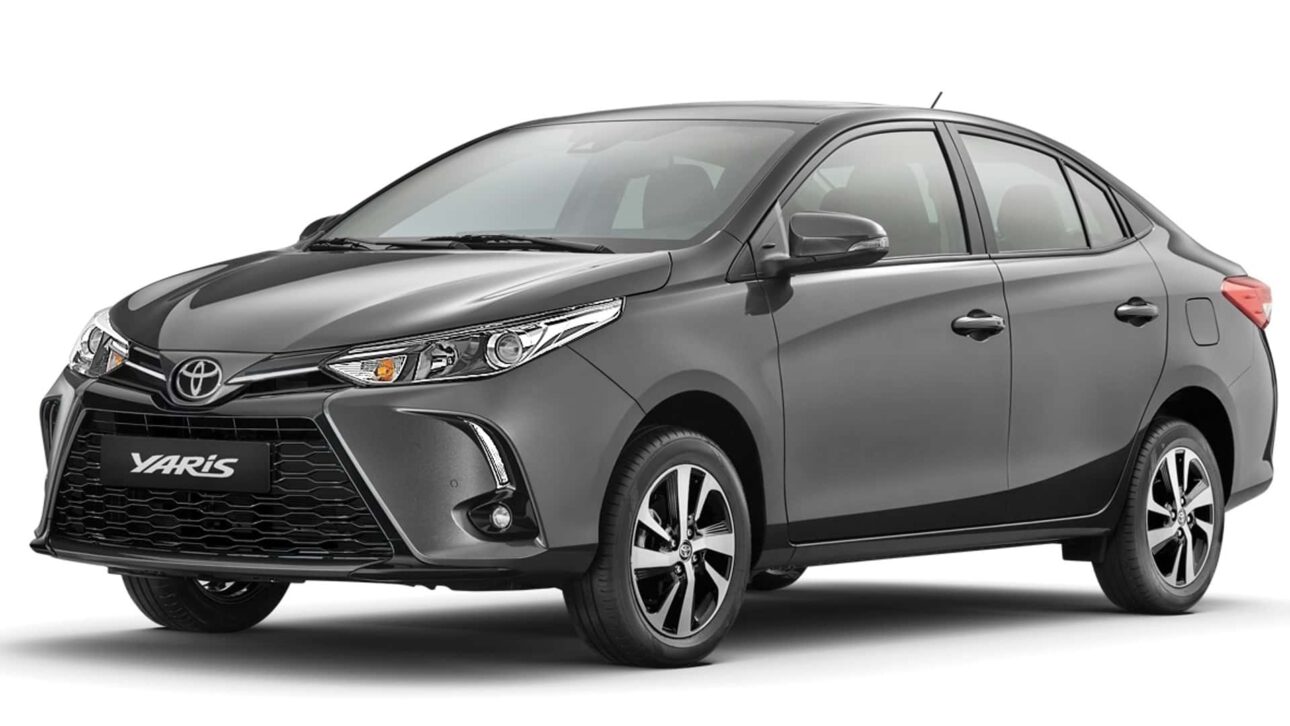
The presence of the Toyota Yaris on the list requires a contextual update.
The sedan has been produced exclusively for export since January 2025, with no sales in the Brazilian market, while Toyota’s current portfolio in the country now prominently features the Yaris Cross among the offered models.
Therefore, the reference to the Yaris as an option for after-sales savings must be interpreted, today, under a different logic.
This does not eliminate the brand’s association with durability, often mentioned by consumers and industry experts.
However, in the specific case of the Yaris mentioned in the original text, the discussion makes more sense in the context of used and second-hand cars than among brand-new cars available at dealerships.
The change is significant because after-sales savings also depend on the commercial situation of the model.
An out-of-production car may remain reliable and well-received, but it is analyzed based on other factors, such as parts availability, used market behavior, and the profile of those seeking this vehicle.
What Matters in the Choice of Those Seeking to Spend Less on Maintenance
For consumers aiming to reduce expenses after purchasing, the most rational choice often involves cars with known mechanics, transparent scheduled maintenance, and a wide network of parts.
Within this framework, Mobi, HB20, and Polo Track present objective arguments, albeit via different paths: the Fiat through the simplicity of the assembly, the Hyundai through contractual predictability, and the Volkswagen through a proposal focused on robustness in an entry-level configuration.
In the case of the Yaris, the durability reference remains tied to the brand’s image, but the model’s role has shifted since the sedan’s exit from the zero-kilometer national market.
In practice, the car most economical in after-sales is not necessarily the one with the lowest purchase price, but rather the one that combines a mature project, predictable maintenance, and the least likelihood of generating out-of-routine expenses.







-

Uma pessoa reagiu a isso.