





 Portuguese
  English
  Spanish
  7 min of reading
  19 comments


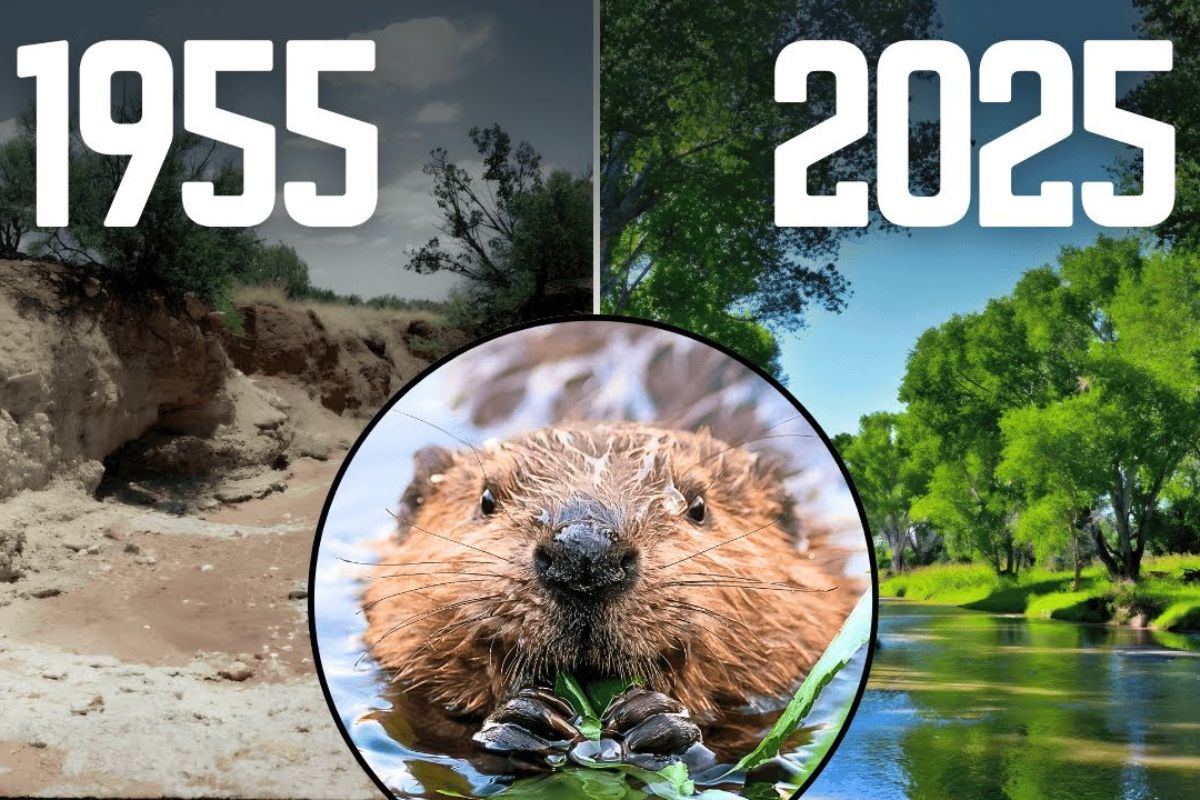


After The San Pedro River Became A Dry Canal, Beavers Were Released In The Arizona Desert Between 1999 And 2002. In 2006, Four Years After The Last Release, Researchers Counted More Than 30 Dams, With Aquifer Recharge, Formation Of Wetlands And A 50% Increase In Birds In That Arid Region.
In Southeast Arizona, the San Pedro River crosses the Sonoran Desert, where rain is scarce and temperatures are severe. When the river lost the ability to sustain water for most of the year and became a dry canal, beavers were released into the desert as an attempt to reactivate natural water retention processes and rebuild habitats.
The experiment, conducted in stages from 1999 to 2002, showed that an engineering behavior species can reorganize the landscape in just a few years. With dams, the animals slowed down runoff, created wetlands, favored aquifer recharge, and pushed biological indicators, such as birds, to significantly higher levels.
From “Beaver River” To Dry Canal: How The San Pedro Lost Its Beavers

Before human interference, the San Pedro River is described as a perennial watercourse in the desert, functioning as a green corridor and a support point for fauna and flora.
-
Heineken’s factory in Brazil produces 300 million beer cans in just 4 months, reaches 1 million hectoliters, received R$ 2.5 billion, and is already projecting an annual capacity of 5 million with sustainable technology.

-
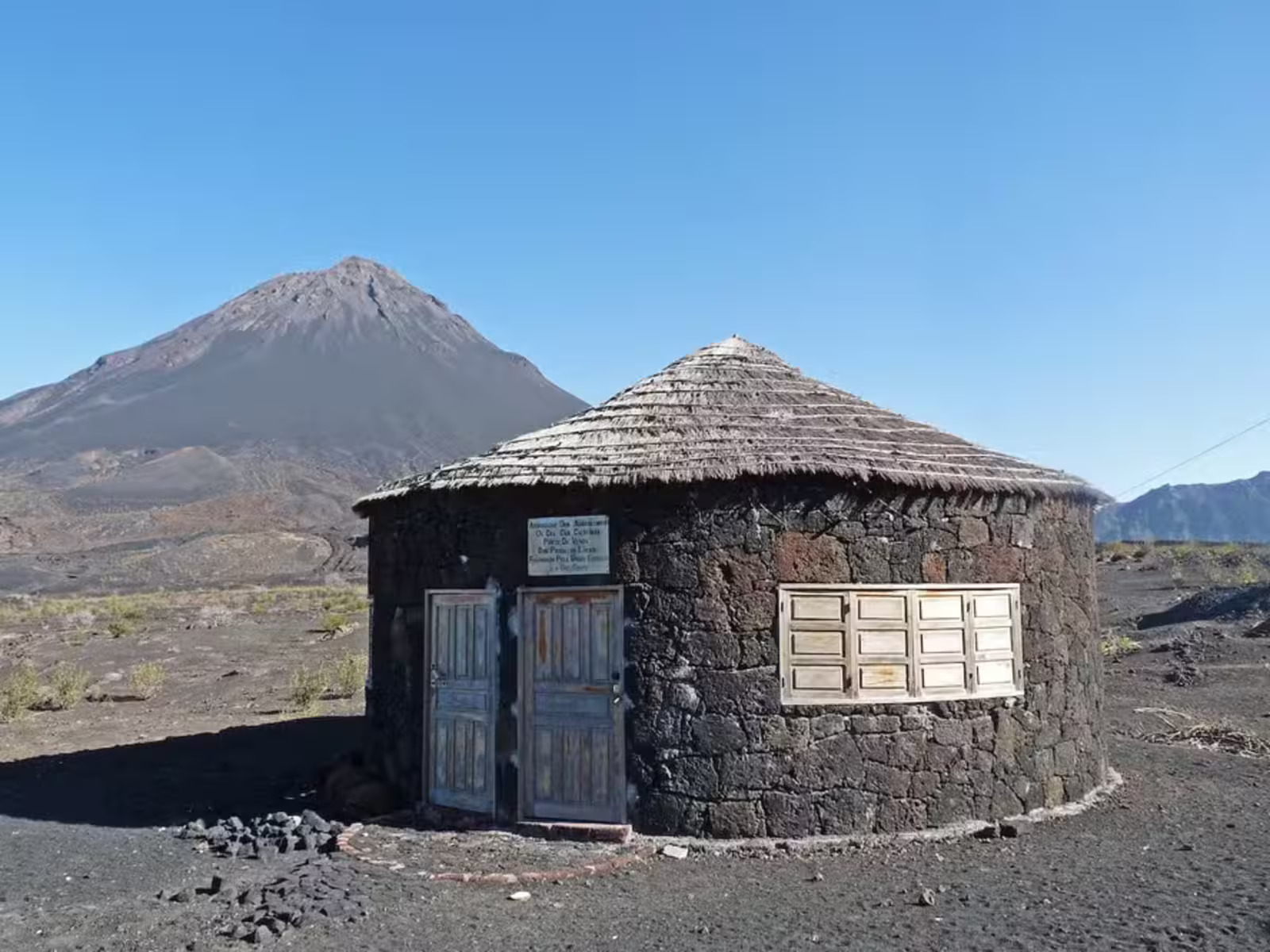
Inside an active volcano in Africa, residents use volcanic rocks to build houses in an impressive setting.
-
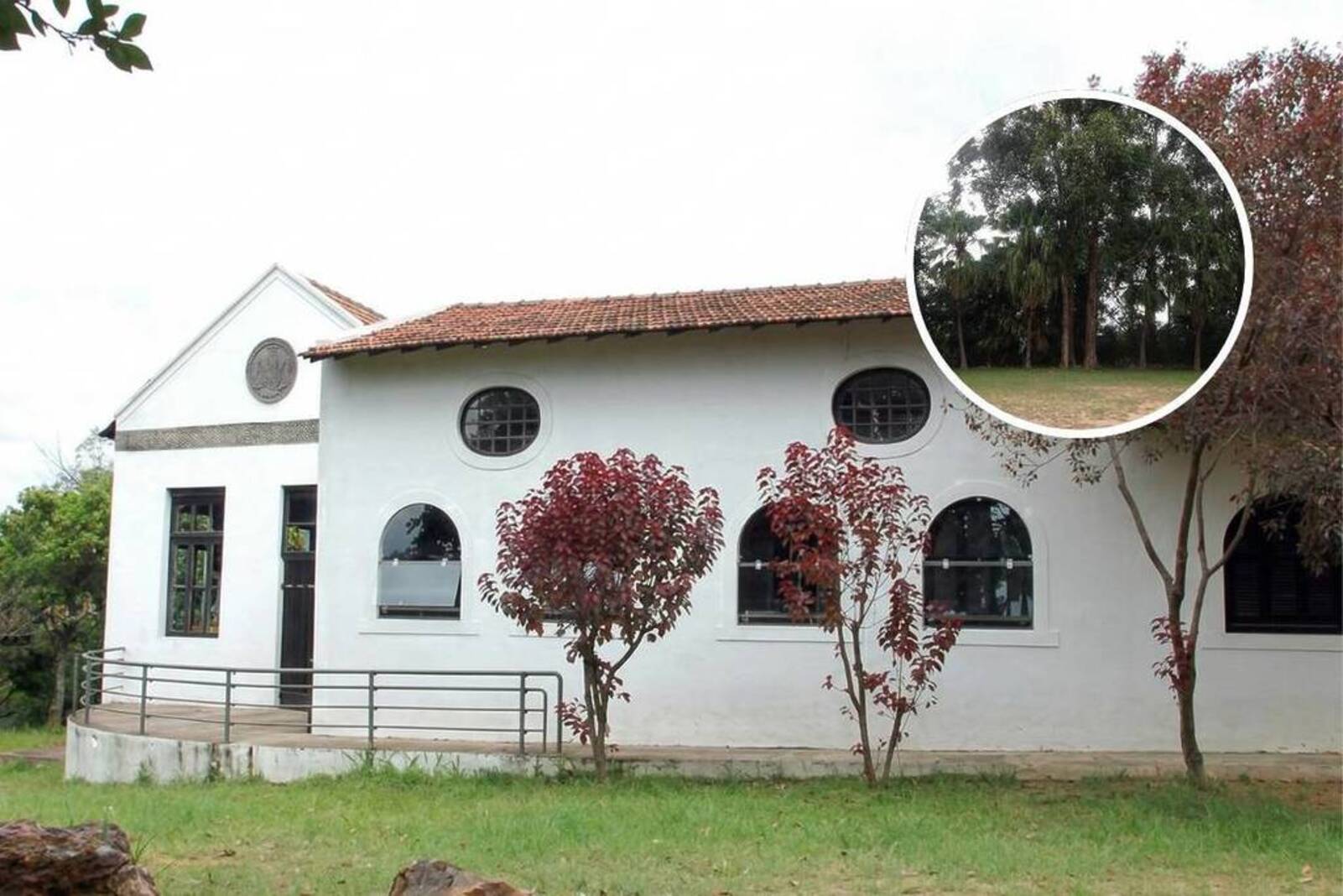
After 14 years of waiting, a rammed earth mansion built in 1702 in the North Zone of São Paulo will become a park with leisure facilities and green areas, with a million-dollar investment.
-
With 2 unfinished nuclear reactors, up to 25 billion in costs, and proven fraud, the Nukegate case has left 800,000 consumers still paying today for energy that will never be produced.


The presence of beavers was so striking that the river earned an informal nickname associated with the animal, highlighting the role of dams in maintaining water and vegetation.
The reversal begins with the fur trade in the 19th century.
The hunting pressure is described as systematic, driven by the value of the fur and also by derivatives like castoreum, and would have pushed the species to regional collapse.
With fewer active beavers, the river lost its primary biological mechanism that slows down water, stabilizes banks, and creates wetlands.
The final blow is attributed to the 1920s, when dams were deliberately destroyed by the military, under the argument of reducing slow water areas associated with mosquitoes.
The result was structural: without dams, the river began to erode more, retain less water, and depend almost exclusively on seasonal rains, accelerating the transition to a dry canal.
The Reintroduction Between 1999 And 2002 And Why “Only 15” Matter

The reintroduction occurred in three waves.
Eight animals were released in 1999, five in 2000, and two in 2002, totaling 15.
The bet was to test whether beavers were released in the desert in sufficient numbers to reactivate a cycle of continuous construction, even under arid conditions.
The criterion was not absolute quantity, but collective behavior.
Beavers build dams as part of their survival strategy, creating ponds that ensure water, refuge, and food.
By installing the first set of dams, the group creates conditions to expand their own activity and multiply retention points along the San Pedro River.
The benchmark for evaluation was set for 2006, four years after the last release.
At that time, researchers recorded more than 30 dams in the reintroduction area, indicating establishment, reproduction, and maintenance of works along the river course.
Dams As Ecological Infrastructure: What Changes In Water, Sediment And Margin

At the center of the story are the dams.
They slow down flow velocity, reduce erosion, and help dampen flood peaks, while raising water levels in stretches where the bed had already deepened.
The deceleration favors sediment deposition and the formation of more stable banks.
In hydrological terms, retention creates contact time between water and soil, a necessary condition for infiltration.
This is the point where the narrative connects dams to aquifer recharge, because water retained for longer tends to penetrate surface layers and contribute to underground storage.
This effect is particularly relevant in the San Pedro River, as the Sonoran Desert environment combines irregular rain with high evaporation.
By forming wetlands and ponds, dams reduce immediate loss due to rapid runoff and redistribute water in space and time, sustaining moisture where there was previously only a dry canal.
Wetlands, Aquifers And The Return Of Water To The Bed Of The San Pedro River
The set of dams led to the creation of flooded areas and wetlands in places that had not exhibited this pattern for decades.
The explanation is consistent: by raising local levels and maintaining surface sheets for longer, vegetation begins to sprout again, shadows increase, and microclimates form.
Aquifer recharge is a secondary effect, but crucial for an intermittent river. When water infiltrates, it may reappear downstream as base flow in the dry season.
In this logic, the recovery of the San Pedro River depends not only on rain but also on distributed storage.
The narrative attributes to beavers a keystone species role precisely because of this disproportionate impact.
Even when beavers were released into the desert in small numbers, the ability to replicate dams generated a system with multiple retention points, creating redundancy and hydrological resilience.
Birds At 50%: The Most Visible Biological Indicator Of Recovery
The increase of birds by 50% was associated with areas with the presence of beavers, compared to zones without beavers.
The mentioned reference involves the analysis of 13 species, with a clear gain where wetlands and dense vegetation reappeared.
The ecological mechanism is direct.
Wetlands boost insect populations, create feeding grounds, and expand nesting opportunities.
By increasing vegetation density around ponds and wetlands, dams reinforce food webs and benefit birds, including species described as threatened.
The technical point is that birds act as a relatively quick indicator.
Unlike deep changes in soil and aquifers, the return of birds responds sooner to increased food and shelter.
Therefore, the comparison of birds at 50% gained prominence as a sign that recovery was not just visual but functional.
The Test Of 2008: When A Flood Destroyed Everything And The Beavers Rebuilt
The recovery sequence was not linear. In 2008, a flood swept through the area and destroyed the existing dams.
The count went from around 30 dams to zero in one event, indicating vulnerability to extremes.
The data that changes the interpretation of the episode is the speed of response. In one year, beavers rebuilt the dams, restoring the previous number.
In environmental management terms, this suggests that the system did not depend on constant human maintenance but rather on the persistence of construction behavior.
This section reinforces the main argument: beavers were released into the desert to operate as permanent ecological labor.
When structures are lost, the animal replenishes them with local material, without engineering budgets and external timelines.
Population, Oscillation And Limits: What Happened After The Peak Of 100
The initial expansion led to estimates of around 100 beavers living in the San Pedro River, with later confirmation of more than 100 animals in 2010.
The activity would have produced, on average, 30 new dams per year, a rate compatible with the multiplication of ponds and wetlands.
The case also exposes vulnerabilities. In 2019, observers recorded a drastic decline in activity, with no burrows and an estimate of only two or three remaining animals.
The subsequent recovery, under intensive monitoring, would have taken the population from 13 to 17 in two years.
Still, by 2024, the numbers fell again, with an estimate between 11 and 14 beavers.
These data indicate that the recovery of the San Pedro River, although robust in natural infrastructure, is not immune to external factors and may require local organization to prevent further loss of animals.
Current Pressures: Predators, Illegal Hunting And Cattle On The Margin Of The San Pedro River
Three explanations have been mentioned for the decline after 2019.
The first is predation by mountain lions, common in Arizona.
The second is illegal hunting by humans, a hypothesis considered the most concerning due to replicating the historical pattern of elimination for interest or conflict.
The third pressure is cattle.
Cows trample riparian vegetation, damage banks, and may compromise young plants that support the construction of dams and sustenance.
Even with fences installed for environmental protection, gaps in barriers maintain access to the river, creating a permanent conflict between productive use and restoration.
This context is relevant for any reading of environmental policy.
If beavers were released into the desert to recover the San Pedro River, the continuity of gain depends on reducing mortality and protecting critical stretches, especially where wetlands and aquifers are in the process of stabilization.
Beyond Arizona: Dams, Nitrogen And The Chesapeake Bay
The account expands the reach by mentioning the Chesapeake Bay, described as heavily polluted by agriculture, industry, and sewage, with rivers carrying excess nitrogen and phosphorus.
The mentioned effect is the proliferation of algae, blocking light and creating dead zones where aquatic life cannot survive.
In this scenario, dams created by beavers act as a natural filtering mechanism.
The reported comparison indicates that smaller ponds remove about 5% of nitrogen from the water, while larger reservoirs can remove up to 45%.
The explanation is that organic material retained in the ponds holds nitrates and converts them into gas, reducing load in the system.
The example includes Rhode Island, where the population would have grown from 0 to 92 in 30 years, reinforcing the thesis that the presence of beavers induces restoration at scale and creates indirect incentives, such as planting and protecting trees used in construction.
Even outside the desert, the mechanism remains the same: dams, wetlands, slower water, and measurable biological response.
The case in Arizona describes an unusual recovery: beavers were released into the desert in a river that had become a dry canal, and in four years, they built more than 30 dams, increased wetlands, favored aquifer recharge, and elevated birds by 50% in areas with the presence of the animal.
The sequence includes a severe test in 2008, when the dams were destroyed and rebuilt within a year, reinforcing the self-sustaining nature of the process.
As a realistic next step, conservation initiatives may focus efforts on reducing illegal hunting, controlling cattle access, and maintaining continuous monitoring in the San Pedro River, because the natural infrastructure created by dams only remains if the population remains stable and the wetlands do not dry out again.
Would you support stricter rules to limit cattle and curb illegal hunting, even if it changes the routine of those who use the bank of the San Pedro River?




We spotted a beaver in the Colorado River, Bullhead City, Arizona side. It swam up and under a concrete embankment which we assumed to be a den. Don’t remember the exact year… between 2005 to 2009.
YES! YES!YES!
As a real man I love beavers a good beaver can bring down the biggest trees they are dynamic .