





 Portuguese
  English
  Spanish
  5 min of reading
  0 comments


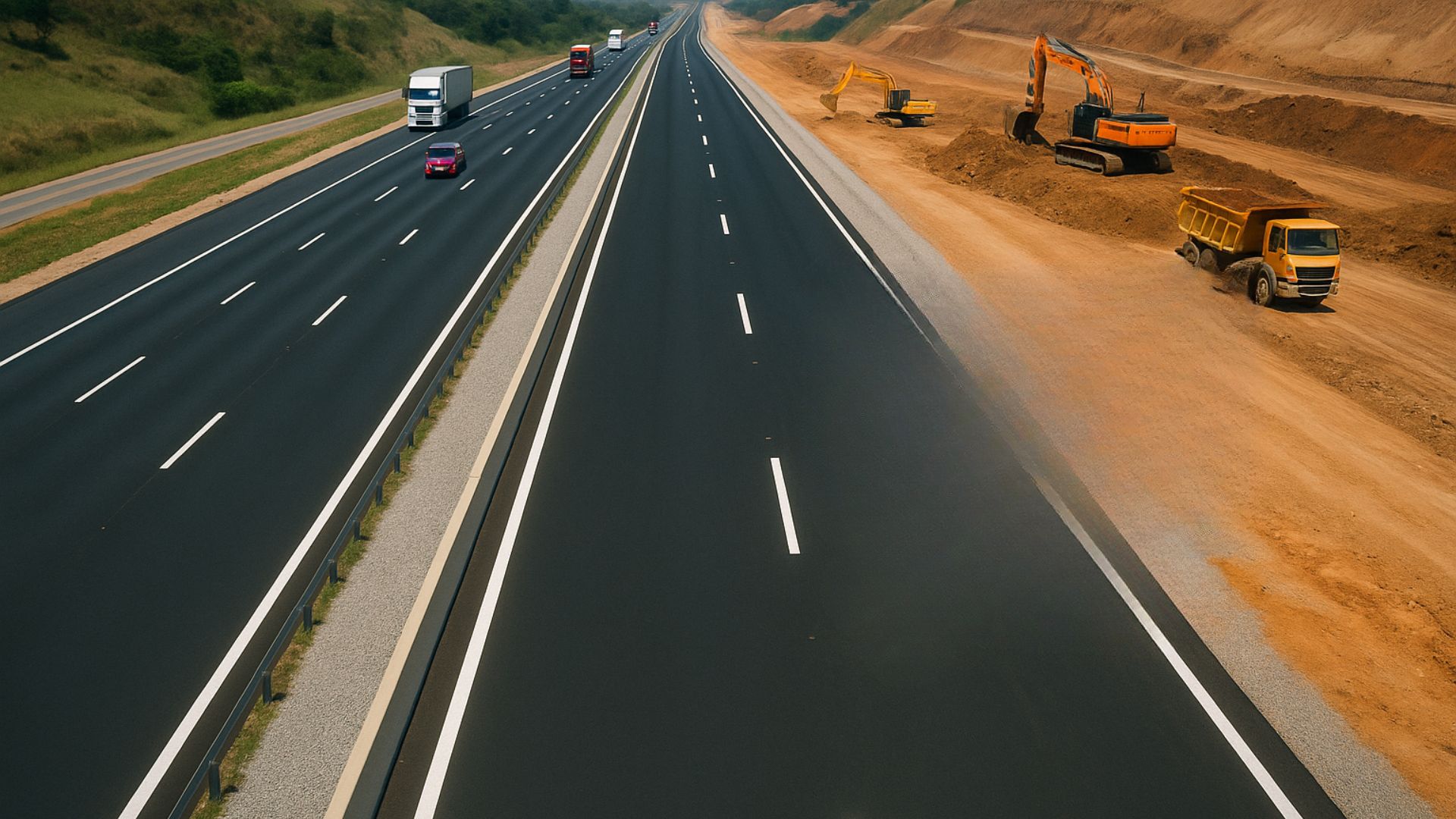
The New Phase of BR-381 Promises to Remodel Infrastructure, Expand Safety, and Transform the Regional Economy with Large-Scale Projects and One of the Largest Recent Highway Investments in the Country.
The concession of BR-381/MG, between Belo Horizonte and Governador Valadares, inaugurates a phase of investments estimated at around R$ 10 billion over 30 years, with plans for 106 kilometers of duplication, 83 kilometers of additional lanes, and 51 route corrections.
The package of works, combined with the private operation of 303.4 km under the responsibility of the Nova 381 concessionaire and the maintenance of stretches by DNIT, is expected to transform the highway into a safer and more efficient corridor, with a direct impact on truck drivers, industries, and communities of at least 13 cities and around 4 million residents reached by the new infrastructure.
Signing of the Contract and Start of the New Phase of BR-381
The concession contract for BR-381/MG was signed on January 22, 2025, in a ceremony at the Palácio do Planalto, with the presence of President Luiz Inácio Lula da Silva, Minister of Transport Renan Filho, and the board of the National Land Transport Agency (ANTT).
-
Scientists use sawdust mixed with clay to create a lighter brick, promising efficient thermal insulation and impressing by transforming waste into a solution for construction.

-
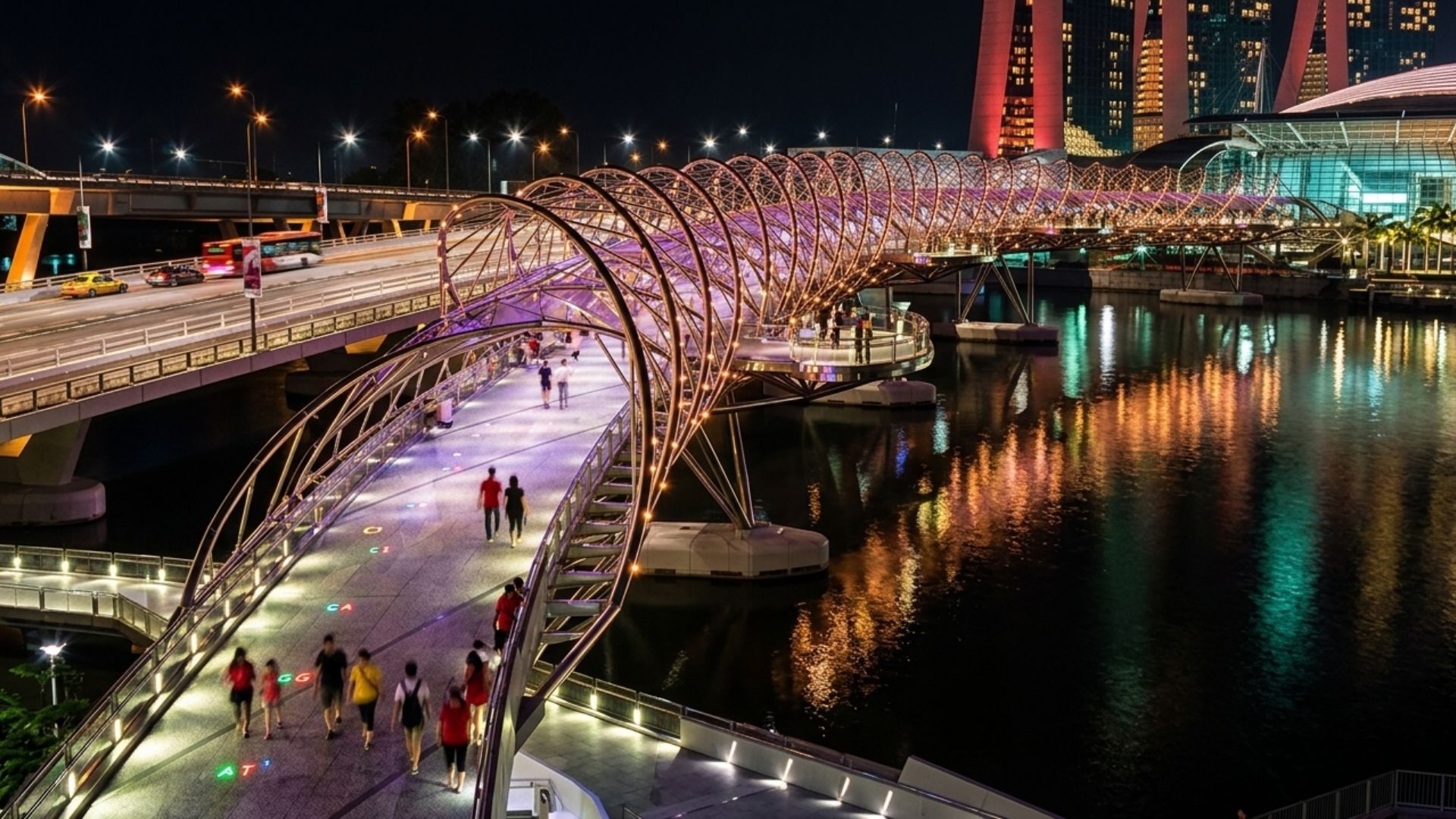
With a DNA shape, this bridge in Singapore draws attention in modern architecture and surprises tourists by transforming a simple crossing into an unforgettable visual experience in the urban heart.
-
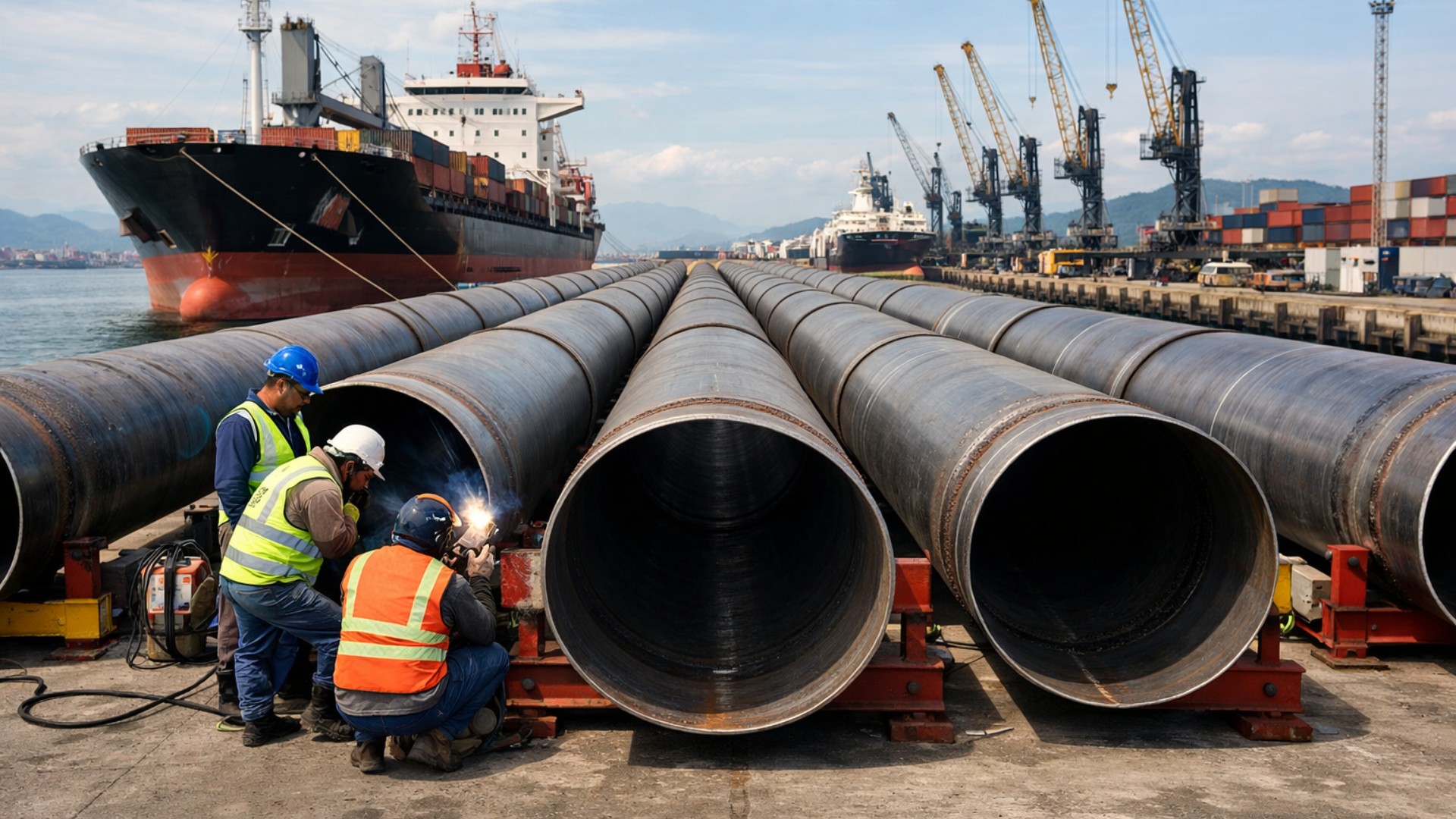
Giant underwater pipeline begins to take shape with a R$ 134.7 million project at the Port of Santos: the 1.7 km structure uses 12-meter and 700 mm pipes to supply water to 450,000 people in Guarujá.
-
A mason reveals a professional plastering technique that uses aligned guides and a 3-meter ruler to plaster an entire wall in up to 3 hours, without visible seams, with uniform thickness, perfect plumb, and a finish ready for painting without rework.


In practice, the agreement transfers to Nova 381 the recovery, operation, and maintenance of 303.4 km between the junction with BR-262 in Belo Horizonte and the connection with BR-116 in Governador Valadares, for 30 years, under ANTT regulation.

Meanwhile, DNIT remains responsible for stretches outside the direct concession, particularly lots 8A and 8B, which were removed from the auction project and will have works funded and executed by the federal agency, including footbridges and operational control structures, such as monitoring centers.
The Strategic Importance of the Corridor for Industry and Logistics
BR-381/MG is the main highway axis between the Metropolitan Region of Belo Horizonte, the Steel Valley, and Eastern Minas, connecting industrial and mining areas to other logistical corridors leading to the ports of Espírito Santo and the interior of São Paulo.
This stretch concentrates the flow of steel, mineral, agricultural, and service sector products, with an estimated average daily flow of 24.7 thousand vehicles.
The highway also broadly integrates the Fernão Dias system (BR-381), which connects Belo Horizonte to Greater São Paulo and is already duplicated in this stretch, linking three of the country’s main economic hubs: Minas Gerais, São Paulo, and Espírito Santo.
Long known as the “highway of death” due to the history of head-on collisions, tight curves, and steep inclines, BR-381/MG is treated as a priority for reducing accidents and unlocking the region’s logistics.
Expected Transformations with the Works on BR-381
Before the concession, the stretch was accumulating a high accident rate, critical overtaking points, and long traffic jams, increasing freight costs and travel times for truck drivers and passengers.

With the duplication of strategic segments, additional lanes on inclines, and corrections of dangerous curves, the expectation is for a significant reduction in head-on collisions, greater travel predictability, and decreased delays in freight transport.
For nearby communities, new footbridges, access roads, and ramps are expected to improve local mobility and reduce the isolation of small municipalities dependent on BR-381 to access essential services.
Planned Interventions: Duplications, Lanes, and Route Corrections
Under the Highway Exploration Program (PER), the following are planned:
– 134.27 km of duplication, combining remaining works and new sections;
– 83 km of additional lanes;
– 9.7 km of access roads;
– 20 footbridges for pedestrians;
– 15 wildlife crossings;
– 166 bus stops;
– At least one escape ramp.
The 51 route corrections are expected to smooth out very tight curves and improve visibility in critical stretches.
For the lots under DNIT’s responsibility, particularly 8A and 8B, there are additional works for duplication and capacity adjustments, including tunnels and viaducts that will be integrated into the operational standard of Nova 381.
Investments, Tolls, and Operation Model of the Concession

The contract signed between ANTT and Nova 381 establishes a volume of investments amounting to R$ 10 billion over 30 years, including works, monitoring systems, and operational costs.
The stretch will have five toll plazas distributed in Caeté, João Monlevade, Jaguaraçu, Belo Oriente, and Governador Valadares.
Toll collection will be free in the first year of operation, with gradual implementation after this period.
The model includes performance targets for pavement, signaling, user service, and safety.
Failure to meet these targets results in penalties and reviews, encouraging the maintenance of conservation standards and rapid responses to incidents.
How the Changes Affect Truck Drivers and Freight Transport
Freight transport will be directly benefited.
In addition to the duplication, the bidding document provides for Rest Areas (PPDs) equipped with restrooms, showers, food, and support areas to reduce risks associated with illegal stops.
Nova 381 will also operate a Operations Control Center (CCO) and service bases with medical teams, tow trucks, inspections, and continuous monitoring.
With increasing traffic, the combination of duplication and private management is expected to lower logistical costs and make travel time more predictable.
Jobs, Cities Served, and Regional Economic Impact
The government estimates that the works and operation of the highway will mobilize around 83,500 jobs, including direct, indirect, and income effect positions.
The concession traverses directly 13 cities and reaches an influence area of 21 municipalities, benefiting approximately 4 million people.
The modernization is expected to strengthen industrial hubs in the Steel Valley and may encourage new investments in logistics, industrial parks, distribution centers, tourism, and services.







-

-

-

-

-

18 pessoas reagiram a isso.