





 Portuguese
  English
  Spanish
  4 min of reading
  0 comments


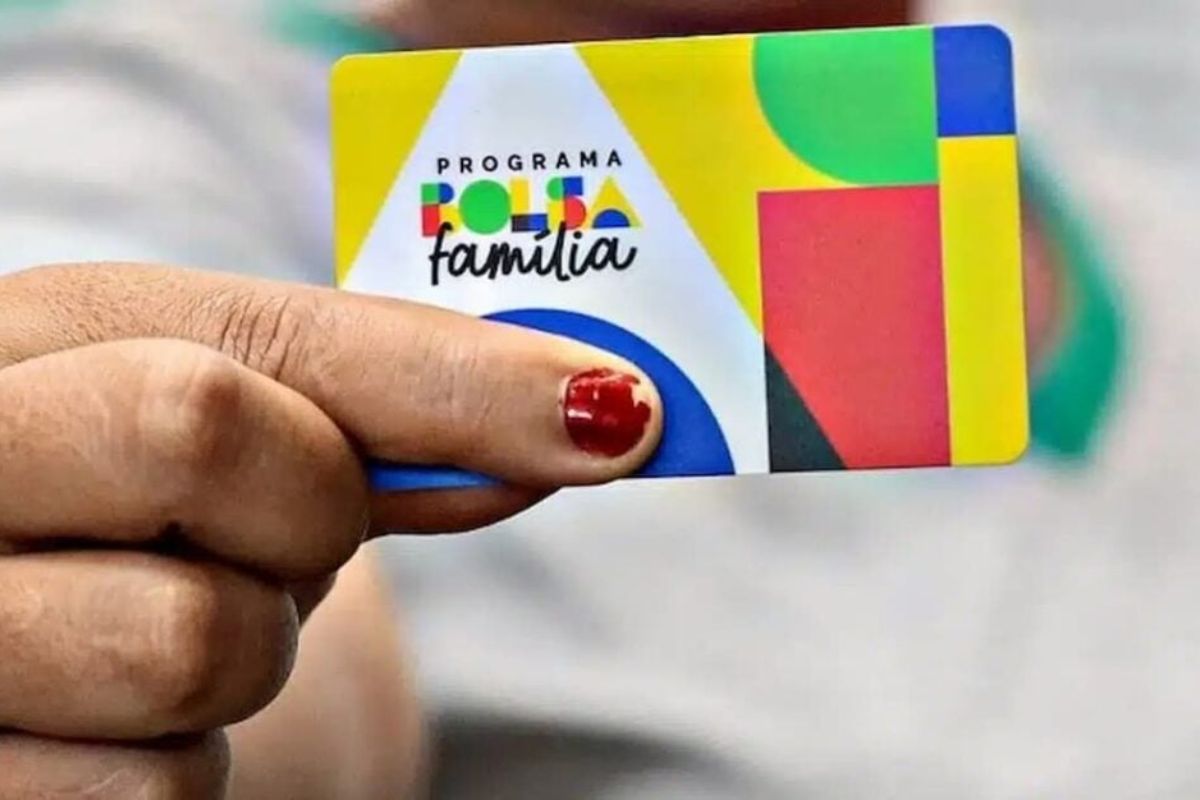
Understand the Reformulation of Bolsa Família in Brazil, the New Value Rules, the Return of Conditionalities, and the Impact of the Country’s Largest Income Transfer Program on the Fight Against Poverty.
One of the most important social programs in the world, Bolsa Família has recently undergone its most significant restructuring, marking a new phase in the country’s poverty alleviation policy. The reformulation of Bolsa Família in Brazil, implemented in 2023, not only restored the original name and structure of the program but also introduced new benefits and reestablished the health and education conditionalities that had been relaxed in its previous version, Auxílio Brasil.
This new phase aims to enhance the targeting of the benefit, ensuring that assistance reaches families in greatest need more effectively, while also encouraging them to keep their children in school and maintain their health. The restructuring is a direct response to the social and economic challenges facing the country, aimed at strengthening the social protection network and promoting social mobility.
A Story of Ups and Downs
To understand the current reformulation of Bolsa Família in Brazil, it is essential to look at its trajectory.
-
BRICS is building its own payment system that could be operational by 2030, and experts say it could increase trade between the countries by up to 10% per year and add 3% to the GDP of each member of the bloc.

-
Government suspends over 3 million traffic fines in Brazil and drivers breathe a sigh of relief.

-
Iran has just approved toll charges for ships in the Strait of Hormuz and has completely prohibited the passage of vessels from the United States and Israel in the world’s most important maritime route for the global energy market.

-
Government cancels R$ 25 million “celebration” for Brasília’s anniversary and allocates funds to health.


- Creation (2003): Created during the first government of Luiz Inácio Lula da Silva, the program unified several income transfer initiatives, such as Bolsa Escola, and became a global model for fighting poverty.
- Replacement (2021): Under Jair Bolsonaro’s government, Bolsa Família was abolished and replaced by Auxílio Brasil, which increased the benefit amount but removed the requirements for school attendance and vaccination.
- Return and Reformulation (2023): With Lula’s return to the presidency, the program was recreated in March 2023, maintaining the minimum value of R$ 600 from Auxílio Brasil but with a new benefits architecture and the return of conditionalities.
What Changed with the 2023 Reformulation?
The new structure of Bolsa Família was designed to be fairer and adapted to the reality of each family. The main changes were:
Additional Benefits by Family Profile: In addition to the base amount, the program now pays extra amounts based on family composition, recognizing that larger families and those with young children have more expenses.
Early Childhood Benefit: R$ 150 more for each child aged 0 to 6 years.
Variable Family Benefit: R$ 50 more for each pregnant woman, child, or adolescent aged 7 to 18 years.
Return of Conditionalities: To receive the benefit, families must meet requirements in health and education, reinforcing access to essential public services.
Education: Requirement of minimum school attendance for children and adolescents.
Health: Prenatal care for pregnant women and up-to-date vaccination records for children.
Employment Protection Rule: To encourage the pursuit of formal employment, families that secure a job and increase their income can remain in the program for up to two years, receiving 50% of the benefit amount.
The Impact on the Lives of Brazilians
The reformulation of Bolsa Família in Brazil is already showing significant results. The program serves around 21 million families, or more than 56 million people, and has been pointed out by institutions such as Ipea (Institute for Applied Economic Research) and the World Bank as a crucial factor in the reduction of poverty and income inequality in the country.
Recent studies also show that, contrary to fears, the program does not discourage the search for work. In 2023, nearly 47% of beneficiaries were employed. Additionally, the “Protection Rule” has worked: in July 2025, it was reported that almost 1 million families left the program voluntarily after improving their financial situation.
The Future and the Challenges
Despite its success, Bolsa Família faces the ongoing challenge of enhancing its monitoring mechanisms to prevent fraud and ensure that benefits reach those who truly need them. The continuous update of the Cadastro Único (CadÚnico) is the primary tool for this.
The reformulation of Bolsa Família in Brazil reaffirms the country’s commitment to social protection, showing that it is possible to combine income transfer with health and education incentive policies, creating a virtuous cycle of development and fighting inequality.
What do you think about the reformulation of Bolsa Família in Brazil? Do you believe that the return of conditionalities is important for the program’s success? Share your opinion in the comments!









-

Uma pessoa reagiu a isso.