





 Portuguese
  English
  Spanish
  3 min of reading
  0 comments


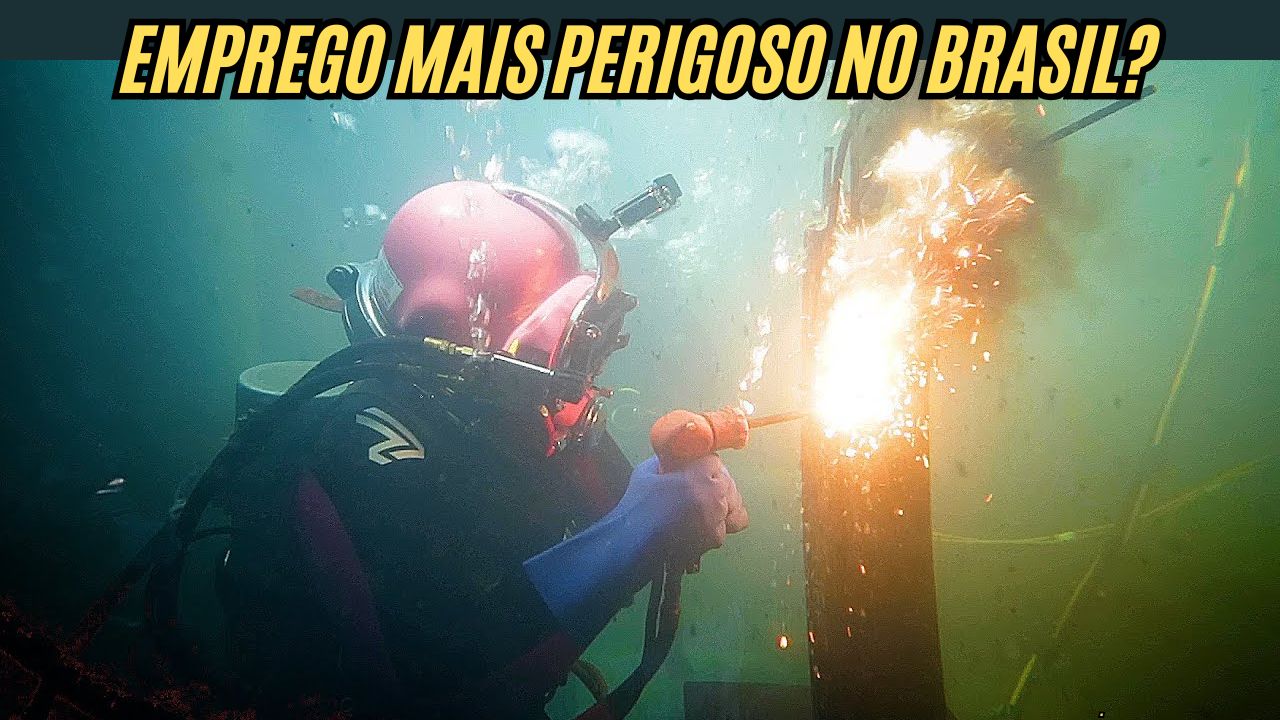
Would You Have the Courage? The Most Dangerous Job in Brazil Pays Up to R$ 20 Thousand and Lacks Interested People!
If you think you are ready to face extreme challenges and earn a good salary, you need to learn about the most dangerous job in Brazil. Underwater welding, a fascinating and risky profession, promises salaries that exceed R$ 20 thousand per month. Still, there is a lack of interested individuals willing to face the difficult conditions and risks involved.
What Is the Most Dangerous Job in Brazil?
Underwater welding is often considered one of the most dangerous professions in the world. Professionals in this field dive into deep waters to carry out repairs and construction using welding tools. Sounds like something out of a movie? It may well be, but it’s the reality for those who choose the most dangerous job in Brazil.
Underwater welders face challenges such as nearly zero visibility, extreme temperatures, and confined spaces while ensuring that structures like oil platforms, pipelines, ships, and dams function perfectly.
-
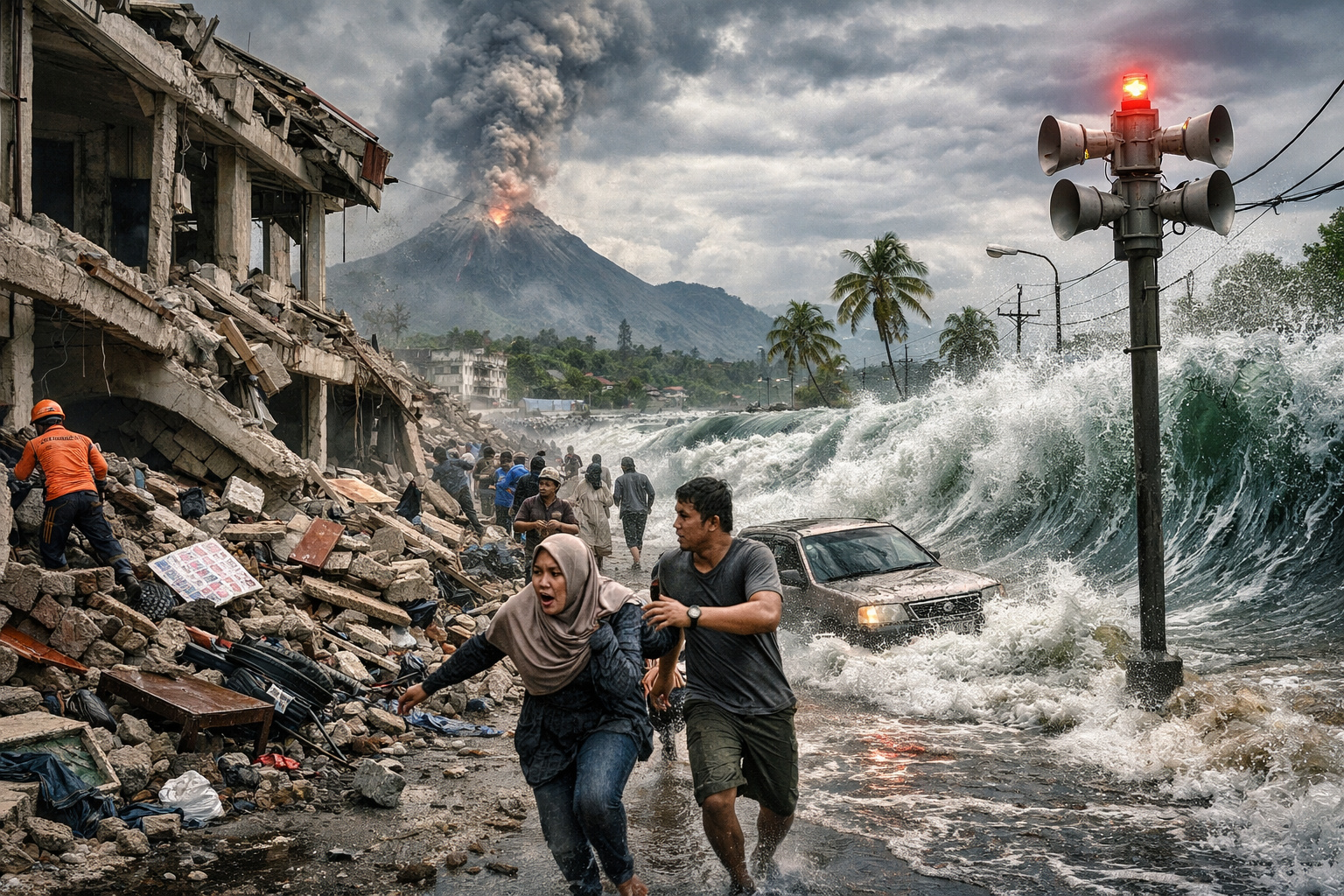
A strong earthquake in Indonesia affects houses and schools, causes panic, triggers a tsunami alert, and records a rise in sea level of up to 30 centimeters in some areas.
-
The Argentine government celebrates the lowest poverty rate in 7 years, but experts warn that the methodology has changed, real wages have fallen, unemployment has risen, and the number of people on the streets of Buenos Aires has increased by 57% since Milei took office.

-
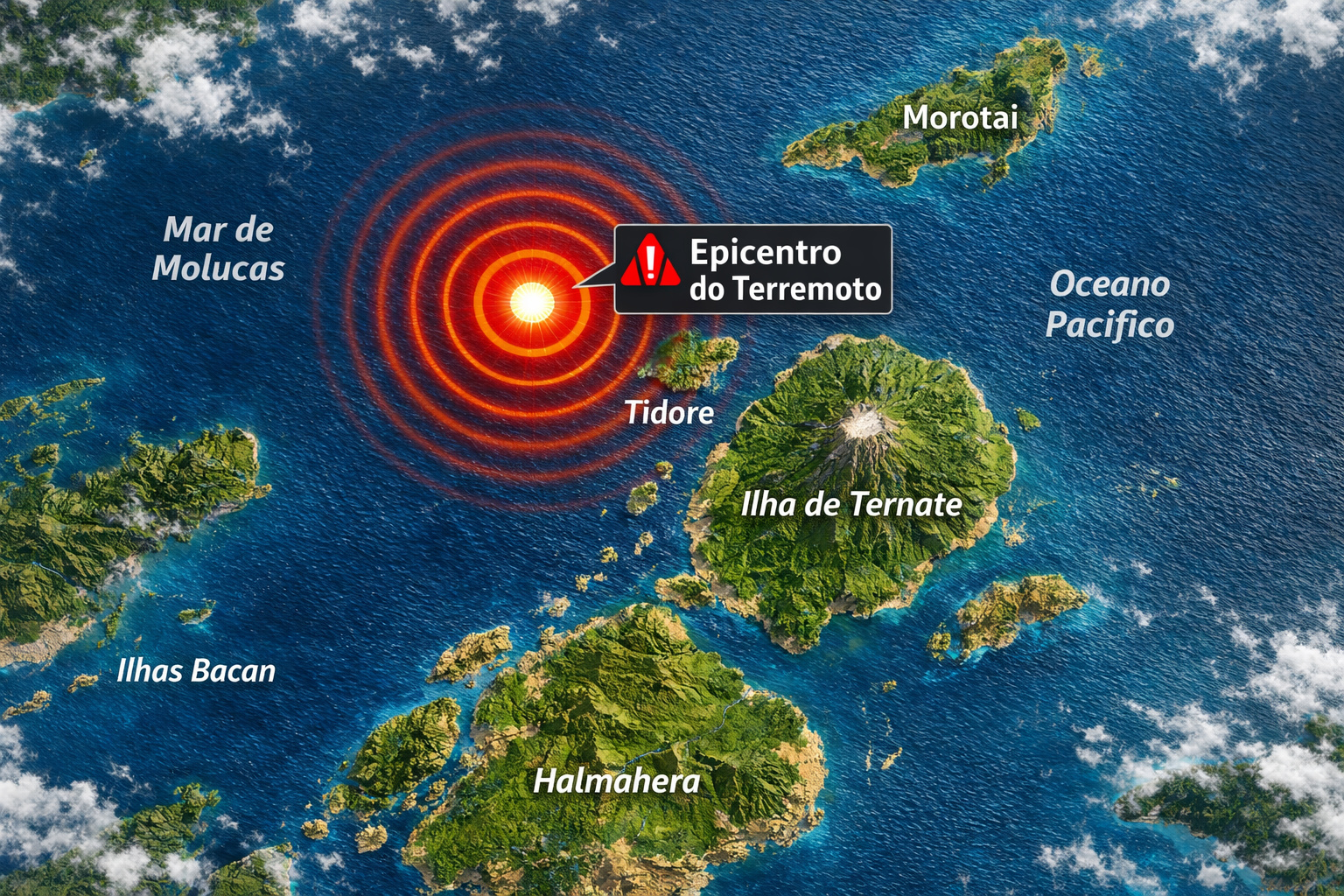
7.8 magnitude earthquake in Indonesia frightens the population, triggers tsunami alert, and hits an island with over 200,000 inhabitants this Thursday.
-
Google will finally let you change that embarrassing Gmail address you created in your teenage years without losing any accounts, logins, or old emails: the feature is already available in the United States.


While the danger is evident, the pay can compensate. In Brazil, underwater welders earn between R$ 5,000 and R$ 15,000 per month, and in more dangerous projects, such as large marine works, salaries easily reach R$ 20,000 or more.
Why Is It So Dangerous?

Welding underwater is a challenge that combines electricity and water—a combination that, in itself, already sounds alarming. Additionally, there are the risks of extreme pressure at depths, which can cause serious health issues, such as decompression sickness. This problem occurs when gases dissolved in the blood form bubbles during the ascent to the surface.
Another serious risk is the so-called “Delta P” (pressure differential), which can create such a powerful force that it pulls divers into confined spaces, often with fatal consequences. Moreover, there are the dangers of electric shocks, drownings, equipment failures, and the severe conditions of the environment, such as strong ocean currents.
To perform underwater welding, precision must be absolute, as a failure in the job can have disastrous results, both for the professional and for the repaired structure.
How to Become an Underwater Welder?
To enter the field, having courage is not enough—you need extensive preparation. The first step is to obtain basic training in commercial diving, learning essential techniques to operate underwater. Then comes specific training in underwater welding, usually offered by specialized schools.
In addition, seeking recognized certifications is crucial. In the United States, the American Welding Society (AWS) is one of the leading entities that qualify these professionals. In Brazil, certifications focus on both diving and welding, always emphasizing safety and technical skills.
And don’t think that just technical skills are enough. Welders need to be in excellent physical and mental shape to withstand the strain of the depths and maintain focus in extreme risk situations.
Is It Worth It?
With salaries that can exceed R$ 20 thousand and the allure of working in one of the most challenging professions in the world, underwater welding seems attractive. But the most dangerous job in Brazil requires much more than technical skills: it requires facing risks ranging from electric shocks to the deadly forces of nature.







-

Uma pessoa reagiu a isso.