





 Portuguese
  English
  Spanish
 6 min of reading
  0 comments


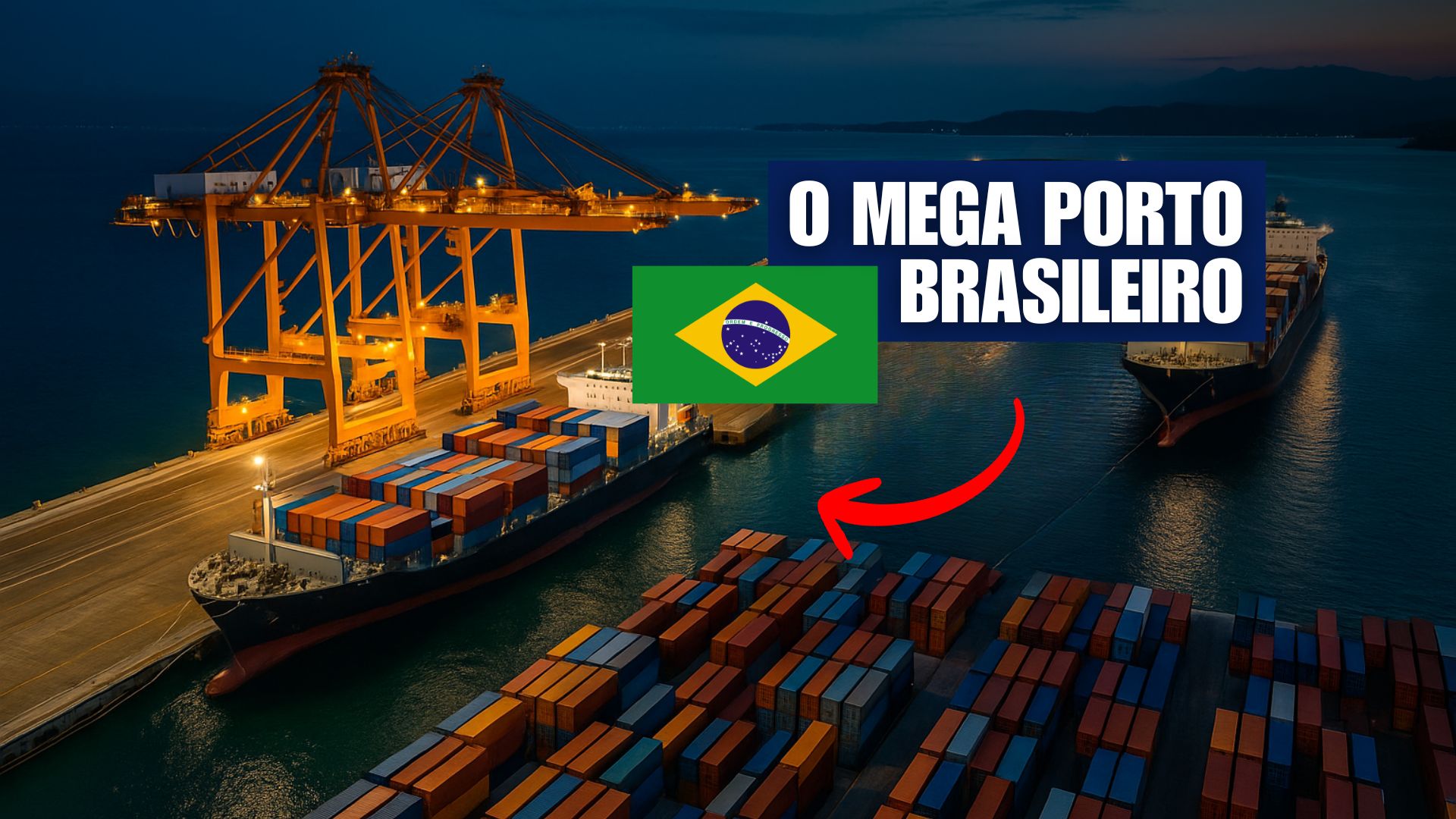
Port of São Sebastião Prepares for an Unprecedented Expansion with New Investments, Increased Capacity, and Logistical Transformation That Is Expected to Change the Role of the Terminal on the North Coast of São Paulo.
The Port of São Sebastião is preparing for the largest leap in its recent history.
With the leasing of a new terminal, area SSB01, the complex on the north coast of São Paulo is expected to receive R$ 2.5 billion in private investments, quadruple its cargo handling capacity to up to 4.3 million tons per year, and create a new terminal with 426 thousand square meters of operational area.
The estimate is the generation of more than 6 thousand jobs, adding temporary and permanent positions throughout the contract.
-
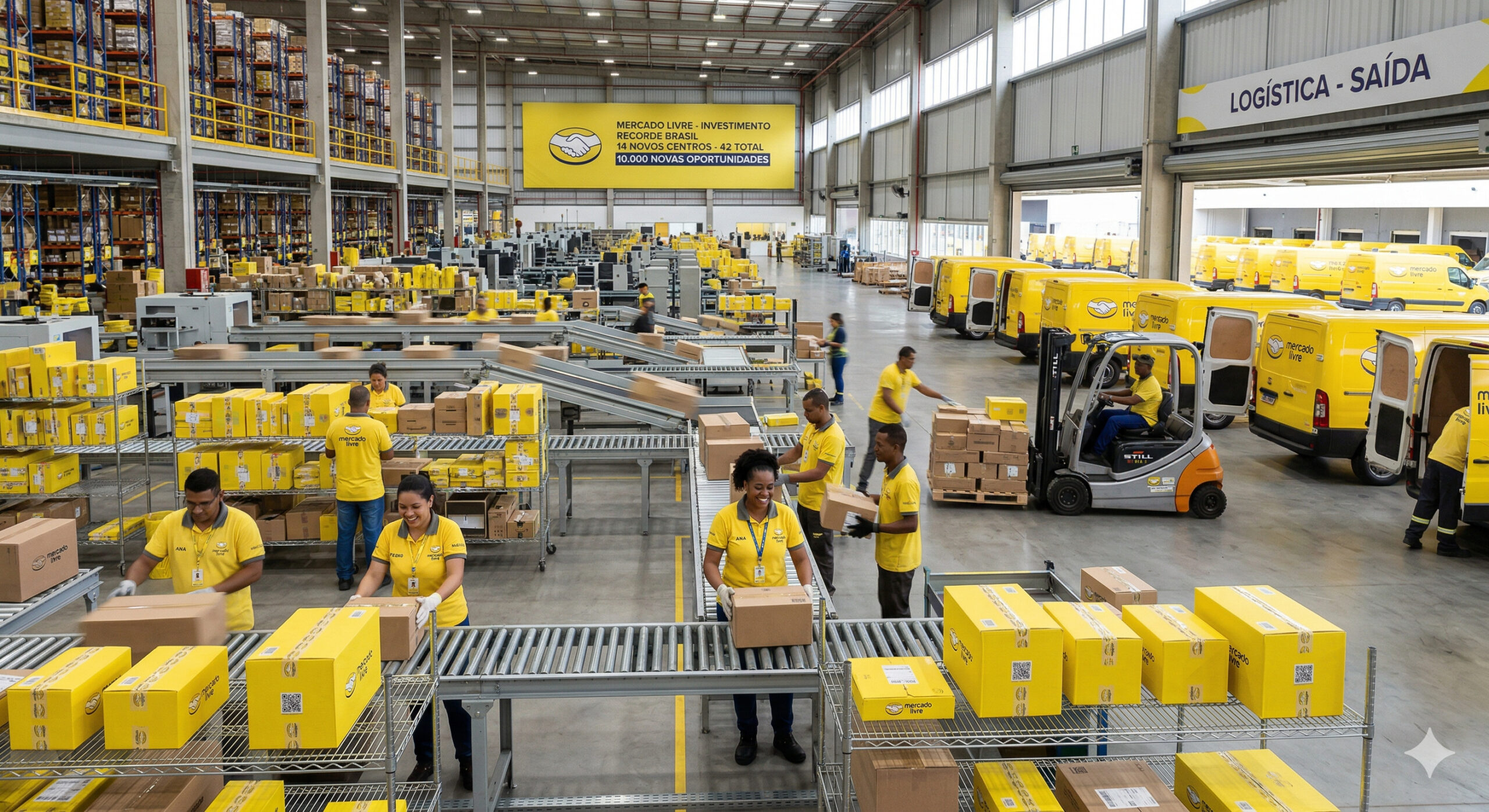
Mercado Livre “opens the vault” and announces a record investment of R$ 57 billion in Brazil in 2026, a value 50% higher than the previous year, with an expansion plan that includes 14 new logistics centers, totaling 42 units in the country and hiring an additional 10,000 employees.
-
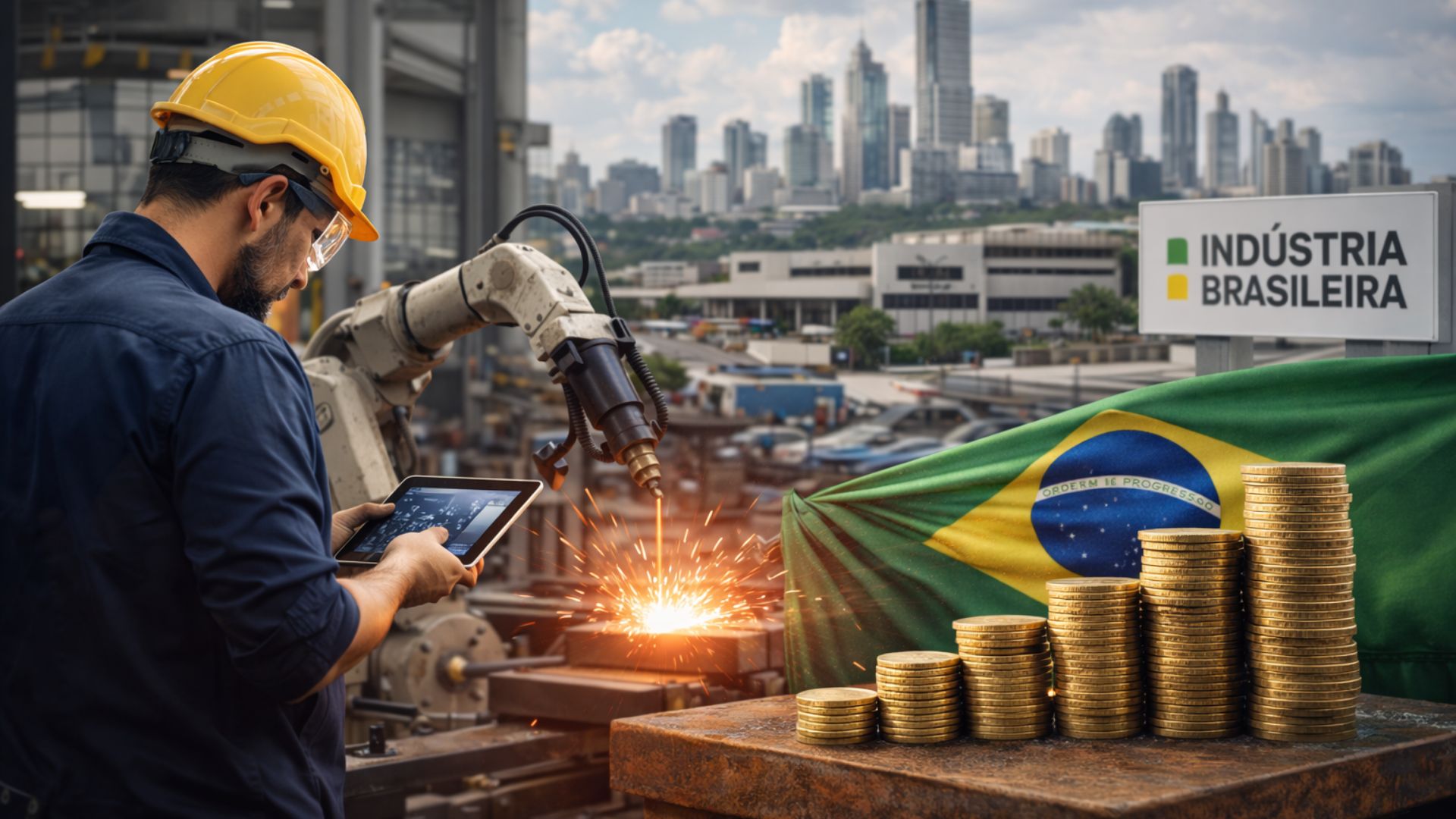
How investment in technology can revolutionize the national economy and enhance industrial gains, according to a study that highlights the direct impact on productivity, innovation, and wealth retention within Brazil.
-
The largest food company on the planet, JBS, has just opened a 4,000 square meter laboratory in Florianópolis to develop customized proteins that modulate muscle mass gain, immune response, and metabolic performance.

-
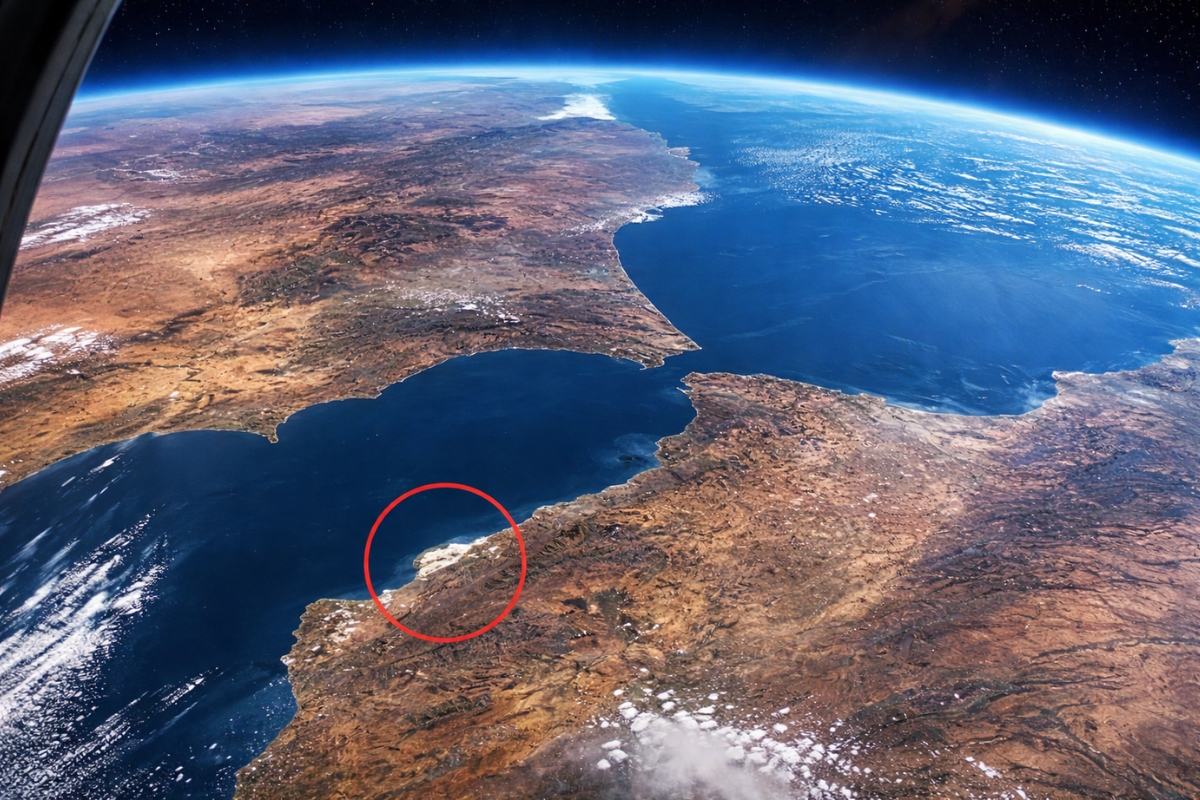
After nearly 30 bids and competition among industry giants, a Spanish company purchases one of the largest airports in Brazil for almost R$ 3 billion and takes over the management of Galeão in a concession that will last until 2039.


The expansion is conducted in partnership by the federal government and the State of São Paulo government, through the Companhia Docas de São Sebastião (CDSS) and the Secretariat of Environment, Infrastructure, and Logistics (Semil).
The bidding for the terminal is scheduled for March 2026, a step considered crucial to consolidate the port as one of the main logistics hubs in São Paulo.
Leasing of SSB01 and Impact on São Paulo Logistics
The visit of the Minister of Ports and Airports, Silvio Costa Filho, to the Port of São Sebastião marked the beginning of the final preparation phase for the auction of the SSB01 area.
On the agenda, he confirmed the federal government’s intention to auction the project in 2026, with a long-term contract focused on general cargo, bulk cargo, and containers.
The leasing project is still undergoing technical and legal adjustments and requires approval from the Court of Accounts of the Union (TCU) before the definitive publication of the bid notice.
The current model anticipates a 187% increase in handling capacity, allowing the port to reach up to 4.3 million tons annually, as well as up to 1.3 million containers per year when the terminal is fully operational.

The CDSS and the state government view SSB01 as the main driver of a new growth cycle for the port, expecting to attract large logistics operators, expand international routes, and strengthen the role of the north coast in the state’s export and import chain.
New Terminal of 426 Thousand m²
According to the model under discussion, the new terminal will occupy 426 thousand m² of operational area, with storage yards, support buildings, and a pier equipped with two berths for large vessels.
One of the berths will remain under public operation, ensuring flexibility for handling different types of cargo and maintaining space for operations under the direct control of the port authority.
The leasing contract will last approximately 35 years, during which the private investor will be responsible for the implementation, operation, and maintenance of the infrastructure.
In return, it will pay fees and tariffs specified in the contract, in addition to adhering to operational and environmental performance parameters defined by the regulatory agency and the Union.
Among the planned works are the construction of the pier, expansion of maneuvering yards, installation of modern truck loading and unloading systems, targeted dredging for adjustments, and improvements to internal access.
The expectation is that these interventions will enhance efficiency and reduce bottlenecks currently observed during peak periods.
Investments and Jobs on the North Coast
The official projection indicates R$ 2.5 billion in private investments throughout the SSB01 contract.
A significant portion of this total will focus on the initial construction phase, when the main maritime and land structures of the terminal will be built.

During the construction, the estimate is to generate around 5 thousand direct and indirect jobs, in functions related to engineering, services, transportation, commerce, and logistical support.
In the operational phase, the terminal is expected to maintain about 1.3 thousand permanent jobs, including direct and outsourced positions, raising the total impact to over 6 thousand job openings throughout the cycle.
The expectation is that the expansion will alter the economic dynamics of the north coast of São Paulo, impacting São Sebastião, Caraguatatuba, Ilhabela, and cities in the Paraíba Valley, strengthening chains such as construction, port services, road transportation, and activities related to business tourism.
Deep Channel and Recovery of Movement
One of the main assets of the Port of São Sebastião is its deep natural channel, which allows for the reception of large-draft vessels without the need for constant dredging.
This reduces operational costs and makes the complex competitive for higher volume and added value cargo.
The port has been recording advances in handling.
In 2024, it surpassed 1.4 million tons between January and November.
In 2025, the growth rate continues.
Until September, 1.12 million tons were handled, with emphasis on barilla, malt, wheat, sugar, and industrial equipment.
The performance reinforces the diversification of the cargo portfolio and the recovery of the port’s prominence among public terminals in the country.
This outcome earned São Sebastião recognition in the Ports + Brazil award, in the category of highest percentage growth in movement among public ports.
Truck Control and New Logistical Organization
Alongside the SSB01 project, the CDSS implemented measures to organize truck arrivals at the port.
Since October, it has been operating the Serramar Screening Center, a logistical support area located in Caraguatatuba.
All vehicles destined for the Port of São Sebastião must, by obligation, pass through the yard, with access conditioned to prior scheduling made by transport companies.
The space has about 32 thousand m², parking, restrooms, a cafeteria, a rest area, and 24-hour monitoring.

In the first phase, it has the capacity to receive about 150 trucks simultaneously, with the possibility of expanding to up to 500 vehicles.
The aim is to reduce congestion on urban roads, decrease waiting times, increase the predictability of operations, and contribute to the reduction of pollutant emissions.
The measure is part of logistical improvements that include the use of the bypasses of the Tamoios Highway and new support areas, connecting the port more efficiently to the interior of the state and to the main cargo routing corridors.
Governance and Regional Integration
Under the management of the Companhia Docas de São Sebastião, linked to Semil, the plan is for the expansion to occur with a focus on operational efficiency, environmental sustainability, and urban integration.
Ongoing studies foresee the maintenance of one berth under public operation and strict environmental requirements for the future lessee, including emission controls, waste management, and monitoring of impacts on the surroundings.
For the state government and the CDSS, the leasing of SSB01 complements other initiatives aimed at consolidating the Port of São Sebastião as a structured alternative to the large port complexes in the Southeast, especially in handling bulk, general cargo, and containers.
With the auction scheduled for 2026 and contracted billion-dollar investments, to what extent can the expansion of the Port of São Sebastião reshape the logistics and economic map of the north coast of São Paulo?






-

-

-

-

-

7 pessoas reagiram a isso.