





 Portuguese
  English
  Spanish
  5 min of reading
  0 comments



Ride-share Drivers Claim It Is Possible to Earn Up to R$ 250 in Four Hours of Work, but Earnings Vary According to City, Time, and Operational Costs. Strategy and Planning Are Cited as Decisive Factors for Maintaining Profit.
With the cost of living rising and the difficulty of finding a formal job, driving for apps has become a common alternative for supplementary income.
Among those working with Uber, a recurring question is whether working just four hours a day is enough to achieve consistent earnings.
According to company data and drivers’ reports, it is possible to achieve gross revenue of up to R$ 250 per day and net profit between R$ 90 and R$ 150, provided there is scheduling planning and expense control.
-
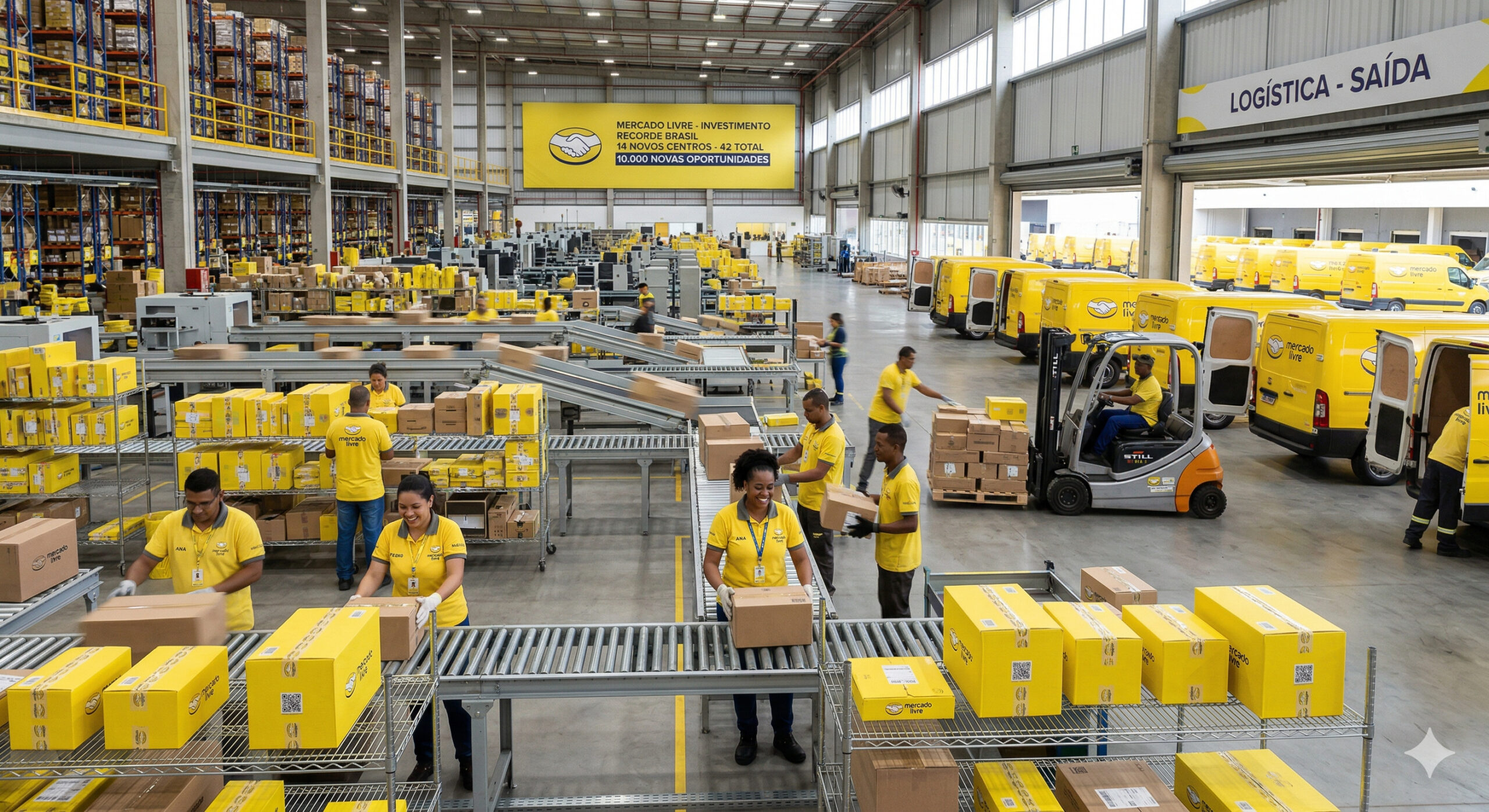
Mercado Livre “opens the vault” and announces a record investment of R$ 57 billion in Brazil in 2026, a value 50% higher than the previous year, with an expansion plan that includes 14 new logistics centers, totaling 42 units in the country and hiring an additional 10,000 employees.
-
How investment in technology can revolutionize the national economy and enhance industrial gains, according to a study that highlights the direct impact on productivity, innovation, and wealth retention within Brazil.

-
The largest food company on the planet, JBS, has just opened a 4,000 square meter laboratory in Florianópolis to develop customized proteins that modulate muscle mass gain, immune response, and metabolic performance.

-
After nearly 30 bids and competition among industry giants, a Spanish company purchases one of the largest airports in Brazil for almost R$ 3 billion and takes over the management of Galeão in a concession that will last until 2039.


Average Revenue and Variation Between Cities
Uber reports that drivers who work about 20 hours per week — the equivalent of four hours daily for five days — register average revenue of R$ 653 per week, or about R$ 32 per hour.
This amount, however, is not fixed and depends on factors such as city, type of vehicle, service category, and chosen times.
Drivers consulted by specialized mobility portals claim that returns usually vary between R$ 120 and R$ 200 per day, with the possibility of reaching R$ 250 gross on high-demand days.
In major urban centers, such as São Paulo, Rio de Janeiro, and Belo Horizonte, this variation is more frequent due to the volume of users and the incidence of dynamically priced fares, applied when there are more ride requests than available drivers.
Peak Hours and the Effect of Dynamic Fare
Urban transport experts explain that times of highest demand — between 6 AM and 10 AM and 6 PM and 10 PM — concentrate the most profitable rides.
During these periods, dynamic pricing increases the amount paid per trip, raising hourly revenue.
In specific situations, such as long holidays or large events, earnings can exceed R$ 60 per hour, according to drivers and industry associations.
On the other hand, working during low-demand hours reduces the number of rides per hour, impacting average earnings.
For this reason, drivers with limited time tend to prioritize peak times to ensure more predictable results.
Strategies and Positioning in Cities
According to experienced drivers and consultants in the field, operational strategy is one of the factors that most influence profit.
Avoiding short trips or routes to low-demand areas is a recommended practice, as is operating in areas with high passenger concentration, such as shopping centers, hospitals, universities, and airports.
The active use of the app — monitoring the heat map and event locations — is also mentioned as a way to reduce waiting time between rides.
According to experts, choosing rides wisely and avoiding long trips without passengers improves productivity and helps maintain average hourly revenue.
The condition of the vehicle is another crucial point.
Keeping up with maintenance and opting for more economical fuels are practices that help reduce costs and increase net profit.
In some cases, drivers with electric or hybrid vehicles report higher margins, although access to charging stations is still uneven across cities.
Costs and Profit Margin
According to estimates from ride-share driver associations, about 30% of the gross amount earned daily is allocated to operational expenses, which include fuel, maintenance, vehicle depreciation, and cleaning.
Thus, those who earn between R$ 120 and R$ 200 for four hours of work usually report net profit between R$ 90 and R$ 150 per day.
In a month with a regular schedule, income can range from R$ 1,800 to R$ 3,000, according to the same entities.
This result depends on factors such as type of fuel, average ride times, and the population density of the area where the driver operates.
Regional Differences and Service Categories
Economists and mobility analysts assert that local conditions directly affect drivers’ financial performance.
Cities with a higher volume of rides offer more opportunities for consistent earnings, while smaller regions may experience prolonged periods of idleness.
The category of the car also influences earnings.
Vehicles registered in categories with higher fares tend to generate more profitable rides, but with higher operating costs.
Tourist, corporate, and entertainment areas exhibit different flow patterns.
In regions with strong night activity, for instance, the night shift may be more profitable than early morning hours.
In business districts, demand concentrates in the early hours of the day and at the end of the workday.
How to Reduce Idle Time and Optimize Earnings
To minimize periods without rides, experts recommend that drivers plan their routes to end a trip near locations with a high probability of new requests.
This strategy reduces empty trips and improves the efficiency of the four daily working hours.
Another measure suggested is to start the shift a few minutes before peak.
This allows the driver to be positioned in strategic areas when demand increases, avoiding congestion and extended waiting times.
Daily logging of information — such as start time, location, and fare per ride — also helps identify patterns that assist in adjusting routines and selecting the best times.
Four Hours a Day: A Viable Model?
The viability of driving just four hours a day depends, according to experts and consulted drivers, on discipline, market analysis, and financial control.
Although the time is limited, a well-planned operation can ensure earnings comparable to longer shifts, especially if there is a focus on peak hours and constant attention to costs.
In the short term, this format is viewed as an alternative for those seeking additional income or transitioning careers.
In the medium term, experts warn that demand instability and rising operational costs require constant monitoring of profitability.
As app usage increases and the number of drivers grows, the question remains: will the four-hour daily model remain sustainable in the face of competition and costs in major Brazilian cities?









-

-

2 pessoas reagiram a isso.