





 English
  Francês
  Alemão
  Italiano
  Japonês
  Norueguês
  Portuguese
  Spanish
 3 min of reading


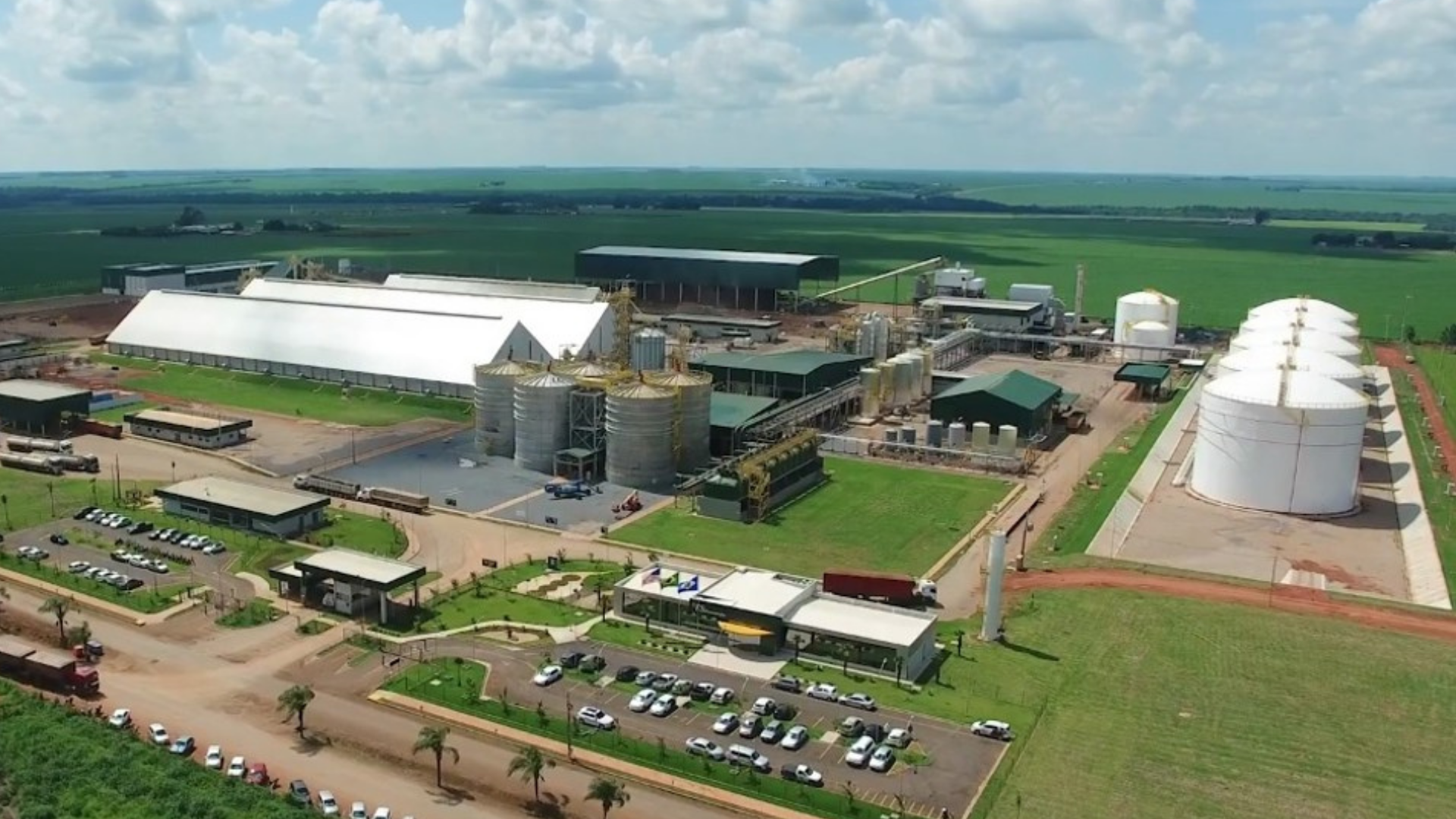
The FS Bioenergia Plant in Mato Grosso, Largest Corn Ethanol Producer in the Country, Will Be the 1st with Negative Carbon Footprint
FS Bioenergia, the largest corn ethanol producer in the country, will invest around R$ 250 million to implement a bioenergy system with carbon capture and storage at its plant located in Lucas do Rio Verde, Mato Grosso. The project will be the first in Brazil to have a negative carbon footprint – that is, it will store more carbon than it emits. See also: R$ 400 million in investments is expected in a new ethanol and energy plant in Bahia. 8,000 jobs may be created at the site
- CTC/PUC-Rio Study Manages to Produce Biogas Using Only Tangerine Peels
- American E-Commerce Leader Amazon Buys 1,000 “Robot-Driven” Trucks to Speed Up Deliveries
- Travel Company Decolar Opens 100 Job Vacancies in SP for IT, Finance, HR, and Various Other Areas
- SENAC and SESC-PR Offer 3,000 Vacancies in Free Online and EAD Courses in Areas of Gastronomy, Beauty, Management, and Other Categories
- Telemarketing Company Has 630 Job Vacancies for In-Person and Remote Positions with No Experience Requirement for the Attendant Role in Paraíba
Project with Negative Carbon Footprint of the Corn Ethanol Plant in Mato Grosso
FS Bioenergia will capture, compress, and transport the carbon produced at the plant to an underground storage location. The company has contracted geological and seismic studies to determine the exact location for carbon injection at the plant in Mato Grosso.
Rafael Abud, the company president, stated in an interview with Estadão that they conducted the first feasibility stage, which determined that the geological conditions of the plant’s region are good. According to him, they are now conducting seismic studies to ensure the feasibility of the site, in order to advance the construction of the carbon project at the plant.
-
While Russia dominates the global wheat market, Brazil emerges as an unexpected competitor in the Cerrado, offering grain available in July and August when stocks in the Northern Hemisphere are at their lowest point of the year.

-
China returned almost 20 Brazilian ships with soybeans, but now everything could change: the country that buys 80% of the grain is considering relaxing regulations after impurities held up shipments of thousands of tons and caused million-dollar losses.
-
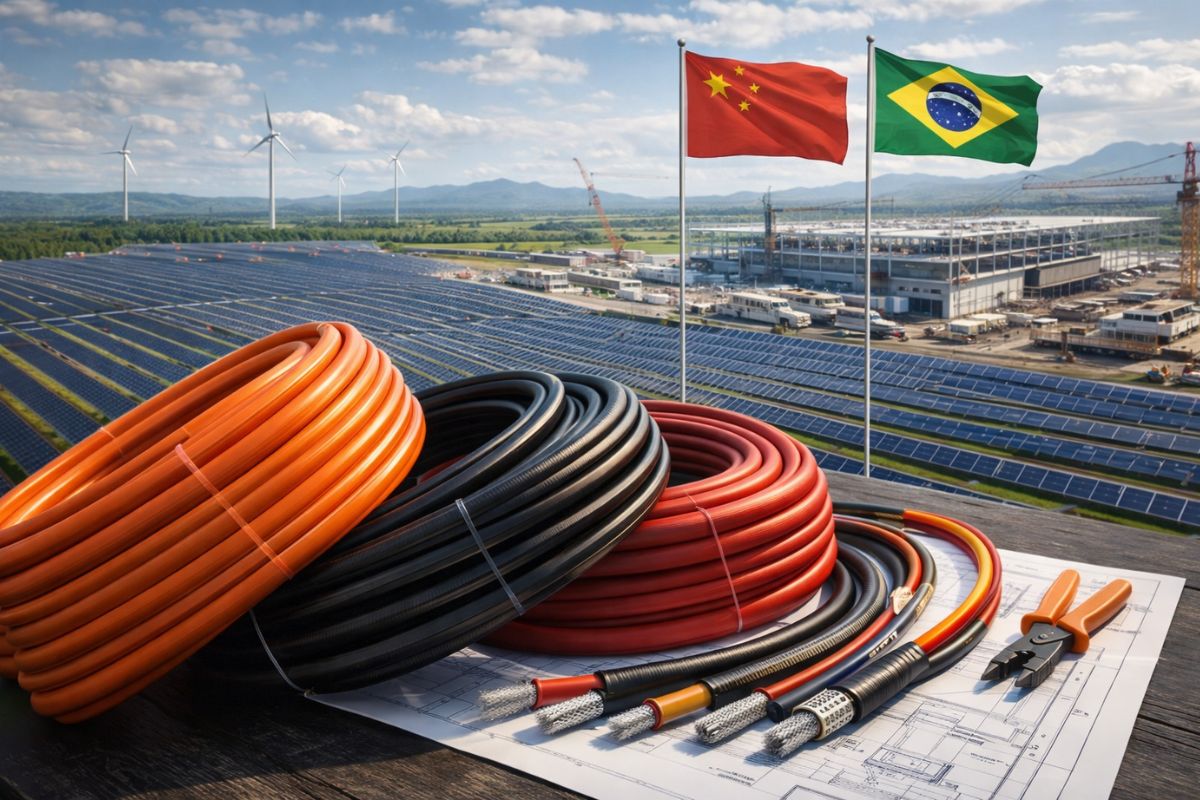
Chinese giant worth nearly R$ 4 billion that manufactures cables for electric cars, solar energy, and robotics wants to open a factory in SC.
-
Many employers do not know, but the law guarantees domestic workers a 25% increase in salary during trips, 50% for overtime, 20% for night shifts, and 17 additional benefits that can lead to labor lawsuits if not paid.


This seismic study was carried out to identify the ideal point and depth for the carbon injection at the corn ethanol plant. It is injected into porous rocks located just below impermeable rocks, which prevent the carbon from reaching the atmosphere – this would be the main risk of storage. The injected carbon occupies the rock pores and expands laterally – vertical expansion is prevented by the sealing impermeable rock.
First Plant in Brazil to Have Negative Carbon Footprint
This will be the first time this system is used for this purpose in Brazil – Petrobrás has a similar project, but the focus is on extracting oil, and the volume of carbon that remains in the soil is low. Rafael says that, in this case, the carbon is stored forever, and they will monitor the wells to ensure there are no leaks. To prevent the captured carbon from the plant from leaking, sensors will measure the CO2 levels in the atmosphere, in the soil, and in wells.
The company hopes to store all the carbon from the ethanol fermentation produced by the plant over the next 30 years or more. FS’s Executive Vice President of Sustainability and New Business, Daniel Lopes, indicates that the carbon to be captured at the facility has a high degree of purity. Therefore, it only needs to be compressed and dehydrated (if it were necessary to separate it from other gases before storage, the project’s cost would rise).
See Also: To Produce Ethanol from Sugarcane and Corn, São Fernando Unit Will Receive Investments of R$ 1 Billion in Mato Grosso do Sul
Millenium Holding Bioenergia won the auction for the São Fernando plant, located in the city of Dourados, state of Mato Grosso do Sul. The company will pay R$ 351.6 million within 180 days after the court decision. The plant, which has been in the judicial recovery process and subsequent bankruptcy since 2013, will gain investments of around R$ 1 billion over two years to become a flexible unit with the production of sugar and ethanol from both sugarcane and corn.





Seja o primeiro a reagir!