






 Portuguese
  Spanish


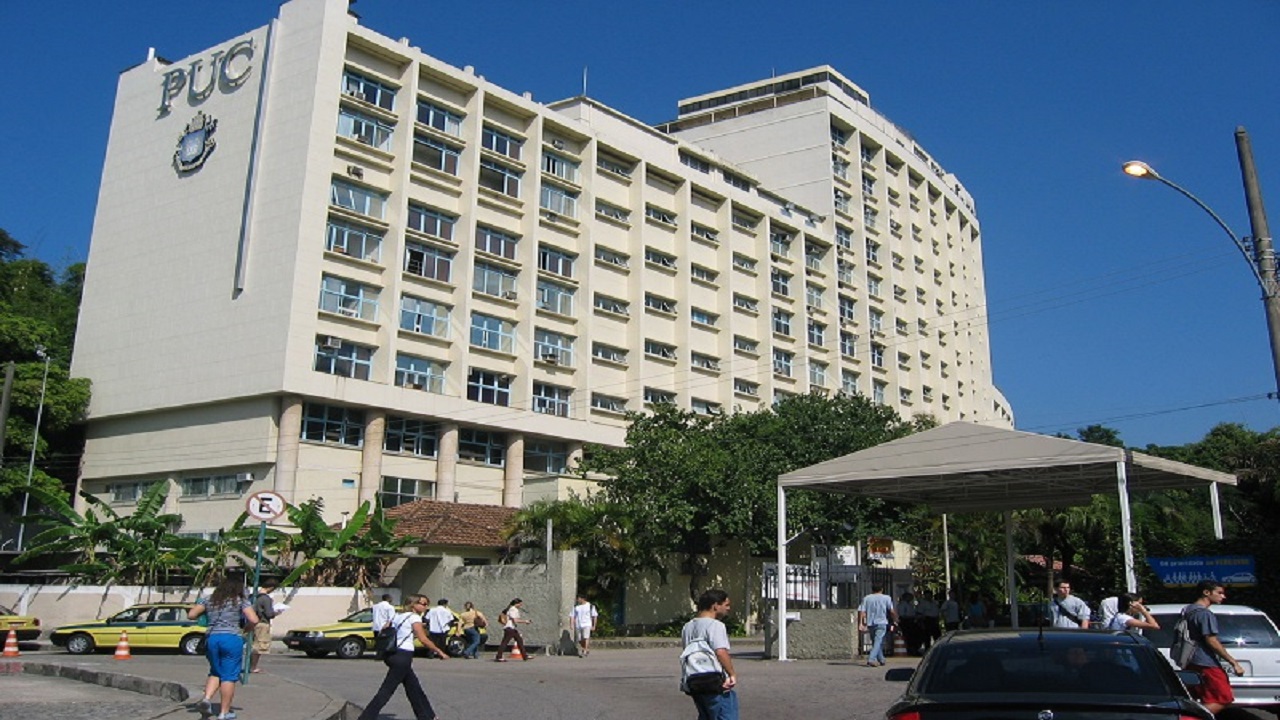

Mimosa, Bergamot or Tangerine? These Are the Various Names for Tangerine in Brazil, Which Was Mentioned in a Dissertation from CTC/PUC-Rio That Claims Its Peels Have the Potential to Generate Biogas
The Professional Master’s in Urban and Environmental Engineering at the Technical Scientific Center of PUC-Rio revealed in a dissertation that the tangerine peels, which are thrown away, can be transformed into biogas and can replace the use of fossil fuels as energy sources.
See Also
Understand the Dissertation by Engineer Rafael Vieira de Carvalho – CTC/PUC-Rio
Tangerines are the second largest group of citrus fruits produced in the country, falling behind only oranges, which means they are a fruit very present in the everyday life of Brazilians and now have a great potential for reuse.
The author of the CTC/PUC-Rio dissertation, engineer Rafael Vieira de Carvalho, states that if organic waste is treated correctly, it can generate sustainable energy and fertilizer and contribute to economic growth while reducing impacts and being strong allies in the pursuit of a cleaner future.
-
28-meter, 156-ton titans traveled 20,000 km from China to the port of Santa Catarina: Portonave received 7 fully electric megacranes, part of a R$ 210 million package, to double container handling.

-
Fired during apartheid and with a little borrowed money, an electrician started with a borrowed truck and transformed electrical services into a group connected to energy, real estate, and infrastructure in South Africa.

-
Wood has ceased to be just a construction material in Yale research and has become insulation for electrical transformers that face intense heat, aging, and increasing pressure from the renewable energy-powered grid.
-
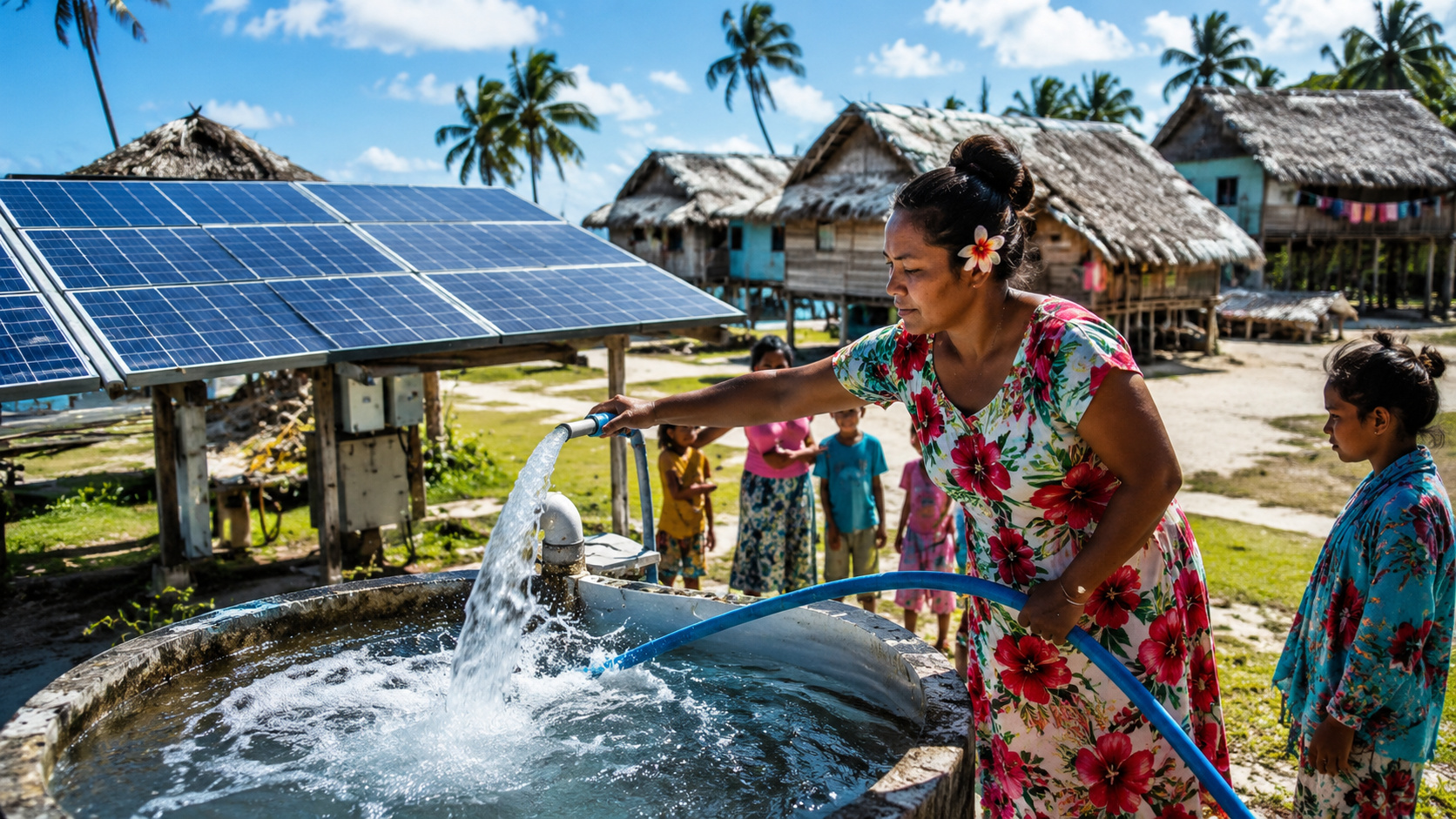
More than 1,000 residents of a remote island in Kiribati now have clean water and electricity with solar systems operated by the community itself.


Biogas is a gas primarily composed of methane and CO2, and it can be found through a test known as BMP (Biochemical Methane Potential), where the peels and organic waste from the tangerine are ground, mixed, and stored in devices that measure the variation in biogas volume over approximately 21 days.
The study “Treatment of Organic Solid Waste: Analysis of the Potential for Biogas Generation from the Anaerobic Digestion of Tangerine Peels” provided a reassessment of the juice production process from fruits, reviewing the types of fruits that have had potential for biogas production such as banana, grape, pineapple, lychee, passion fruit, pitaya, orange, apple, mango, melon, cherry, and avocado.
The Importance of Juice Producers in the Reuse of Tangerines
According to Rafael, it is essential that both small and large juice manufacturers are aware of the life cycle of the products they use, with the possibility of being reused for biogas production. He states that consumption should be reconsidered beyond mere product utilization.
The encouragement in CTC/PUC-Rio’s research aimed to find a solution that could bring sustainable development to Brazil, presenting a new input that can generate clean energy.
The coordinator of the Professional Master’s in Urban and Environmental Engineering, Prof. Celso Romanel, states that biogas is a valuable product that can directly combat the increase in pollutant emissions, considering it can be used as electrical, thermal, or fuel energy.
New Discoveries in Fruits
At the Federal Institute of Ceará (IFCE), at the Iguatu Campus, researchers studied the reuse of some substances present in banana peels. The substance is lignin, which is normally discarded from bananas and can reportedly be applied in the pharmaceutical, food, and also packaging industries, which currently use petroleum derivatives.
According to Francisco Avelino, a professor at the Ceará unit, the research started in August 2019 and was initially a project begun with a chemistry student, but due to the worsening of the pandemic, it took longer to develop.








