





 Português
  Inglês
  Espanhol
  3 min de leitura
  0 comentários


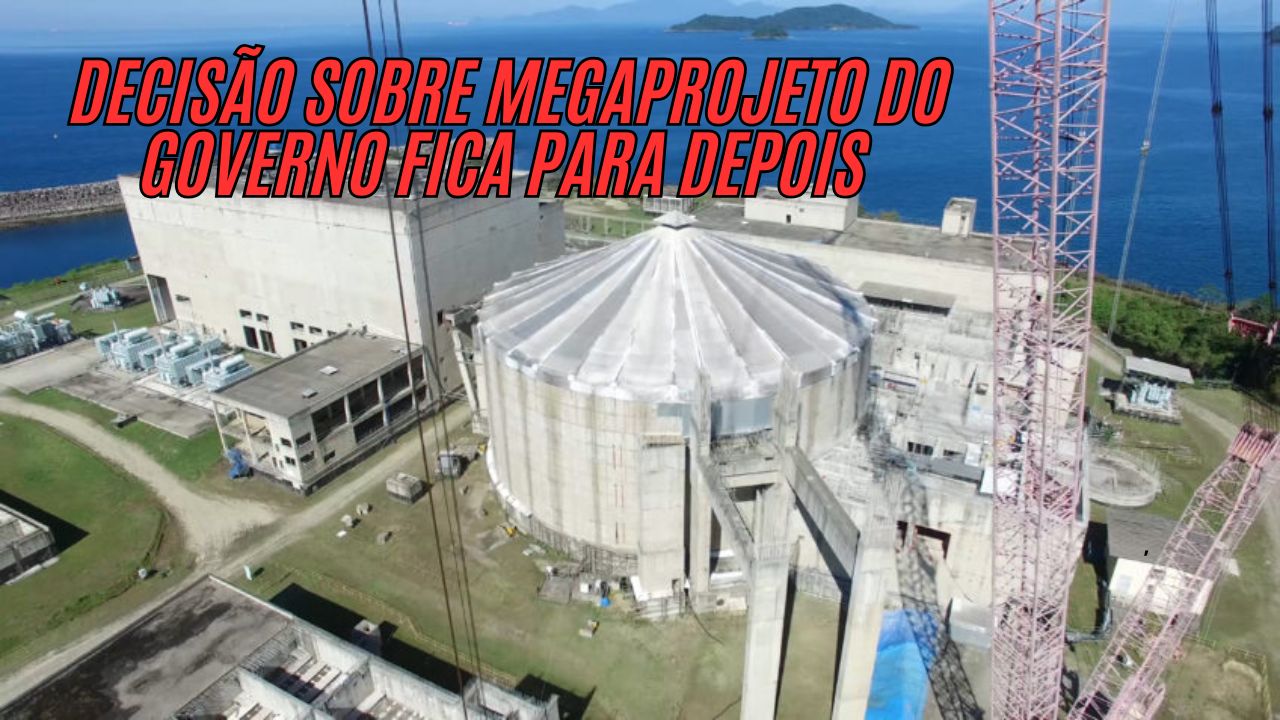
Project Has Already Consumed R$ 12 Billion, Is 67% Completed, and Could Result in Losses of R$ 21 Billion if Abandoned, but Approval to Resume Construction of Angra 3 Nuclear Power Plant Is Delayed Again.
The government’s megaproject to resume work on the Angra 3 nuclear power plant faces another obstacle. Despite expectations, the National Energy Policy Council (CNPE) has postponed the approval of the resolution that would allow construction to continue, which has been stalled for 40 years on the southern coast of Rio de Janeiro. Tuesday’s meeting revealed disagreements among the involved ministers and raised doubts about the fiscal impact of the project.
The Minister of Mines and Energy, Alexandre Silveira, publicly defended the resumption of the project. Studies from the National Bank for Economic and Social Development (BNDES), recently submitted to Eletronuclear, indicate that abandoning the power plant would incur losses of R$ 21 billion, considering past investments and debt settlement costs.
Angra 3: Between Losses and Opportunities
So far, about 67% of the construction of the Angra 3 nuclear power plant has been completed. To finish it, R$ 30 billion will be needed, most of which is expected to come from private financing. Only a fraction of 10% of the total amount would be funded by Eletronuclear’s partners, while the direct impact on public funds would be R$ 1.6 billion.
-
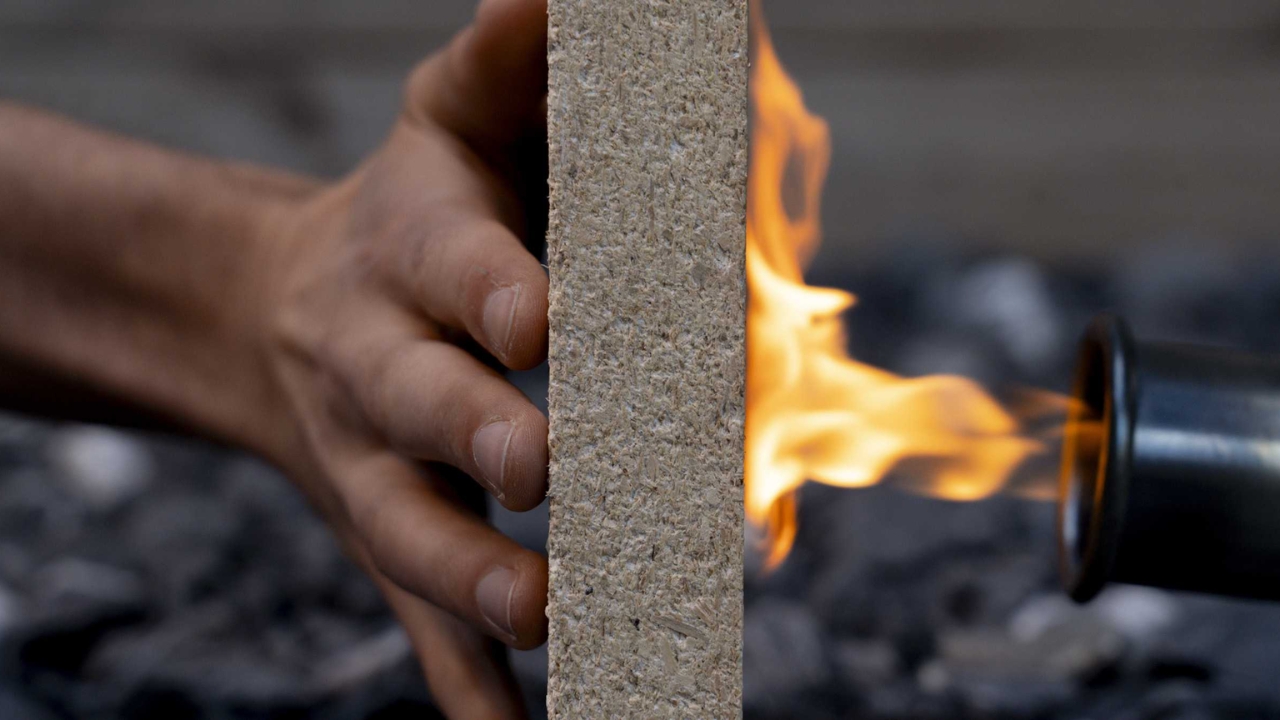
Scientists transform sawdust into fire-resistant panels, stabilize the compound with an enzyme extracted from watermelon seeds, and turn waste into promising material for construction.
-
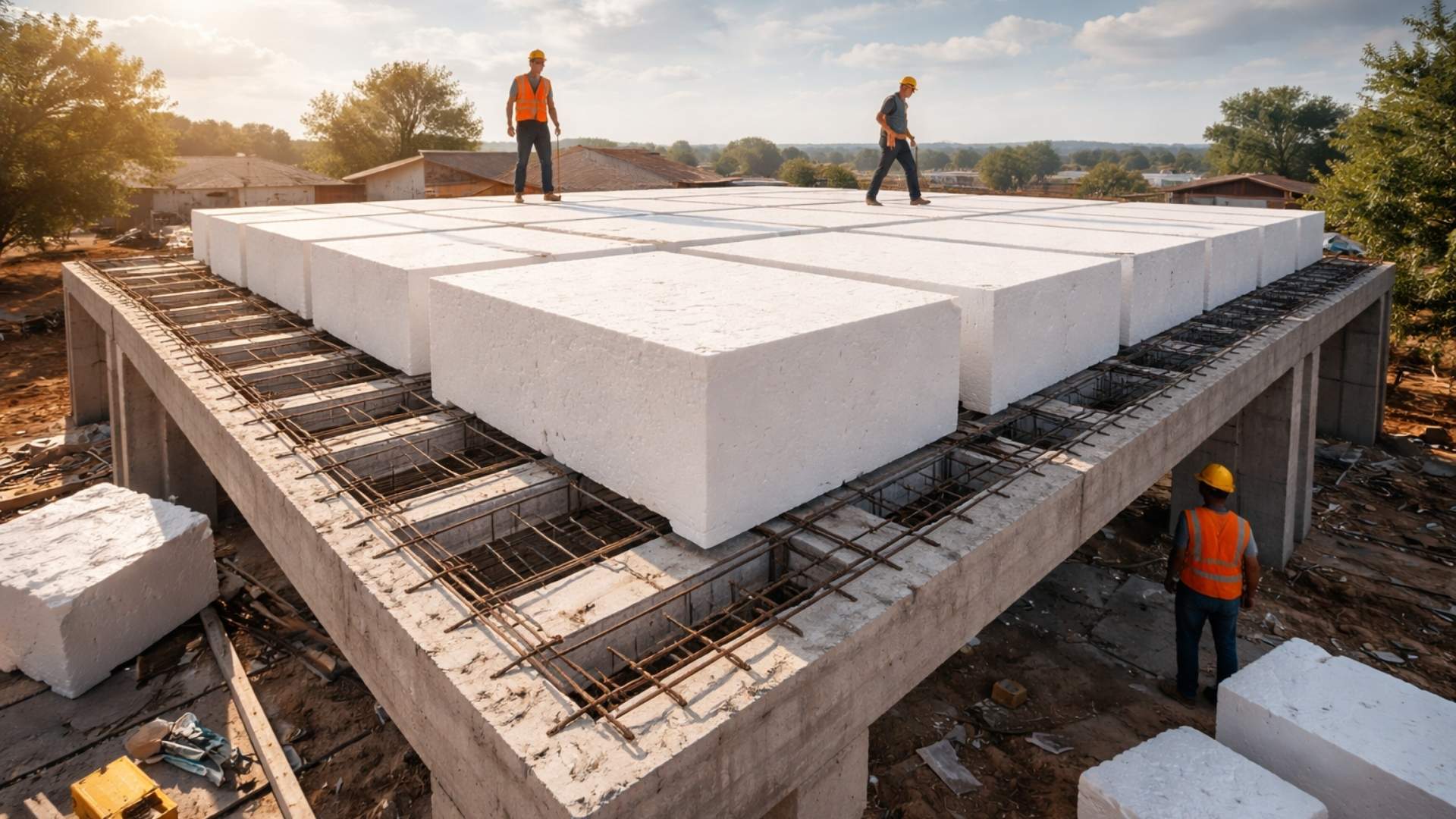
Forget concrete: architects are replacing tons of concrete with giant blocks of expanded polystyrene to build the roofs of houses and reduce structural weight by up to 50%, cut costs, improve thermal insulation, and speed up construction.
-
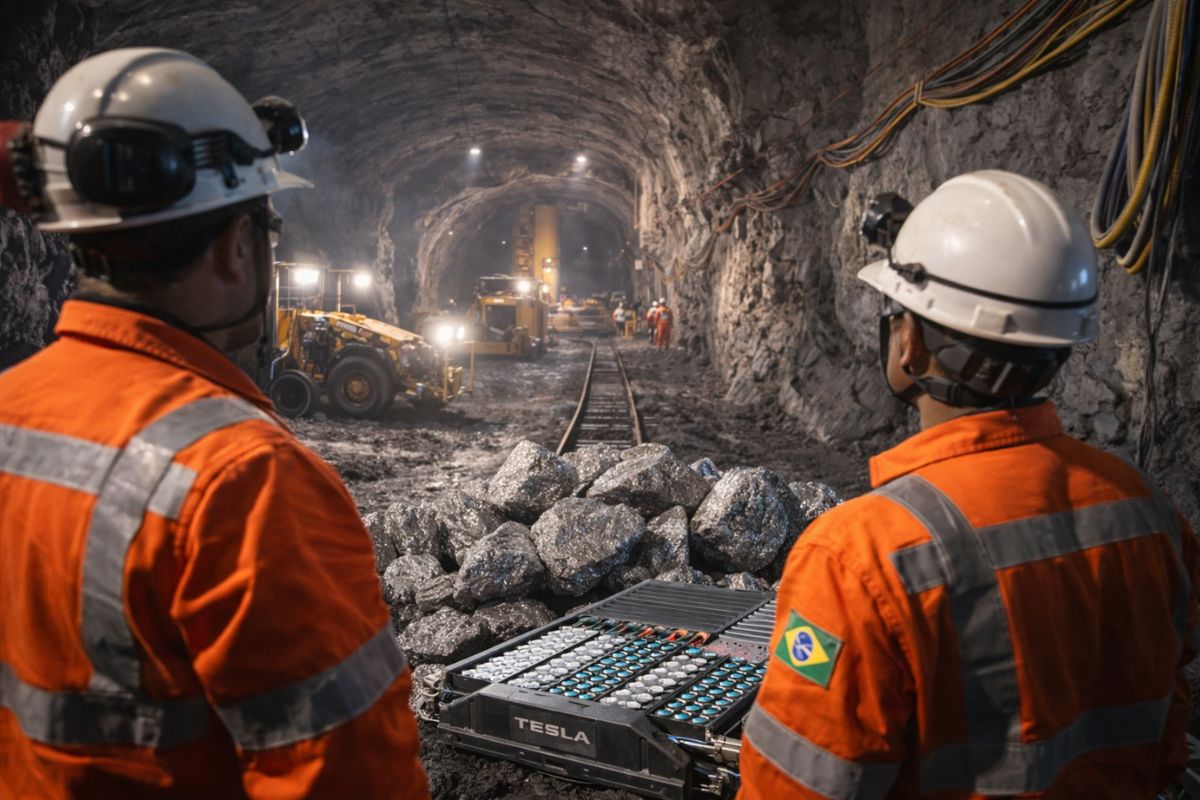
The Brazilian state enters the center of the global race for critical minerals by starting the construction of the largest underground nickel mine in Latin America, a mineral essential for electric car batteries that the entire world is competing for at this moment.
-
New CCR concrete paving technology promises roads up to 3x more durable, less maintenance, and cost reduction in Brazil.


BNDES studies also pointed out that the machinery acquired in the 1980s remains capable of operation, even after decades of complex maintenance, such as vacuum packaging and periodic lubrication.
Impact on the Energy Sector
One of the major pending issues is the price of the energy generated by Angra 3. BNDES estimated a tariff of R$ 653.31 per megawatt-hour (MWh), considered viable for the continuation of the project. Defining this price is crucial for the power plant, which is part of the national electric system, to become financially sustainable.
Moreover, resuming construction of the Angra 3 nuclear power plant is seen as strategic for diversifying Brazil’s energy matrix, strengthening the role of nuclear energy in the country.
History of the Plant Is Marked by Delays
Since its conception in the 1980s, the project has faced economic crises and corruption scandals. Successive stoppages have led to unusual situations, such as the high maintenance costs of an inactive construction site — about R$ 1 billion per year.
Now, the future of the Angra 3 power plant rests in the hands of the government, which needs to align technical, financial, and political issues to bring one of the biggest challenges in the recent history of the Brazilian energy sector to fruition.
It remains to be seen if the government’s megaproject will have the strength to overcome the barriers and finally come into operation.








Seja o primeiro a reagir!