





 Portuguese
  English
  Spanish
  4 min of reading
  0 comments


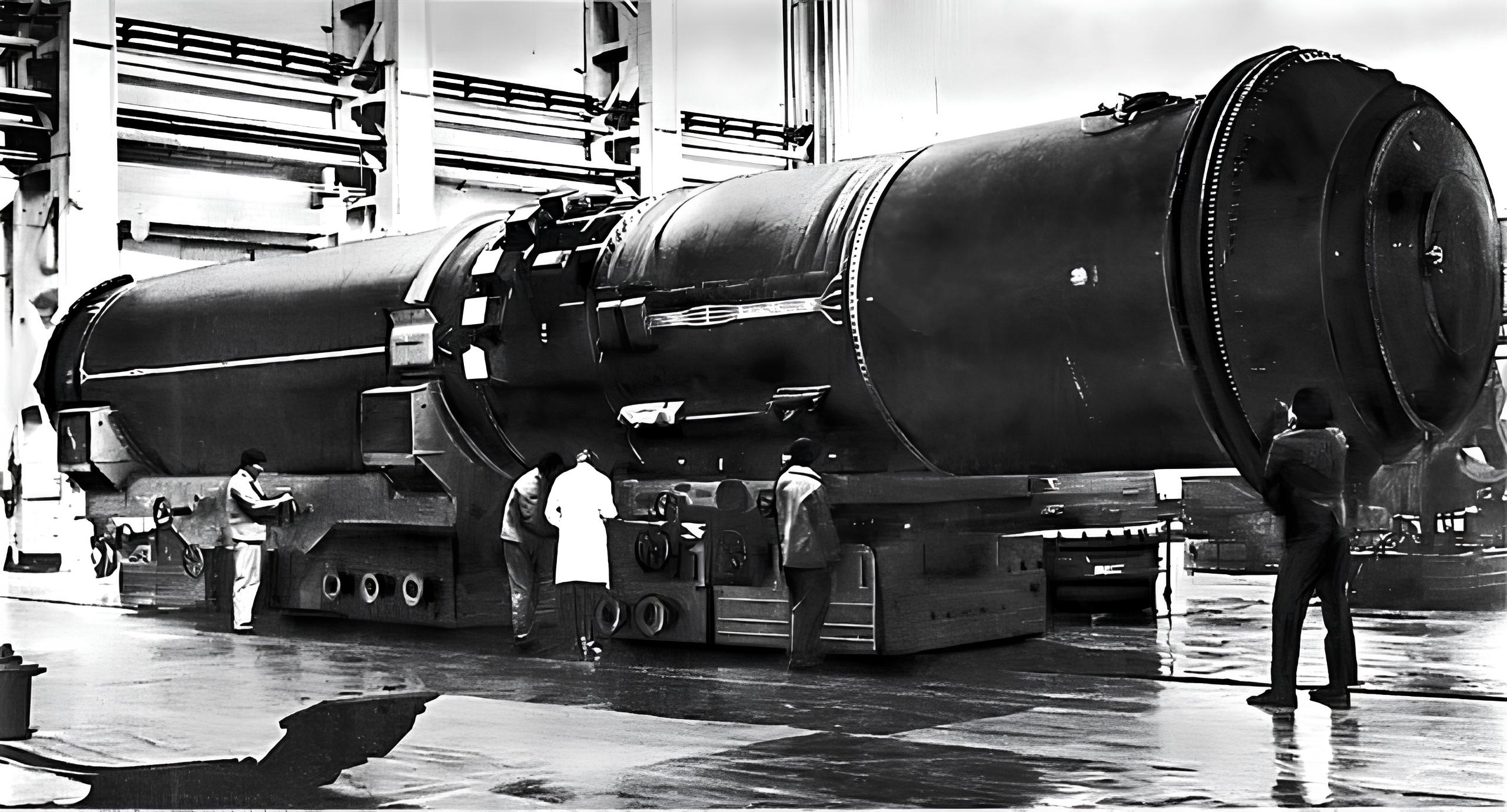
Weighing 90 Tons and With a Range of 8,300 Km, the R-39 Rif Missile Transformed 48,000-Ton Typhoon Submarines into Nuclear Platforms Capable of Operating Under the Arctic Ice.
At the tensest point of the Cold War, when the survival of a nuclear arsenal became as important as its power, the Soviet Union decided to take the concept of strategic deterrence to an almost unimaginable extreme. The result was the R-39 Rif, a submarine-launched ballistic missile that, on its own, already seemed excessive. But the real shock came from the complete package: a 90-ton missile, armed with up to 10 nuclear warheads, embarked on the largest submarines ever built by humanity, designed to operate under the Arctic ice.
It was not just a weapon. It was a system designed to ensure nuclear retaliation even in the worst possible scenario.
The Logic of War Under the Ice
The Soviet doctrine was based on a clear premise: in a total nuclear war, land bases and submarines in open sea would be priority targets. To survive, the strategic force needed to hide where the enemy would have the most difficulty operating. The Arctic offered exactly that.
-
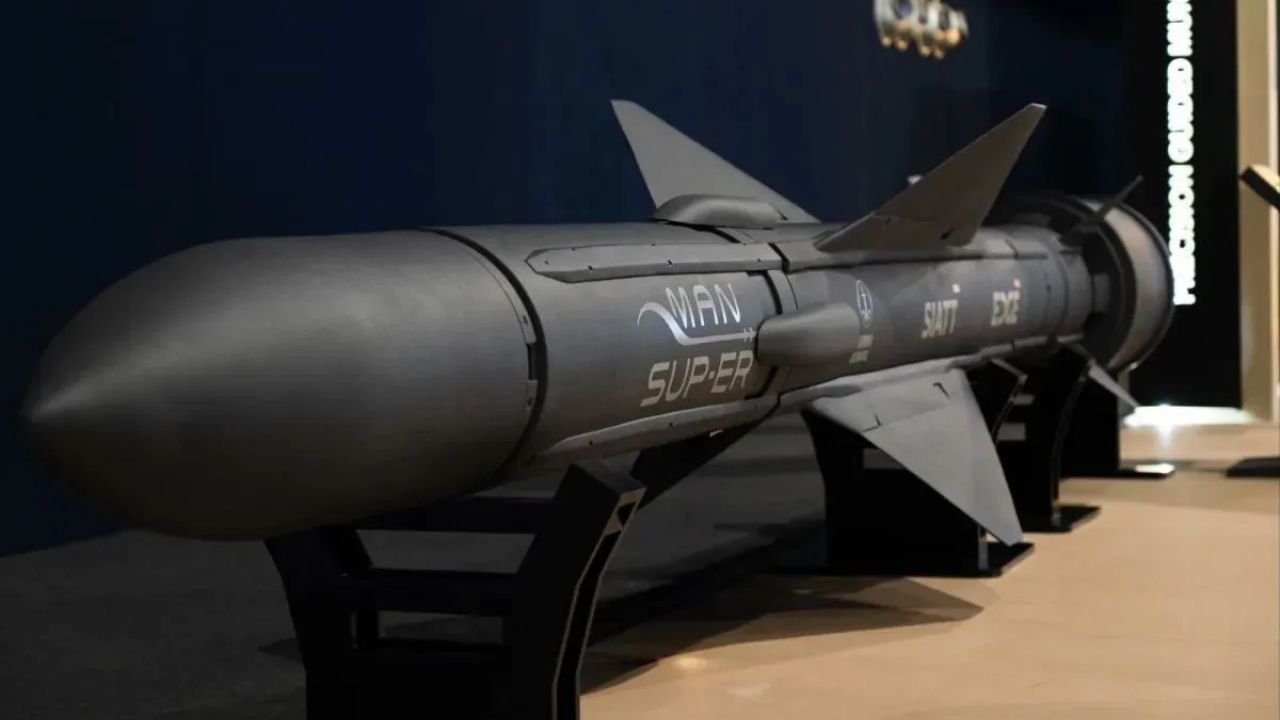
Brazil accelerates the evolution of the MANSUP missile, designing an air-surface version with a range exceeding 200 km, advanced guidance, and precision strike capability against land and naval targets, paving the way for a new generation of national armaments with global potential.
-
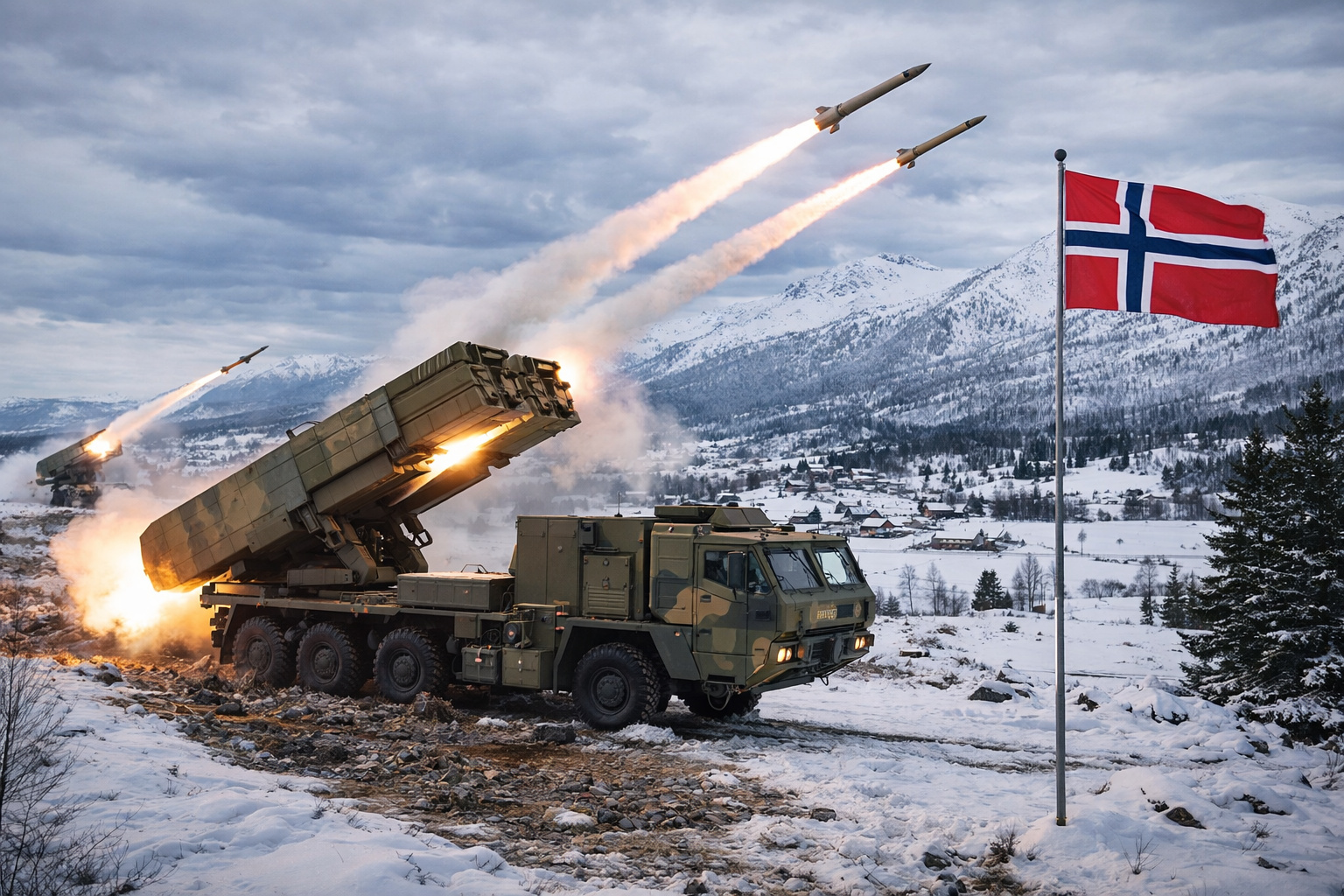
South Korea signs a $922 million deal with Norway, bringing Chunmoo launchers capable of firing guided missiles up to 290 km with an accuracy of 15 meters to Europe and turning the system into a key component of the new global race for precision artillery.
-
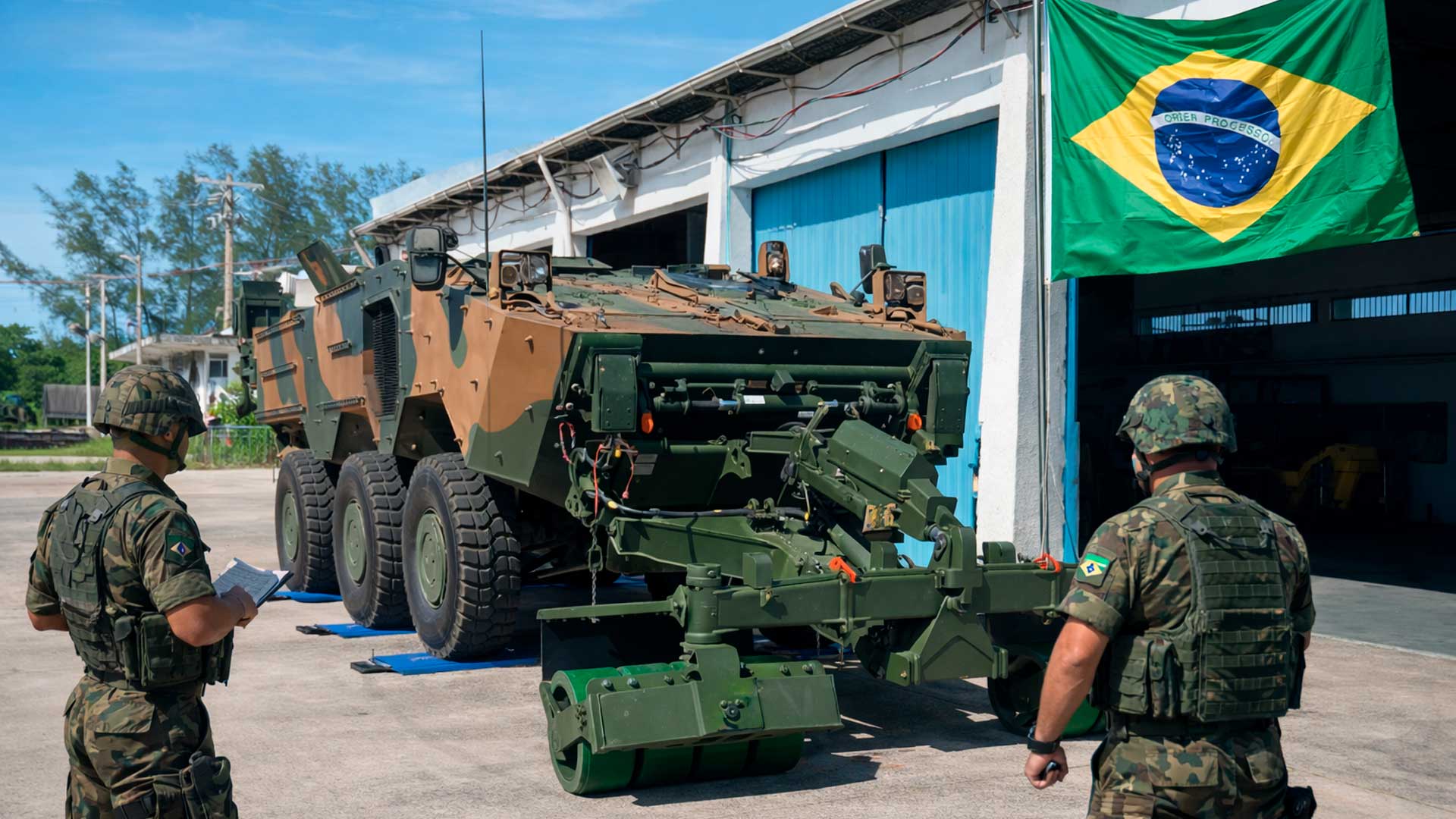
Brazil advances with decisive tests until June, the 6×6 Guarani armored vehicle with engineering equipment enters the most important phase and can enhance the operational capability of the Army.
-
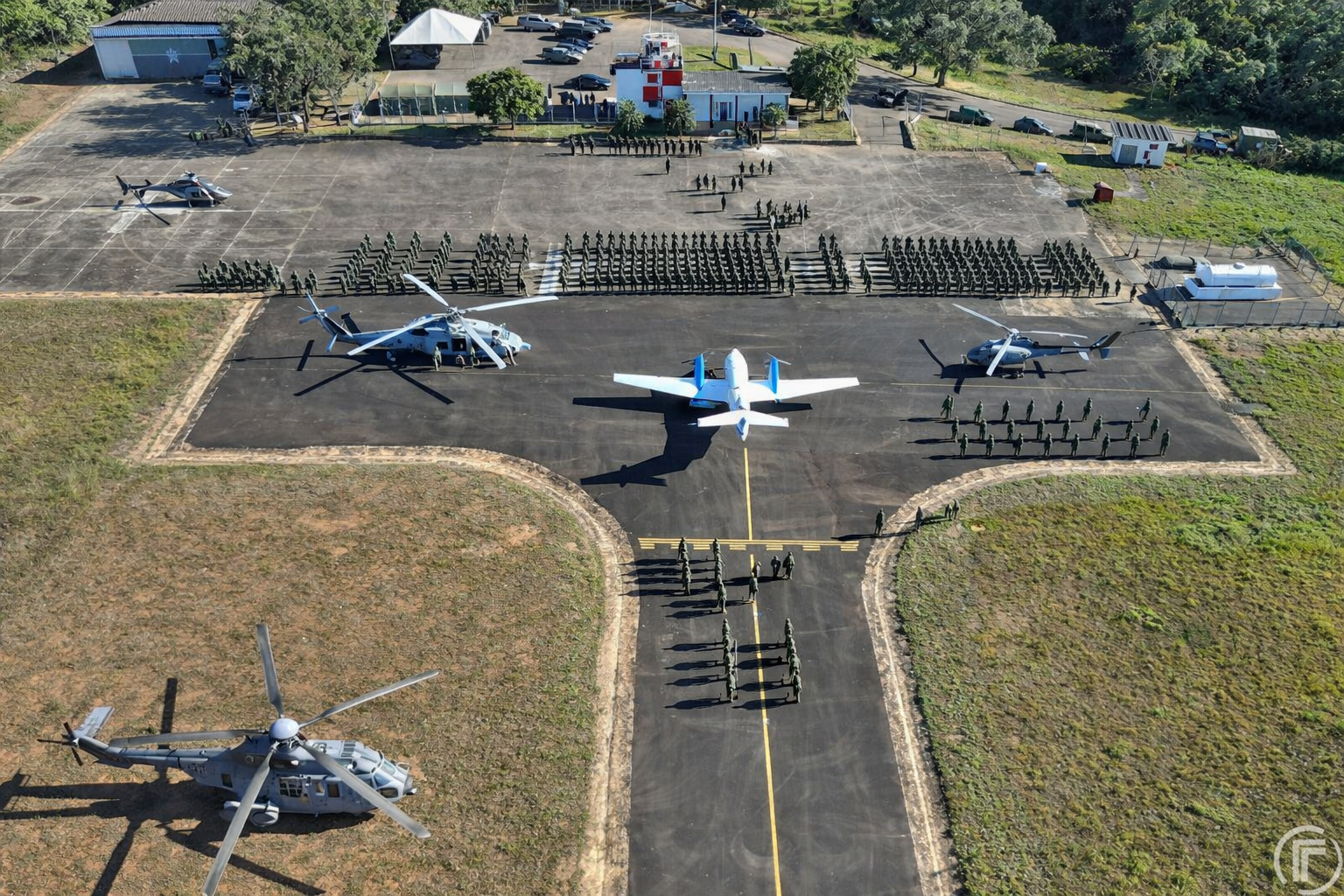
Furnas Airport is handed over to the Navy and becomes a strategic base with complete military operations, attack drones, and international mobilization at Furnas Lake.

Thick layers of ice, low enemy sensor coverage, and vast areas that were virtually inaccessible made the region ideal for silent patrols. The problem was technical: how to launch ballistic missiles from a submarine that cannot surface?
The R-39 Rif was the direct answer to that question.
A Colossal Missile Even by Nuclear Standards
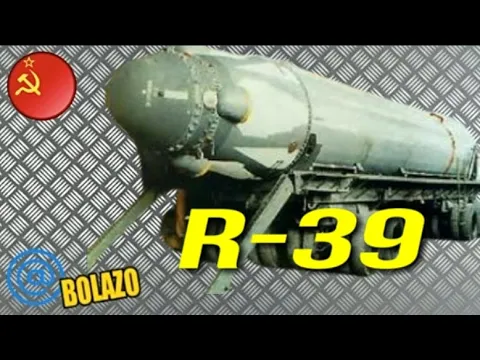

The R-39, known in the West as SS-N-20 Sturgeon, was one of the largest submarine-launched ballistic missiles ever built. At about 16 meters long, 2.4 meters in diameter, and a launch weight reaching 90 tons, it required unprecedented naval engineering solutions.
Its range of approximately 8,300 kilometers allowed it to reach strategic targets throughout nearly the entire northern hemisphere, even when launched from remote Arctic regions. The payload exceeded 2,500 kg, enough to carry up to 10 MIRV nuclear warheads, each capable of hitting a different target.
Launch From Beneath the Ice
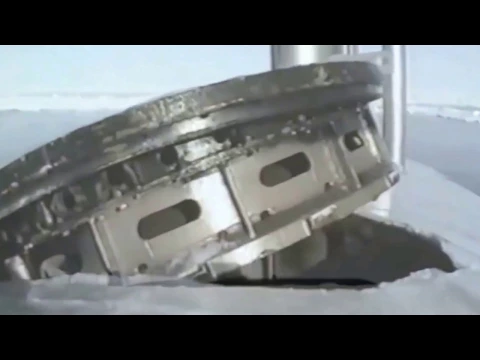
The most impressive aspect of the R-39 was not only its size but its launch capability in extreme environments. The system was designed to be fired from vertical tubes using a method known as wet launching “dry” submerged, in which the missile is ejected from the submarine before igniting the main engine.
This technique reduced structural stress on the hull and allowed for launch even in conditions of thick ice above the vessel. In practice, this meant that a Soviet submarine could remain concealed under the ice, break only the necessary layer, and launch a full nuclear strike without ever fully surfacing.
The Giants That Carried the Rif
To operate such a large missile, it was necessary to build something even more absurd: the Typhoon-class submarines (Project 941). Measuring about 175 meters long and nearly 48,000 tons submerged, they remain the largest submarines ever put into service.
Each Typhoon could carry 20 R-39 missiles, which could represent up to 200 nuclear warheads embarked on a single submarine. This turned each patrol into a strategic threat equivalent to an entire national arsenal.
The internal structure was equally extreme, with parallel double hulls, redundant systems, and enough space for long patrols in polar regions, where a quick return to base was not an option.
Precision and Destructive Power

Although it was not the most accurate missile ever built, with an estimated CEP of around 500 meters, the R-39 compensated for this with the power of its warheads. In a strategic scenario, absolute precision was less relevant than the ability to hit multiple strategic targets simultaneously, such as cities, military bases, and critical infrastructure.
The MIRV system allowed a single launch to saturate enemy defenses, drastically increasing the likelihood of a successful attack.
All this engineering came at a price. The R-39 and the Typhoon submarines were extremely expensive, complex to maintain, and logistically challenging. With the end of the Cold War, strategic arms reduction treaties and the collapse of the Soviet Union, the system began to be seen as excessive for the new geopolitical landscape.
Throughout the 2000s, R-39 missiles were gradually decommissioned, and most Typhoons ended up being deactivated or converted for experimental functions.
A Symbol of the Maximum Limit of Military Engineering
Today, the R-39 Rif is remembered as one of the most extreme examples of what military engineering can produce when the fear of total annihilation guides decisions.
A 90-ton missile, hidden under kilometers of ice, ready to launch multiple nuclear warheads thousands of kilometers away, represents the pinnacle — and perhaps the ultimate absurdity — of the logic of nuclear deterrence.
More than a weapon, it symbolizes an era in which the goal was not to win a war, but to ensure that no one ever dared to start one.









-

-

4 pessoas reagiram a isso.