





 Portuguese
  English
  Spanish
  4 min of reading
  3 comments


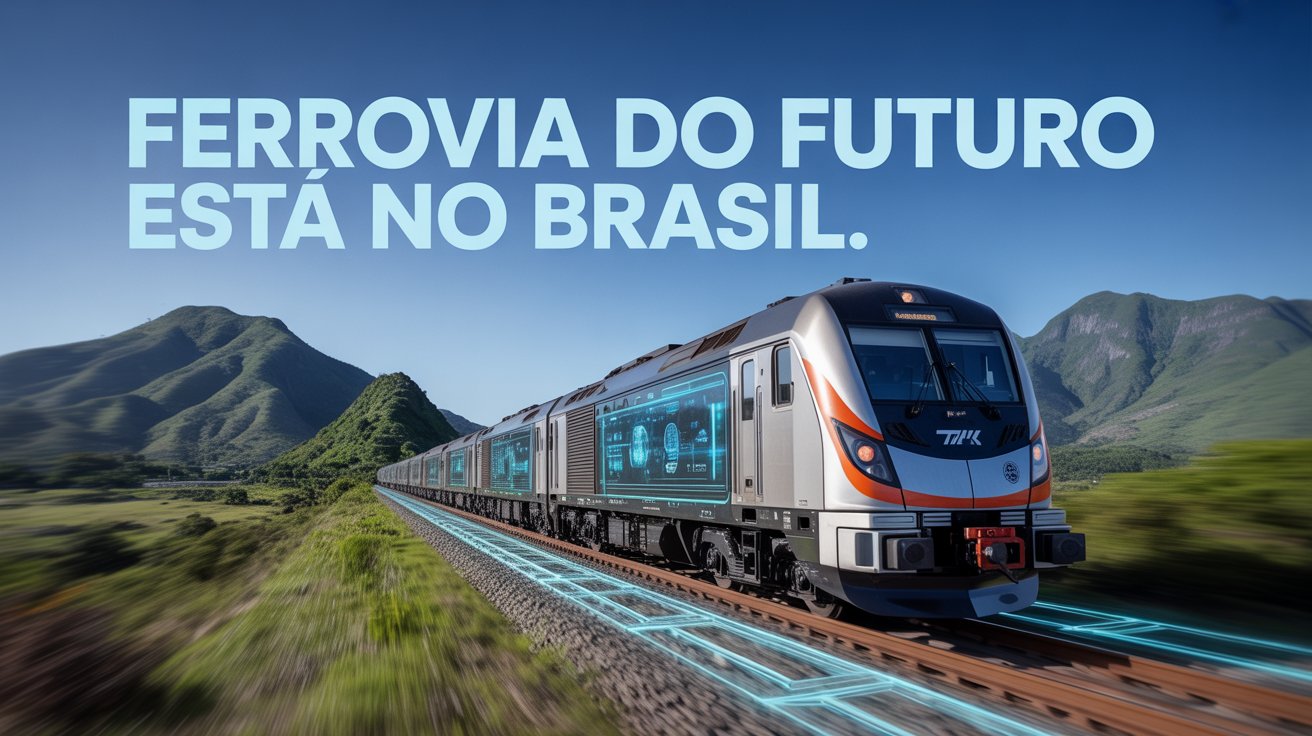


Cutting-Edge Technologies Are Revolutionizing Rail Transport in Brazil, with More Sustainable Trains, Intelligent Driving Systems, and Predictive Maintenance Promising to Transform National Logistics with Fewer Emissions and Greater Efficiency on the Route Between Espírito Santo and Minas Gerais.
The Victoria to Minas Railway (EFVM) is heavily investing in artificial intelligence (AI) and renewable energy to transform its operations between the states of Espírito Santo and Minas Gerais, achieving significant gains in efficiency, safety, and sustainability.
Artificial Intelligence in Railway Maintenance
In the scope of maintenance, AI is already applied through algorithms, cameras, and sensors distributed along the railway.
This infrastructure allows for the precise identification of wear, cracks, and changes in the thickness of the metal sheets of the wagons.
-
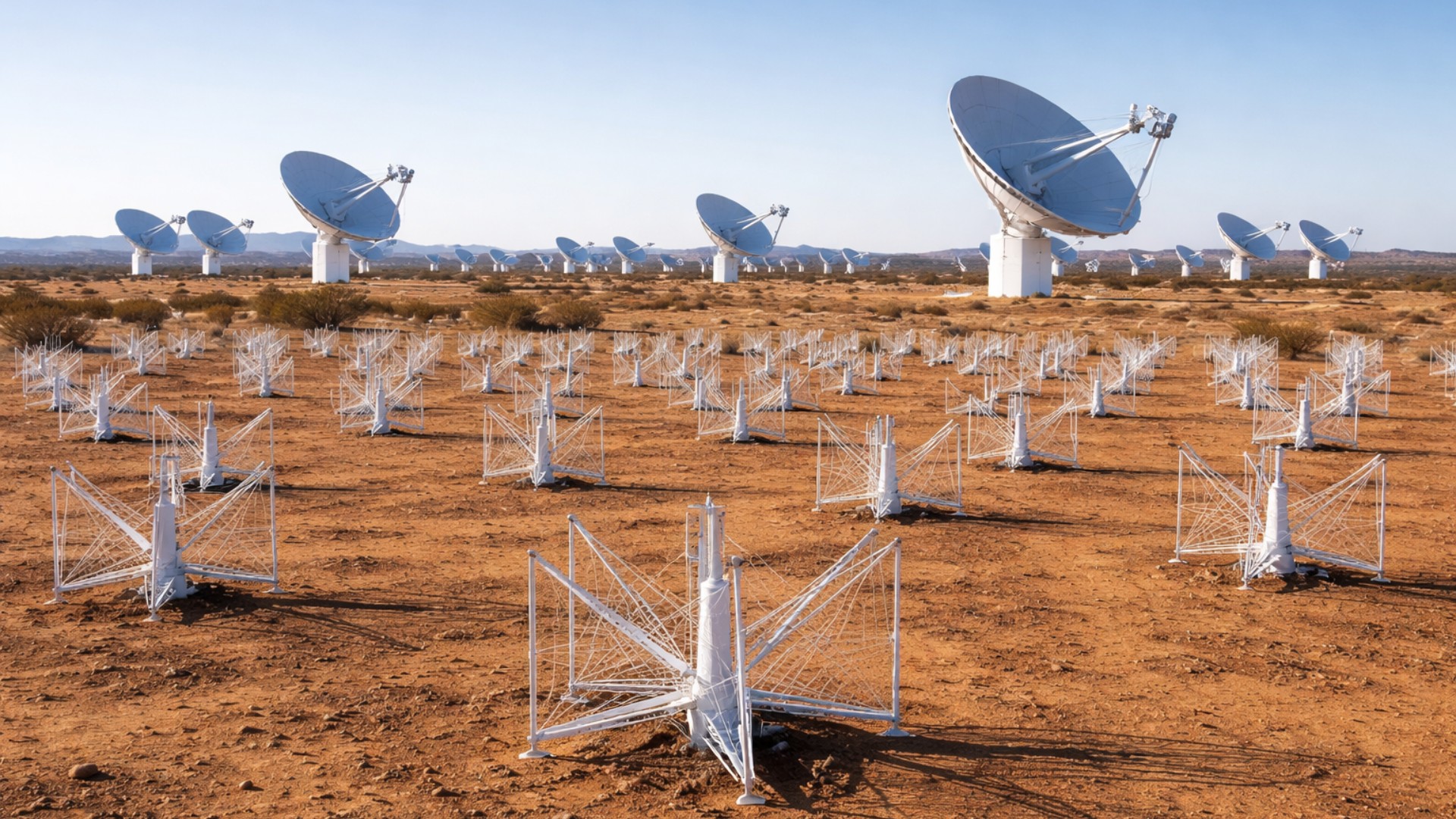
Spread across two continents, with 197 parabolic antennas in South Africa, 131,000 2-meter antennas in Australia, and a range of up to 150 km, the SKA begins to “listen” to the Universe on an unprecedented scale and accelerates the search for black holes, primitive galaxies, and nearly invisible radio signals.
-
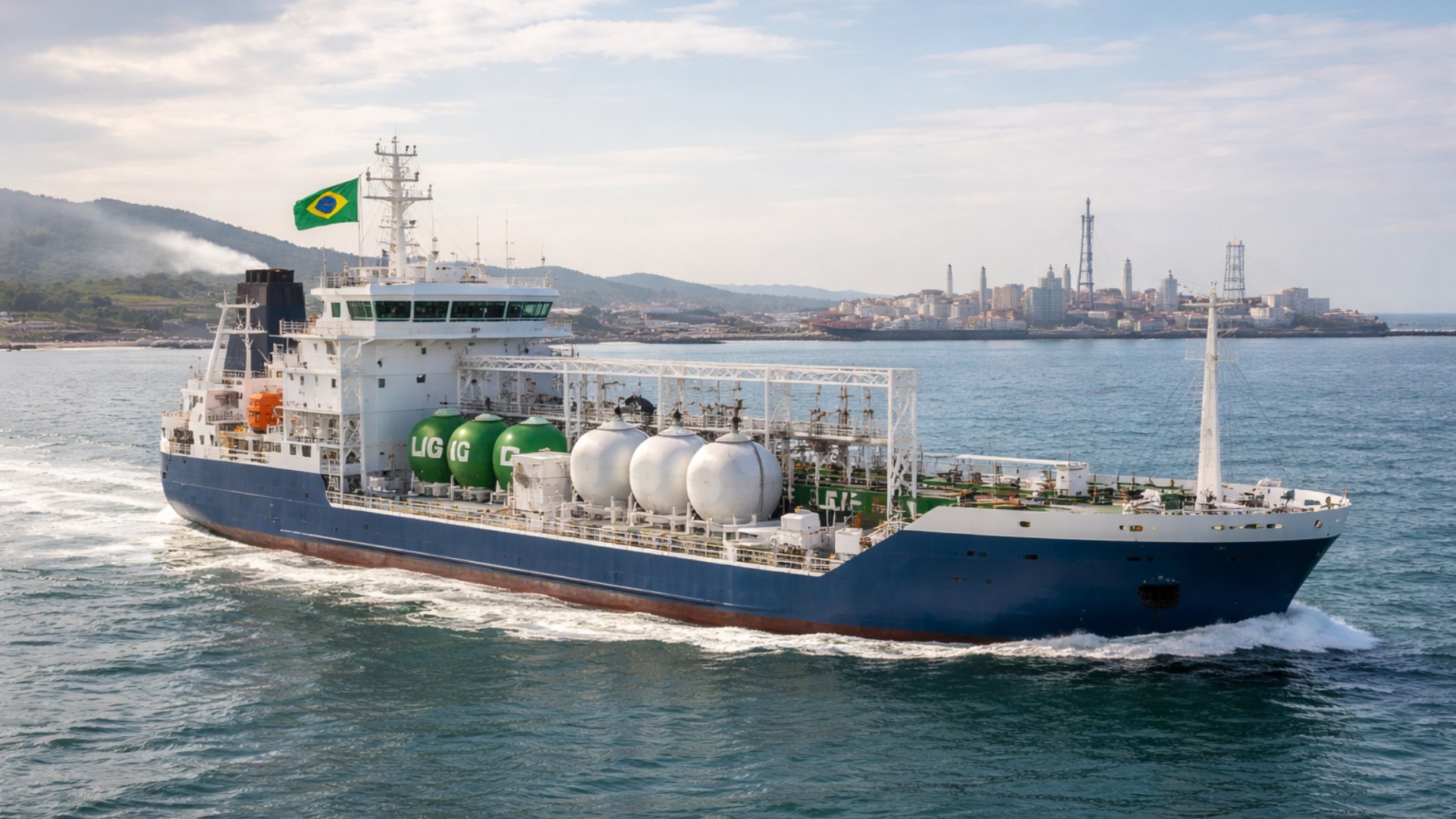
Brazil catches the world’s attention with ships powered by ethanol and biodiesel that have lower emissions, an unprecedented certification with advantages in chartering, and a revolution in cabotage.
-
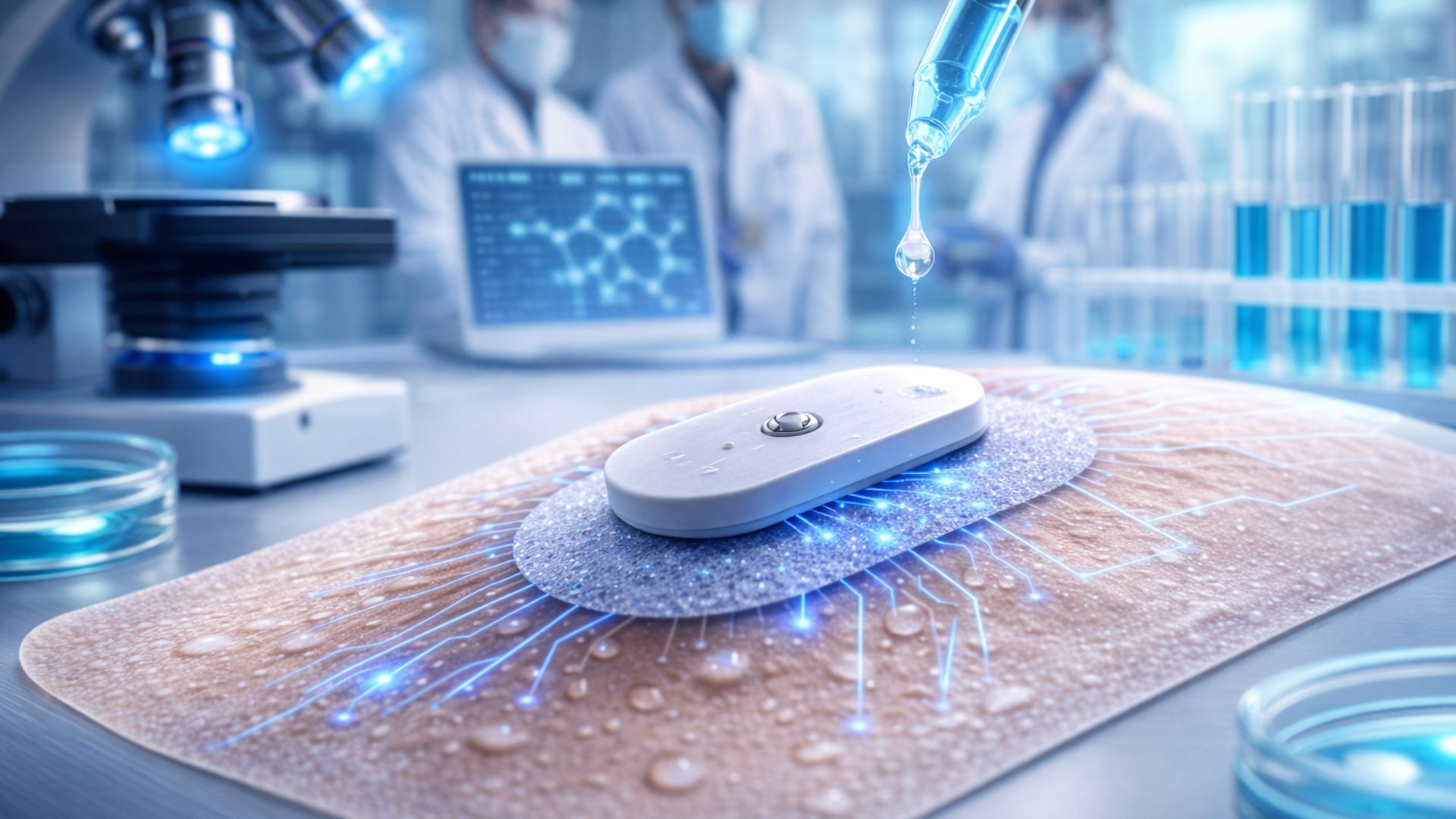
Goodbye batteries: a new sensor created by Japanese scientists uses sweat as an energy source and points to a promising path for more sustainable devices, with greater autonomy and less need for frequent recharging.
-
The Brazilian Army inaugurated the assembly line for the Guaicurus armored vehicle with a contract for 420 units by 2033, and the same vehicle has already been tested in combat in Afghanistan and Lebanon by European armies.

The technology has been enhanced with state-of-the-art three-dimensional laser sensors, contributing to prolonging the fleet’s lifespan and raising operational safety standards.
Later this year, EFVM will begin testing a semi-autonomous driving system, the Trip Optimizer.
This feature automatically adjusts the acceleration and braking of the locomotive, considering factors such as train weight, track conditions, speed restrictions, and the number of wagons.
The adoption promises more predictability in travel times and fuel savings.

Semi-Autonomous Driving Increases Efficiency
Complementing this innovation, the railway will install an onboard computer that informs the operator, in real-time, about closures, curves, ramps, level crossings, geographical position, and authorization to operate.
This data allows for smoother train operation, minimizing unnecessary stops, sharp speed variations, and energy consumption.
Modernization also extends to fleet renewal.
Starting in 2026, Vale, responsible for the stretch, will receive 36 EVOBBW locomotives from the Evolution DA series, from Wabtec, at its factory in Contagem (MG), along with 14 ES58Aci units for the Carajás Railway.
Locomotives with Biodiesel to Reduce Emissions
These trains feature advanced diesel engines, AC traction with a 50% increase in tractive capacity, and up to 6% fuel and CO₂ savings compared to FDL models.
These new locomotives will be ready to operate with a blend of up to 25% biodiesel (B25), replacing the current standard of 14%.
The initiative is part of a decarbonization program that may, in the future, reach even greater proportions of biofuel, after tests analyzing compatibility and performance.
Predictive Maintenance and Technological Innovation
The adoption of AI in maintenance also falls under the category of predictive maintenance, which aims to anticipate failures before they occur, reducing unplanned downtime.
These intelligent systems are based on continuously collected data, allowing for more precise decisions regarding technical interventions.
The Trip Optimizer also places EFVM in a global movement of semi-autonomous technologies in railway transport.
The system is similar to those already being applied in the United States and Europe, developed to optimize acceleration and braking based on a wide variety of logistical scenarios.
By integrating AI into operations, the railway also obtains valuable data for future performance analyses — from wear patterns by range, speed, or load — to potential use of hybrid or renewable energy.
Environmental Impact and Benefits to the Economy
In parallel, the advancement of Wabtec’s locomotives is directly linked to the goal of reducing emissions.
The AC traction technology is not limited to fuel savings: it enables a gradual transition to alternative fuels, such as hydrogen and biodiesel in high proportions.
Vale and Wabtec announced that they intend to conduct tests with even bolder mixes of B-diesel, aiming for even more significant carbon reduction levels.
The investment provides direct benefits to the regional economy, as railway logistics constitutes a large part of the transportation of minerals, raw materials, and agricultural products in Minas Gerais and Espírito Santo.
The reduction of operational costs brings positive effects to the productive sector while also decreasing the carbon footprint of transport.


Future of Sustainable Railways in Brazil
Experts highlight that the combination of AI and renewable fuels creates a more resilient and intelligent model for freight railways, especially in a continental country like Brazil — where efficiency and sustainability are crucial.
With this strategy, EFVM positions itself as a reference in the national market and can serve as an example for other railway concessions.
The initiative should also attract interest from investors — both public and private — as it aligns profitability with innovation and socio-environmental responsibility.
Having a modern fleet that operates with B25 and gathers real-time maintenance data represents a value proposition aligned with international market demands for cleaner and more efficient transportation.
With these innovations, the Victoria to Minas Railway moves towards an operation that integrates automation, predictive intelligence, and clean fuels — boosting the economy and reducing emissions.
To what extent can this railway revolution inspire transformations in other regions of Brazil — and transform the transport sector as a whole?



Tudo bobagem, e a velocidade? 12 horas de viagem de BH a Vitória; ninguém aguenta tanta lentidão!
O transporte ferroviário coletivo, precisa muito evoluir, para garantir trens mais rápidos, sem a interferência dos trens de cargas, com sistema integrado de ferrovias duplicadas, e com sistema de bitolas largas.
Uma duplicação integral, exigiria grandes investimentos, principalmente para duplicar túneis, viadutos e altas compridas pontes. Algo engenhoso e financeiramente desafiador, mas não impossível.
Porque não ativar a estação barão de Mauá para voltar os trens para m8nas campos ?