





 Portuguese
  English
  Spanish
  4 min of reading
  0 comments


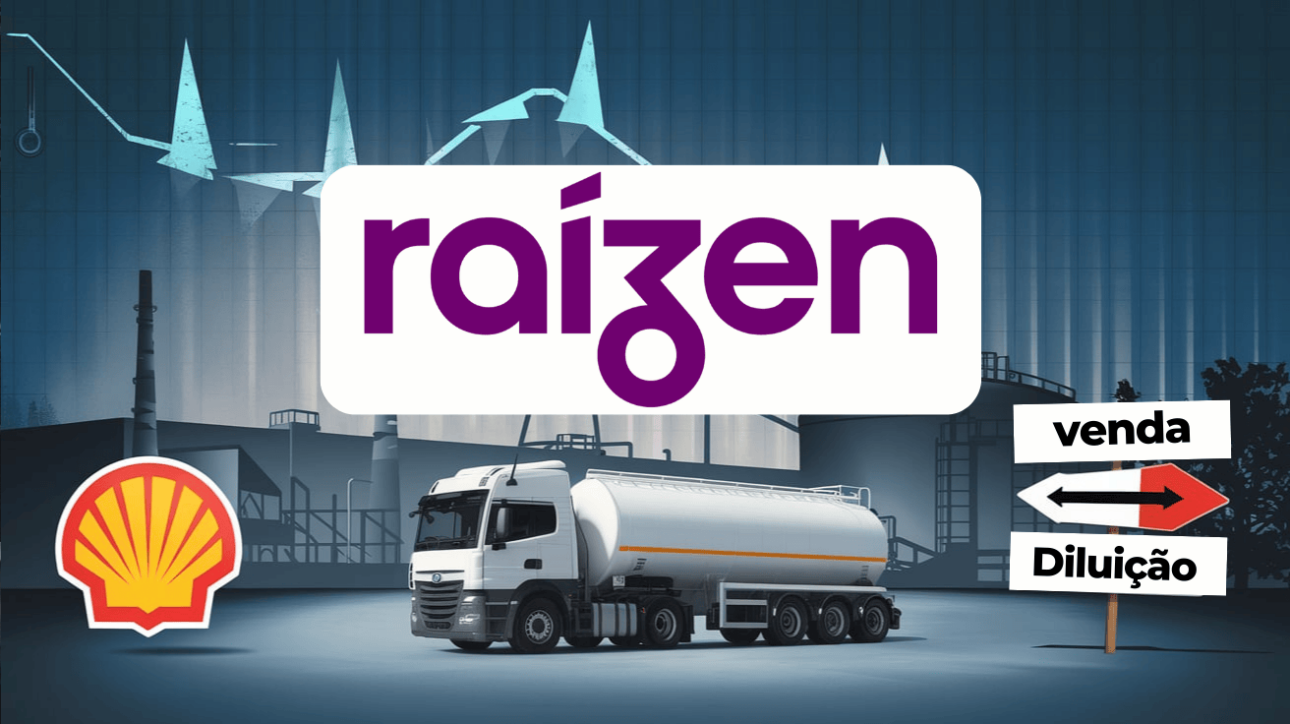
Raízen Faces Significant Financial Challenge and Negotiates Strategic Sale of Four Factories to Relieve Billion-Dollar Debt, While the Brazilian Sugar-Energy Sector Goes Through Deep Transformations and Seeks Efficiency to Maintain Competitiveness in the Global Market.
The Raízen, a joint venture between Cosan and Shell, is negotiating the sale of four sugarcane factories to alleviate its heavy debt, which has already surpassed R$ 34 billion, according to reports from sources close to the discussions.
The information comes from the site Valor Econômico, which revealed that the factories under negotiation are Santa Elisa, located in Sertãozinho (SP), Rio Brilhante and Passatempo, situated in Mato Grosso do Sul, and Continental, in Colômbia (SP).
These units belong to Biosev, a company that Raízen acquired from Louis Dreyfus Company (LDC) in 2021.
-
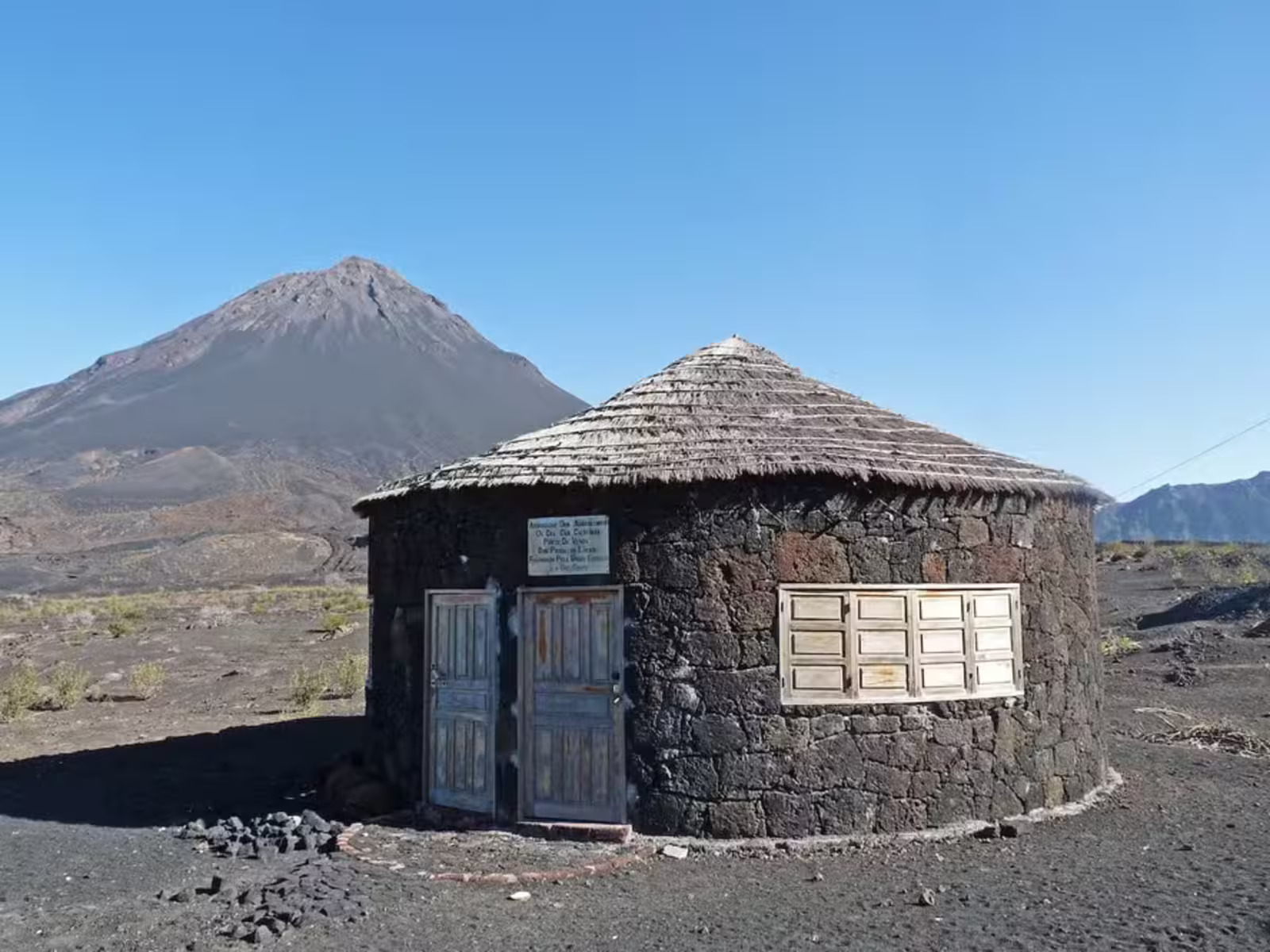
Inside an active volcano in Africa, residents use volcanic rocks to build houses in an impressive setting.
-
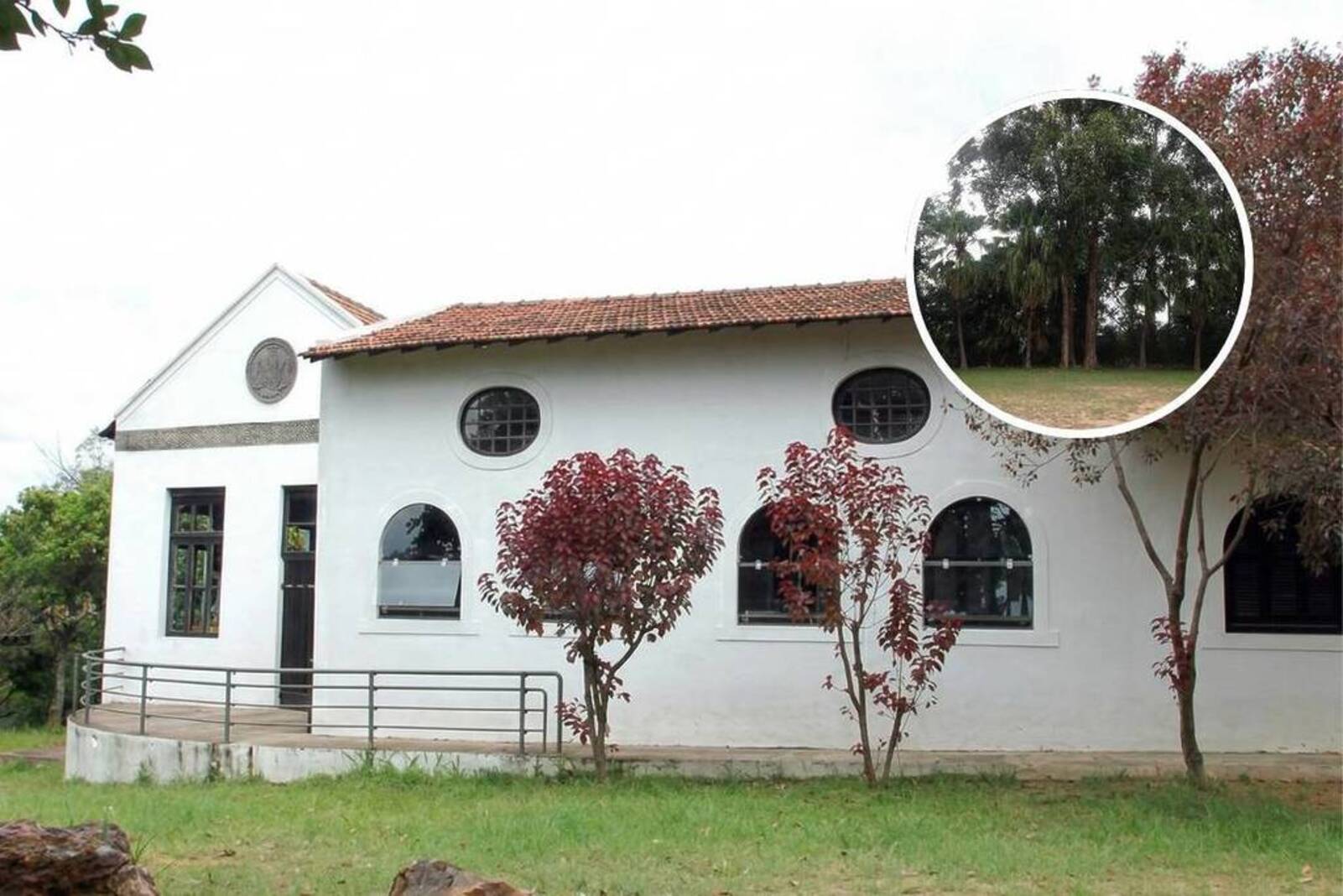
After 14 years of waiting, a rammed earth mansion built in 1702 in the North Zone of São Paulo will become a park with leisure facilities and green areas, with a million-dollar investment.
-
With 2 unfinished nuclear reactors, up to 25 billion in costs, and proven fraud, the Nukegate case has left 800,000 consumers still paying today for energy that will never be produced.

-
Larger than entire cities in Brazil: BYD is building a 4.6 km² complex in Bahia with a capacity for 600,000 vehicles per year, but the discovery of 163 workers in conditions analogous to slavery has shaken the entire project.


The operation is part of the company’s strategy to reduce debt and restructure its assets in the sugar-energy sector, a move that has been occurring since last year with the sale of other units.
In addition to these four, Raízen has recently sold the Leme factory and the sugarcane fields of the MB factory, both also originating from Biosev.
The Leme factory was acquired by a partnership between the Ferrari plant and Agromen, while the MB fields were negotiated with Alta Mogiana.
Challenges in Integrating the Factories
The acquisition of Biosev, which included nine factories at the time, cost Raízen around R$ 3.6 billion; however, the incorporation of these assets has proven to be less advantageous than expected for the joint venture.
According to sources close to the company, despite the crops performing well agriculturally, the integration of the factories inherited from LDC with the units already operated by Raízen has proven complex, especially due to the low synergy between them, complicating the management of the absorbed plants.
In the market, negotiations seek local buyers who can generate synergy gains by integrating the factories or just the sugarcane fields — areas where cane is cultivated — into their production hubs.
Raízen expects the assets to be valued between US$ 60 and US$ 70 per ton of installed cane capacity, even if the sale only involves the fields of these units.
With this, the company hopes to raise around R$ 4.5 billion with these transactions, a critical amount to improve its financial situation.
The sale of the Leme factory and the MB fields, for instance, has already generated revenue of R$ 800 million.
Growing Debt and Financial Cost
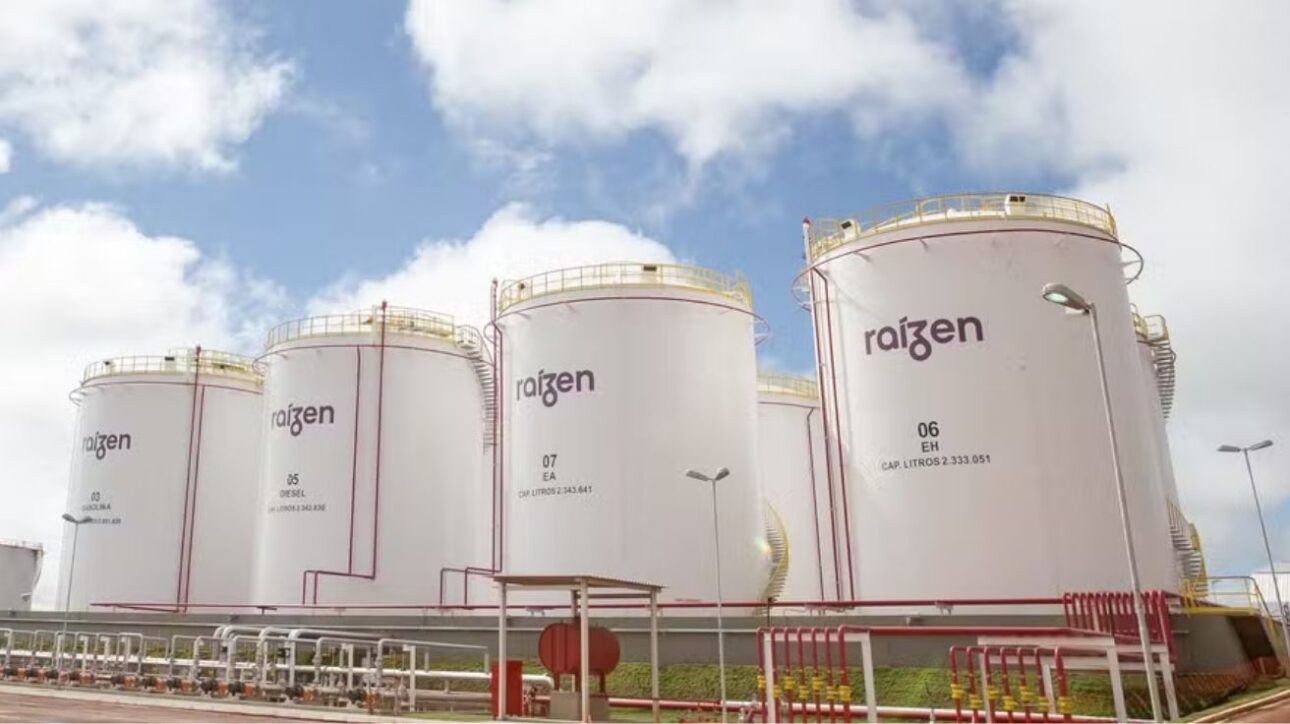
Raízen’s net debt reached R$ 34 billion at the end of the 2024/25 harvest, raising the company’s leverage to 3.2 times, according to data released by the company.
Additionally, the cost of interest on the debt during the same period was R$ 5.7 billion, while the amortizations anticipated for the current harvest total R$ 4.8 billion.
In light of this scenario, the sale of assets appears to be an essential measure for Raízen’s financial survival and to preserve the stability of the joint venture between Cosan and Shell.
It is worth noting that, in addition to the factories, Raízen is also negotiating to sell its fuel business in Argentina, expanding the scope of financial restructuring.
Recently, Rubens Ometto, founder of Cosan, stated to Valor Econômico that the restructuring process at Raízen is underway and remains a priority for the company at this time.
Impact on the Sugar-Energy Sector
The decision to divest traditional bioenergy assets reflects the challenges faced by the Brazilian sugar-energy sector, which is undergoing intense financial pressures, volatility in commodity prices, and the need for innovation to remain competitive.
This movement occurs in a context where the national agribusiness has increasingly sought efficiency and sustainability while attempting to balance profitability and environmental responsibility.
In the market, experts note that Raízen needs not only immediate liquidity but also a leaner operational structure focused on assets that offer greater synergy and financial return.


Therefore, the selective sale of Biosev’s factories, which have little integration with Raízen’s structure, can be a strategic way to strengthen the portfolio and maintain the company’s competitiveness in the long term.
Additionally, the appreciation of the sugarcane fields — due to their agricultural productivity capacity — may attract buyers interested in territorial expansion and increasing capacity for ethanol and sugar production.
For investors, Raízen’s situation illustrates the challenges faced by large companies operating in the renewable energy and agribusiness sectors, especially those that rely on high financing and face fluctuating price markets.
Meanwhile, market attention remains focused on the next stages of Raízen’s restructuring and the outcome of negotiations, which could redefine the scenario of biofuel production in Brazil.
Do you think the sale of the factories will be enough to ensure Raízen’s financial stability? How do you see the future of the sugar-energy sector in light of these movements? Share your opinion!



-

-

-

3 pessoas reagiram a isso.