





 Portuguese
  English
  Spanish
  5 min of reading
  0 comments



The Ram Rampage 2027 debuts the first flex engine in the brand’s history, the 2.0 Turbo Hurricane 4 Flex with 272 horsepower and 400 Nm of torque with gasoline or ethanol, developed by the Stellantis Tech Center South America, now available at Brazilian dealerships starting in April.
Ram has just broken a tradition that lasted since the brand’s founding. The Rampage 2027, which is already available at Brazilian dealerships, brings the first flex engine that Ram has produced in its entire history. The engine is the 2.0 Turbo Hurricane 4 Flex, which delivers 272 horsepower and 400 Nm of torque regardless of whether it runs on gasoline or ethanol. The flex engine was developed by the Stellantis Tech Center South America with specific adjustments to operate with Brazilian biofuel, including a new turbocharger, recalibrated injection system, exclusive ethanol sensor, and modifications to the cylinder head, valves, and ignition.
The introduction of the flex engine in the Rampage is not an improvised adaptation. The Stellantis Tech Center invested in dedicated engineering to ensure that the engine maintained performance and efficiency with any type of fuel, something that requires precise calibration of the turbo, ignition system, and fuel injection. For a brand that until now only offered diesel or pure gasoline engines in its vehicles, the flex engine represents a strategic shift that recognizes the reality of the Brazilian market, where ethanol is widely available and often cheaper than gasoline.
What changes in the flex engine of the Rampage 2027 compared to the previous engine

According to Stellantis, the Hurricane 4 flex engine is not simply the same 2.0 turbo with an added ethanol sensor.
-
Chevrolet resurrected the Sonic name to create a coupe SUV that will arrive by June, costing R$ 900 million to develop, and was made to compete directly with Nivus and Fastback.

-
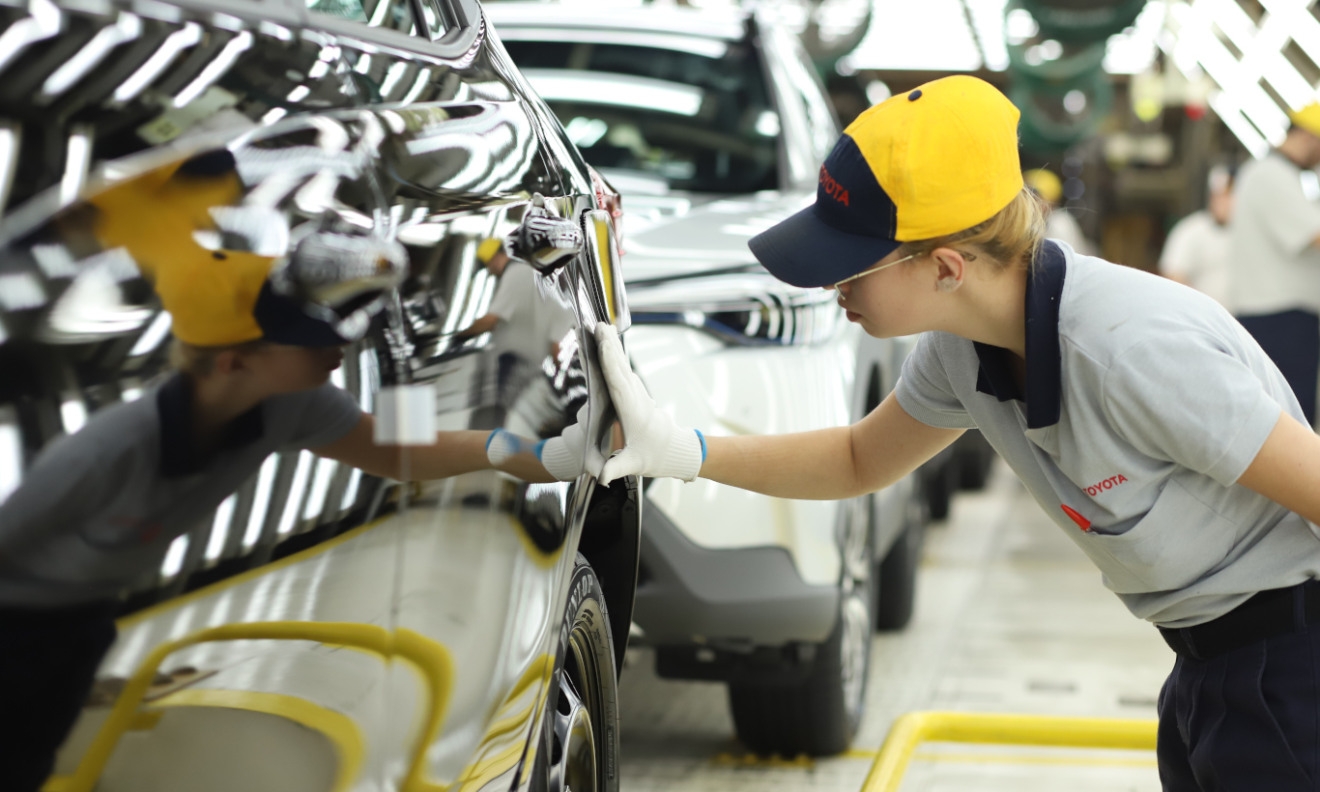
‘We will not survive,’ says Toyota’s CEO: the manufacturer of the world’s best-selling cars like Corolla and Yaris Cross feels the weight of its own perfectionism and rushes to avoid being ‘swallowed’ by China.
-
Cheaper than a latest-generation iPhone, these 5 used cars combine low maintenance, easily found parts, and prices starting from less than R$ 8,000.

-
Amid the tension between the US and China, Democratic senators warn Trump about the risk of an irreversible crisis by allowing Chinese automakers in the country.

Ram detailed the modifications that were necessary for the engine to operate reliably with biofuel: a new turbocharger designed to handle the different combustion characteristics of ethanol, a completely recalibrated injection system to optimize the air-fuel mixture in both scenarios, and an exclusive ethanol sensor that informs the electronic module which fuel is in the tank.
Modifications to the cylinder head, valves, and ignition complement the flex engine package. Ethanol has a lower calorific value than gasoline but a higher octane rating, allowing for compression and ignition timing adjustments that compensate for the energy difference.
The result is that the 272 horsepower and 400 Nm of torque are delivered consistently with any fuel. For the driver, the experience of driving with gasoline or ethanol in the tank is practically identical in terms of response and power.
Which versions of the Rampage 2027 receive the flex engine and which maintain diesel
Ram organized the 2027 Rampage lineup with two distinct engines for different buyer profiles. The 2.0 Turbo Hurricane 4 flex engine is available in the Laramie and R/T versions, which are the configurations aimed at those who prioritize performance and refinement.
These versions combine the 272 horsepower of the flex engine with premium finishes and comfort features that position the Rampage at the top of the mid-size pickup segment.
The 2.2 Turbodiesel engine with 200 horsepower and 450 Nm of torque remains available in the Big Horn, Rebel, and Laramie versions. The diesel maintains its torque advantage, essential for those who use the pickup for heavy work, towing, or constant traffic on dirt roads.
Ram’s strategy of offering both flex and diesel engines in the same lineup allows buyers to choose based on the actual use they will make of the vehicle. Those who mainly drive in urban centers and want fuel flexibility opt for the flex. Those who need brute strength for hauling stick with the diesel.
The new technology and comfort features that the Rampage 2027 brings beyond the flex engine
The flex engine is not the only novelty in the 2027 lineup. Ram has expanded comfort and driver assistance features with a memory system for the electric seat in the R/T and Laramie versions, allowing adjustment with two driver profiles.
When two people share the same vehicle, each can save their preferred seat position, mirrors, and steering wheel, and the car adjusts automatically upon identifying the driver.
In the Big Horn version, which is the entry-level model, the Rampage 2027 gained safety features that were previously restricted to higher versions. Collision warning with automatic braking, lane-keeping assist, and automatic high beams are now part of the driving assistance package (ADAS) of the most affordable version.
For buyers who choose the Big Horn for its cost-benefit, having access to active safety technologies that reduce the risk of accidents adds value without requiring a leap to a more expensive version.
What the flex engine of the Rampage means for Ram’s competitiveness in Brazil
The introduction of the flex engine enhances the competitiveness of the Rampage in a market where biofuel is part of everyday life. In regions like the interior of São Paulo, Campinas, and Hortolândia, where sugarcane mills produce ethanol on a large scale, the fuel is often cheaper than gasoline and refueling with ethanol makes a real difference in the vehicle’s monthly cost.
A pickup with 272 horsepower that accepts ethanol competes in operational cost with lower-powered diesel models.
For the Brazilian consumer, Ram’s flex engine represents greater flexibility in refueling, potential cost reduction, and maintenance of the high performance that the brand promises.
The Rampage was already competitive against the Fiat Toro and Volkswagen Amarok in the mid-size pickup segment, and the flex engine adds an argument that no other premium pickup offers with this power. The 272 horsepower powered by ethanol is a differentiator that can sway the choice of those comparing options at the dealership.
When and where to find the Rampage 2027 with flex engine
The new lineup has been available at Ram dealerships throughout Brazil since April 2026.
Those interested in the flex engine should look for the Laramie and R/T versions, which are the only configurations that receive the 2.0 Turbo Hurricane 4 Flex. The Big Horn and Rebel versions continue exclusively with the 2.2 Turbodiesel.
Ram has not officially disclosed the prices for the 2027 lineup, but the expectation is that the flex engine will position the Laramie and R/T versions in a competitive range with the equivalent configurations of the Fiat Toro and slightly below the more complete versions of the Volkswagen Amarok.
For those following the pickup market, the launch of the first flex engine in Ram’s history is the kind of news that deserves a visit to the dealership to closely evaluate what 272 horsepower powered by ethanol delivers in practice.
What do you think about Ram making its first flex engine specifically for Brazil? Would you buy a Rampage 2027 with 272 horsepower on ethanol or prefer the diesel version? Let us know in the comments. A new pickup with a brand-new engine always sparks good debate among car enthusiasts.









Seja o primeiro a reagir!