





 Portuguese
  English
  Spanish
 4 min of reading
  0 comments


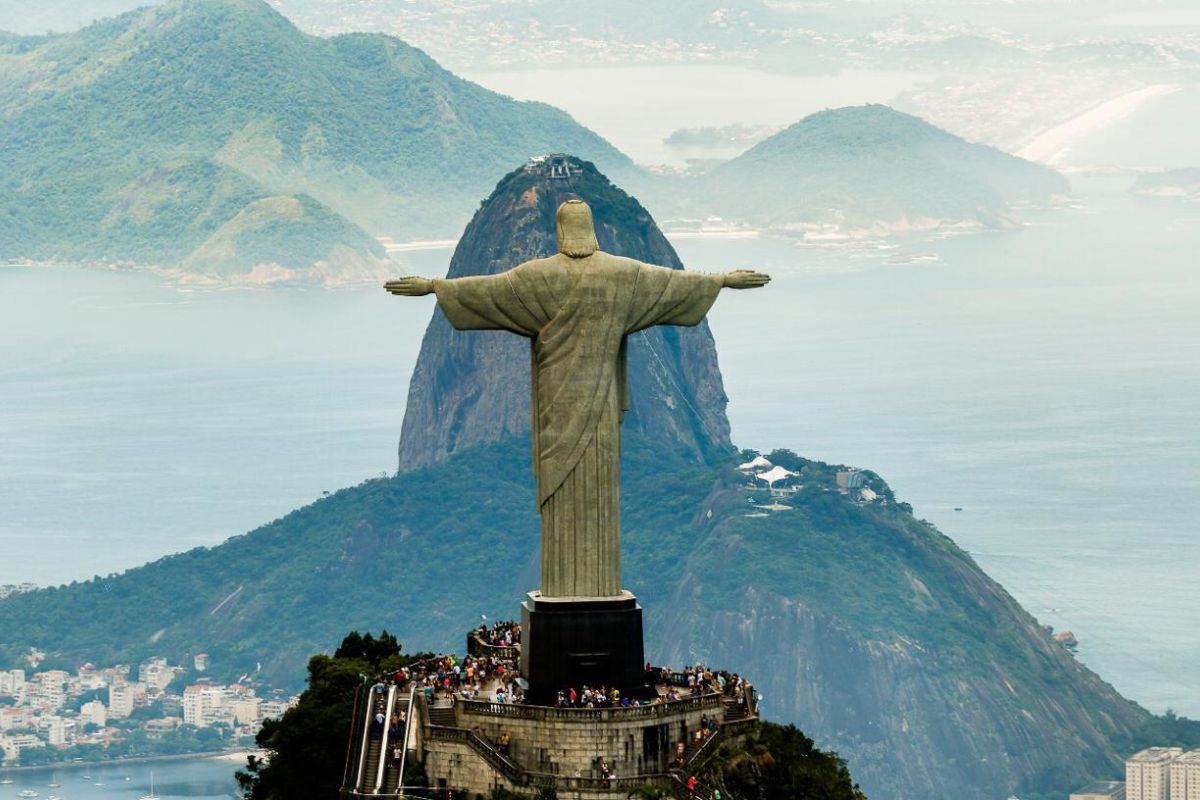
The Survey Indicated That the Fluminense Capital Is the Worst Tourist Destination in the World in 2025, Highlighting Issues of Insecurity, Hospitality, and Urban Mobility, According to Diário do Litoral.
The result of an international study left Brazil on alert: Rio de Janeiro was classified as the worst tourist destination in the world, even behind Indian cities historically marked by structural difficulties. The revelation surprised experts and tourists, as the city is globally known as the “Marvelous City” and a cultural symbol of the country.
According to the survey, released in 2025 by a Ukrainian tourism company and reported by Diário do Litoral, the assessment considered factors such as ease of accommodation, social inclusion, and visitors’ willingness to return. In all these points, Rio ranked among the last positions, consolidating its negative image in the global competition for tourists.
Why Rio Was Considered the Worst Tourist Destination in the World
The international ranking highlighted two central elements for Rio’s poor placement: urban insecurity and flaws in hospitality.
-
These living root bridges and ladders are over 700 years old and help indigenous people survive in one of the rainiest regions in the world.

-
From sertanejo star to international investor: Ana Castela invests millions in a mansion in the USA, creates a themed accommodation in Orlando, and shows that the “boiadeira” also wants to grow away from the stage.

-
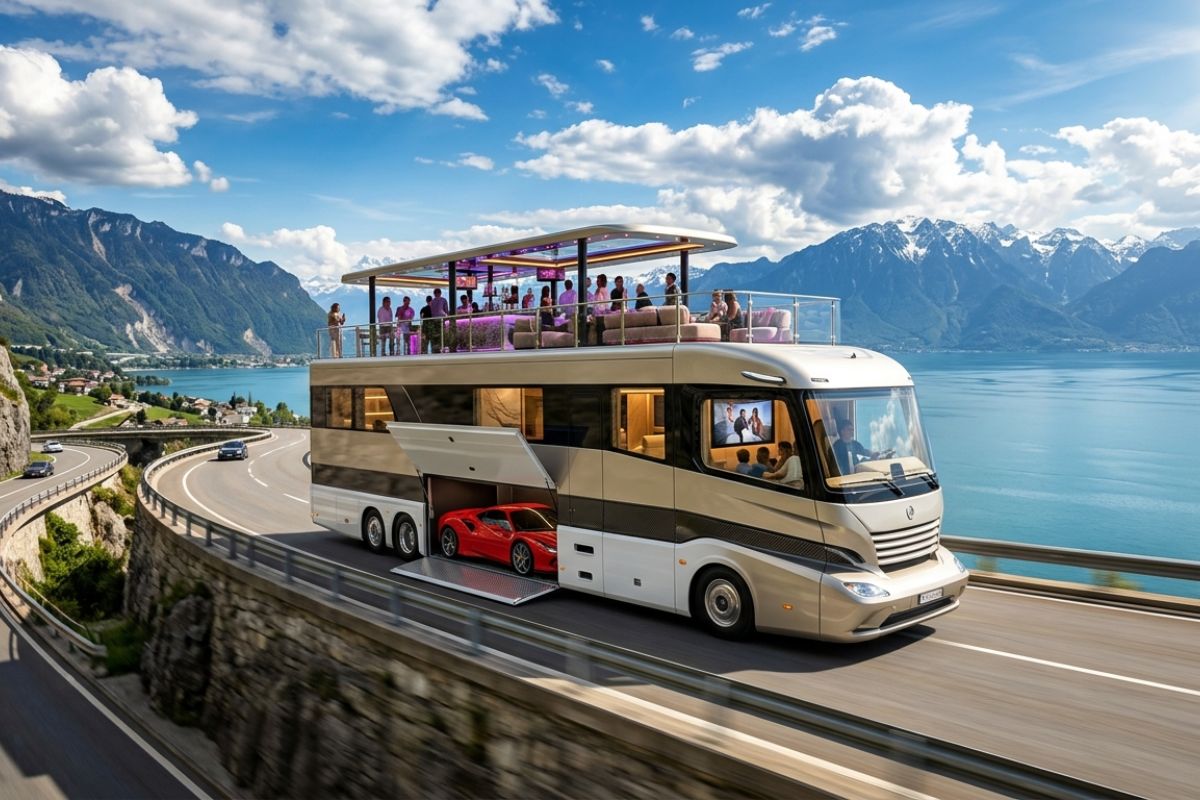
The 10 most stunning motorhomes in the world: a $3 million trailer with a rooftop nightclub and garage for a Ferrari, “palaces on wheels” with Italian marble, private cinema, and five-star hotel luxury for billionaires.
-
Trump wanted to spend $400 million on the White House, but the courts prohibited the million-dollar construction.


For many visitors, the city does not offer minimum conditions of tranquility during their stay, with high rates of violence in tourist areas.
The cost-benefit ratio of hotels was criticized, with high rates and services that do not meet expectations.
Another factor pointed out was the poor urban mobility, which hampers travel, raises costs for tours, and compromises the experience of those visiting the city.
The research also highlighted a lack of social inclusion, which accentuates visible inequalities in central and tourist areas, creating discomfort among foreigners.
The Contrast Between Fame and Reality
The controversy intensifies because Rio de Janeiro has always been in the global imagination as one of Brazil’s main postcards.
Events such as the 2014 World Cup and the 2016 Olympics helped project the city to the world, but according to the study, that image no longer corresponds to what tourists find in practice.
The survey shows that, alongside poorly rated Indian cities, Rio still achieved a worse performance.
For experts, this contrast between reputation and reality exacerbates the impact, because it undermines expectations and compromises visitors’ willingness to recommend the city to new tourists.
Well-Rated Cities in the Same Ranking
While Rio came in last place, Toronto, Canada, was voted the best city in the world for tourism in 2025.
The Canadian capital stood out for its cleanliness, organization, safety, and quality of basic services.
Another point that drew attention is that the top eight ranked cities have English as their official language, a factor considered by the organizers as a facilitator of the visitors’ experience.
This contrast highlights that, even without the fame of traditional destinations like Paris or Rome, well-rated cities can attract tourists by offering solid infrastructure, safety, and efficient service.
Economic and Social Impacts for Brazil
The tourism sector is strategic for the national economy and represents billions in annual financial movement.
Being pointed out as the worst tourist destination in the world can deter investments, reduce the number of foreign visitors, and increase competition with other destinations in Latin America, such as Buenos Aires and Mexico City.
The research also raised a red flag for the public authorities.
Without effective security policies and improvements in the hotel network, Rio risks losing its international prominence, especially at a time when global tourism is trying to recover from recent crises.
What Needs Clarification
Despite the repercussions, the study left gaps: detailed scores for each criterion and the complete list of evaluated cities were not disclosed.
Still, the organizers reinforced that the central message is unmistakable: in 2025, Rio de Janeiro was considered the worst tourist destination in the world, resulting from insecurity, poor hospitality, and deficient infrastructure.
The title of worst tourist destination in the world exposes long-standing problems in Rio de Janeiro that have yet to be solved.
The controversy rekindles the debate about public safety, mobility, and urban infrastructure as key points for the city to become attractive again for international visitors.
Do you believe the result is fair or think the ranking exaggerates Rio’s problems? Have you visited the city and had a positive or negative experience? Share your opinion in the comments – we want to hear from those who have lived this reality.








-

Uma pessoa reagiu a isso.