





 Portuguese
  English
  Spanish
  5 min of reading
  0 comments


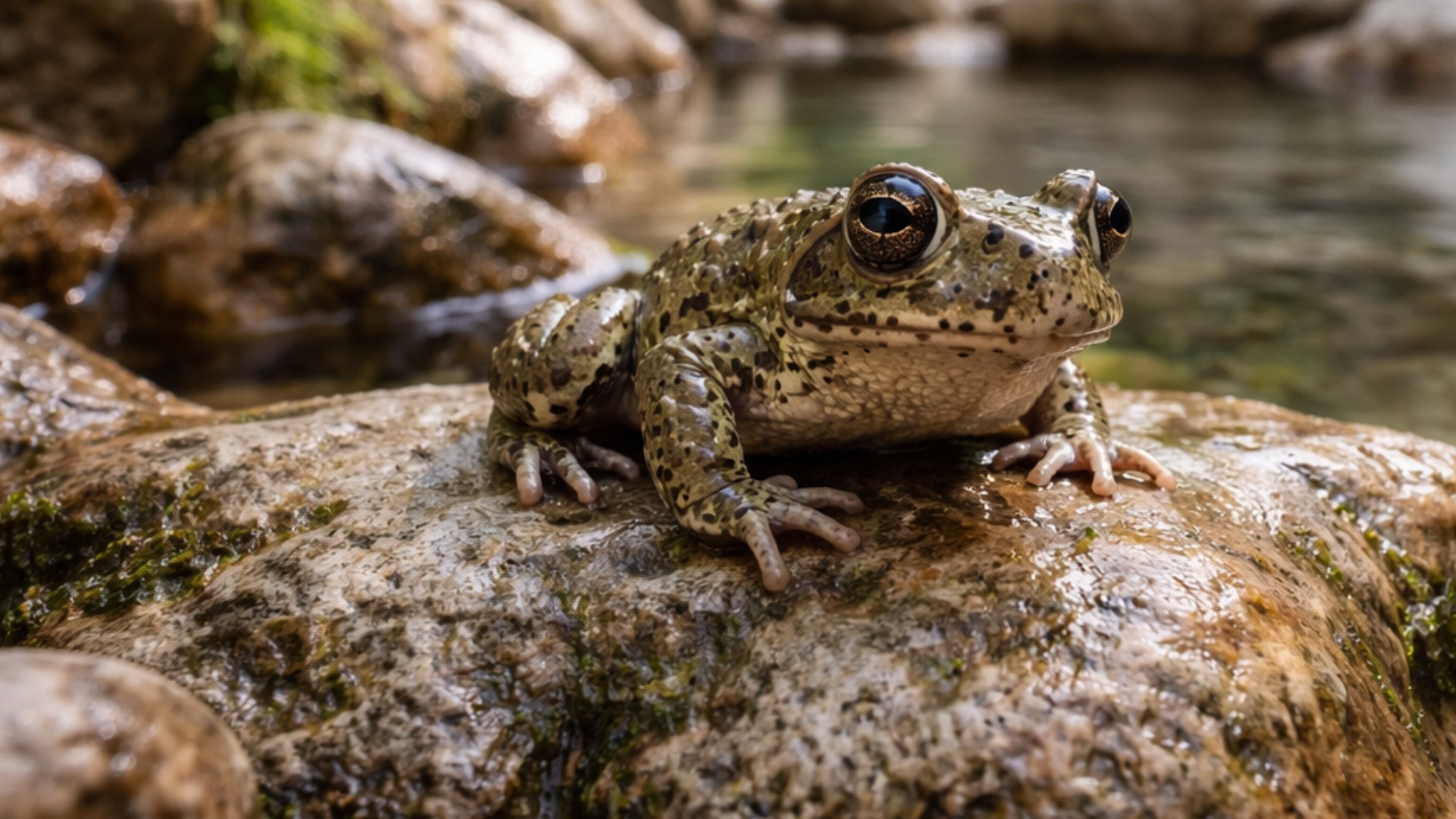
Rediscovered after being treated as a fossil from a distant past, a rare amphibian from Mallorca has come to symbolize an unusual recovery in European conservation, with captive breeding, successive reintroductions, and predator control that opened space for its gradual expansion in natural areas.
The Mallorca midwife toad, scientifically identified as Alytes muletensis, has established itself as one of the most emblematic cases of island fauna recovery in Europe after moving, in just a few decades, from being a species known only from fossils to an animal once again established in natural areas of the Serra de Tramuntana in Mallorca.
Restricted to limestone gorges and mountain streams, the amphibian remains rare, but today it benefits from captive breeding, successive reintroductions, and ongoing management actions to reduce the pressure from introduced predators.
According to the Barcelona Zoo, the trajectory that brought the animal back to the center of conservation began in the 1970s when the species was described from Pleistocene fossils and treated as extinct.
-
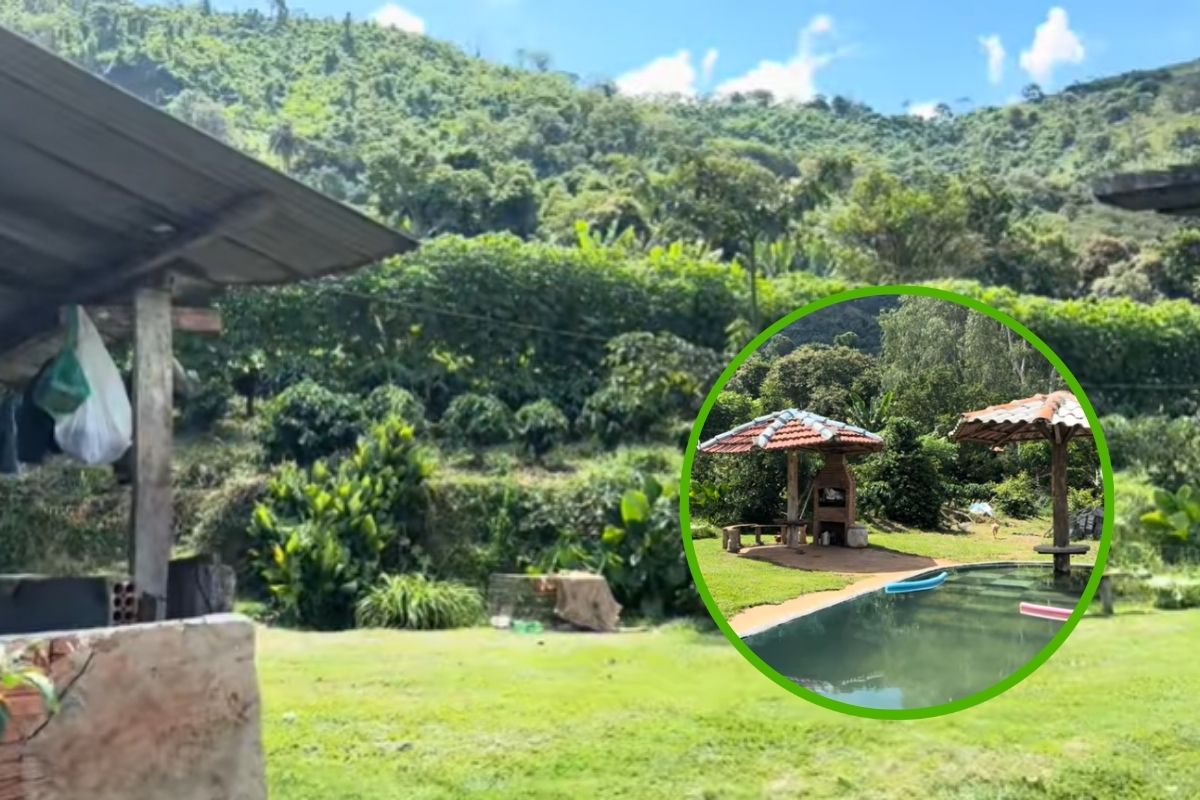
House without a door and without a window: a resident lives high in the mountains, says he enjoys the “free life,” mentions that the cat comes and goes hunting bats and rats, and that when it rains he wakes up with wet feet.
-
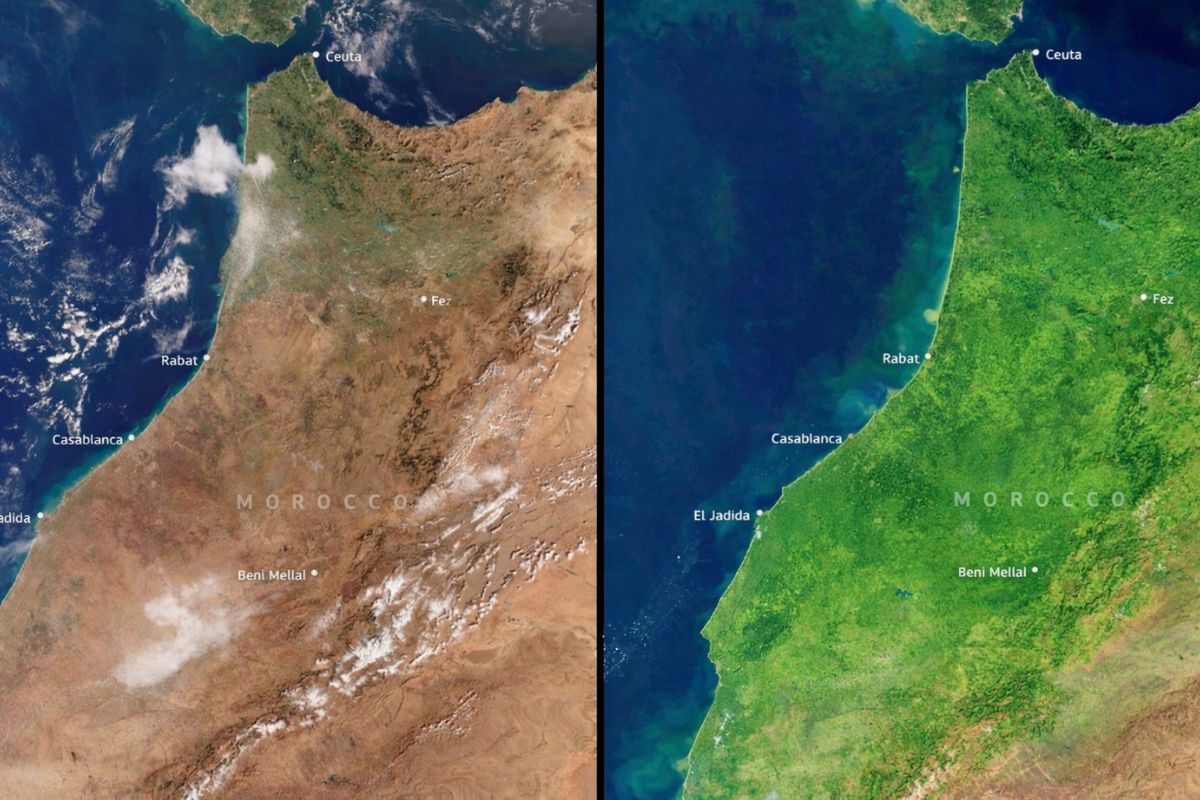
Satellite images show that Morocco became so green in 2026 that the country looks different from space: two months of heavy rains transformed arid land into dense vegetation for the first time in a decade.
-
Archaeologists were excavating the foundation of a historic house in Russia when they discovered a buried treasure with gold coins, left behind in the final days of the Russian Empire and now valued at over R$ 2.8 million.

-
The Mediterranean has become the target of the largest underwater archaeological mission ever coordinated by UNESCO: eight countries have joined forces to map shipwrecks and protect a historic corridor.


The turning point occurred in 1980, with the discovery of live tadpoles in hard-to-reach gorges in the Serra de Tramuntana, confirming that this amphibian did not belong solely to the geological past of the island but still survived in highly isolated remnant populations.
How the toad survived hidden in Mallorca
Subfossils and later records indicate that the toad once had a broader distribution in Mallorca but ended up pushed into a reduced set of steep ravines, where the geography provided partial protection against threats introduced during human occupation.

This refuge allowed the species to persist, albeit at the cost of an extreme dependence on permanent pools, seasonal water flow, and very specific micro-habitats for feeding, shelter, and reproduction.
The spatial limitation was not caused by a single factor. Studies and technical materials indicate that the introduction of non-native vertebrates profoundly altered the island’s fauna and reduced the chances of the amphibian’s survival in more open and lower areas.
Among these factors, the water snake appears as the main current predator of the species, while the Pérez’s frog is also associated with competition and pressure on larval stages, in a scenario that favored the toad’s retreat to more inaccessible locations.
Captive breeding changed the course of the species
The conservation response began to gain scale in the mid-1980s when the then Jersey Zoo initiated a captive breeding program with a few individuals taken from the wild.
Between 1985 and 1988, breeding under human care was successfully recorded, and the model paved the way for the formation of safety colonies in other European institutions, in coordination with environmental authorities from the Balearic Islands.
This step was decisive because the project ceased to depend solely on the small remaining wild populations and began to rely on a managed population reserve.
At the same time, fieldwork refined the selection of release sites, prioritizing historically occupied areas with compatible hydrology, rocky shelter, and a lower likelihood of the presence of introduced predators, a condition considered central to the success of new populations.
Reintroductions expanded the occupied area
The results accumulated over the years have made the Mallorca midwife toad an international reference in amphibian translocation.
In a balance published by the IUCN expert group, the program appears with 18 reintroductions considered successful, a situation that led to the doubling of the originally occupied geographical area and helped transform captive breeding from an emergency measure into a permanent component of the conservation strategy.
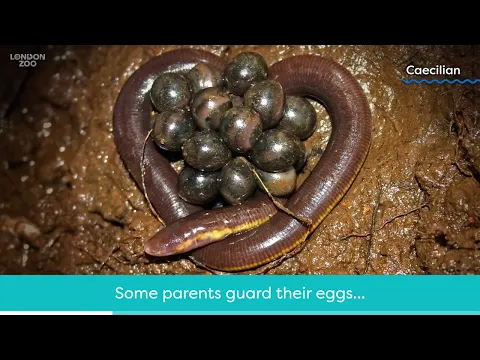

The international evaluation of the case has begun to cite the amphibian as a rare example of real status improvement driven by intensive management.
The IUCN and European technical sheets have recorded the species as Vulnerable, highlighting that the progress resulted directly from legal protection, assisted reproduction, reintroductions, and ongoing monitoring.
Still, the improvement did not mean full ecological autonomy, as the distribution remains restricted and the system depends on persistent vigilance.
Recent releases keep the plan ongoing
The recovery has not been limited to the past of the project.
In October 2024, the Barcelona Zoo reported the release of nearly one hundred specimens in the Serra de Tramuntana, an action carried out with the government of the Balearic Islands and technicians from the regional species protection service.
The initiative was presented as part of a broader agreement for ex situ conservation, breeding, and repopulation, signaling that the program remains operational and with goals for population reinforcement in a natural environment.
The persistence of this effort helps explain why the case continues to mobilize zoos, researchers, and public managers.
On islands, the recovery of highly localized species rarely depends on a single measure; in the case of Mallorca, progress has been sustained by the combination of legal protection, careful selection of release points, population monitoring, and reduction of the impact of introduced predators, without which the species would have remained confined to residual pockets.
Why the amphibian still requires monitoring
Even with the expansion achieved in recent decades, the Mallorca midwife toad remains dependent on fragile and discontinuous environments.
The species lives in ravines and mountain torrents where small pools persist when the water flow recedes, and it is precisely at these points that the tadpoles complete their development.
The animal also exhibits adaptations associated with life on rocky surfaces, which helps explain its historical resilience in limestone cliffs, but also increases sensitivity to habitat changes.
Therefore, the improvement in the international scenario coexists with institutional alerts in Spain.
Documents from the Balearic government maintain the amphibian classified as a species endangered in the Spanish national catalog and consider it premature to reduce conservation efforts, precisely because the recent gain depends on technical continuity, threat control, and health monitoring.
In other words, the toad has ceased to be merely a symbol of imminent disappearance, but it has not yet detached from the intensive management that made its survival possible.
The rediscovery of Alytes muletensis repositioned a discreet amphibian among the most cited examples of successful island species recovery.
Instead of relying on the appeal of large vertebrates, the story of the toad has shown that an animal almost invisible to the public can concentrate field science, assisted reproduction, international coordination, and long-term environmental policies when there is sufficient evidence that there is still a real path to restore part of its natural distribution.







Seja o primeiro a reagir!