





 Portuguese
  English
  Spanish
  6 min of reading
  0 comments


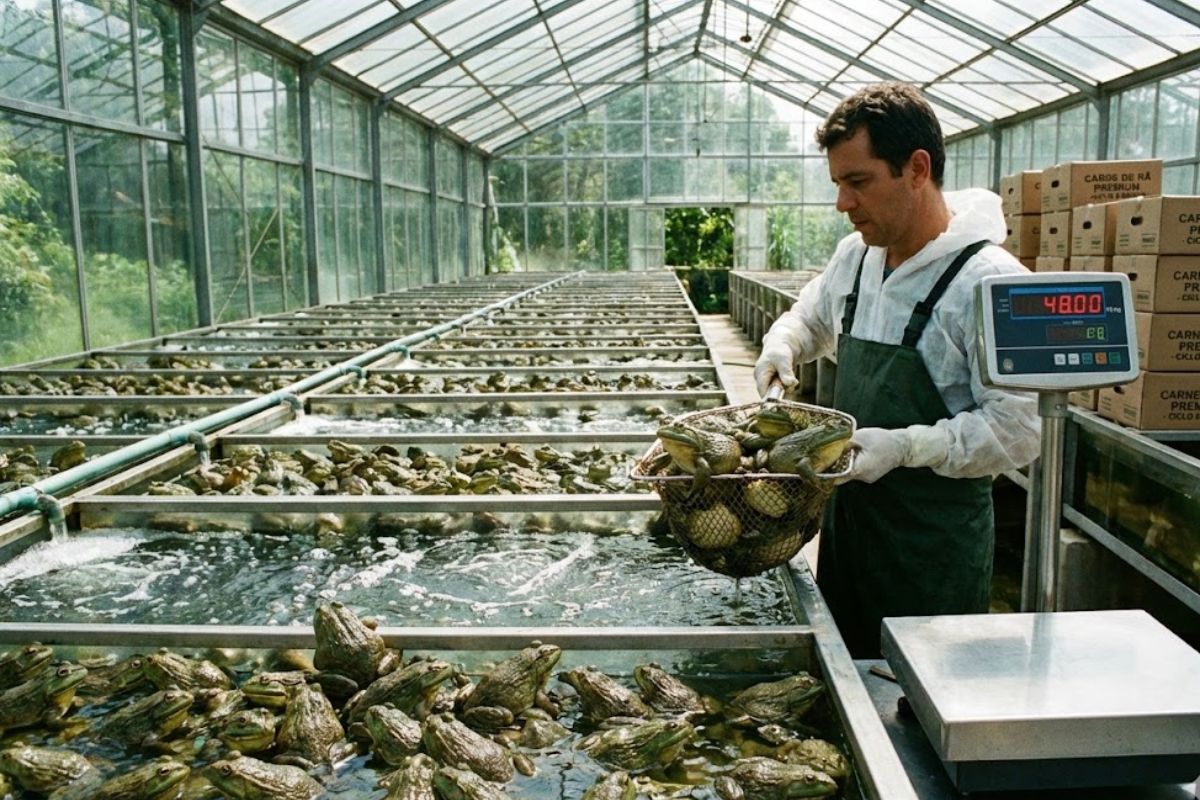
On An Eight-Thousand-Square-Meter Property, A Frog Farm With 230 Breeders Fattens Frogs In Greenhouses With Clean Water, Sells Meat For About R$ 48 Per Kilo And Still Faces Low Production, Dependency On Intermediaries, And The Absence Of A Structured Industry To Transform Frog Farming Into A Competitive And Scalable Chain.
Today, in the midst of the search for alternative proteins and the appreciation of rural niches, a frog farm set up in a relatively small area shows that it is possible to profit from fattening cycles of about six months, provided there is strict control of water, management, and feeding in well-defined stages, from egg to frog ready for slaughter.
At the same time, the numbers reveal the current ceiling of the business: the meat leaves the frog farm between R$ 45 and R$ 48 per kilo and reaches the end consumer for something between R$ 60 and R$ 70, a difference that exposes the weight of intermediation. Without scale, industry, and supply chain organization, frog farming remains promising in discourse but stalled in practice.
How The Frog Farm Works And The Structure Of The Property
The property has just over eight thousand square meters, of which about 2,600 were specifically allocated for the frog farm, described by the breeder as the heart of the operation.
-
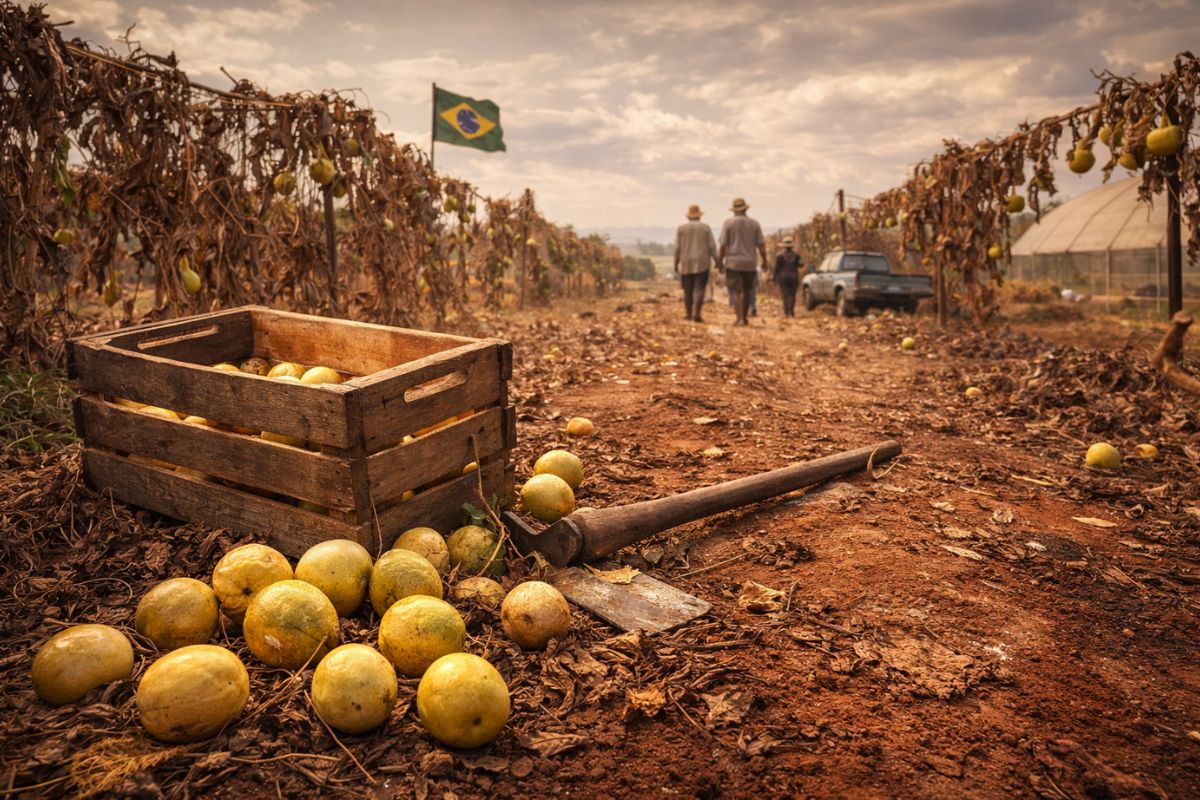
From 130 producers in the year 2000 to just 15 today: the dramatic decline of passion fruit in Araguari shows how the lack of labor in the Brazilian countryside is killing a decades-old agricultural tradition, even with Brazil being the largest producer in the world.
-
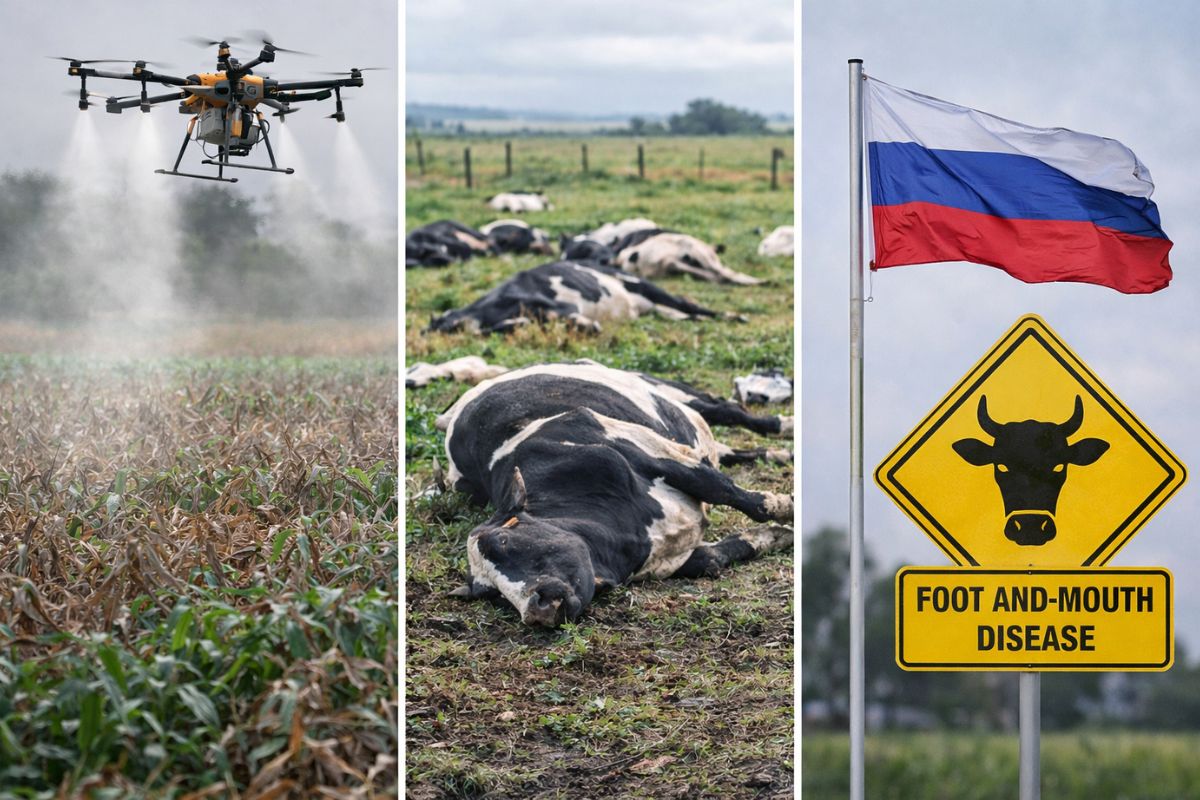
Agricultural drone sprayed poison into the air and destroyed the neighbor’s crops, causing 1 million in damages; 48 cows died from nitrite poisoning in the pasture, and Russia is hiding a possible outbreak of foot-and-mouth disease: the week was brutal for the rural sector.
-
Russia cut fertilizers, China cut fertilizers, and oil prices soared with the war in the Middle East: sugarcane producers in the interior of São Paulo are seeing costs explode from all sides and warn that the effects will take months to be absorbed.

-
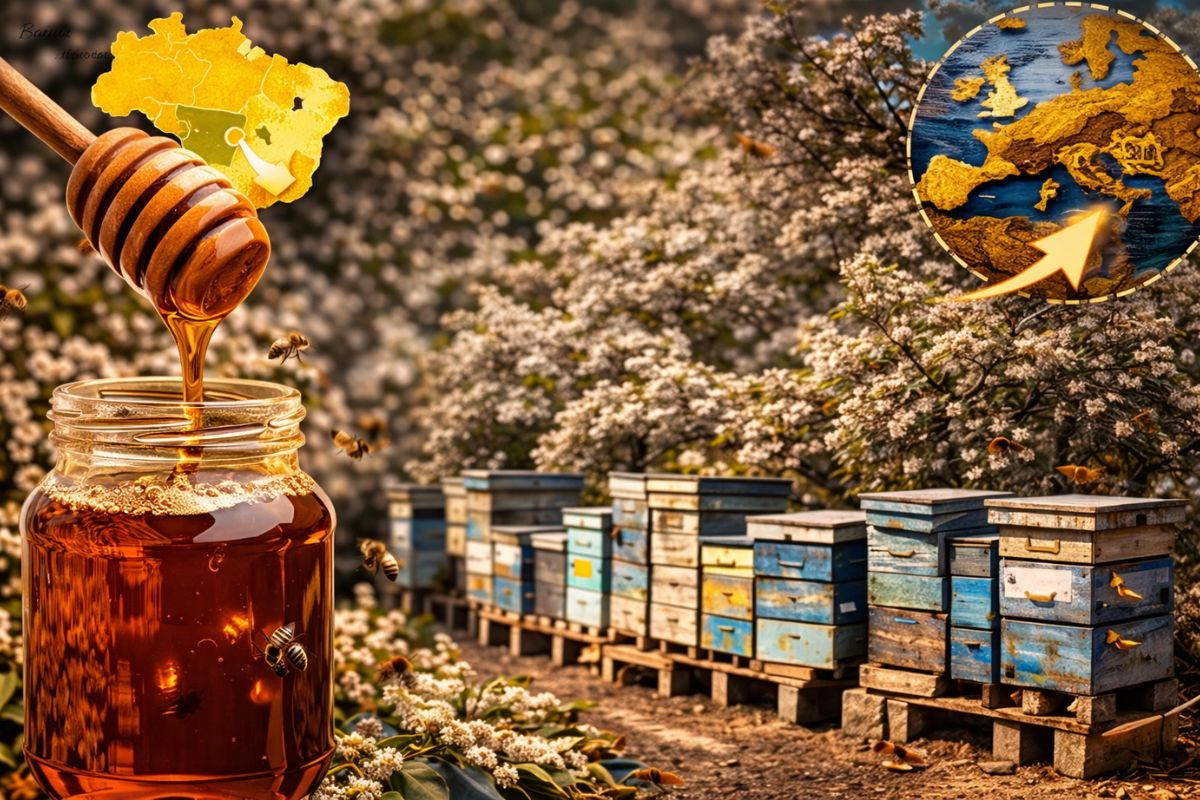
It does not come from flowers, is produced only every two years, and more than 90% goes straight to Europe: meet the bracatinga honeydew honey from Santa Catarina, considered one of the rarest in the world and overlooked by Brazil itself.

It is in this area that the breeders are kept in a greenhouse, distributed among four pens of approximately 10 by 10 meters, each with separate spawning boxes and feeders.
Today, the herd totals around 230 breeders, a number sufficient to maintain a continuous flow of eggs during the warm period.
The care is considered simple but non-negotiable: always clean water and the presence of aquatic plants are essential conditions for the frogs to spawn regularly.
The breeders are fed once a day, a routine that balances well-being and feed costs.
Reproduction, Nursery, And Obsession With Water Quality
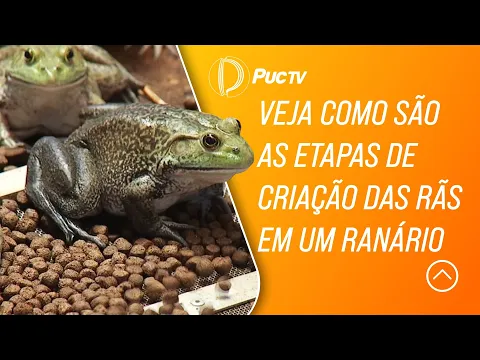

After spawning in the greenhouse boxes, the eggs remain there for about three days, depending on the ambient temperature.
They are then transferred to specific boxes until they turn into what are called “tadpoles,” small moving dots that signal the beginning of the next phase.
This stage is highly sensitive.
The breeder emphasizes that the water needs to be always “very clean,” with frequent renewal, to avoid early mortality.
In the nursery, the eggs and tadpoles evolve into tadpoles, distributed in tanks where feeding occurs four times a day.
The main care continues to be with the water: it needs to be changed and renewed regularly to prevent feed and dirt from accumulating at the bottom of the tanks.
According to the frog farmer, fresh water enters through lower channels and exits through specific outlets, ensuring constant renewal.
Without this circulation, the risk of mass mortality increases rapidly, as feed residues consume oxygen and deteriorate the environmental quality.
Before moving the tadpoles to the metamorphosis phase, he also performs extra cleanings to compensate for the lack of more sophisticated automated systems.
Metamorphosis, Fattening, And Size Management Within The Frog Farm
In the metamorphosis phase, the tadpoles are transferred to larger tanks.
It is there that they undergo a complete transformation: they lose their tails, grow legs, and can go up to five days without eating, using their own tails as energy reserves.
When they start behaving like small frogs and begin to climb the edges of the tanks, they are directed to the fattening area.
The fattening area of the frog farm is completely covered and protected by shade cloth. Each pen measures about 3 by 3.5 meters and receives batches of approximately the same age.
During this phase, feeding occurs three times a day, with specific feeds: starter feed of 2 to 3 millimeters, followed by intermediate feed of 6 to 7 millimeters, and finally, a feed of 9 to 11 millimeters.
All have around 40% protein, which ensures consistent weight gain.
As a result, the complete fattening cycle takes about six months, although it may extend during colder or rainy periods.
One of the main challenges reported by the breeder is size management: since some frogs grow faster than others, he needs to frequently select and separate the larger ones.
If not, during the competition for feed, the larger frogs tend to attack and eat the smaller ones, lowering the yield of the frog farm.
Cleaning, Protection, And Expansion Of The Structure
The cleaning of the fattening pens is done, on average, every two days. The goal is to maintain the water quality by removing feed residues and droppings that could cause diseases.
The structure of the frog farm is fenced and covered to prevent the entry of predators, such as snakes and other animals, and the breeder highlights that, so far, he has not registered significant losses due to attacks from external fauna.
Even with limited resources, he already plans to expand the number of pens, increasing from the current eight to at least 14, in addition to installing new greenhouses and water heating systems, possibly with the support of solar energy.
The idea is to reduce the impact of cold on the development of the frogs and accelerate fattening cycles within the frog farm, bringing production closer to more interesting volumes for regular sale.
How Much Is Frog Meat Worth And Where Is The Profit In The Frog Farm
At the end of the chain, frog meat is treated as a premium product.
According to the president of the association, the kilo leaves the frog farm in the range of R$ 45 to R$ 48, an amount received directly by the producer when the animal is ready for slaughter and commercialization.
After passing through intermediaries and retail, the price to the end consumer can reach R$ 60 or R$ 70 per kilo, which makes the product expensive on the shelf but maintains a good gross margin for those who can operate efficiently.
The problem is that few frog farms have the structure and volume necessary to continuously supply this market, which limits negotiations with larger chains and specialized slaughterhouses.
Lack Of Scale, Industry, And Organization Hinders Frog Farming
In the assessment of sector leadership, the difficulty is not only technical.
The individual frog farm can produce, but the chain as a whole does not reach a scale that justifies larger industrial investments.
The president of the association highlights that current production is small compared to consumption potential and that there is a market for volumes much higher than currently offered.
He emphasizes that the producer needs to know who they will sell to and under what conditions.
The vision is clear: without a dedicated slaughter and processing industry, the frog farm will remain a hostage to intermediaries and one-off sales, which raises the cost of the product and discourages long-term investments.
Instead of isolated projects, the sector talks about organizing groups of producers, reducing feed and logistics costs, and negotiating directly with slaughterhouses.
In the end, the diagnosis is straightforward: there is demand, there is basic management technology, and there are people willing to invest in frog farms, but there is a lack of integration between field, industry, and market.
Without that, frog farming will continue to grow slowly, far below what it could represent in the special protein agenda of the country.
If you had limited capital to invest today, would you risk setting up a frog farm betting on this niche meat or consider the risk of lack of industry and scale too high to enter this market?









Seja o primeiro a reagir!