





 Portuguese
  English
  Spanish
  5 min of reading
  0 comments



Charm, Silence, and Nature Are Real, but the Countryside Also Requires Preparation, Planning, and Adaptation See the Most Common Mistakes of Those Who Move Without Assessing the Routine Outside the Capital.
Moving to the countryside is the dream of those seeking security, tranquility, and more time for themselves. However, far from the urban rhythm, real life can be quite different from what appears in social media photos. Lack of infrastructure, unexpected costs, and isolation are traps that surprise even the most optimistic.
Although the decision seems simple, moving to the countryside without research and planning can turn what was meant to be a peaceful fresh start into a series of frustrations. Understanding daily life, the climate, the market, and local customs is the first step to ensure that the move results in a genuine improvement in quality of life and not an expensive mistake.
Unrealistic Expectations: The Biggest Risk for Those Idealizing the Countryside
The first mistake is believing that the countryside is a perfect refuge, free of setbacks. Pictures of tranquil landscapes and romantic testimonials create an almost mystical image, but every small town has limitations.
-
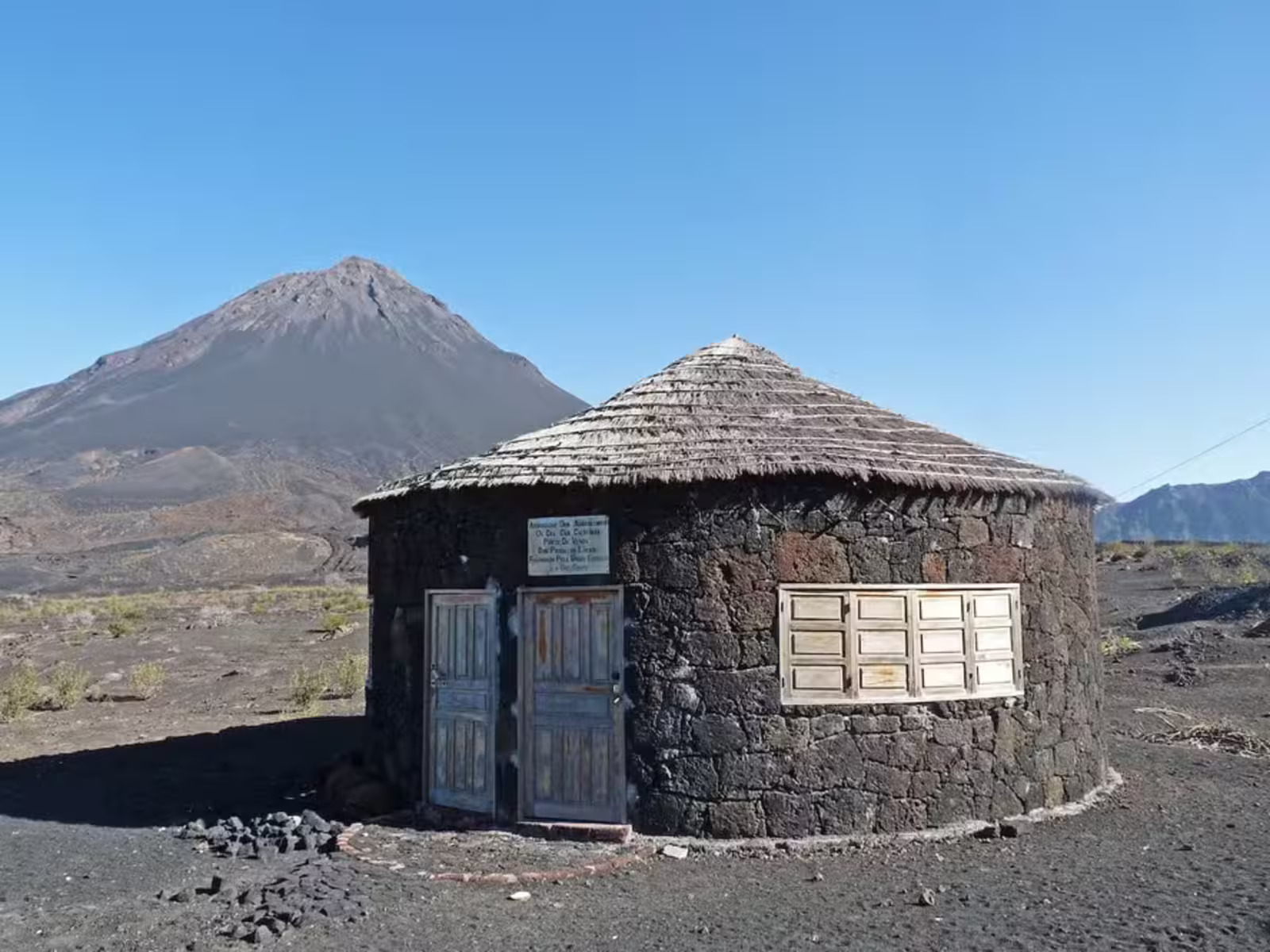
Inside an active volcano in Africa, residents use volcanic rocks to build houses in an impressive setting.
-
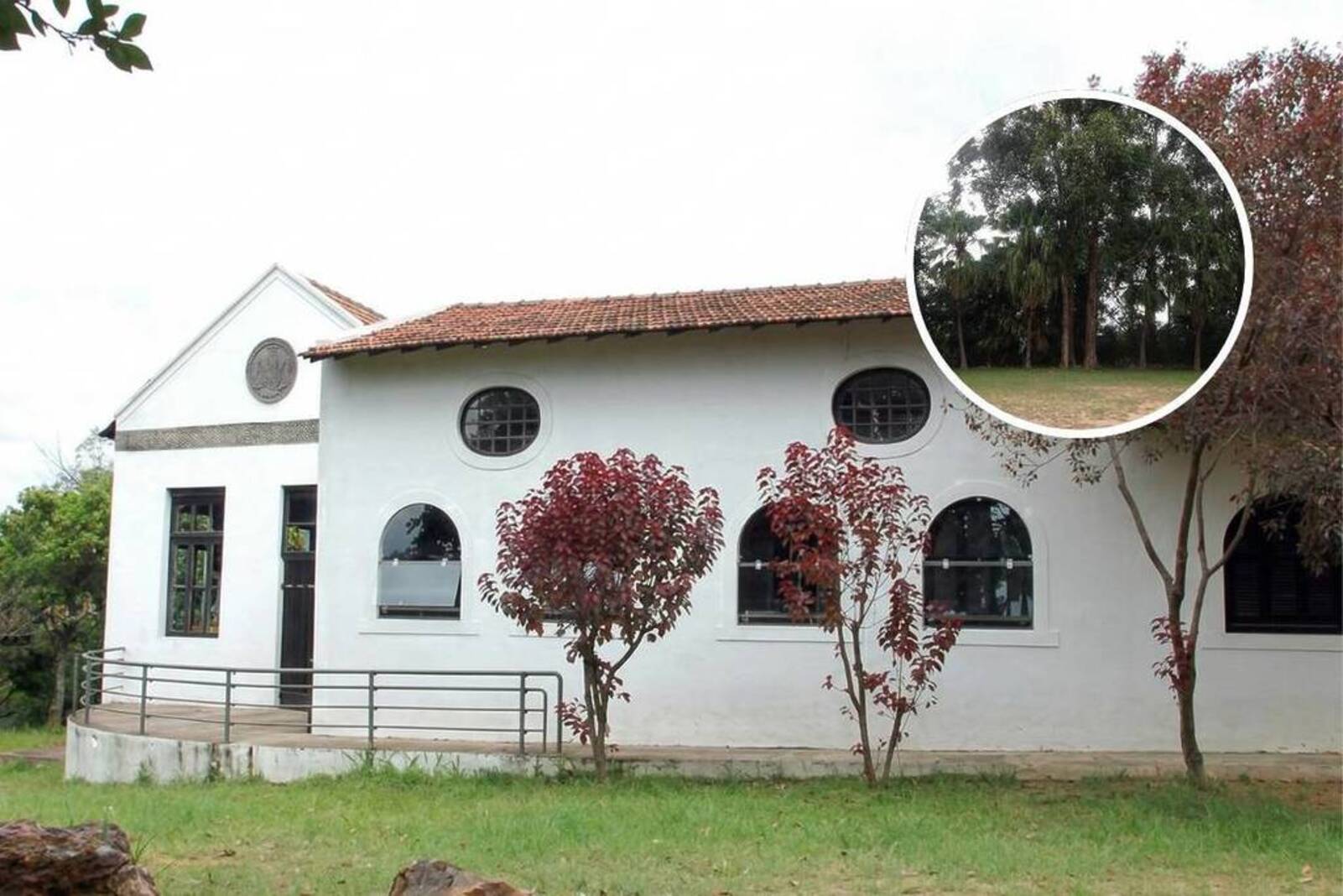
After 14 years of waiting, a rammed earth mansion built in 1702 in the North Zone of São Paulo will become a park with leisure facilities and green areas, with a million-dollar investment.
-
With 2 unfinished nuclear reactors, up to 25 billion in costs, and proven fraud, the Nukegate case has left 800,000 consumers still paying today for energy that will never be produced.

-
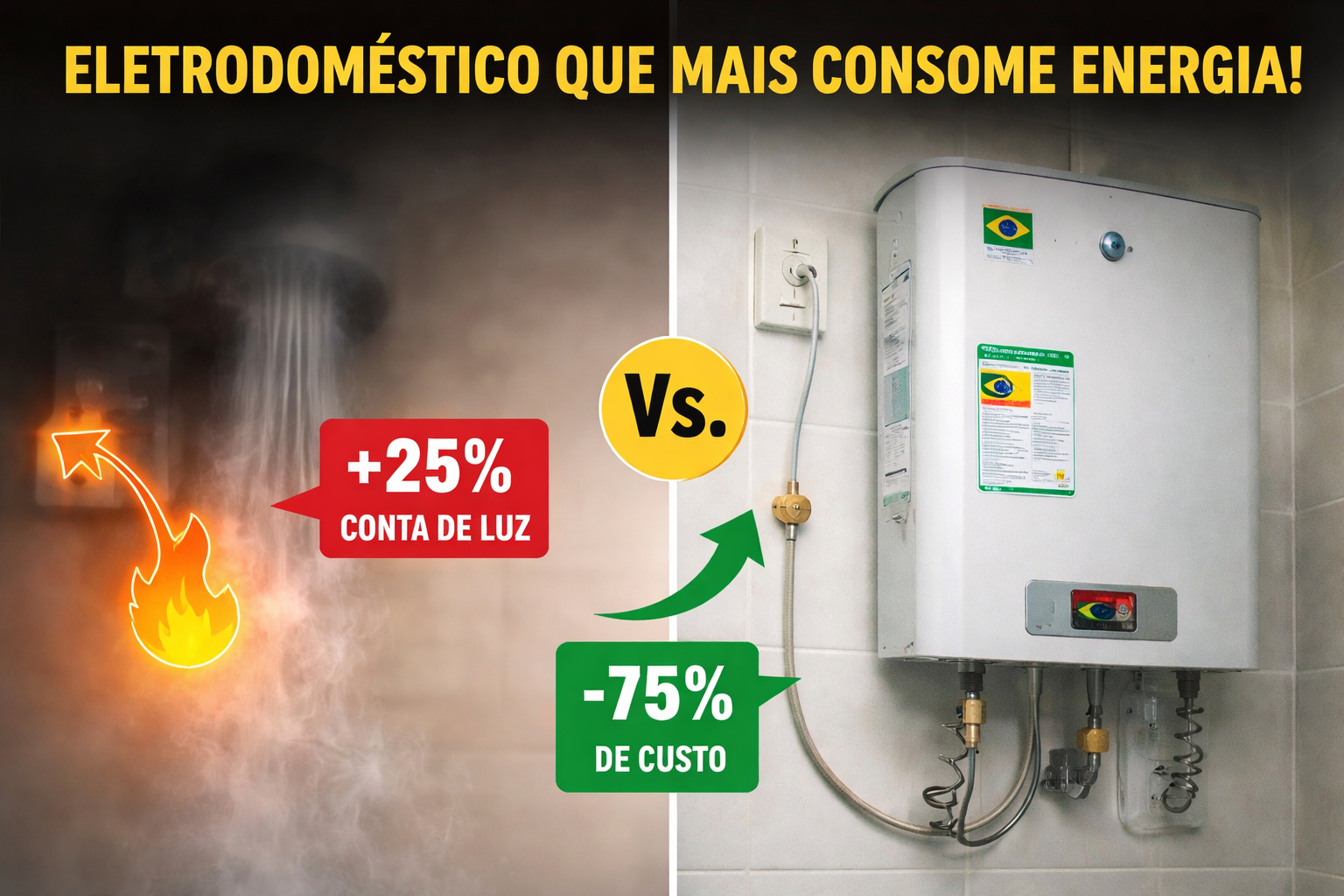
The household appliance that consumes the most energy in Brazilian homes is not the air conditioner; it is located in the smallest room of the house, is used daily, and can account for up to 25% of the electricity bill, while an alternative in the same outlet can reduce this cost by up to 75%.

There is not always an equipped hospital, good schools, or efficient public transportation.
When reality hits—in the form of extreme heat, poor infrastructure, or lack of leisure options—the enchantment fades. Idealizing the countryside as a “retreat from urban problems” is the first step toward disappointment.
It is essential to visit the location at different times and days, talk to residents, and observe real daily life before making a decision.
Choosing by Price and Ignoring Infrastructure
Houses and lots with low prices may seem irresistible, but values below average almost always have a reason. Distant neighborhoods, little commerce, transportation difficulties, and lack of basic services often justify the “opportunity”.
The final bill can end up being much higher than it appears. Expenses with commuting, fuel, and routine maintenance can negate the initial savings.
The ideal is to prioritize central or well-connected areas; although the investment may be higher in these cases, the cost-benefit usually compensates.
Cost of Living: The Cheap That Can Be Expensive
Many believe that the countryside is synonymous with a cheaper life, but this rule is not universal. In touristy or isolated towns, the price of products and services can be even higher than in capitals.
Markets with little competition, limited internet, and higher energy costs are examples of expenses that catch residents by surprise.
Before the move, it’s worth simulating actual expenses: food, health, transportation, and leisure. Understanding the local economy helps adjust expectations and avoids shocks in the first month of residency.
Limited Job Market and Scarce Opportunities
Another recurring mistake is believing that jobs appear quickly. The job market in the countryside is usually more limited, with fewer vacancies and lower salaries.
Professions related to commerce, tourism, and services are more common, while specialized positions might simply not exist.
Those relying on local work should research the market beforehand and, if possible, arrive with interviews scheduled or offers in sight.
Those who work remotely have an advantage, as long as they check the quality of the internet connection and the cost of the service, which can be high in smaller towns.
Transportation: Relying on Buses Can Be a Problem
In many small towns, public transportation is scarce or nonexistent. Buses that run only a few times a day and long distances between neighborhoods make it difficult for those without a car.
Having your own means of transportation—car, motorcycle, or electric bike—makes life more practical and reduces the feeling of isolation.
For those who do not plan to drive, the ideal is to live close to the center or areas with greater service circulation, ensuring autonomy in daily life.
Climate and Comfort: The Detail That Impacts Daily Life
Few remember to consider the climate of the countryside before moving. There are cities where intense heat makes the day unbearable; in others, the cold or humidity directly impacts health and spending on climate control.
Talking to residents and visiting the location in different seasons helps understand how the climate affects daily life. This awareness helps avoid unexpected expenses with air conditioning, heaters, and home adaptations.
One of the most costly mistakes is buying property before living in the city. Brief visits do not reveal daily routines, neighbor behavior, or the true pace of the neighborhood.
The recommendation is to rent first for a few months and observe the environment. With time, it is possible to discover which regions truly fit the desired lifestyle and avoid difficult-to-correct regrets.
Cultural Shock: The Invisible Factor That Defines Adaptation


Those coming from the capital who arrive in the countryside with attitudes of superiority or impatience may face resistance.
Life in small towns is more relational and communal, where greetings, street conversations, and participation in local festivities are part of the experience.
Arriving with respect, listening more than talking, and participating in community life are attitudes that build belonging. In the countryside, those who respect are welcomed; those who ignore are forgotten.
Expecting constant hustle, busy bars, and events every weekend is a common mistake. The countryside has a different pace less intense, more focused on family time and contact with nature.
This does not mean isolation, but rather a redefinition of leisure. Finding joy in walks, cafés, local fairs, and simple routines is part of the adaptation. For many, it is precisely this slowdown that brings the sought-after sense of well-being.
Living in the countryside can be transformative, but it is not a fairy tale. It requires research, planning, and a willingness to adapt to a new culture and pace of life.
The most common mistakes—acting impulsively, idealizing the town, and ignoring limitations—are precisely the ones that can be most costly.
And you, have you ever thought about moving to the countryside? Do you think tranquility compensates for the challenges of daily life? Share your opinion in the comments—we want to hear from those who live or have lived this experience in practice.







-

Uma pessoa reagiu a isso.