





 Portuguese
  English
  Spanish
 6 min of reading
  0 comments


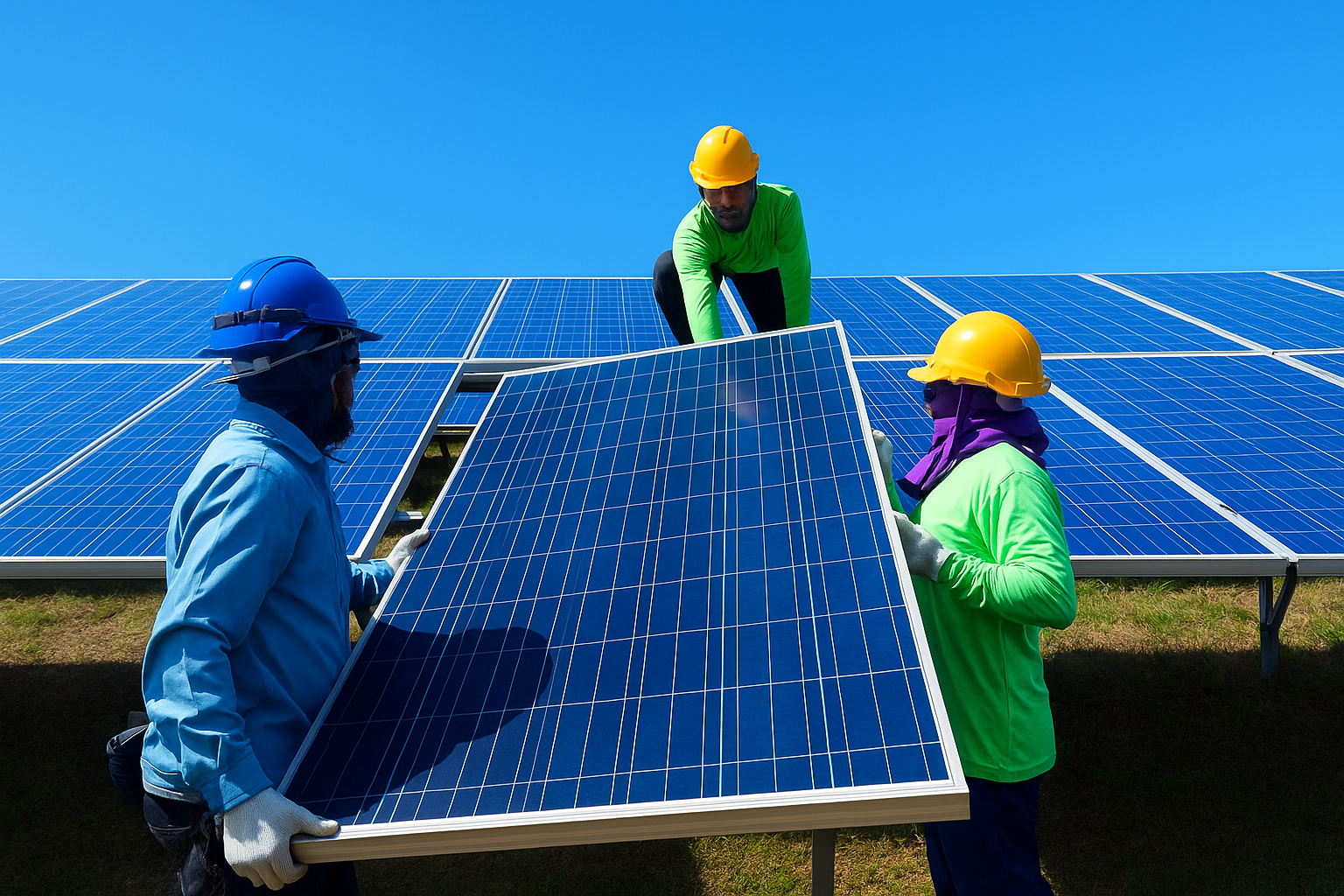
Discover How Recife Became a Stage for Strategic Debates on the Future of Clean Energy, Bringing Together Experts, Entrepreneurs, and Authorities to Strengthen Sustainability in the Electric Sector.
Recife has once again become a strategic meeting point for the energy sector, as it hosted an event discussing the future of clean energy in Brazil.
Furthermore, entrepreneurs from the photovoltaic sector, consultants, specialists, and public authorities gathered to explore technological trends, business opportunities, and pathways for a more sustainable electric sector.
Thus, the Absolar Meeting Northeast, held in the city, highlighted the importance of developing solutions that combine innovation, sustainability, and energy efficiency.
-
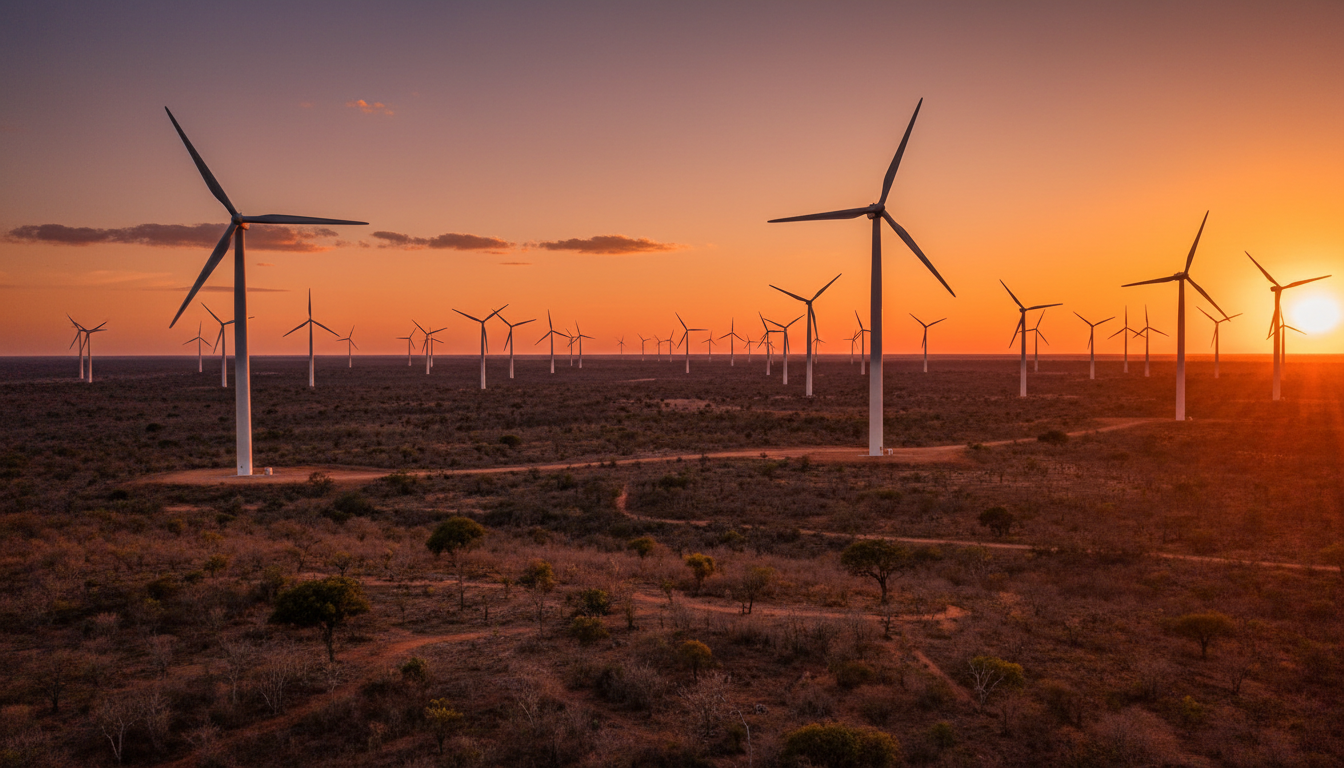
The Brazilian Northeast is receiving the largest wave of investments in clean energy ever seen in the country, with R$ 200 billion in wind and solar, 9,000 km of transmission lines, and a promise that could change the economy of 60 million people.
-
Chinese company creates solar cell that breaks the physical limit of silicon with 34.85% efficiency and promises to revolutionize electricity bills with panels that generate 20% more energy starting in 2026.

-
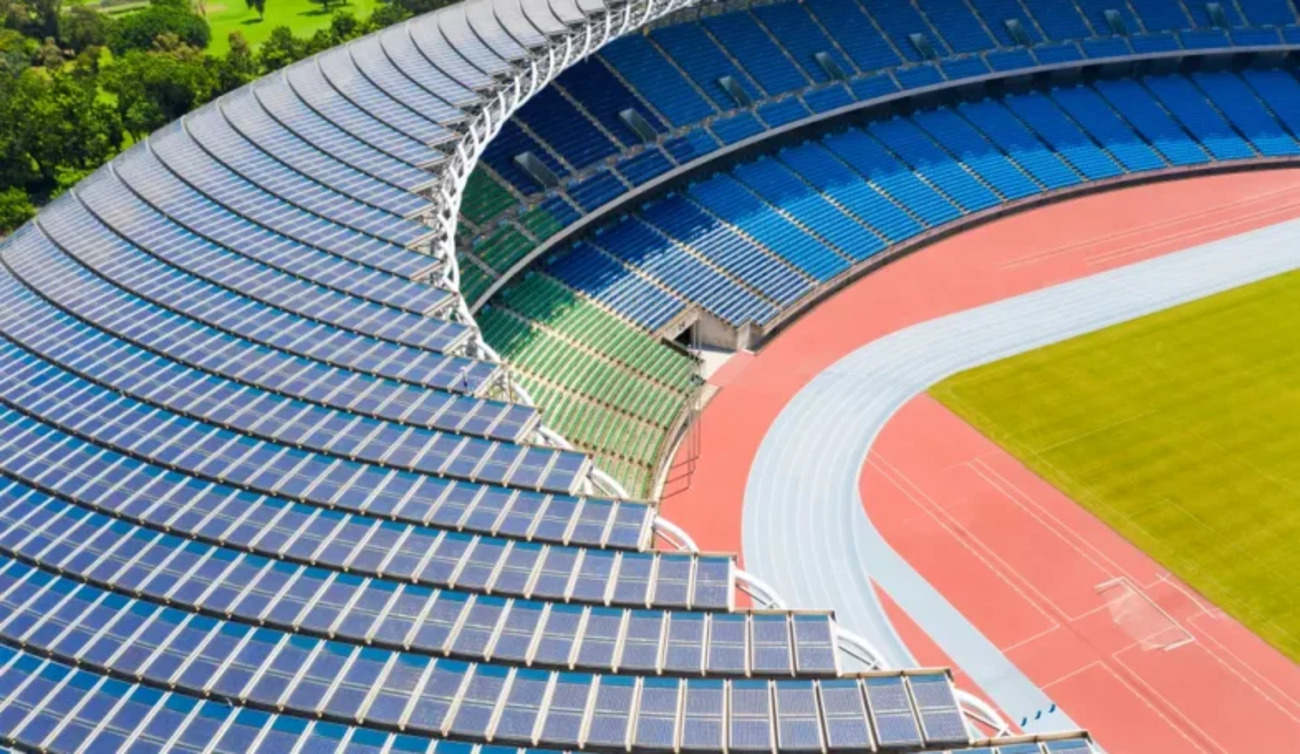
How green infrastructure and renewable energy at the World Cup transform the logistics of the largest sporting event on the planet in North America.
-
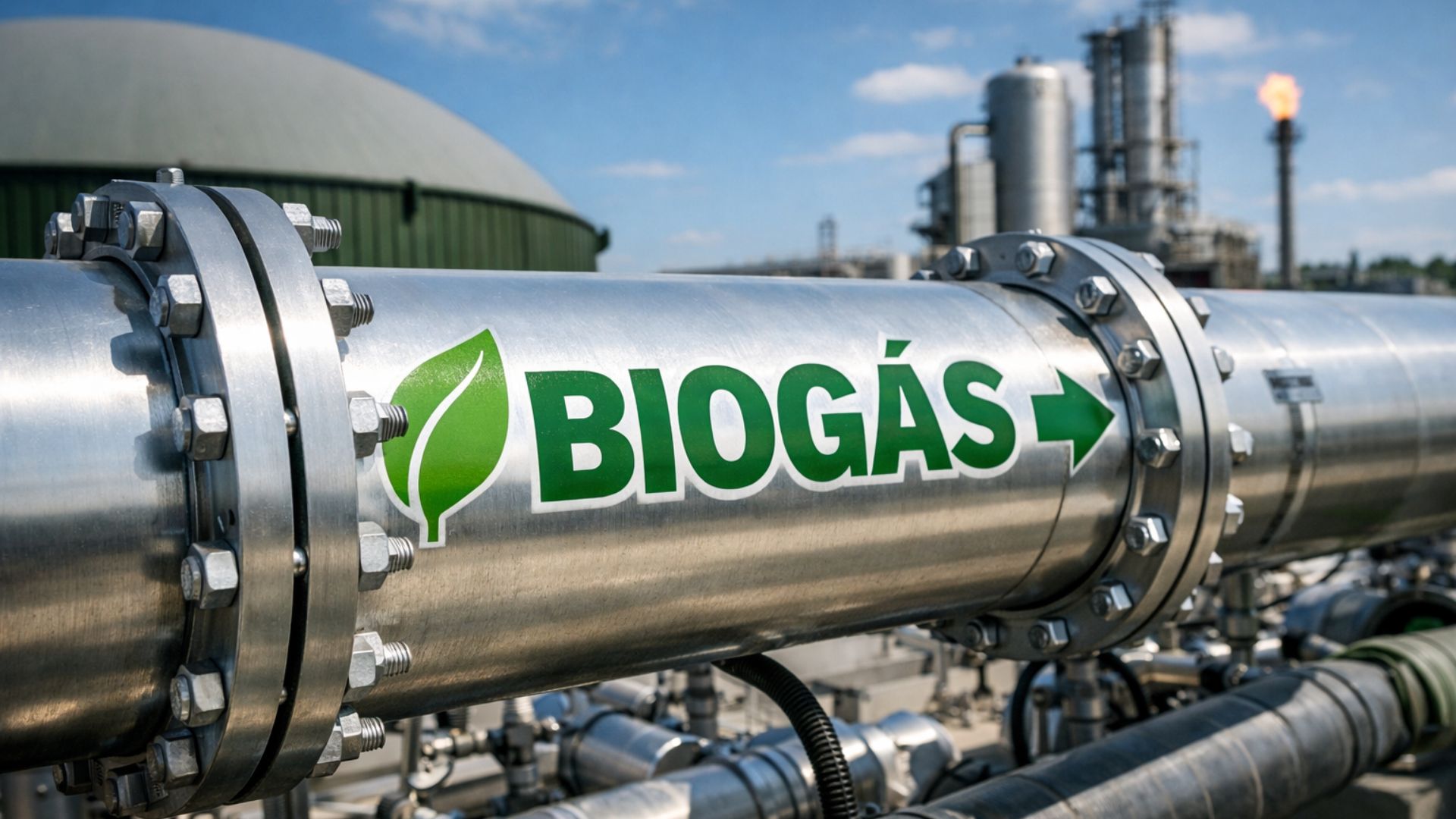
The Cagece and UFC project advances in sustainable innovation with biogas by converting waste into renewable energy, reducing environmental impacts, and increasing sanitation efficiency with concrete and measurable results.
These discussions reflect, therefore, a significant shift in the Brazilian energy matrix.
Historically, Brazil plays a prominent role in the production of clean energy. Since the implementation of the first hydropower plants in the 20th century to the expansion of wind and solar energy in recent decades, the country shows potential to establish itself as a leader in low environmental impact energy solutions.
In this sense, the Northeast region, in particular, stands out as a strategic hub for solar energy, due to the high incidence of solar radiation and the growing adoption of photovoltaic technologies in homes, industries, and rural properties.
The development of clean energy in Brazil is also directly related to the advancement of public policies and strategic investments.
Therefore, government programs that incentivize distributed generation and specific credit lines for solar energy have stimulated the adoption of these technologies.
This institutional support, consequently, created a favorable environment for innovation and the implementation of sustainable solutions.
Thus, the country continues to advance towards a more modern and efficient electric sector.
Participation of Leaders and Regional Impact
The meeting in Recife featured prominent names, including the Executive Secretary of Energy of Pernambuco, Guilherme Sidi, the Superintendent of Banco BV, Fábio Sotto, and Rodrigo Sauaia, President of the Board of Directors and CEO of Absolar.
In addition, Edvaldo Jordão, President of the Economic Development Agency of Alagoas, also participated, thereby reinforcing the importance of the event for regional integration and the promotion of public policies aimed at expanding clean energy.
Among the state coordinators of Absolar were Lusev Oliveira, from Pernambuco, Santiago Cergueira, from Bahia, and Jonas Becker, from Ceará.
This, therefore, demonstrates the breadth of regional representation.
According to data from the Brazilian Association of Photovoltaic Solar Energy (Absolar), the self-generation of solar energy brought to the Northeast region over R$ 39.6 billion in investments.
Moreover, the region installed a capacity of over 7.9 gigawatts (GW), covering homes, businesses, industries, rural properties, and public buildings.
These numbers, therefore, highlight not only the economic viability of clean energy but also its positive impact on modernizing energy infrastructure and democratizing access to sustainable electricity.
In addition, investments in clean energy generate significant social impacts.
For example, the creation of direct and indirect jobs, the training of specialized workforce, and the strengthening of local productive chains contribute to regional economic development.
Therefore, solar energy represents not only an environmental solution but also acts as a driver of social transformation.
It empowers communities and strengthens the local economy.
Historical Evolution and Perspectives for Solar Energy
The trajectory of solar energy in Brazil reflects decades of learning and adaptation.
Initially, photovoltaic technology faced cost and infrastructure barriers, but over the years, public policies, tax incentives, and growing environmental awareness propelled its development.
Thus, currently, solar energy plays a central role in the future of clean energy, generating jobs, attracting investments, and contributing to the reduction of greenhouse gas emissions.
The sector’s growth is also related to technological innovation.
Therefore, research and developments in more efficient solar panels, advanced storage systems, and integration with smart grids allow solar energy to become more reliable and competitive.
This technological evolution opens new opportunities for businesses and consumers.
Therefore, clean energy is becoming increasingly accessible and sustainable.
The event also addressed the growth of sustainable electrification, including the expansion of charging stations for electric vehicles.
These stations represent, therefore, a significant change in urban mobility.
The electrification of transportation is one of the most important strategies to reduce reliance on fossil fuels and lessen the environmental impact of cities.
Furthermore, discussions on solar energy storage systems reinforce the need for innovative solutions that ensure stability and reliability for consumers and companies.
The Absolar Meeting Northeast facilitated networking among suppliers, integrators, financiers, and customers in the solar energy value chain in Brazil.
This type of interaction fosters strategic partnerships, develops new business models, and strengthens the sector as a whole.
Additionally, the support from companies such as Solar Group, Souapave, WEG, Hydro, and Amaná Vehicles demonstrates the market’s interest in expanding the reach of clean energy and investing in technologies that meet future demands.
Brazil’s Role in the Energy Transition
Throughout recent history, Brazil has shown the ability to adapt to changes in the global energy sector.
The transition to renewable sources, including solar and wind, occurs not only for environmental reasons but also for economic opportunities.
Therefore, investments in clean energy strengthen energy security, reduce costs, and create jobs.
Additionally, it positions the country as a leader in the international sustainability landscape.
The future of clean energy in Brazil depends, therefore, on technological innovation, effective public policies, and societal engagement.
Events like the Absolar Meeting Northeast promote this dialogue. They encourage investments and disseminate knowledge about best practices to expand the electric sector sustainably.
Moreover, initiatives of this kind strengthen the perception that clean energy is not only an alternative but a strategic necessity for the economic and environmental development of the country.
As the world faces challenges related to climate change and resource scarcity, investment in renewable sources becomes increasingly relevant.
Solar energy, in particular, offers unique advantages, such as reducing dependence on fossil fuels, creating local jobs and integrating with urban and rural systems.
Therefore, the Absolar Meeting Northeast demonstrated that, even in a region already mature in terms of solar generation, there are significant opportunities for innovation, growth, and collaboration among different sectors of the economy.
Recife as a Strategic Hub for Clean Energy
Recife, by hosting an event of this magnitude, reinforces its position as a strategic hub for the development of clean energy in Brazil.
Furthermore, the city welcomes entrepreneurs and specialists, contributing to building a narrative of sustainability, innovation, and technological progress.
This meeting, therefore, shows that the future of clean energy is promising.
It has the potential to transform the regional economy, strengthen environmental policies, and create a more just and efficient energy model.
The Absolar Meeting Northeast brought reflections on the future of smart cities and the integration of clean energy in urban centers.
Energy efficiency projects, sustainable public lighting, and integrated distributed generation systems emerge as solutions that make cities more resilient, economical, and environmentally conscious.
This vision expands the impact of clean energy beyond the electric sector, reaching people’s daily lives and promoting sustainable urban development.
In summary, the Absolar Meeting Northeast showed that clean energy occupies the center of discussions on sustainable development and modernization of the electric sector.
By combining investments, technology, and public policies, Brazil can lead the energy transition in Latin America, ensuring security, sustainability, and economic growth.
The future of clean energy, therefore, integrates the past, present, and future perspectives, pointing towards a more sustainable, innovative country connected to the global energy challenges.







Seja o primeiro a reagir!