





 Portuguese
  English
  Spanish
  3 min of reading
  0 comments



The Growing Use Of Facial Recognition In Buildings Reignites The Debate On Privacy, Digital Security And Residents’ Rights
The discussion about the use of facial recognition in condominiums has grown in Brazil, especially after several reports of data breaches and digital scams involving personal information. For many residents, the idea of having their own image stored in a private system raises concerns, especially since data banks of companies, condominiums, and various institutions have become recurring targets for criminals.
The information was highlighted in analyses by digital security experts and reinforced by content published on consumer guidance channels, which show how data such as name, ID, taxpayer number, address, bills, and even biometrics can be extracted and used in frauds.
Why Are So Many Residents Afraid To Provide Facial Biometrics To The Condominium?
The rise of digital scams has a direct relationship with data breaches, as warned by the channel “Não Cai na Roubada,” which frequently publishes guidance on personal data protection. According to these analyses, a large portion of frauds occurs precisely because someone accessed sensitive information stored inadequately.
-
The Chamber opens a debate on driver’s licenses at 16 years old as part of a reform that includes around 270 proposals to change the Brazilian Traffic Code and may redesign rules for licensing, enforcement, and circulation in the country.

-
The new Civil Code could revolutionize marriages in Brazil with “express divorce” and changes that could exclude spouses from inheritance.

-
Banco do Brasil sues famous influencer for million-dollar debt and intensifies debate on delinquency, risks of seizure, and direct impact on Gkay’s credibility.

-
The Senate approves a bill that criminalizes misogyny, hatred, or aversion towards women, and includes the crime in the Racism Law with a penalty of up to 5 years.


Many residents report fear that the image stored in the building’s facial recognition system could be copied or diverted. And this fear is not unfounded: biometric information, such as fingerprints or facial recognition, has been listed as the most dangerous data to be leaked, as it cannot be “changed” like a common password.
Additionally, various reports sent to the channel show that many victims believe their biometrics have been compromised right in the places where they live or work. The fear is that this data will be used to open accounts at digital banks, hire services, or execute scams that require facial validation.
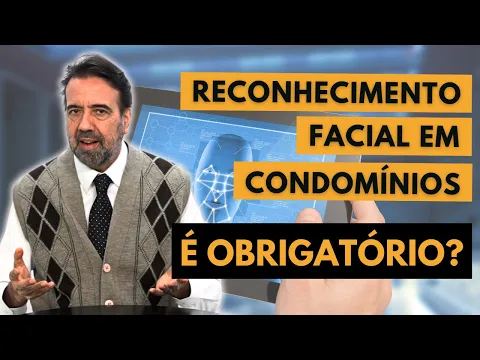
Is A Resident Obligated To Provide Facial Recognition? What Does The Law Say About It
According to experts in condominium law, there is no legal obligation forcing residents to provide their facial biometrics. Participation in the system should be voluntary, and the condominium must offer equally functional access alternatives.
At this point, Brazilian legislation is clear: biometric data are considered sensitive personal data under the General Data Protection Law (LGPD). Therefore, no condominium can impose the delivery of such information as a mandatory condition for access to the premises.
Thus, even if some companies try to make facial recognition standard, residents have the right to say no and choose other identification methods, such as:
- proximity keychains (tags),
- access cards,
- numeric passwords,
- manual identification by the doorman,
- or any other available alternative method.
Moreover, if a resident has already provided their biometrics and wishes to remove them, they must formally request the building manager or administrator to delete the data from the system. This request is supported by the LGPD and must be honored, especially when the resident is moving out of the condominium.

How To Protect Yourself And Demand The Deletion Of Biometrics From The Condominium System
For those who have already provided their biometrics and now seek greater privacy, it’s important to follow a few steps:
- Formally request in writing the deletion of biometric data.
- Request that the condominium confirm the removal by email or signed document.
- Inquire where the data is stored and who has access to the system.
- Confirm if the system has audit trails and records of manipulation.
These measures ensure that no fragments of the biometrics remain in third-party databases that could, in the future, be accessed improperly.
However, even with these guarantees, many residents prefer to avoid any type of facial registration due to the increasing risks of data theft in the country. The controversy is likely to continue, especially while companies and administrators attempt to impose standards without considering the legislation and the residents’ right to choose.
Given the many risks to privacy, the possibilities of sensitive data breaches, and the absence of a legal obligation, the question remains: how safe do you feel about handing over your face to a system that does not always guarantee your protection?









Seja o primeiro a reagir!