





 Portuguese
  English
  Spanish
  3 min of reading
  23 comments




Brazilian Aviation Faces Financial Collapse and Seeks Urgent Structural Solutions
Brazil’s commercial aviation is experiencing a critical phase. Two of the largest companies in the sector — Azul and Gol — filed for bankruptcy protection between 2024 and 2025. This move, though predictable in light of the pandemic and the appreciation of the dollar, exposes historical weaknesses of the national aviation.
On May 28, 2025, Azul formalized its bankruptcy filing in the United States, becoming the latest company to join the process. Meanwhile, Gol began its restructuring in January 2024 to address an estimated debt of R$ 20 billion. Together, these actions reveal a sector pressured by costs, exchange rates, and lack of state support.
Azul and Chapter 11: A Maneuver to Survive and Continue Operating
The recourse to Chapter 11 of the U.S. Bankruptcy Code has become a key mechanism for these companies. The process allows companies to continue operating while reorganizing their debts. According to Azul’s CEO, John Rodgerson, the expectation is to eliminate about US$ 2 billion in financial obligations, equivalent to R$ 11.28 billion.
-
Chaos On Airplane Could Be Expensive: Proposal Aims To Prevent Disruptive Passengers From Flying For Up To 1 Year In Brazil And Face Fines Of Up To R$17,500

-
Man Arrested After Halting Takeoff of Fire Department Helicopter During Child Rescue in Guaratuba

-
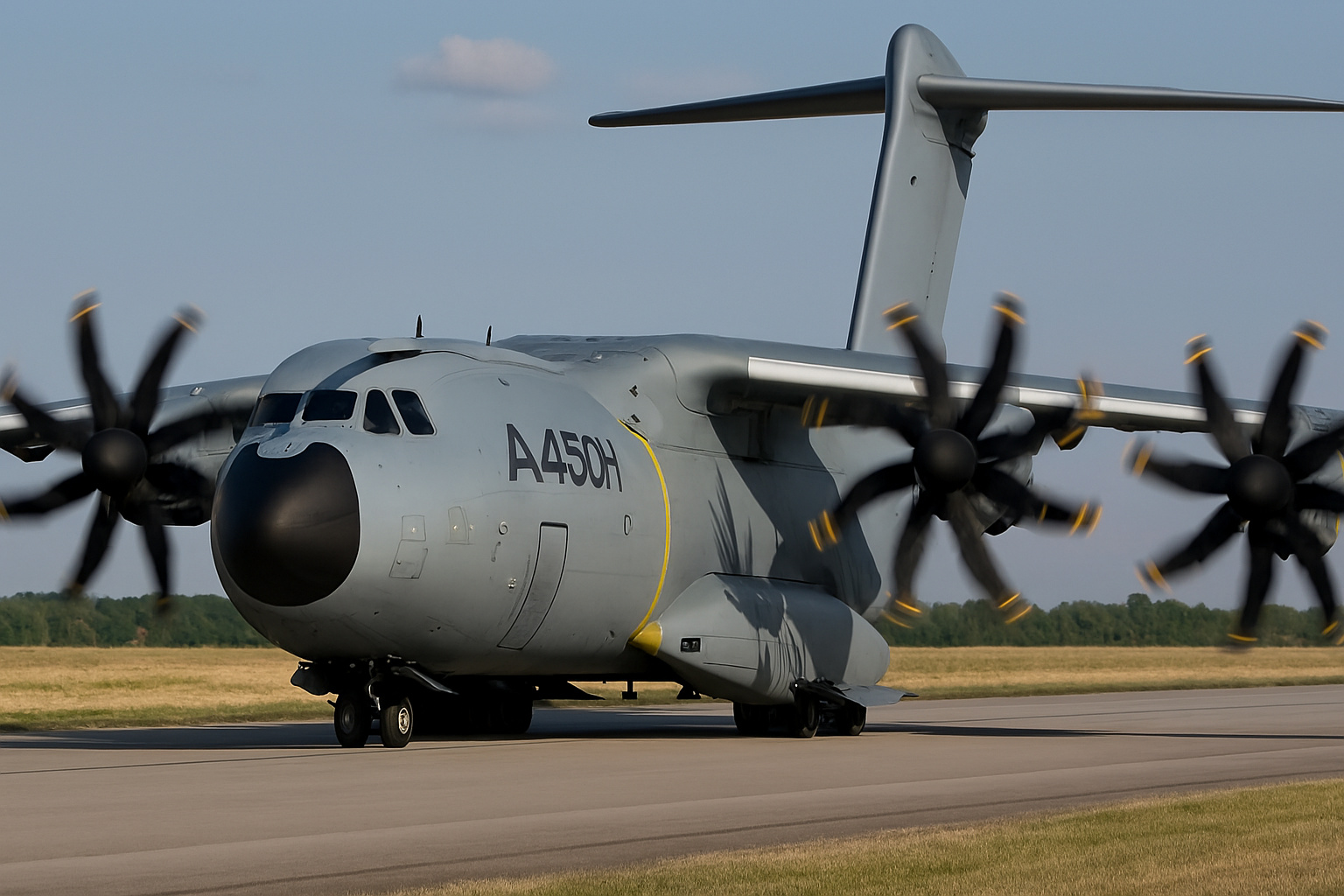
With 37 Tons of Cargo, Over 8,000 km Range, and Ability to Land on Unpaved Runways, the Airbus A400M Demonstrates How Europe Created a Military Giant That Transports Armored Vehicles, Aerially Refuels Fighters, and Operates in Conflict Zones and Humanitarian Missions Worldwide
-
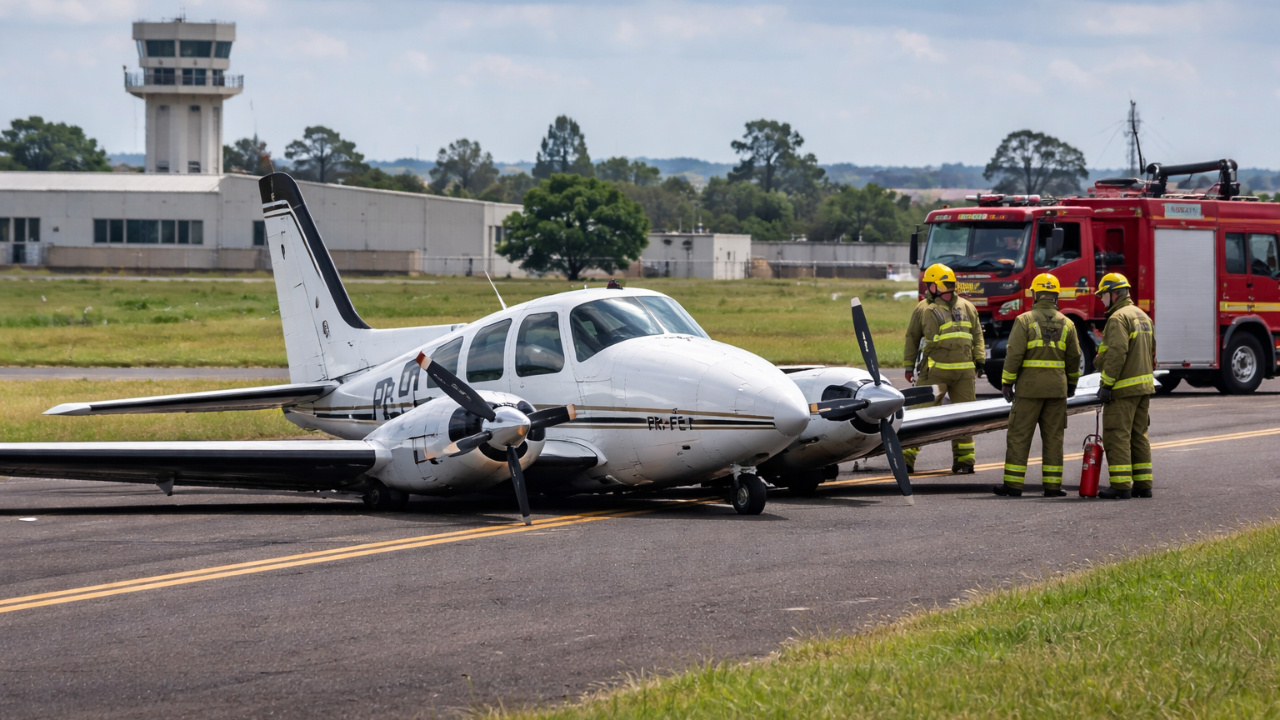
Emergency Landing in Campos Amarais After Bird Strike on Small Plane

This indebtedness was driven by the pandemic, disruptions in the global supply chain, and severe economic fluctuations. Nevertheless, the company’s operations remain active, preserving jobs and essential routes within the country.
Macroeconomic and Structural Factors Shaped the Current Scenario
Several factors converged to trigger this collapse. Experts from UFMG, FGV, KPMG, and independent consulting firms identify the main villains as:
- Rising dollar against the real, making foreign currency purchases more expensive;
- Soaring fuel prices, especially aviation kerosene;
- Increasing interest rates, raising the cost of financing and existing debts;
- High tax burden and bureaucratic red tape;
- Drastic drop in demand for tickets during and after social isolation.
Before the global health crisis, the sector was enjoying a more stable moment. In 2019, for example, oil prices were lower, the real was stronger, and interest rates were falling. However, the pandemic led to a collapse in ticket sales and reduced the financial capacity of companies.
Brutal Competition and International Leasing Increase Vulnerability
The competitive environment among airlines presents another obstacle. As explained by Rodrigo Gallegos from RGF Consultoria, the low capacity to adjust fares and the pressure for affordable prices complicate revenue generation.
Additionally, the dependence on aircraft leasing contracts poses an additional risk. If the company fails to meet its obligations, foreign suppliers can repossess the leased aircraft, harming operations.
Currency Mismatch and Chronic Indebtedness in the Sector
Many expenses in the aviation sector are dollarized, such as maintenance, parts acquisition, and aircraft leasing. According to Márcio Peppe from KPMG, this creates a financial mismatch with revenues earned in reais, requiring constant debt renegotiations.
These operations typically push liabilities into the future, but keep companies under constant pressure.
Lack of State Support Differentiates Brazil from Other Economies
While the U.S. and Europe provided credit lines and stimulus to the aviation sector, Brazil lagged behind. Marcus Quintella from FGV Transportes warns that the lack of government support has worsened the situation for companies.
Bankruptcy protection, therefore, has become the only viable alternative to maintain cash flow, invest in maintenance, and meet commitments with employees and suppliers.
High Tax Burden and Poor Infrastructure Remain Bottlenecks
Gianfranco Beting, former marketing director of Azul, points out serious structural flaws. He criticizes the Brazilian tax system, which is confusing and burdensome, requiring a robust legal team to interpret ever-changing regulations.
He also highlights the high cost of aviation kerosene, considered one of the most expensive in the world, and inefficiencies in air traffic management, which increase flight times.
Lack of Strategy and National Planning for Air Transport
Ingo Plöger, an economist active in the sector, emphasizes that Brazil lacks a solid regional air strategy. For him, it is inconceivable that only Rio de Janeiro and São Paulo concentrate the main flights.
Without a long-term plan, bankruptcy protections will only serve as stopgap solutions. The future of the sector depends on coordinated actions, investment in infrastructure, consistent fiscal policies, and a long-term strategic vision.









Ué não falaram que a economia está bem? Podem mascarar os números mais um dos setores que mais sente no Brasil quando a recessão na economia é a aviação, já que em países pobres como o Brasil quem mais voa são colaboradores
em viagem de trabalho….as empresas para reduzir custos preferem fazer videoconferência e no último caso mandar seus colaboradores in loco…..o Brasileiro tem a economia que merece, em gostam tanto de atacar quem gera emprego que uma hora empreendedores abandonarão o banco….
Quem mudou a história da aviação no Brasil não foram nem a gol , nem a azul. Quem mudou a história foram a Cruzeiro, a Real , a Varig e a Vasp, todas que vieram depois já encontraram os “caminhos” abertos.
Infelizmente as dependências diárias. Contas fixas e variáveis. Como reportado a Alta USD destoa qualquer BRL.