





 Portuguese
  English
  Spanish
  4 min of reading
  0 comments


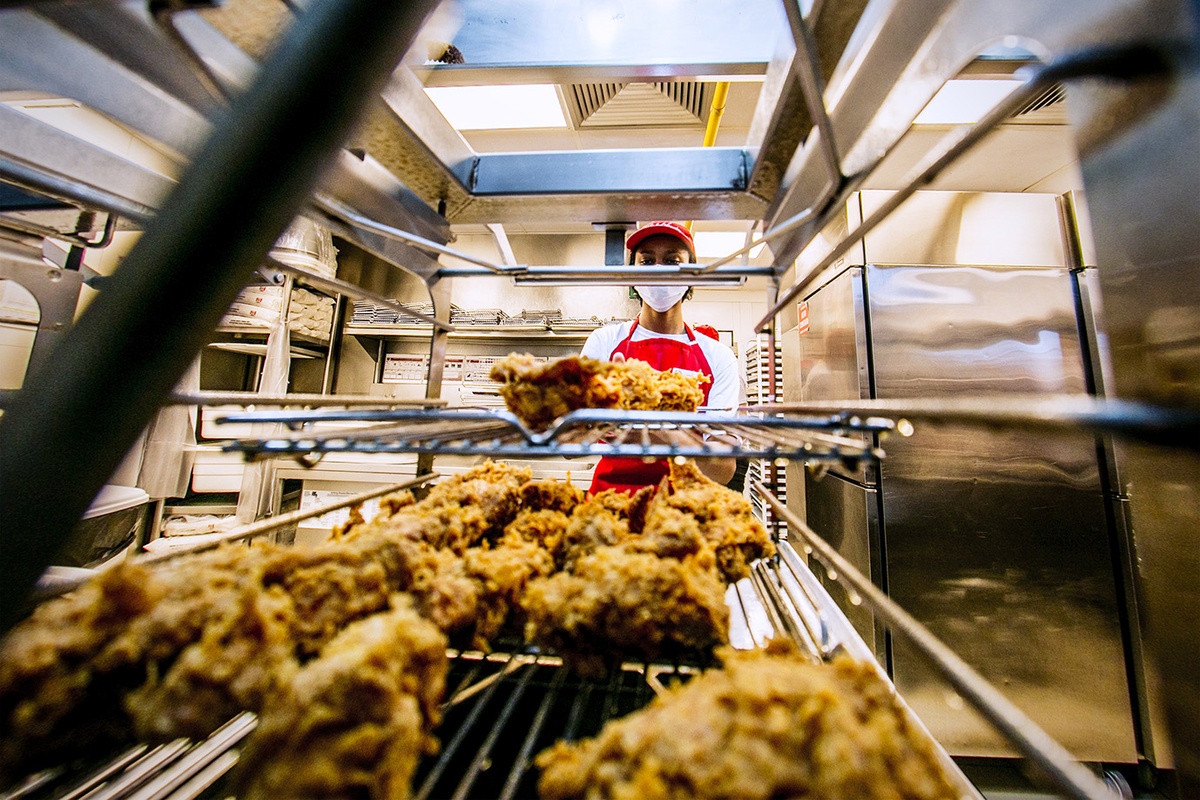
Specialized in Artisanal Chicken and Exclusive Sauces, Sticky’s Finger Joint Faces Financial Collapse and Seeks Alternatives to Save the Brand
The traditional American chain Sticky’s Finger Joint, famous for its fried chicken with artisanal recipes, surprised the food industry by filing for bankruptcy in May 2025.
The decision was filed under Chapter 11 of the U.S. Bankruptcy Code, which allows for financial restructuring but does not guarantee the continuation of business operations.
Founded in 2012 in Manhattan, New York, the brand expanded rapidly and operated 21 units in New York, New Jersey, and Pennsylvania.
-
Oncorp wins auction and enables biodiesel and gas thermal plants in Brazil, with strategic projects in Suape and Xavantes Aruanã.

-
Raízen Recovery: Shell Cosan May Reduce Control After R$ 65 Billion Debt

-
Outback Montes Claros: Chain Confirms First Unit in Northern Minas in 2026
-
Inpasa Creates Advisory Council and Brings José Olympio to Strengthen Corporate Governance


Despite this, the company couldn’t withstand recent economic pressures and began the process of closing its stores.
Although Sticky’s had gained notoriety with its gourmet fast food proposal, serving millions of customers and selling over 11 million servings throughout its history, the current financial crisis made the onset of contraction inevitable.
Internal sources state that some stores will remain temporarily open, but the current model is undergoing a deep review.
Management is seeking alternatives to keep the brand alive.
Rising Costs and Pandemic Accelerated Operational Crisis
Among the main factors that drove Sticky’s Finger Joint to financial collapse is the continuous rise in operational costs in large urban centers.
Inflated rents, especially in areas like Manhattan and Brooklyn, coupled with a high payroll, severely compromised the sustainability of the business.
Furthermore, the Covid-19 pandemic, between 2020 and 2022, exacerbated the network’s situation.
The health restrictions imposed during this period not only affected the physical presence of customers in stores but also increased spending on sanitation, security, and adaptation of environments.
The lack of an effective delivery structure hindered the company’s adaptation to the post-pandemic scenario.
The demand for delivery grew rapidly, but Sticky’s did not keep up with this movement with logistics efficiency.
This resulted in delays and complaints from consumers.
At the same time, prices of inputs such as chicken and oil skyrocketed, further squeezing the company’s profit margins.


Aggressive Competition and Changing Eating Habits Impacted Demand
Another point that directly contributed to the network’s contraction was the increase in competition in the fast food sector.
Brands like Chick-fil-A, Popeyes, and Shake Shack, with greater capital investment and national presence, have consolidated themselves with aggressive marketing and expansion strategies.
This resulted in market share loss for smaller chains like Sticky’s, which could not compete at the same pace.
Since 2022, the chain had been facing a constant decline in sales, largely due to changes in consumer habits.
Increasingly, American consumers began to prefer healthy options and quick meals with nutritional appeal.
In this scenario, gourmet-style fried chicken lost ground to lighter alternatives like protein salads, bowls, and vegetable-based foods.
Restructuring Aims to Preserve Brand and Seek New Paths
Even amid the bankruptcy process, Sticky’s management stated that they are seeking new partners or potential buyers.
The intent is to find investors interested in acquiring the brand or obtaining licenses to operate some units under new business models.
Sources close to the chain’s executives indicate that negotiations are underway with food industry groups that see potential in the gourmet concept that Sticky’s popularized.
Meanwhile, the chain continues to operate some strategic units.
The brand promises to keep providing quality service and the artisanal flavors that marked its trajectory.
The idea, according to the managers, is to preserve the brand’s reputation and explore restructuring alternatives.
This includes new sales channels and innovations in service formats.
Bankruptcy of Sticky’s Exposes Challenges Faced
With the official filing under Chapter 11 in May 2025, Sticky’s Finger Joint joins a growing list of American food chains that could not withstand the new dynamics of the industry.
The case highlights the challenges faced by mid-sized brands.
Although they carved out their space with differentiators like artisanal flavor and modern branding, they ended up being suffocated by operational costs, changes in consumer profile, and the advance of structured competitors.
Amid this unstable scenario, it remains to be seen whether Sticky’s can preserve its essence.
Moreover, the question arises: is it possible to rebuild a gourmet brand in a market that increasingly demands innovation and agility?










-

Uma pessoa reagiu a isso.