





 Portuguese
  English
  Spanish
  4 min of reading
  0 comments


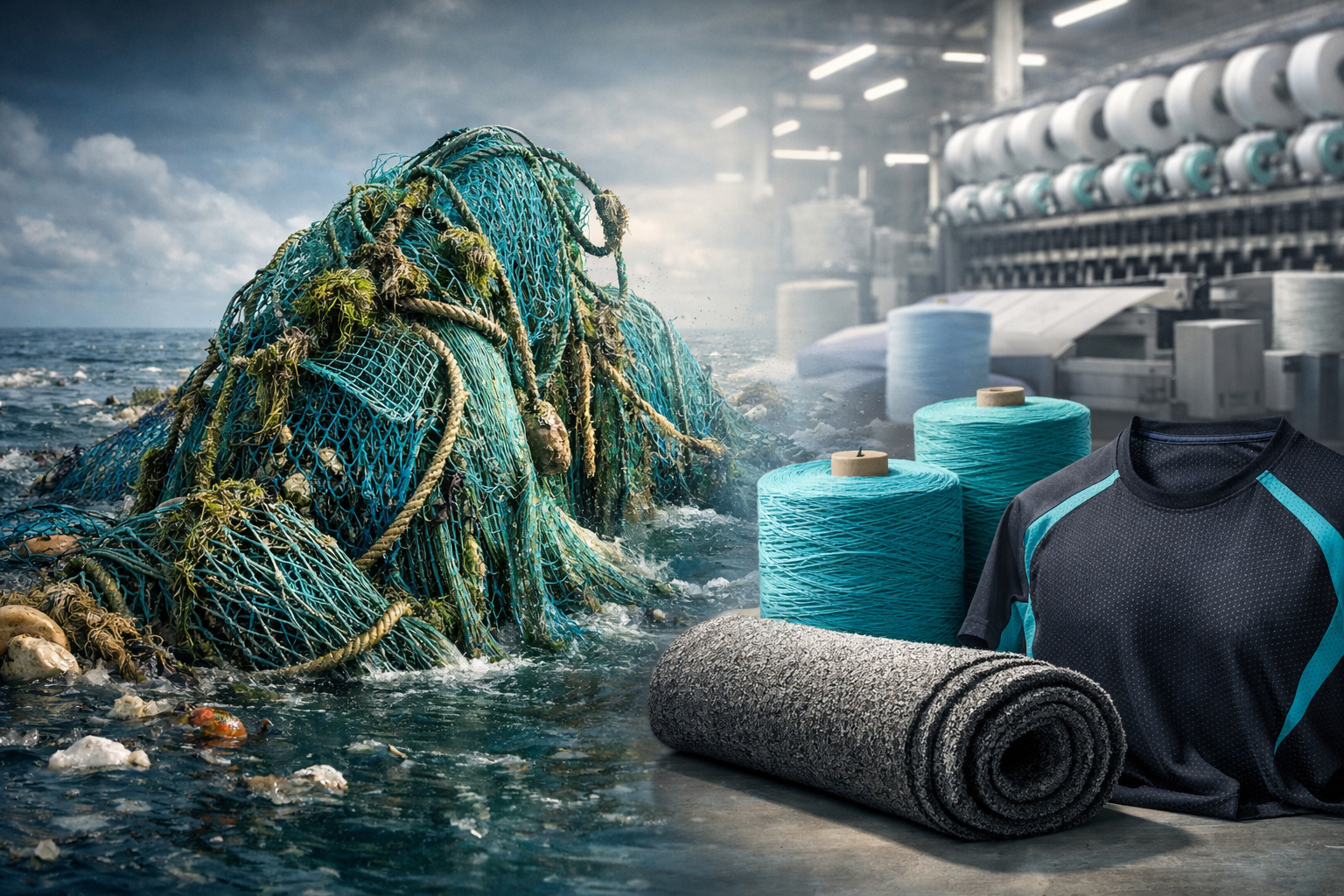
Programs Launched in Chile in 2013 Collect Abandoned Fishing Nets and Transform “Ghost Plastic” into High-Value Clothing, Carpets, and Industrial Nylon.
In 2013, in Chile, artisanal fishermen from the country’s coast began to participate in an unprecedented program to collect abandoned fishing nets, in partnership with the company Bureo Inc., founded by David Stover, Kevin Ahearn, and Ben Kneppers. The initiative, called Net Positive, officially launched in the city of Concepción, in the Biobío region, with the goal of removing discarded nets from the ocean and giving them an industrial purpose.
The project marked the beginning of a production chain that today involves companies in South America, Europe, and the United States, transforming one of the most dangerous wastes in the oceans — known as “ghost plastic” — into regenerated nylon used in the manufacture of carpets, sportswear, footwear, and industrial products. The information is documented through reports and institutional data from the Global Ghost Gear Initiative, Parley for the Oceans, Ocean Conservancy, and Bureo itself, with public records from 2013.
What Are “Ghost” Fishing Nets and Why Have They Become a Global Problem
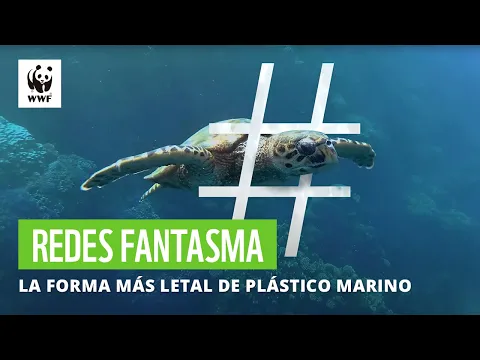

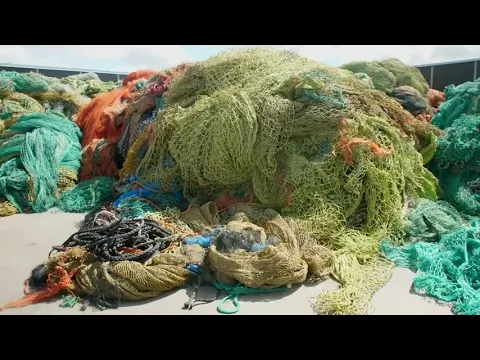
Ghost fishing nets are equipment lost or abandoned at sea that continue to capture fish, turtles, and marine mammals for years. Unlike common bottles or packaging, these nets are made with high-strength nylon, designed to withstand constant traction, salinity, and solar radiation.
-
Historic bankruptcy of Centauro shocks the market, and the century-old company puts more than 500,000 products, machines, and complete infrastructure up for online auction.

-
New shoe factory in Ceará is expected to create 400 jobs and strengthen the local economy.
-
No one imagined it, but a mixture of sawdust with a mineral that fights fires surprises scientists with a result that changes the course of fire-resistant construction.
-
From empty land to a high-end house, wooden construction uses a lightweight system, metal structure for the foundation, ventilated ceramic cladding, and special windows to create an efficient and comfortable living space throughout the year.


According to Ocean Conservancy, fishing nets and equipment account for about 10% of all plastic present in the oceans, but they are responsible for a disproportionate share of marine animal deaths due to so-called ghost fishing.
Chile, 2013: The Net Positive Program That Created an Industrial Chain from Marine Waste
The Net Positive program, created in Chile in 2013, established a clear operational model:
• collection points in fishing communities
• payment or incentive for returning nets
• sorting and cleaning of materials
• sending for industrial recycling
The collected nets are shredded and transformed into nylon pellets, which serve as raw material for new products. This model has been extensively documented by international media and environmental reports linked to Bureo.
From Ocean to Industry: How Nets Become High-Performance Regenerated Nylon
The transformation of the nets requires advanced industrial processes. The material arrives contaminated with salt, sand, and organic matter, making simple recycling unfeasible. Therefore, companies specialized in chemical regeneration of polymers have begun to integrate into the chain.
One of the best-known examples is the ECONYL regenerated nylon, produced by the Italian company Aquafil, which uses discarded fishing nets as input for industrial threads used in carpets, technical fabrics, and apparel.
2015–2016: When Ocean Plastic Enters the Global Performance Market
In 2015, the environmental organization Parley for the Oceans presented, during the UN General Assembly, a prototype of footwear made from plastic retrieved from the ocean.
The following year, in 2016, Adidas officially launched the first commercial products made with Parley Ocean Plastic, part of which comes from discarded nets and fishing equipment.
This milestone solidified the entry of marine plastic into global value chains, demonstrating that recycled material could meet demanding technical standards.
The Creation of the Global Ghost Gear Initiative and International Coordination
In 2015, the Global Ghost Gear Initiative (GGGI) was founded, an international alliance that brings together governments, businesses, universities, and NGOs to combat the issue of abandoned fishing gear. The initiative operates on three fronts:
• preventing the loss of nets
• recovering equipment in the ocean
• recycling and industrial repurposing
The GGGI documents active projects in Latin America, Europe, Asia, and North America.
Why Fishing Nets Have Become an Economic Asset and Not Just Waste
The value of the nets is directly linked to the material they are made of. Fishing nylon is more durable than common plastics and maintains mechanical properties even after years in the marine environment. This means that, after proper regeneration, the material performs similarly to virgin polymer.
This characteristic has transformed marine waste into a strategic industrial stock, reducing reliance on oil for the production of new polymers.
Direct Impact on Fishing Communities and Coastal Economies
In countries where structured programs have been implemented, fishermen have begun to receive financial incentives to return used nets, reducing illegal dumping. At the same time, jobs related to sorting, transporting, and processing the material have emerged.
In Chile, Europe, and parts of Asia, this model has begun to integrate into local circular economy policies linked to fishing.
Limits and Challenges: Recycling Does Not Replace Prevention
Institutions such as Ocean Conservancy and GGGI emphasize that recycling nets does not solve the problem alone. Preventing equipment loss and redesigning fishing materials remain priorities for reducing waste entry into the ocean.
The repurposing of abandoned fishing nets has ceased to be a one-off initiative and has transformed into a global industrial chain, officially initiated in Chile in 2013 and expanded to brands, industries, and governments around the world.
The so-called “ghost plastic” has shifted from being an invisible threat to marine life to a high-value raw material.
The challenge now is not to prove that recycling works, but to scale these models before more nets reach the ocean and become part of an even larger environmental problem.










Seja o primeiro a reagir!