





 Portuguese
  English
  Spanish
  4 min of reading


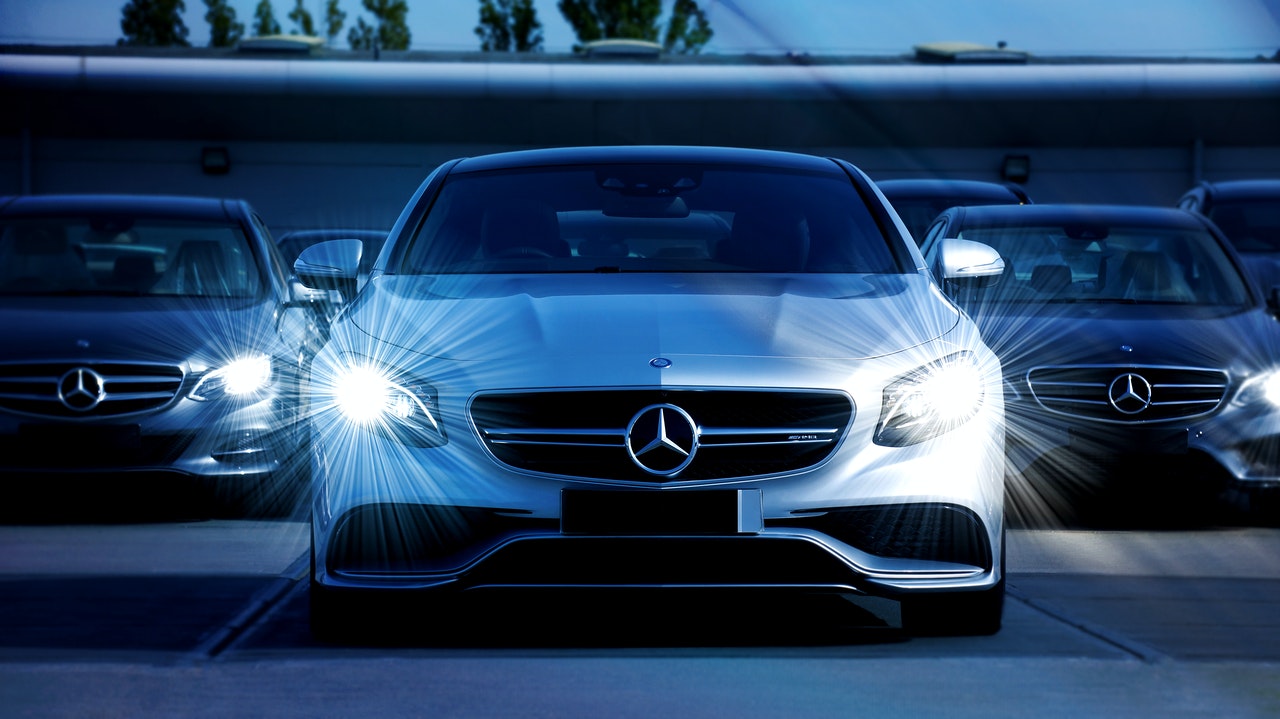
In March, An Average Decrease of 0.55% Was Observed in the Prices of 0 Km Cars, Which is Explained by the Reduction of the IPI
The prices of 0 km cars have been decreasing since March, thanks to the anticipation that there would be a drop in the tax on industrialized products (IPI) for vehicles this May. KBB Brazil, a company specialized in pricing new and used vehicles, indicates that the average decrease in the prices of 0 km cars in March was 0.55%.
According to an article published by Exame on 02/05, the tax on industrialized products (IPI) consists of a federal tax levied on national and imported products, being applied whenever a good leaves the factory. The reduction announced by the government in the IPI of 0 km cars corresponds to 18.5%.
The 2023 model 0 km cars experienced a price drop of 1.78% in March, while the 2022 model cars saw a devaluation of 0.65%. This context is quite different from what was observed throughout 2021, where there was an average monthly increase of 1.67% in the prices of 2022 models and 1.09% in 2021 models.
-
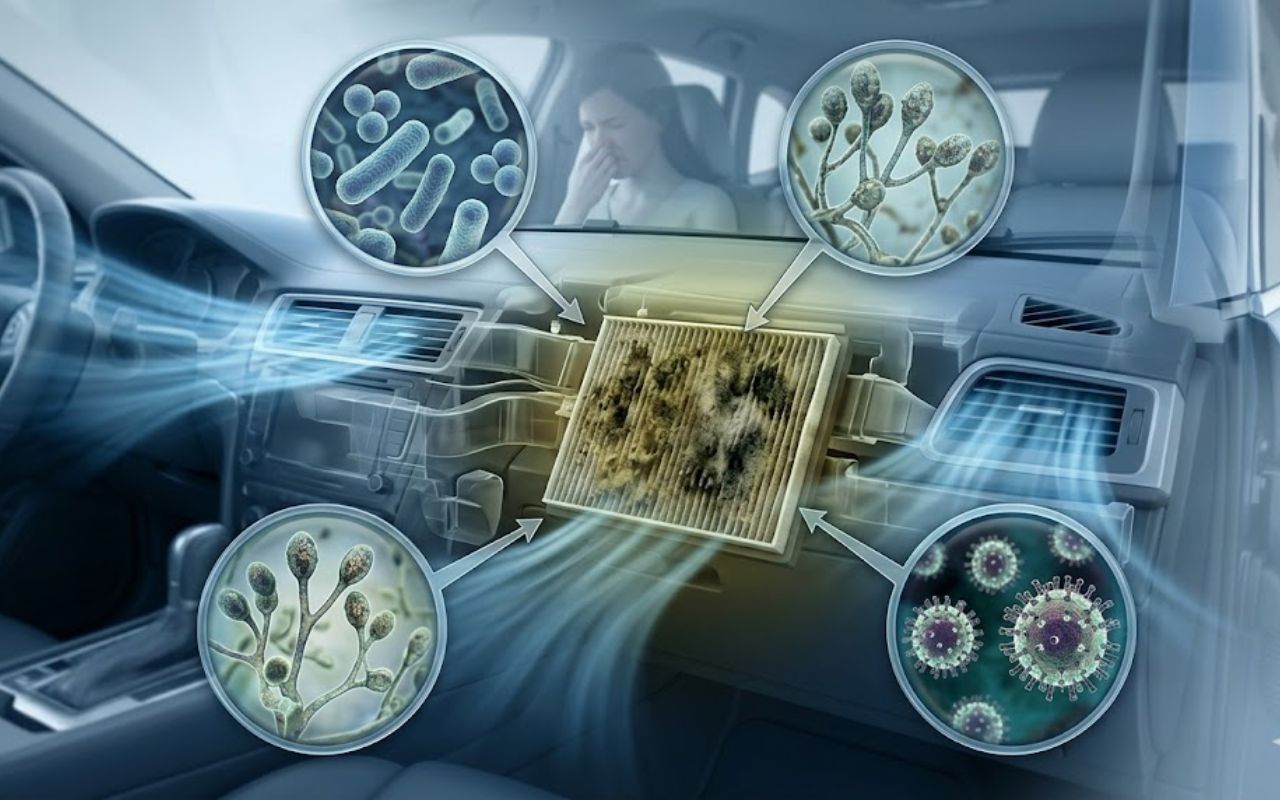
Experts warn: a dirty car air conditioning filter in winter can accumulate fungi and bacteria, causing allergies, fatigue, and even loss of attention while driving.
-
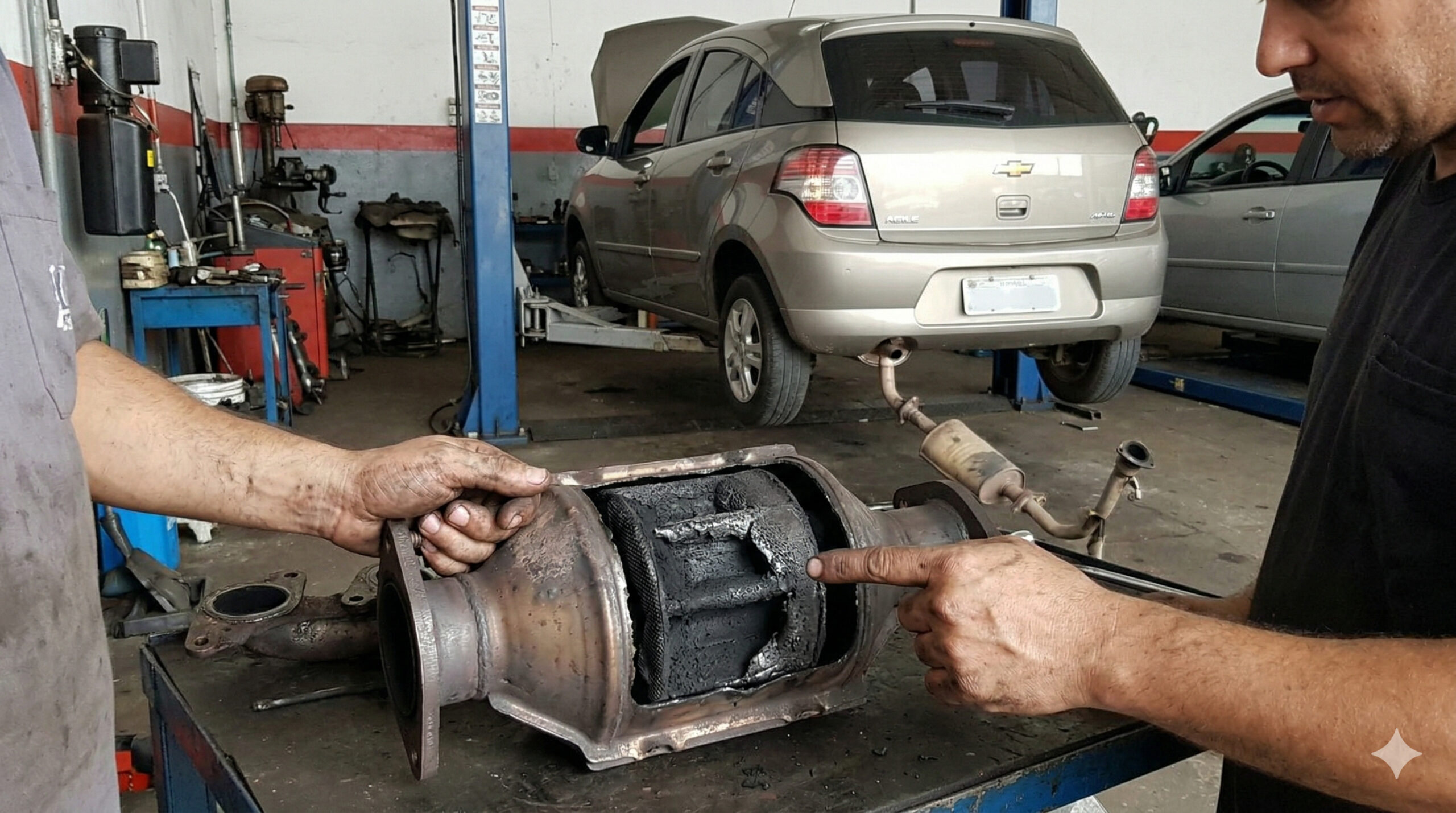
Owners of Chevrolet Agile discover a problem with the catalytic converter that can lead to a bill of up to R$ 4,000, steal engine power, increase fuel consumption, trigger the injection light, and worsen quickly when the first signs are ignored.
-
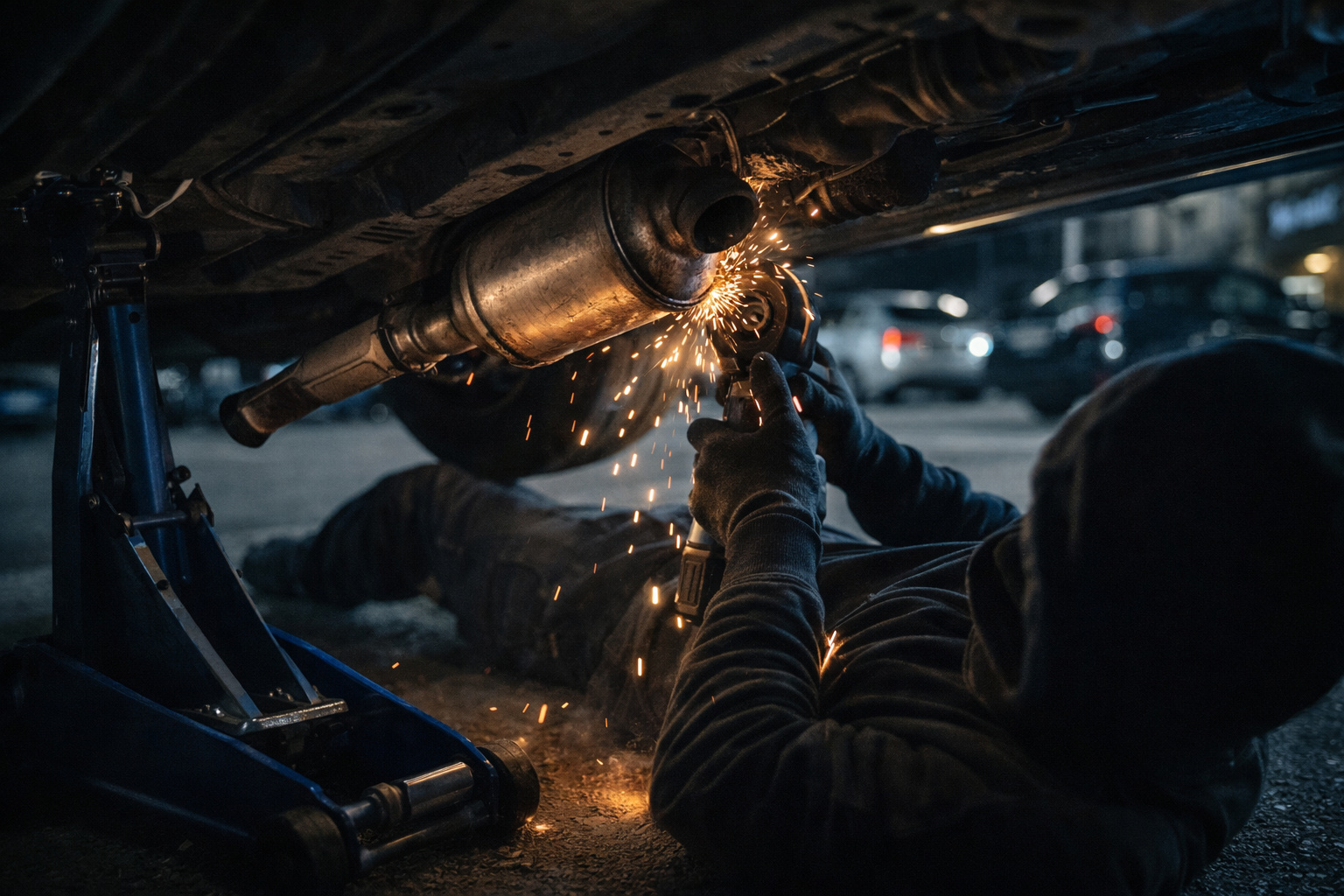
Thefts of catalytic converters are increasing in Brazil, a component that contains platinum, palladium, and rhodium, metals that can be worth more than gold, and can be removed from under a car in less than 2 minutes, causing losses of up to R$ 8,000 and only being noticed when the driver starts the vehicle and hears an extreme noise from the exhaust.
-
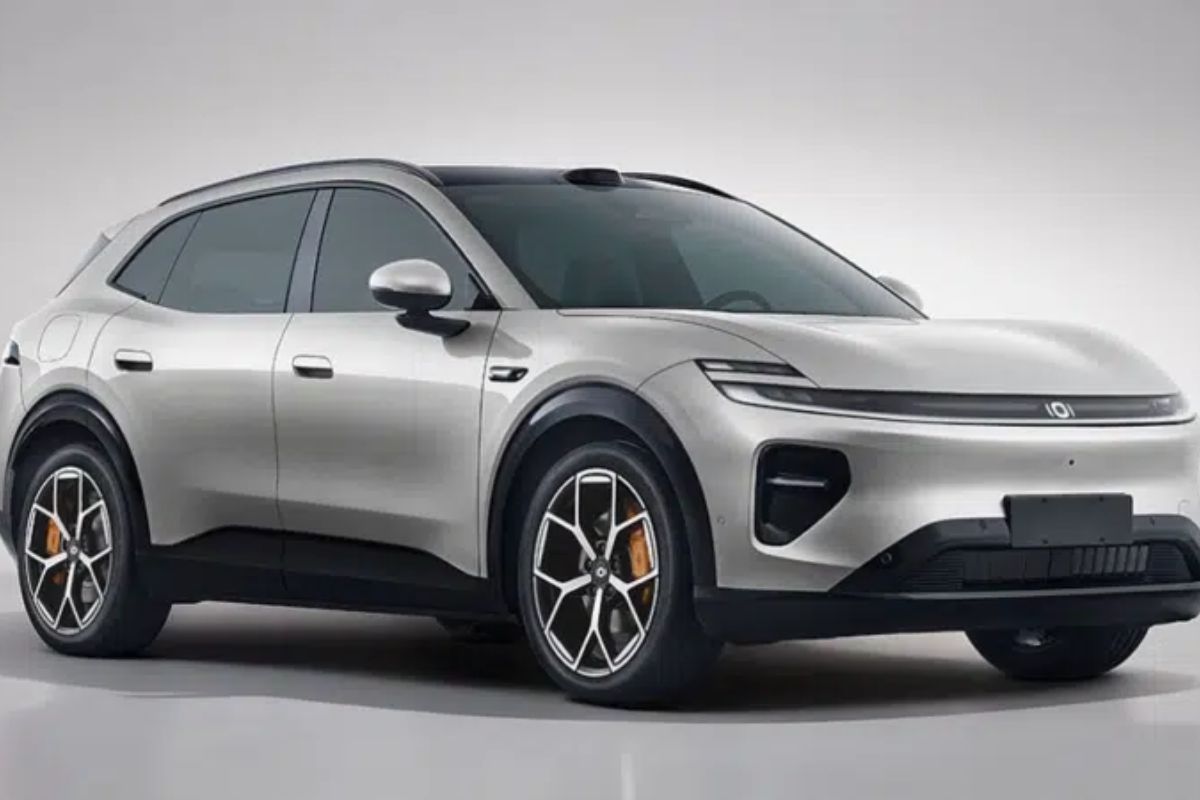
Changan launches Nevo Q06 with 800V architecture and 6C ultra-fast charging, AWD option with two rear motors, EV and EREV versions, LiDAR on the roof, and up to 14 different wheels now.
Used and Semi-New Vehicles Continue to Record Price Increases
On the other hand, considering semi-new and used cars, the survey conducted by KBB shows that, compared to February, there was a decrease in the inflation of prices in these categories, but the upward trend was still maintained.
Used cars (four to ten years old) saw an average increase of 1.93% in March, while semi-new vehicles, up to three years old, recorded a variation of 1.11%.
Semi-new cars, up to three years old, from the 2022 model year, experienced the largest change in March: 1.32% on average. Despite this, the variation observed for these vehicles is still lower than that presented in 2021, a year when the increase was 1.67% per month.
Used cars (between four and ten years old), in turn, had a price increase of 1.93% in March, while in 2021, the average variation was 2.04%. As for the vehicles in this category, the 2012 model cars, as in January and February, were the ones that appreciated the most, with a change observed of 2.87%.
To conduct this survey, KBB Brazil’s March indicator analyzed 26,376 versions available in the market. For more information regarding prices, the website kbb.com.br can be accessed for free.
In Addition to the IPI of 0 Km Cars, Taxes on Ethanol, Food, Capital Goods, and IT Have Also Recently Been Reduced
The Federal Government has reduced to zero the import tax on six food items from the basic basket and ethanol, which promises to lower the price of gasoline by up to R$ 0.20. The measure was approved in an extraordinary meeting of the Executive Management Committee (Gecex) of the Foreign Trade Chamber (Camex), an agency linked to the Ministry of Economy, and aims to reduce the impacts of inflation.
On the list of foods with zero import taxes from the Government are roasted coffee, margarine, cheese, pasta, sugar, and soybean oil. According to the Ministry of Economy, these products have seen price increases above the average inflation of the country. Until then, the IPI was 28% for cheese, 14.4% for sugar, 14.4% for pasta, 10.8% for margarine, 9% for coffee, 9% for soybean oil, and 18% for ethanol.
“We are also very concerned about the impact of inflation on the poorest population, on the general population. We know how much this can erode the purchasing power of everyone,” emphasized the Executive Secretary of the Ministry of Economy, Marcelo Guaranys.
In the same meeting, Camex approved a further 10% reduction in the Import Tax on capital goods, which are machines and equipment used in industry, and on IT and telecommunications goods, such as computers, tablets, and cell phones.
This was the second cut in the import tariff for capital and telecommunications goods. In March last year, the Federal Government had also reduced this rate by 10%. As a result, the total cut in the tax reaches 20%.
This tax burden reduction, along with others, is one of the structural measures being adopted by the Ministry of Economy to increase the country’s competitiveness, stimulating job and income generation.
With the decision, a product that had an IPI rate of 14% before the reduction made in 2021 will now, with the second reduction, have a rate of 11.2%.
According to the Ministry of Economy, the measure aims to increase productivity and the competitiveness of the Brazilian economy by reducing the costs involved in importing strategic products. The Federal Government estimates that the reductions in the IPI will cause the Union to forgo R$ 1 billion this year. Since it is an extrafiscal tax, of a regulatory nature, the presentation of compensation measures, as authorized by the Fiscal Responsibility Law, is not required.






Seja o primeiro a reagir!