





 Portuguese
  English
  Spanish
  3 min of reading
  0 comments


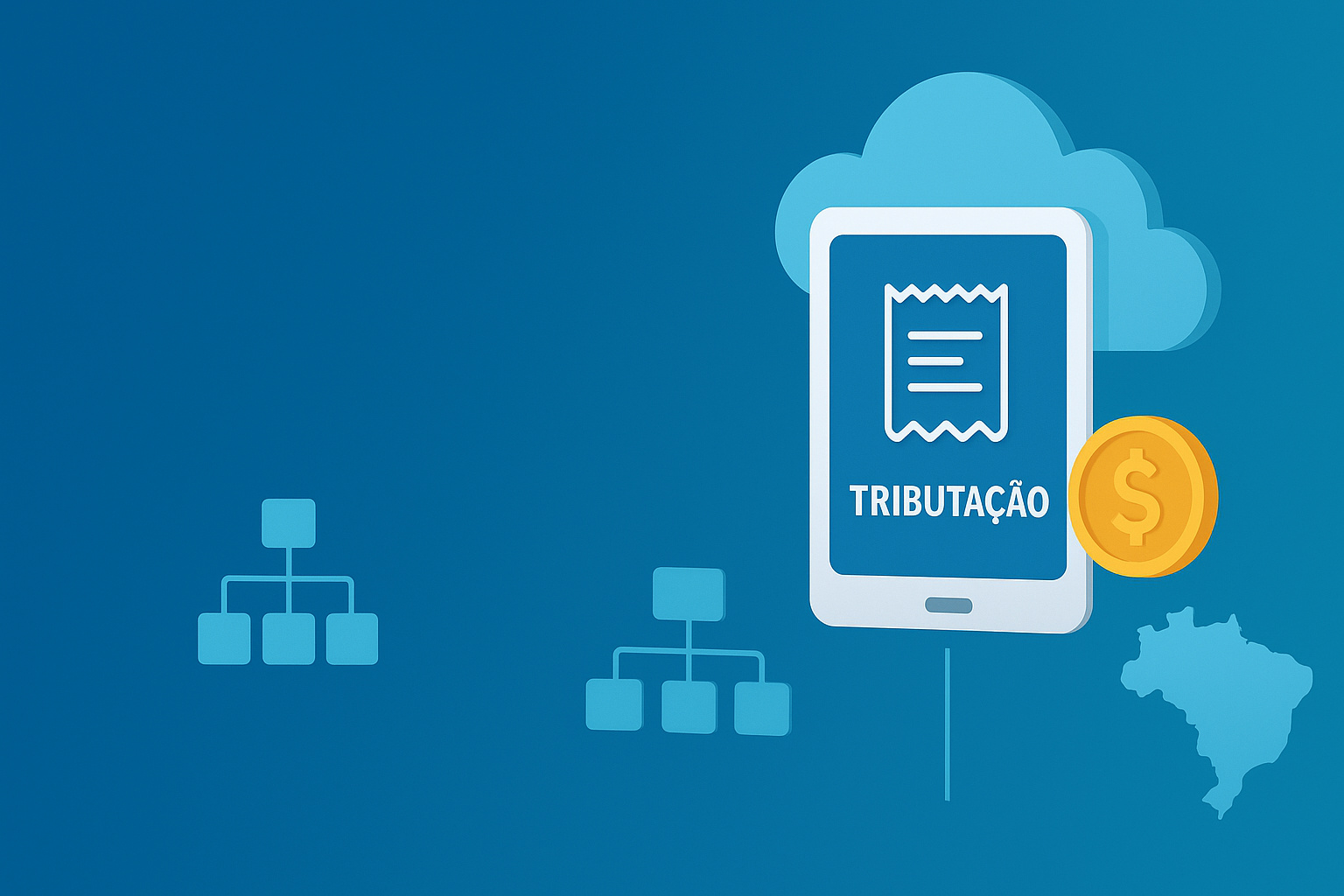
Federal Government Launches Digital Platform for Tax Reform, 150 Times Larger than Pix, to Simplify Taxes and Combat Evasion.
The Federal Government is developing an unprecedented digital platform to implement tax reform. In addition, the Federal Revenue Service is leading the project, which is already undergoing testing involving nearly 500 companies.
The system will be operational in 2026 and will achieve full application starting in 2027. Furthermore, it will be adopted throughout Brazil, integrating the Union, states, and municipalities.
It will process about 70 billion electronic documents per year, a volume 150 times larger than Pix. With this, the Government aims to simplify tax collection, combat evasion, and at the same time, strengthen the digital economy.
-
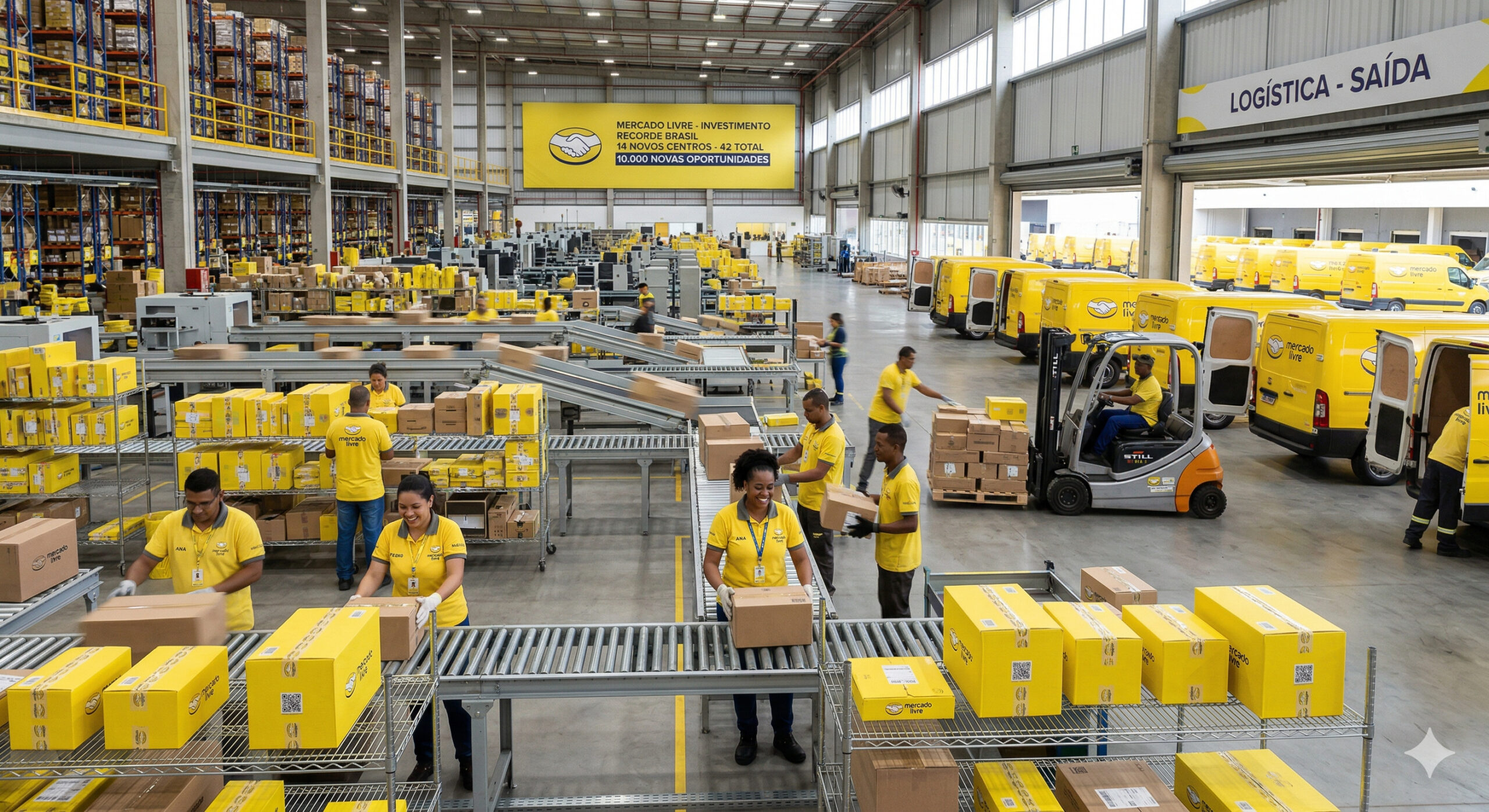
Mercado Livre “opens the vault” and announces a record investment of R$ 57 billion in Brazil in 2026, a value 50% higher than the previous year, with an expansion plan that includes 14 new logistics centers, totaling 42 units in the country and hiring an additional 10,000 employees.
-
How investment in technology can revolutionize the national economy and enhance industrial gains, according to a study that highlights the direct impact on productivity, innovation, and wealth retention within Brazil.

-
The largest food company on the planet, JBS, has just opened a 4,000 square meter laboratory in Florianópolis to develop customized proteins that modulate muscle mass gain, immune response, and metabolic performance.

-
After nearly 30 bids and competition among industry giants, a Spanish company purchases one of the largest airports in Brazil for almost R$ 3 billion and takes over the management of Galeão in a concession that will last until 2039.


Brazilian Economy Facing the New System
The creation of the platform will have direct impacts on the national economy. It ensures greater transparency and increases efficiency in tax collection. Additionally, companies will gain simpler processes, as they currently deal with complex taxes such as PIS, Cofins, IPI, ICMS, and ISS.
Moreover, the Federal Revenue Service will gradually replace these taxes with the Contribution on Goods and Services (CBS) and the Tax on Goods and Services (IBS). This way, the Government aims to reduce operational costs while streamlining collection.
Tax Reform Based on Technology
Tax reform is one of the Federal Government’s largest projects to modernize the economy. The central highlight is the digital platform, described as “150 times larger than Pix.”
Robinson Barreirinhas, Secretary of the Federal Revenue Service, explained:
“The scale is necessary to handle all electronic invoices, about 70 billion documents per year, the same volume as Pix.”
Split Payment and Combatting Evasion
The platform includes a split payment module. This way, the platform will automatically distribute taxes among the Union, states, and municipalities at the time of the transaction.
With this innovation, the Federal Government aims to reduce evasion and increase system efficiency. Additionally, the mechanism will facilitate the reimbursement of tax credits, which can now occur in a few hours, instead of months as it does currently.
Implementation Timeline
The platform operation begins in 2026, with a symbolic rate of 1%, which can be offset against other taxes.
Subsequently, in 2027, split payment will apply to the CBS, primarily in transactions between companies.
Finally, the transition will be completed by 2032, when the old taxes will be fully extinguished.
Expected Impacts on the Economy
The digital platform represents an important step toward modernizing the Brazilian economy. The project promises to simplify processes, reduce litigation, and increase legal certainty.
As a result, businesses and consumers are expected to experience benefits over the coming years. The digital tax reform aligns Brazil with more efficient international models and strengthens the business environment in the country.










-

-

-

7 pessoas reagiram a isso.