





 Portuguese
  English
  Spanish
 4 min of reading
  0 comments


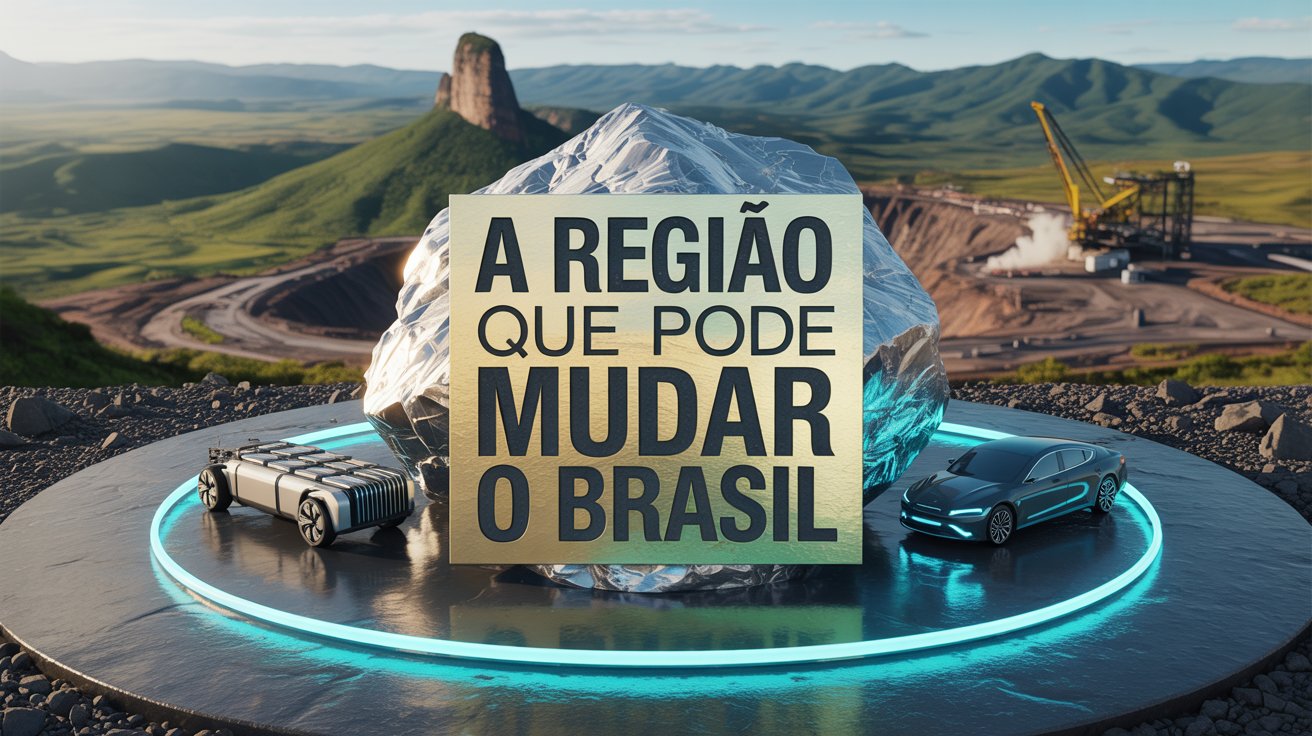
Minas Gerais Attracts Billions in Lithium Investments, Generates Thousands of Jobs, and Records Record Production of the Mineral Used in Electric Car Batteries and Clean Energy, Placing the Jequitinhonha Valley at the Center of the Global Energy Transition.
Minas Gerais has consolidated, in two years, R$ 6.3 billion in investments related to lithium and already accounts for over 3,900 direct jobs in 17 municipalities of the Jequitinhonha Valley and nearby regions.
The Government of Minas projects to reach 7,500 formal positions by 2026, driven by the expansion of extraction and processing projects for the mineral that supplies electric vehicle batteries and energy storage systems.
Investments and Jobs in the Lithium Valley
The state program known as Lithium Valley was launched to attract companies and structure the mineral’s production chain in the North and Jequitinhonha/Mucuri.
-
The largest food company on the planet, JBS, has just opened a 4,000 square meter laboratory in Florianópolis to develop customized proteins that modulate muscle mass gain, immune response, and metabolic performance.

-
After nearly 30 bids and competition among industry giants, a Spanish company purchases one of the largest airports in Brazil for almost R$ 3 billion and takes over the management of Galeão in a concession that will last until 2039.

-
The Federal Revenue Service now automatically cross-references everything you declare with data from banks, credit cards, brokerage firms, and insurance companies, and any discrepancy between your income and your expenses triggers an alert in seconds.

-
Amid global tensions, Brazil blocks the United States’ proposal at the WTO and paves the way for a trade crisis and possible retaliations.


According to the government, the invested amount of R$ 6.3 billion resulted in the creation of over 3,900 direct jobs since 2023, with new hires anticipated as plants and mines expand capacity.
The official goal is to reach 7,500 formal jobs next year.
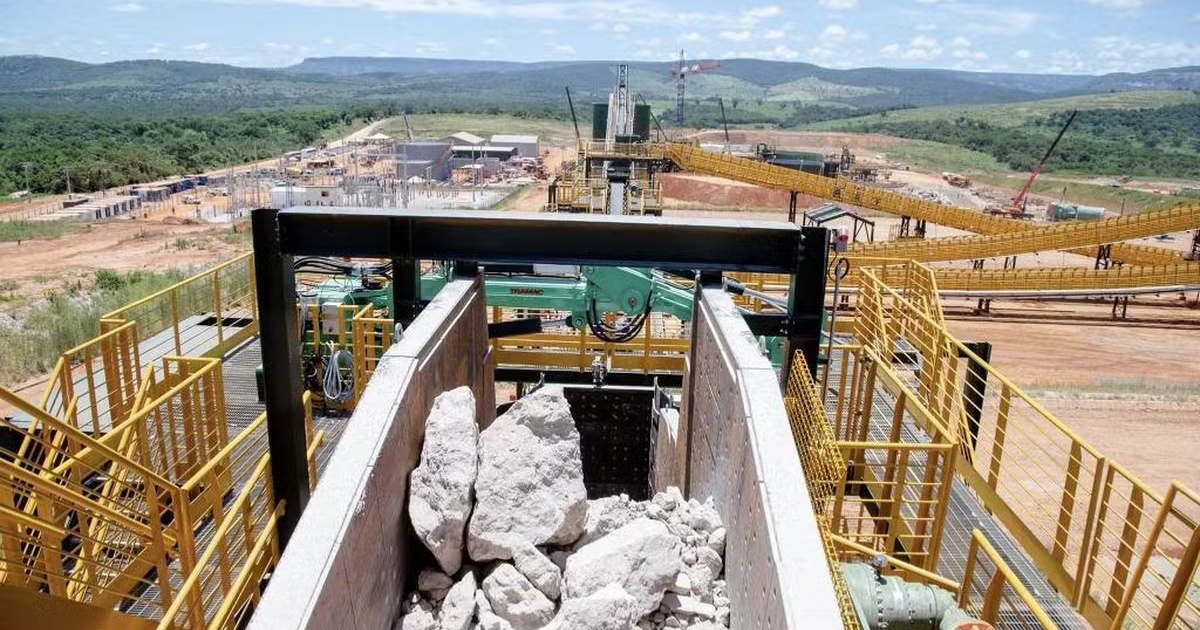
Benefited Municipalities and Territorial Focus
The initiative focuses on an area that gathers Brazil’s main reserves of the mineral.
Among the cities directly served are Araçuaí, Salinas, Itinga, Divisa Alegre, Águas Vermelhas, Cachoeira de Pajeú, Coronel Murta, Francisco Badaró, Fruta de Leite, Itaobim, Jenipapo de Minas, Novorizonte, Pedra Azul, Ponto dos Volantes, Rubelita, Taiobeiras, and Virgem da Lapa.
The territorial selection guides the installation of infrastructure, workforce training, and attraction of suppliers for the chain.
Industrial Production on the Rise and Capacity Goals
On the production side, Sigma Lithium, one of the companies with active operations in the region, reported growing performance in 2025.
In the 1st quarter, the company recorded production of 68,308 tons of lithium oxide concentrate, sales of 61,584 tons, and revenue of US$ 47.7 million, 28% above the 1st quarter of 2024.
Part of the volumes sold was recognized after the accounting cutoff of the quarter due to the shipment of a batch of 29,000 tons scheduled for the first week of April.
In the 2nd quarter of 2025, the company reported 68,368 tons produced, slightly above the quarterly target of 67,500 tons and 38% higher than the same period in 2024, maintaining operational costs below the annual goal.
The progress is due to scale gains and logistical stabilization.
Capacity Expansion and Effects on the Local Chain
The mining company continues the construction of a second industrial line to double the capacity from 270,000 to 520,000 tons/year of concentrate, with investment approved in 2024.
With the expansion, the expectation is to increase economic linkages in the region, generating demand for services, transportation, and supplies, along with new professional training opportunities.
The company further reports that its presence has driven both direct and indirect hiring around the operations.
According to corporate data, there are over 1,700 direct jobs and about 20,000 indirect jobs related to the activities and social programs linked to the venture.
This is information from the company, distinct from the official count of jobs from the state government.
Exports on a Growth Trajectory
The expansion of production and the entry of new projects are reflected in foreign trade.
Lithium-related exports from the municipalities in the Lithium Valley totaled R$ 4.3 billion in the 2023–2024 biennium, more than double the amount recorded in 2021–2022 (R$ 1.9 billion).
The leap reinforces Minas Gerais’ insertion in the global route of critical minerals.
Why Lithium Matters for the Energy Transition
Lithium is a central input in long-lasting batteries used in electric vehicles and storage systems that stabilize electrical grids with renewable sources.
With the electrification of the fleet and the advancement of solar and wind energies, the demand for qualified mineral chains has gained strategic status in international forums.
In this context, territorial organization and regulatory predictability have been pointed out by the state as factors to convert reserves into added value, income, and local employment.
Next Steps Under Observation
The numbers of investments, production, and exports indicate a maturation cycle of the sector in Minas Gerais.
Even so, the continuity of growth will depend on meeting industrial expansion schedules, market conditions — including the international price of lithium — and maintaining environmental and social practices required by licensing.
Public agencies and local representatives monitor the operations to ensure that economic advancement goes hand in hand with safeguards for communities and water resources.
As construction and production lines advance, the question that drives managers and companies is straightforward: Can the region turn the lithium boom into sustainable, diversified development with quality jobs that withstand the cycles of international prices?






-

-

-

-

-

-

108 pessoas reagiram a isso.