





 Portuguese
  English
  Spanish
  3 min of reading


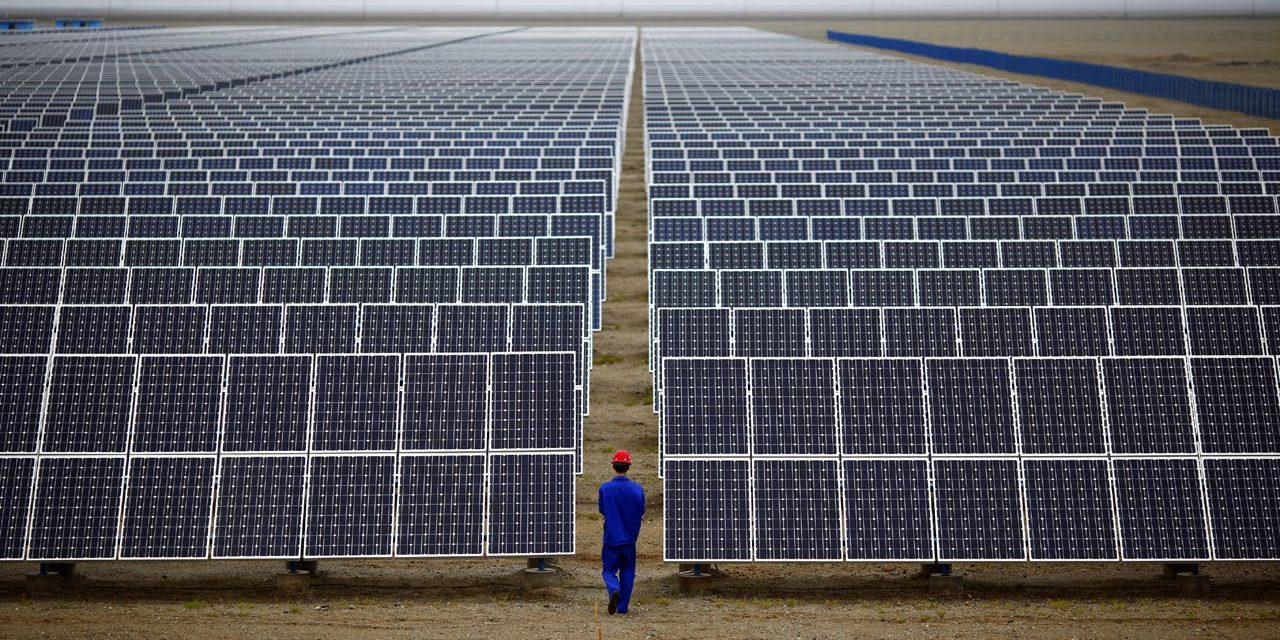
The Data Showing The New Record For Solar And Wind Energy Generation Was Released By ONS – National Electric System Operator
According to the National Electric System Operator (ONS), on July 19, instantaneous solar power generation (peak) reached 2,211 MW at 12:14 PM, an amount sufficient to meet 20% of the demand from the Northeast Subsystem at that moment. The last record of this kind was recorded on June 28. In addition to solar energy, wind power generation in the region also reached the third average generation record of the month on July 21, when ONS identified the unprecedented mark of 11,094 MW average, a value capable of meeting almost 100% of the demand in the Northeast region that day. Also see: US$ 1.4 million will be invested in the construction of a new factory to serve the solar energy generation market in Espírito Santo
- Jeep promises to launch a new SUV smaller than the Renegade and fully electric
- Group of large companies, led by Shell, creates a task force to increase the participation and competitiveness of hydrogen in Brazil
- Solar-powered electric car that does not require a driver’s license hits the automotive market in 2022 costing less than US$ 7,000
- After an investment of US$ 1.6 million, a new footwear industry promises to generate more than 500 jobs in Ceará
- Setur opens hundreds of vacancies in free online and distance courses for tourism professionals in Maranhão
Large Electricity Generation Through Solar And Wind Sources
Domingos Romeu Andreatta, Deputy Secretary of Electric Energy at the Ministry of Mines and Energy, says that in 2021, more than 3,400 MW from various sources came into operation, with solar energy accounting for 48% of this expansion. Currently, 85% of our electricity matrix is clean and renewable, says Domingos.
He emphasizes that we are an example for the world and we are working to increase this percentage and further diversify our energy sources. According to the National Electric System Operator, wind energy today represents 10.7% of the Brazilian electricity matrix, and the expectation is that it will reach 11.2% by the end of the year. Solar energy represents 1.9% of the country’s electricity matrix, potentially reaching 2.6% by the end of 2021.
-
Renewable energy advances over protected areas in Brazil, and a survey by the Energy Transition Observatory reveals silent impacts that challenge environmental conservation and pressure sensitive traditional territories.

-
Rio Grande do Sul accelerates energy transition: State invests in renewable technologies and consolidates decarbonization strategies and pathways to attract billions in new industrial investments.

-
With 160,000 m² of collectors, an area larger than 20 football fields, Silkeborg, in Denmark, hosts a solar thermal plant that heats 19,500 homes and could become the largest solar heating plant in the world.

-
A study reveals the expansion of renewable energy procurement in Brazil and shows how companies are taking advantage of opportunities to reduce expenses, ensure energy efficiency, and strengthen strategic environmental commitments.


Solar Energy Growing Significantly In Recent Years
In July, three solar plants were inaugurated in São José do Belmonte, Pernambuco. According to the Ministry of Mines and Energy, it should be the largest complex in Latin America for solar energy generation. The plants are capable of supplying about 800,000 families. The investments reached US$ 600 million, and the construction works generated 2,500 direct and indirect jobs.
In the last three years, the growth of centralized solar energy (generated by large plants such as hydroelectric and thermal plants) was 200%, while distributed solar energy (generated at or near the site of consumption) increased by 2,000%. The Ministry of Mines and Energy reported that, in 2020 alone, installed capacity in solar photovoltaic energy grew by 66% in the country.
In the next ten years, for solar energy generation alone, investments of more than US$ 20 billion are expected, representing 28% of all investments in the electricity sector during this period. Among the incentives offered by the Federal Government is the elimination of import taxes for solar energy equipment, which has increased the competitiveness of solar energy in Brazil, both for centralized generation and for distributed generation.
Also See: Brazil Reaches 9,000 MW of Solar Energy: The Solution To The Brazilian Energy Crisis That Surpassed The Total Capacity Of Coal Thermal Plants And Nuclear Power Plants
According to Absolar, the source has brought in more than US$ 9 billion in new investments, in addition to 270,000 jobs in less than ten years. Minas Gerais is in first place in the distributed generation ranking, with 9,154 generating plants, followed by Rio Grande do Sul, which currently has 82,619.22 kW installed, surpassing even the state of São Paulo, which ranks third on the list. Following are the states of Paraná, Santa Catarina, Ceará, Rio de Janeiro, Mato Grosso, Goiás, and Pernambuco.








Seja o primeiro a reagir!