





 Portuguese
  English
  Spanish
  3 min of reading
  0 comments


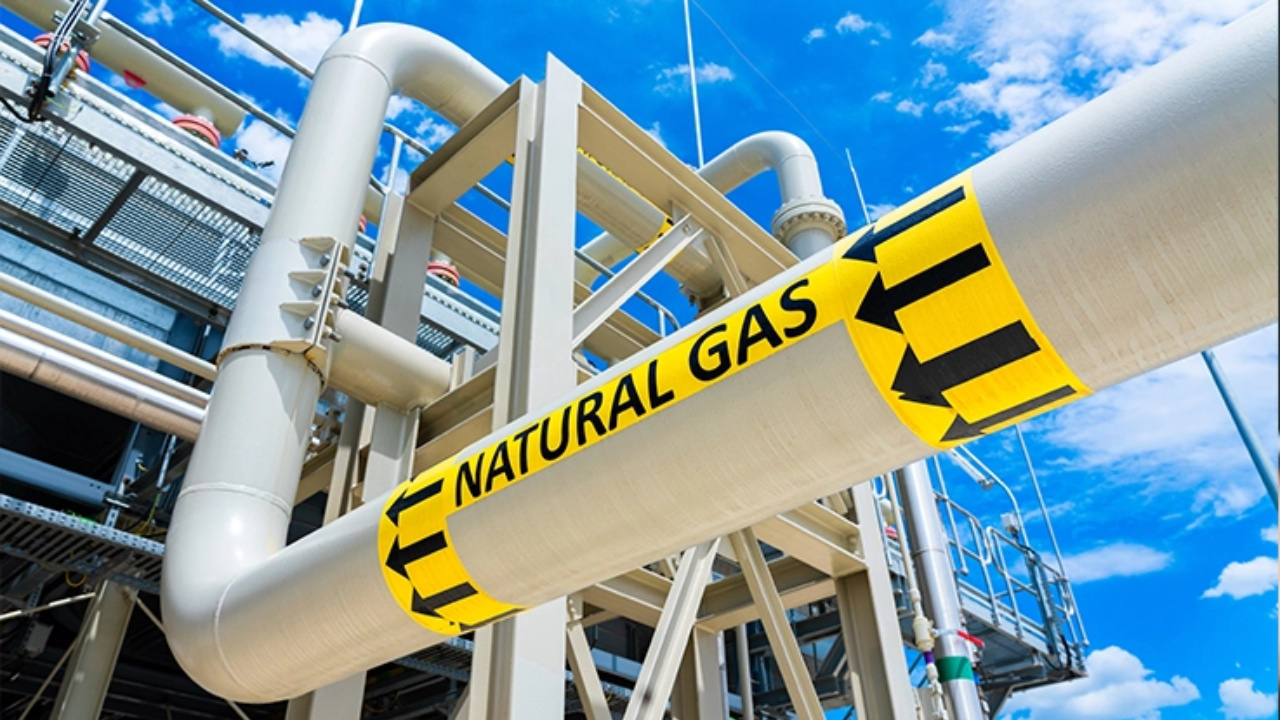
Brazil Reinjects More Than 97 Million m³ of Natural Gas Per Day in July, Equivalent to 51.4% of Total Production, According to ANP. Measure Prolongs Useful Life of Fields.
Brazil has reached a significant milestone in the energy sector: more than half of the natural gas produced in the country has been reinjected into reservoirs, as reported this Thursday, 02, based on data from the National Agency of Petroleum, Natural Gas and Biofuels (ANP). The volume reached 97.052 million m³ per day, which represents 51.4% of the total production of 188.9 million m³/day in July.
Technical Strategy and Impact on Oil Production
Reinjection is a well-established practice in the oil industry. Instead of burning the gas — a process known as flaring — it is compressed and returned to the reservoir. This ensures greater internal pressure, prolonging the useful life of the fields and increasing the efficiency of oil production.
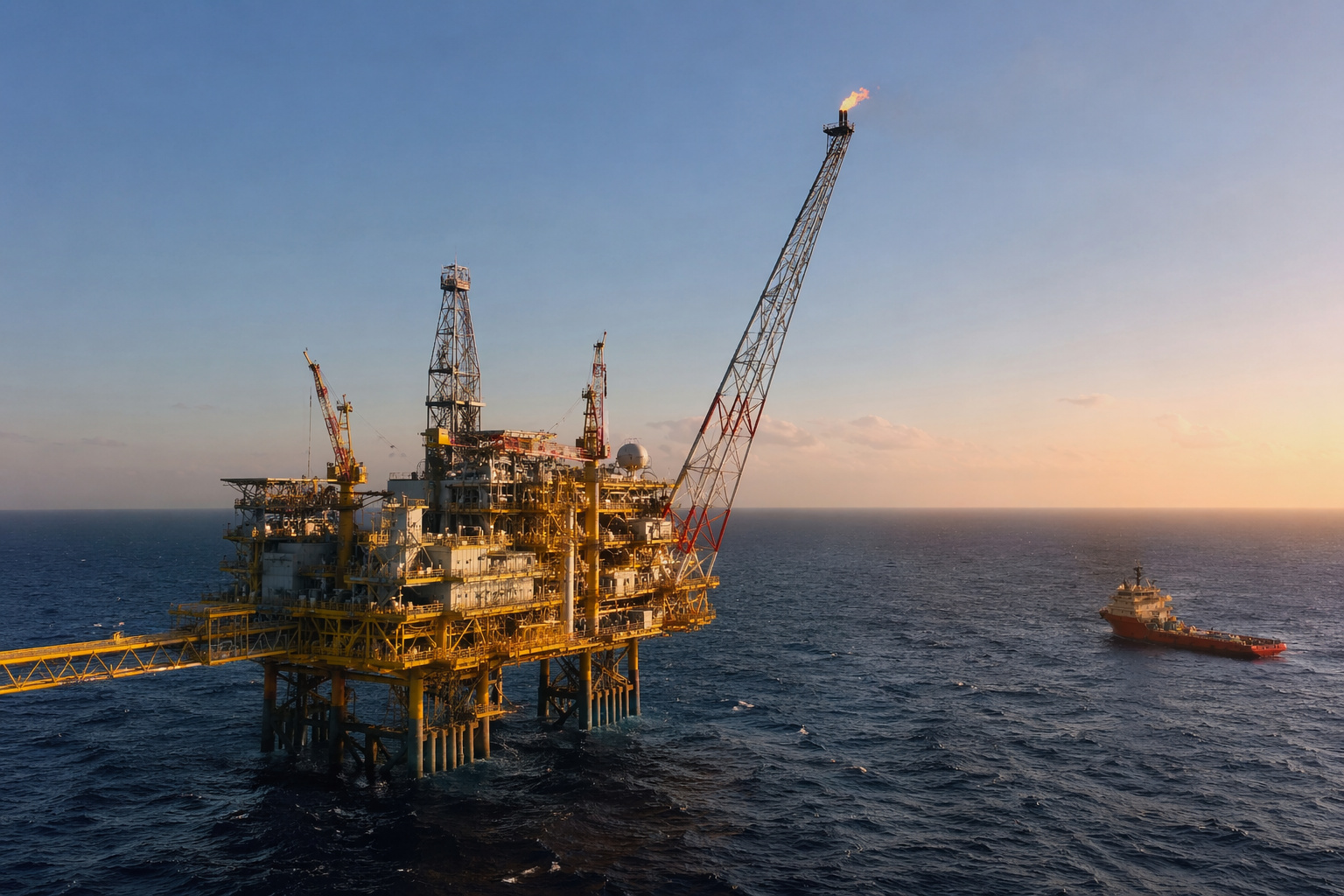
This technique has been especially utilized in offshore fields, such as those in the Campos Basin and the Santos Basin, where complex geology demands advanced solutions.
-
Petrobras confirms that it will reimburse amounts to distributors and return the price difference from the gas auction following a regulatory decision.
-
Petrobras buys back fields for billions — what no one is talking about regarding this decision and how it could impact jobs and oil in Brazil.

-
New escalation of tensions and oil crisis in the Middle East forces world powers to accelerate energy transition plans.
-
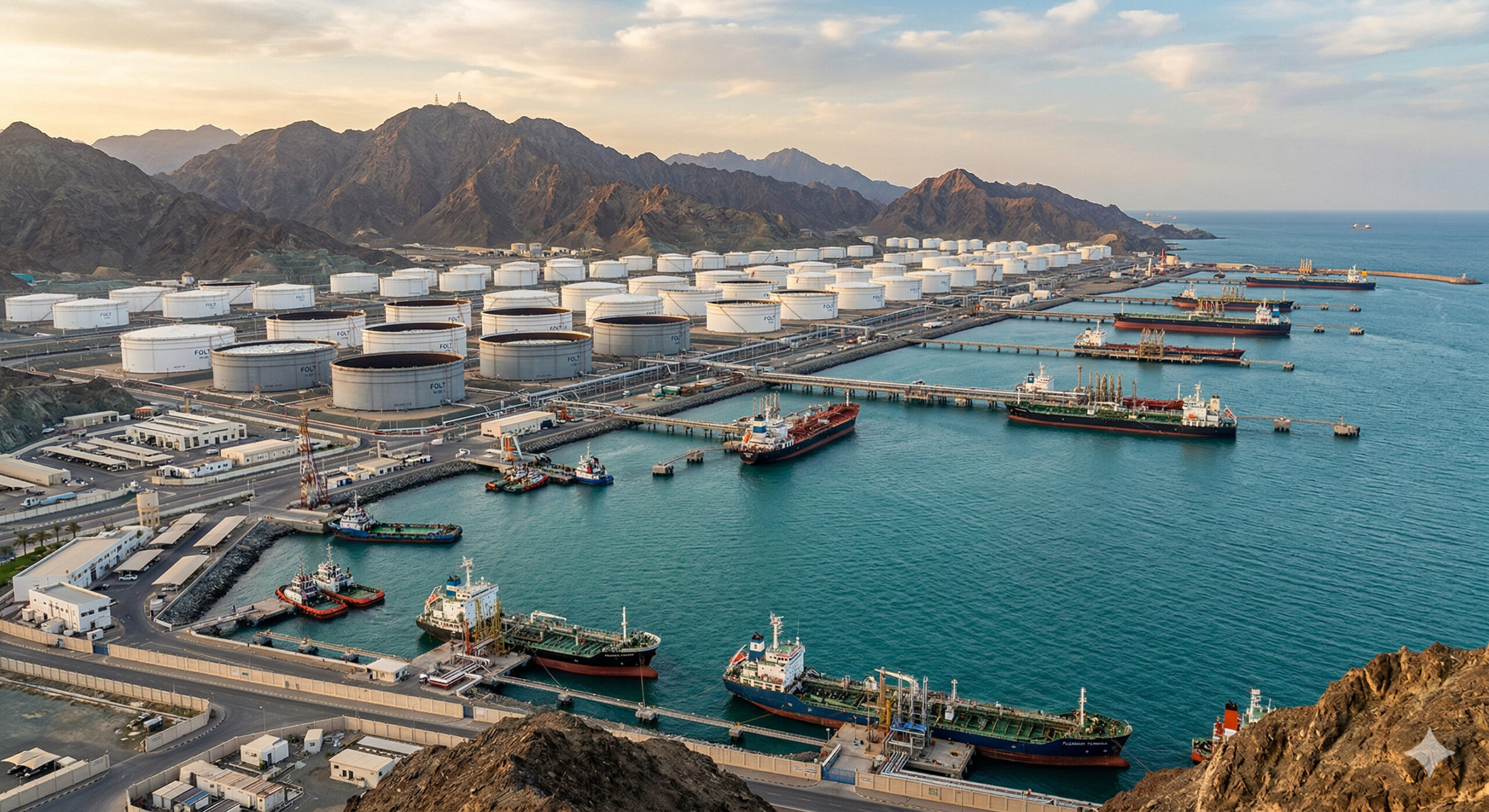
Giant reservoirs with a capacity of 18 million cubic meters have turned Fujairah into one of the largest energy vaults on the planet. This facility, located outside the Strait of Hormuz, stores oil on a colossal scale and has become a silent piece that supports the global flow of fuels.
Since 2015, the use of reinjection has been steadily increasing in Brazil. The country has about 85% of the extracted gas classified as associated, meaning it is produced alongside oil. In these cases, operators must choose between marketing the resource or reinjecting it. The decision depends on factors such as economic viability, logistics, and transportation infrastructure.
In August 2024, President Luiz Inácio Lula da Silva signed Decree No. 12.153, granting ANP the authority to limit the reinjection of natural gas. The rule applies to new projects but may also review plans already underway, even with existing contracts. The objective is to direct part of this gas to the domestic market, reducing costs and strengthening the national industry.
Strategy to Expand Access to Gas in the Market
The Minister of Mines and Energy, Alexandre Silveira (PSD), emphasized at the time that the goal is to create a true “gas supply shock” in Brazil. The strategy involves greater participation of the private sector in the infrastructure for flow and processing, which is currently concentrated in the hands of Petrobras. As a result, it is expected to reduce the dependence on reinjection, increase the available gas supply, and consequently lower prices for the industry.
The numbers for July indicate that reinjection remains a central practice for the efficiency of Brazilian oil fields. However, the government seeks to balance this technical need with the urgency to expand the use of natural gas in the domestic market.
The debate on how to better distribute this production is expected to remain at the center of energy discussions in the coming years.







Seja o primeiro a reagir!