





 Portuguese
  English
  Spanish
  3 min of reading


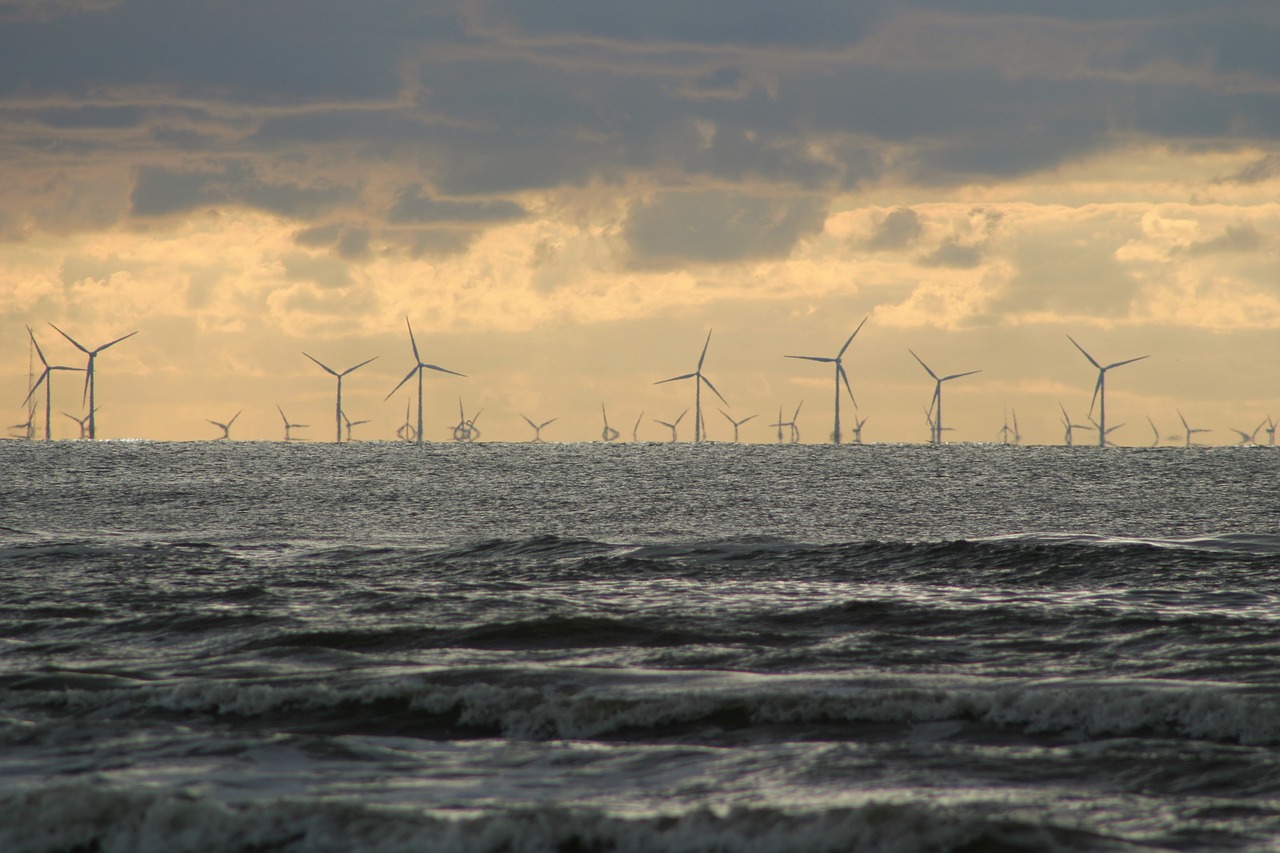
How To Reduce Project Costs In The Sector And Attract Investments For Resource Generation, The Reporter Of The Legal Framework For Offshore Wind Energy Generation Reduced The Royalty Floor For Energy Production In This Sector In His Proposal.
On Tuesday, (07/05), the reporter for the offshore energy generation framework, Senator Carlos Portinho (PL/RJ), reduced the royalty floor collected in his legal framework proposal for wind energy. Thus, the senator aims to attract new investments for wind energy in the country and enable the approval of the framework for offshore wind generation, taking advantage of the potential that the country has in this sector.
Senator Carlos Portinho Announces Reduction In Royalty Charges On Offshore Wind Energy Production And Aims To Reduce Associated Project Costs In The Country
Senator Carlos Portinho decided to reduce the royalty charges on offshore energy production in Brazil, an amount collected by the Union and distributed among states for investments in urban infrastructure and quality of life.
Thus, one of the main points of the reporter’s proposal is the reduction in the participation rate that is to be charged on the value of energy generated offshore, which has now changed from 5% (original) to 2% (in the report).
-
How green infrastructure and renewable energy at the World Cup transform the logistics of the largest sporting event on the planet in North America.

-
The Cagece and UFC project advances in sustainable innovation with biogas by converting waste into renewable energy, reducing environmental impacts, and increasing sanitation efficiency with concrete and measurable results.

-
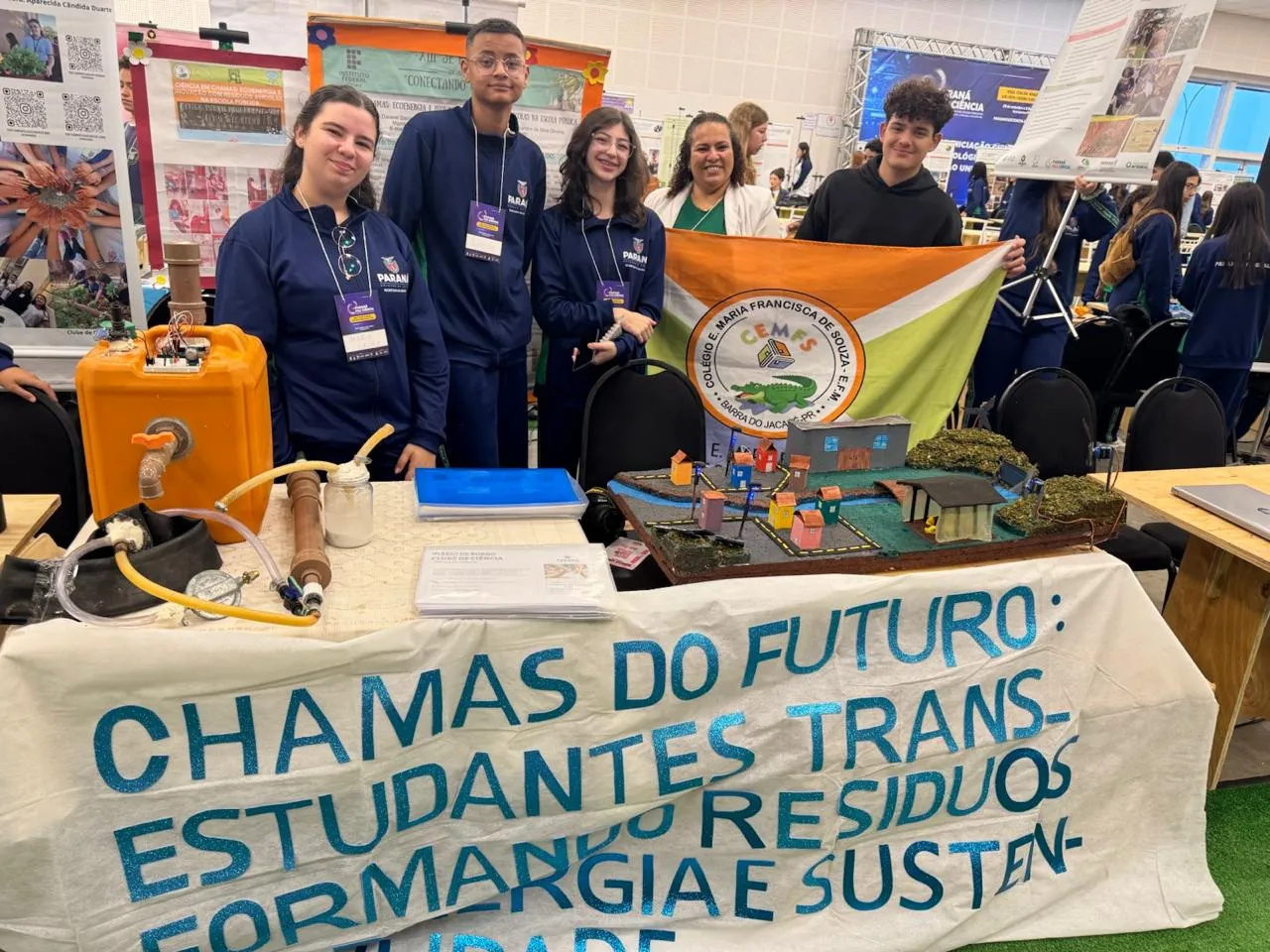
Paranaense students develop a system that transforms farm waste into clean energy and revolutionizes sustainable agribusiness.
-
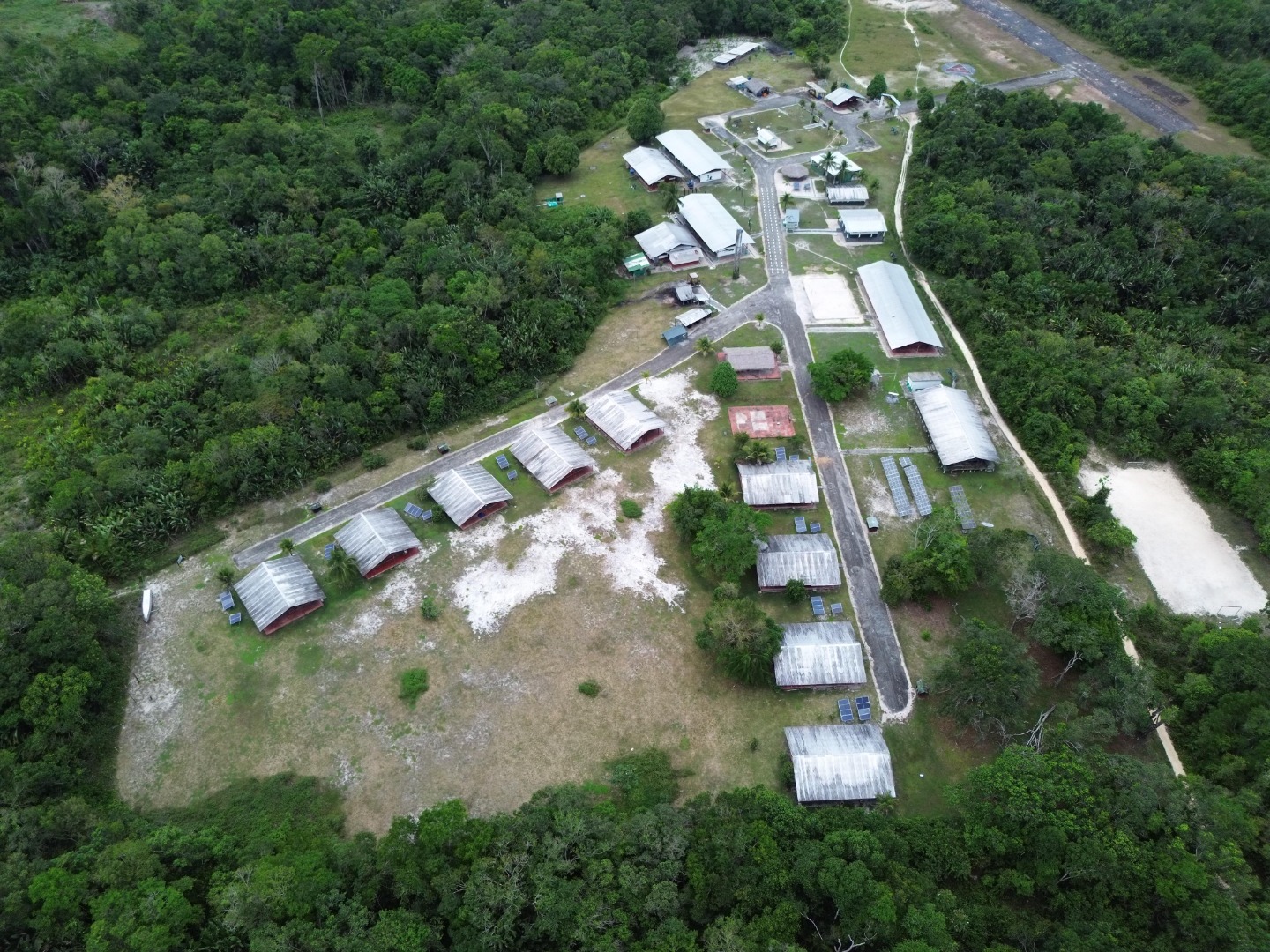
The Ministry of Defense installs a giant photovoltaic plant and ensures a stable supply of clean energy in Maturacá, in the Amazon.
This decision was made with the aim of ensuring a reduction in costs associated with offshore wind energy production projects in Brazil. This is because projects in this segment are still in the early stages and this is still a little-explored sector in the national territory, which can cause uncertainties to the private market. Thus, with the reduction in royalties in the legal framework proposal, the reporter intends to make the segment more attractive to large investors in the coming years.
Currently, there are 133 GW in licensing for wind farms along the coast of seven states, and the Federal Government’s expectation is that these projects will grow significantly over the coming years.
Thus, the reduction in royalties will be a great benefit for the sector, and Carlos Portinho’s report states: “(…) I propose that [the rates] be reduced to 2%, instead of the original 5% proposal, in order to make the process of attracting new investors in this highly relevant sector more competitive,” reaffirming the need to attract investments for offshore wind energy.
Proposal For Legal Framework For Offshore Wind Energy Generation In Brazil Is Getting Closer To Approval And The Reporter Remains Optimistic
The current proposal for the legal framework for offshore wind energy generation in Brazil creates a policy for offering maritime areas for the installation of offshore wind farms and other floating energy projects, such as solar generation. And, although it was proposed by Senator Jean Paul Prates (PT/RN), Carlos Portinho is currently at the forefront in the quest for the approval of the project.
This is because the senator is the current leader of the Federal Senate and has been reinforcing the idea that the legal framework proposal is getting closer to approval, believing it is possible to approve the project in the Senate Federal Infrastructure Commission (CI) definitively. Thus, there would be no need for the text to go through the plenary, a more time-consuming process, thus ensuring approval before the parliamentary recess.
The work of the National Congress will be suspended on July 14, and now Carlos Portinho seeks to move forward with the proposal for the offshore wind legal framework so that approval happens before the recess, hoping to finalize this process within the projected timeframe for this month.








Seja o primeiro a reagir!