





 Portuguese
  English
  Spanish
  4 min of reading
  0 comments


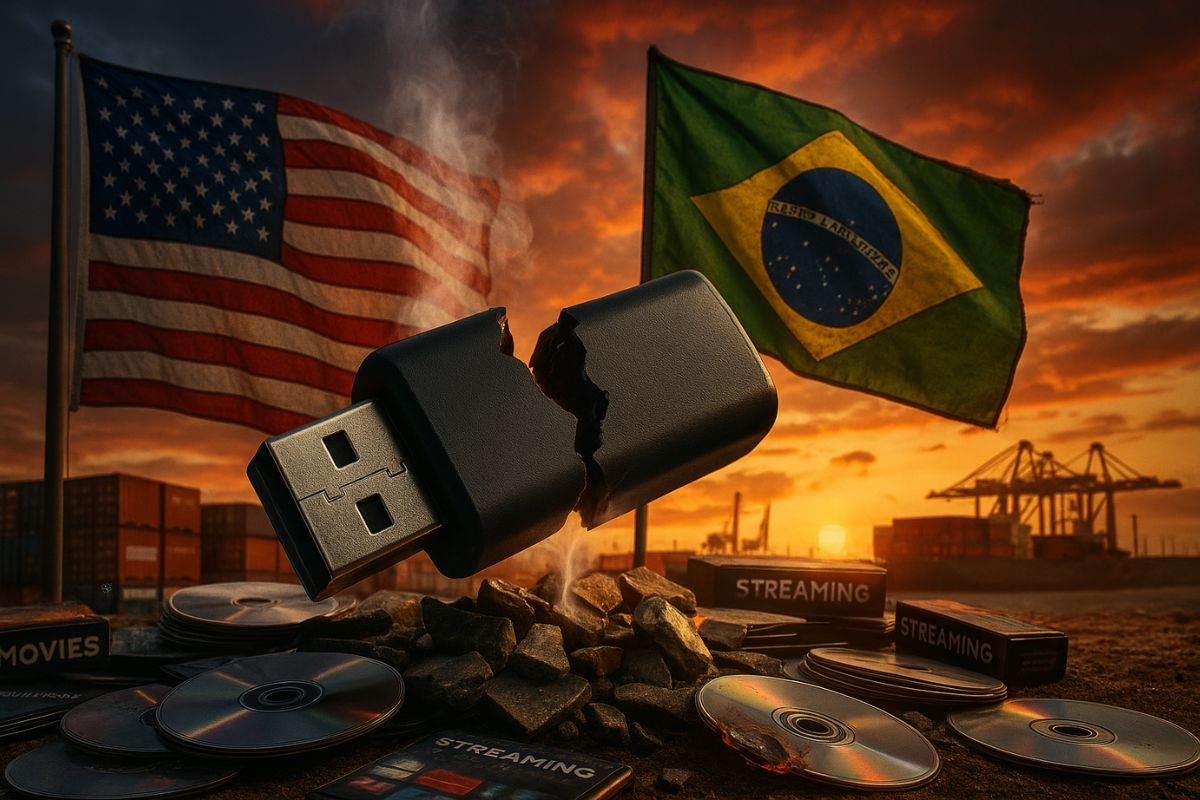
Document Release In The United States Ranks Brazil As The Largest Piracy Market In The World, Citing Illegal Streaming, Product Counterfeiting, And Weak Patent Protection, According To Analysis By Lawyer Davi Aragão.
The latest American report on intellectual property brought a serious accusation: Brazil was identified as the largest piracy market in the world. The finding is not limited to irregular consumption of movies and series but also involves large-scale counterfeiting, digital piracy, and structural failures in the patent registration system. The impact of this classification may go beyond the country’s reputation, directly affecting billion-dollar trade relations between Brasília and Washington.
According to lawyer Davi Aragão, who closely follows the repercussions of the document, the illicit market in Brazil already moves significant sums and threatens sectors such as audiovisual, pharmaceuticals, and technology. In addition to harming multinationals, the phenomenon undermines the development of Brazilian companies trying to innovate and protect their creations.
Who Reported And Why Brazil Was Cited
The report is part of what is known as Section 301, a tool used by the United States to monitor practices that affect American commercial interests.
-
The government is considering a temporary subsidy for cooking gas following the spike in oil prices due to the war in Iran and warns about the impact of 20% of imports on the prices paid by families.

-
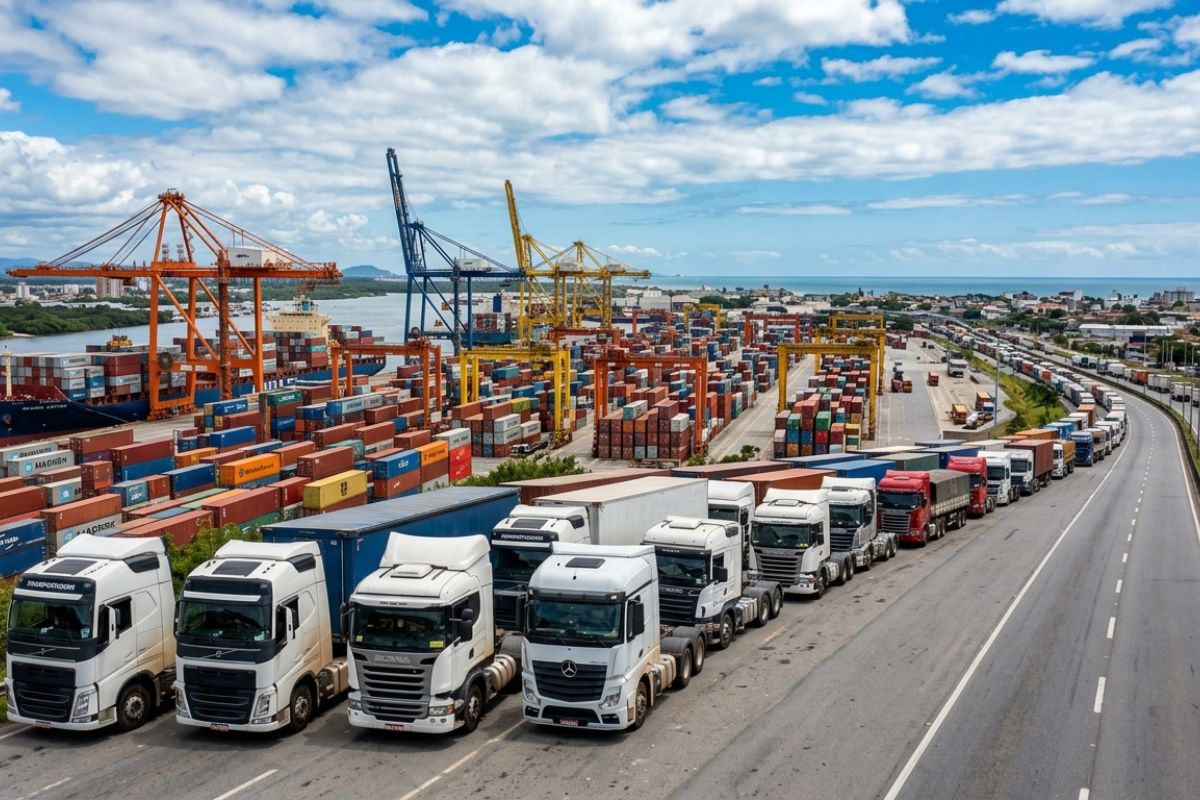
The lack of truck drivers in the country is already halting shipments and threatening deadlines: 88% of transport companies are unable to hire, with an average of eight trucks idle, and the port complex of Itajaí is now feeling the impact.
-
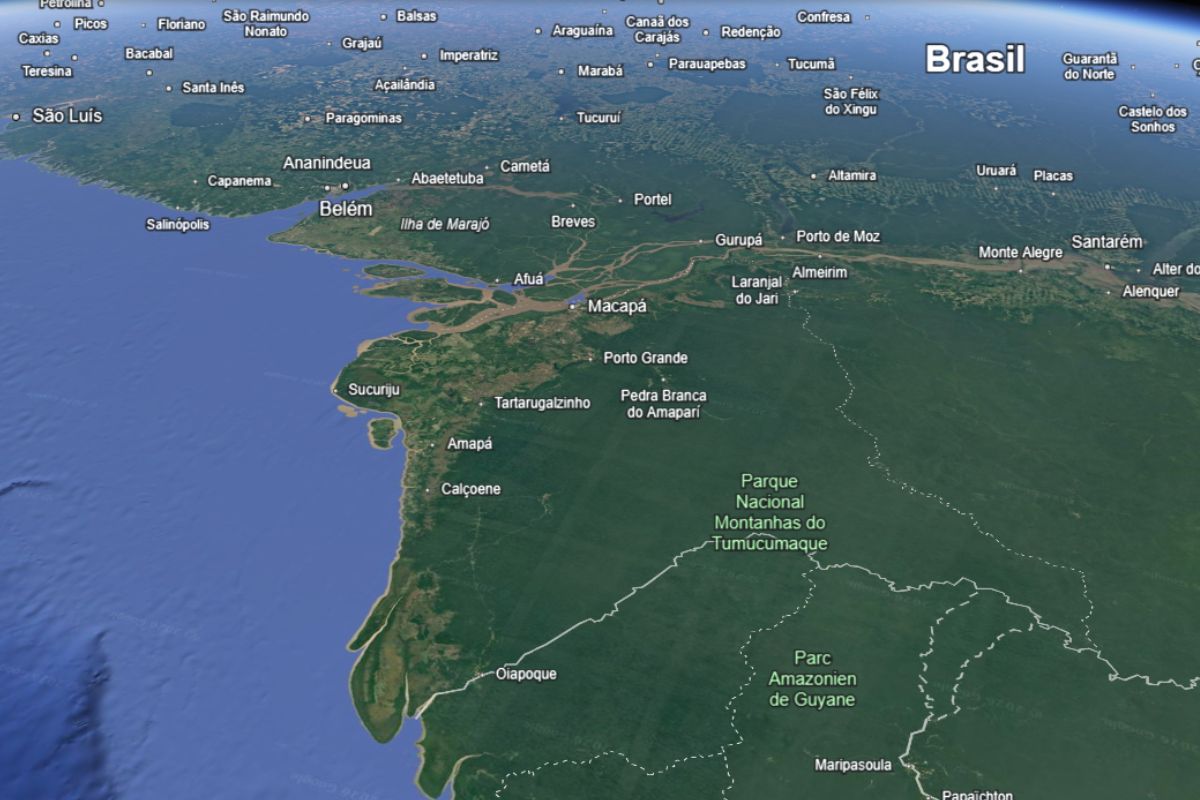
Petrobras is about to transform a forgotten city in the far north of Brazil into the capital of oil: Oiapoque is already feeling the effects even before the first drop of oil comes out from the seabed.
-
The Economist says that Brazil has a secret weapon in the oil war during this crisis: ethanol, biodiesel, and flex-fuel vehicles. With Petrobras holding costs, fuel prices are rising 10% to 20% here, compared to 30% to 40% in the USA.

In it, Brazil is described as the largest consumer and distributor of pirated and counterfeit products, including everything from the infamous “gatonet” to sales in popular hubs like Rua 25 de Março in São Paulo.
The accusation cites Hollywood as one of the main victims, as movie and series content is reproduced on illegal platforms without paying royalties.
For the U.S., the problem is not only in consumption but also in the absence of a consistent public policy to combat it, as isolated police operations fail to change the reality.
How Piracy Impacts International Trade
According to Davi Aragão, the losses for the American industry are in the billions, as technology, pharmaceutical, and content-producing companies depend on patent protection and copyright to ensure returns on their investments.
In some cases, a patent takes up to nine years to be registered in Brazil, halving the legal exploitation time of an invention that, in theory, should last 20 years.
This bottleneck increases the space for counterfeiting, directly affecting companies that invest heavily in research.
Whether in medications, software, or cultural products, piracy in Brazil compromises commercial agreements and discourages new international investments.
Where Piracy Is Most Evident In Brazil
The report points out concrete examples.
Besides the “gatonet”, which illegally distributes cable TV and streaming signals, 25 de Março was cited as a symbol of the mass sales of counterfeit products.
American brands of clothing, electronics, and accessories are among the most affected.
The problem is not limited to informal commerce.
Militias and criminal organizations have already turned piracy into a source of income, increasing the complexity of the fight against it.
The immediate effect is the loss of tax revenue, which impacts both the government and companies operating legally in the country.
Why The U.S. Pressures And What The Consequences Might Be
The United States sees the protection of intellectual property as a strategic issue to maintain its economic leadership.
When countries like Brazil are classified as weak in this regard, it opens the door for trade retaliations, tariff barriers, and even restrictions on bilateral agreements.
According to Davi Aragão, Brazil risks facing indirect sanctions if it does not adopt stricter measures against piracy.
The country’s image as a safe environment for investments could be compromised, reducing the attraction of global companies in high value-added sectors.
Is It Worth It For Brazil To Face This Problem?


For experts, the answer is clear: confronting piracy is essential not only to meet external pressures but also to strengthen the domestic economy.
Each counterfeit product represents loss of formal jobs, tax evasion, and risk to the health and safety of consumers.
On the other hand, the lack of consistent policies, coupled with the sluggish patent system, creates a cycle in which piracy continues to grow.
The solution would require investment in continuous enforcement, modernization of the INPI (National Institute of Industrial Property) processes, and public policies that encourage the legal consumption of cultural and technological goods.
The report that classifies Brazil as the largest piracy market in the world raises an alert not only for relations with the United States, but for the country’s own economic future.
Without facing piracy in a structured way, Brazil will continue to lose investments, revenue, and international credibility.
Do you believe Brazil should tighten policies against piracy to avoid sanctions from the U.S., or do you think the problem lies elsewhere, such as the lack of access to legal products and services? Share your opinion in the comments — your perspective can enrich this debate.






-

-

-

-

-

-

28 pessoas reagiram a isso.