





 Portuguese
  English
  Spanish
  6 min of reading
  0 comments


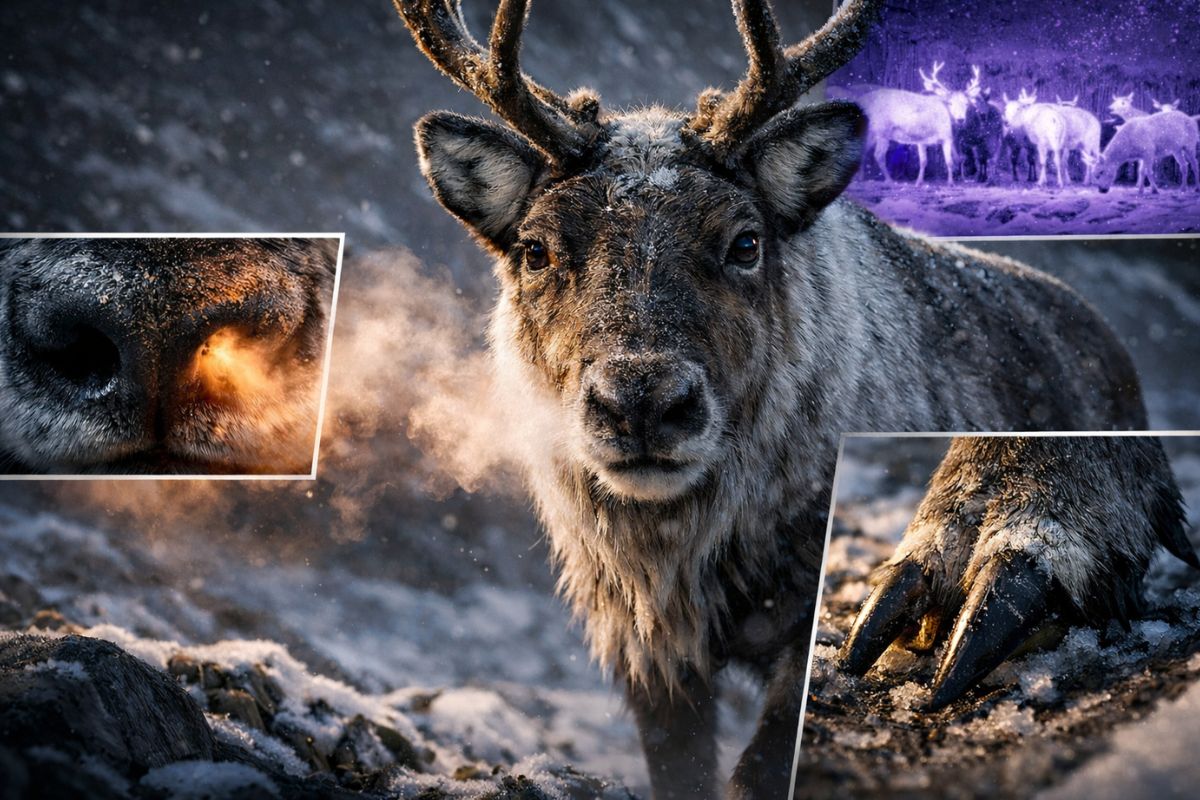
The Reindeer Lives in the Tundras and Taigas of North America, Europe, and Asia. To Withstand the Arctic, It Insulates Heat with Hollow Hairs, Warms the Air in Its Nostrils, Sharpens Hooves in Winter, Sees Ultraviolet Light, and Migrates in Large Groups in Search of Food Even When the Snow Becomes a Prison.
The Reindeer Appears Calm When It Is Still, But What Exists There Is a Package of Biological Engineering Aimed at a Single Goal: Not Losing Heat, Not Wasting Energy, and Not Being Left Behind. In Regions Where the Wind Cuts, Light Disappears for Long Periods, and Food Is Hidden Beneath Ice, Every Detail of the Body Becomes a Survival Tool.
The Most Impressive Thing Is That the Reindeer Does Not Rely on “A Single Trick.” It Combines Thermal Insulation, Air Heating, Hoof Change, Specialized Vision, Adjustable Metabolism, and Mass Social Behavior. It Is a Set of Adaptations That Fit Together Like Pieces, Creating an Animal Capable of Surviving the Entire Year in Environments Where Few Mammals Can Endure.
Where the Reindeer Lives and Why This Environment Comes at a High Cost

The Reindeer Occupies Frozen and Open Zones, Such as Tundras and Taigas, Where Vegetation Is Low, Winter Is Long, and the Window for “Easy” Food Is Short.
-
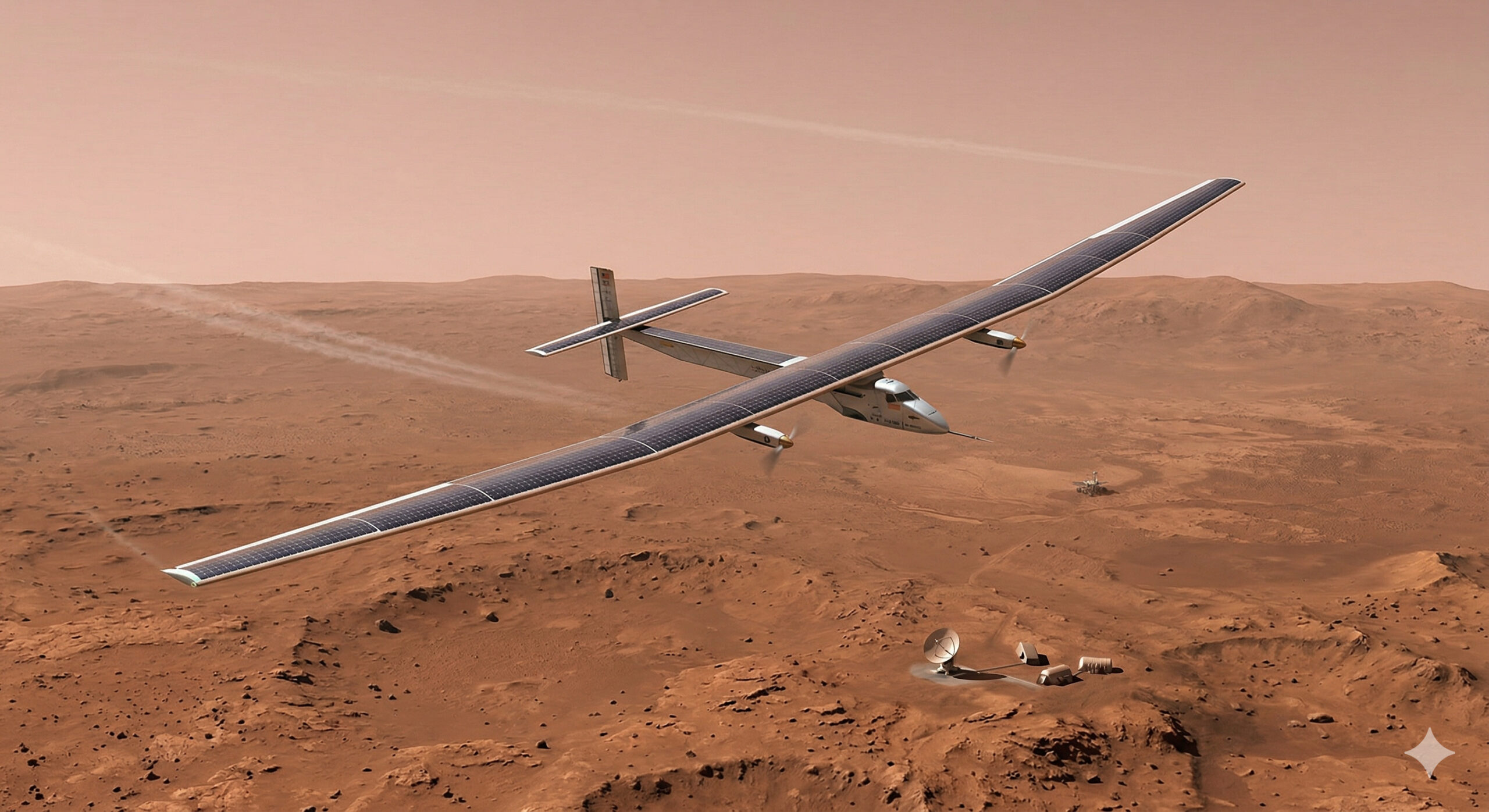
An engineer designs a solar plane to fly on Mars at an altitude of 1,000 meters and a speed of 300 km/h, covering 16,000 kilometers in a Martian year, 900 times the distance traveled by the Ingenuity helicopter in three years on the planet before experiencing a rotor failure, and NASA is already funding the feasibility study.
-
A new phenomenon of contactless magnetic friction intrigues scientists and questions a theory that has been valid since the 17th century.

-
An impressive phenomenon in Northern Brazil causes rivers of different colors to flow side by side, revealing secrets about sediments, currents, and biodiversity.

-
While many schools are still struggling with the basics, a teacher in China went viral for having elementary school students build a two-stage rocket using plastic bottles, water, and pressurized air in a science class that caught the attention of the entire world.

There, It’s Not Enough to Have Strength: You Must Endure Weeks of Continuous Cold, Deal with Hardened Snow, and Find Food When Almost Everything Looks the Same.
This Life in Extremes Pushes the Species Toward Strategies for Economy. In the Arctic, Spending Too Much Energy Can Be as Dangerous as Starving, Because the Body Becomes a “Balance” That Needs to Last Until the Next Real Opportunity to Feed.
Double Coat and Hollow Hairs That Become Natural Thermal Jacket

One of the First Barriers the Reindeer Has Against the Cold Is Its Coat, Made Up of Two Types of Hair: An Inner, Dense, and Soft One, and an Outer One with Air Inside.
This Layer Functions as Insulation, Retaining Body Heat Like a Natural Thermal Jacket.
The Practical Effect Is Direct: The Reindeer Reduces Heat Loss Without Having to Accelerate Its Metabolism All the Time. The Less Heat Escapes, the Less Fuel the Body Needs to Burn, and This Makes a Difference in a Place Where Food Is Not Guaranteed.
Nostrils That Warm the Air and Help Retain Moisture

The Reindeer’s Snout Is Not Just a “Nose.” The Nostrils Work as an Embedded Heating System: The Cold Air Enters, Passes Through a Complex Network of Blood Vessels, and Reaches the Lungs Warmed Up. This Pathway Prevents the Body from “Paying” the Price of Breathing Cold Air All Day.
Furthermore, This Mechanism Helps Retain Internal Moisture During Harsh Periods When the Environment Is Both Dry and Cold at the Same Time. Breathing Without Losing Water and Heat Is a Hidden Advantage, but Essential for Those Who Spend Months at the Limit of Physiological Comfort.
Hoofs That Change with the Season and Become Blades on Ice

The Reindeer’s Hooves Change Throughout the Year. In the Summer, They Become Wider and Softer, Ideal for Walking on Wet and Marshy Ground.
In Winter, They Harden and Become Sharper, Functioning Like “Claws” That Prevent Slipping and Provide Traction on Ice.
And It’s Not Just Locomotion. In Winter, the Reindeer Uses Its Hooves to Dig Through the Snow with Quick and Precise Strikes, Removing Hardened Layers Until It Reaches Lichens and Mosses.
The Hoof Becomes a Tool and a Blade at the Same Time, Allowing It to Walk, Dig, and Survive When Food Is “Locked” Beneath the White Surface.
Eyes That Change Color and a Vision That Sees Ultraviolet
The Most Unexpected Adaptation Is in the Eyes. A Study Published in 2013 Indicated That the Reindeer Can See Ultraviolet Light, and the Color of Its Eyes Changes with the Seasons: Golden in Summer and Blue in Winter. This Change Increases Light Sensitivity and Helps During the Long Darkness of the Arctic.
This Specialized Vision Also Becomes a “Map” for Food. Many Lichens Reflect Ultraviolet Light, While Snow Tends to Absorb This Radiation, Creating Contrast.
For the Reindeer, What Appears All White to Humans May Have Clear Visual Clues, Making It Easier to Locate Food Under Conditions That Would Be Blind to Many.
Metabolism, Fat, and the Diet That Seems Bad but Saves Life
When Winter Tightens, the Reindeer Adjusts Its Metabolism. It Reduces Its Metabolic Rate and Makes Better Use of Body Fat Reserves, Ensuring Fuel to Get Through Long Periods with Little Food Available. It’s Not “Hibernation,” But It’s a Fine Economy: Spending Less to Last Longer.
The Diet Also Reveals the Level of Challenge. In Winter, Much of What the Reindeer Eats Is Lichens, a Partnership Between Fungi and Algae. They Are Poor in Nutrients but Extremely Resilient to the Cold, and Therefore Continue to Be Available When Almost Nothing Else Grows.
Survival Involves Accepting a Difficult Food Source and Learning How to Find It, Even Beneath Packed Snow.
Brutal Migrations, Giant Herds, and Communication to Keep the Group Intact
The Reindeer Is Highly Social and Forms Large Herds That Can Gather Thousands of Individuals Walking Together for Long Distances. This Increases Security Against Predators, Aids in Food Search, and Reduces the Chance of an Isolated Individual Becoming an Easy Target.
These Herds Undertake Some of the Largest Terrestrial Migrations Among Mammals. In Some Cases, They Travel More Than a Thousand Kilometers Per Year, Crossing Frozen Rivers, Windy Plains, and Dense Forests.
Communication Supports the System: Sounds, Snorts, and Body Postures Help Keep the Herd Together and Avoid Conflicts. When the Group Functions, It Becomes a Shield, Compass, and Collective Strategy.
Pups That Run Early, Predators, and the Ecological Role That Almost No One Notices
The Reindeer Pups Are Born Ready for the Real World: They Can Stand Up and Run Within Minutes, Something Vital in Open Environments Where Predators May Be Nearby.
The Species Faces Threats Such as Wolves and Bears and Relies on Constant Vigilance, Motion Detection, and Group Strength to Reduce Losses.
The Reindeer Also Affects the Ecosystem. By Grazing and Digging in the Snow, It Modifies the Structure of Vegetation, Helps Aerate the Soil, and Influences Nutrient Distribution.
It Not Only Survives in the Extreme Environment: It Alters This Environment, Acting as a Kind of “Ecological Engineer” in Large Areas of Tundra.
Antlers, Differences Between Males and Females, and the Detail That Changes the Competition for Food
The Reindeer Is a Curious Case Among Cervids: Males and Females Have Antlers, but They Use These Structures Differently Throughout the Year.
Males Primarily Use Them During the Breeding Season, Competing for Territory and Access to Females, and Then Shedding Their Antlers Between November and December.
Females Keep Their Antlers Until the End of Winter, and This Makes Sense: They Can Dig Through Snow and Compete for Food During a Critical Period.
The Antlers Are Not Permanent: They Fall Off and Grow Back Every Year and Can Grow Several Centimeters Per Week During Summer, One of the Fastest Growing Tissues Among Mammals. Some Antlers Can Reach Nearly 1.5 Meters.
It’s an Expensive Structure to Produce but Valuable for Competing, Digging, and Surviving, and Their Size Directly Reflects the Nutritional Status of the Animal.
Current Threats and Why the Reindeer Might Be More Vulnerable Than It Seems
Despite All This Resilience, the Reindeer Faces an Increasing Risk Due to Climate Change. The Formation of Layers of Ice Caused by Rapidly Freezing Rain Can Trap Food Beneath the Soil and Prevent Access, Leading to Mass Mortality Events in Some Herds.
The Paradox Is This: The Reindeer Is a “Biological Machine” for the Cold, but The Changing Nature of Cold Can Break the Rules of the Game.
When the Snow Becomes an Ice Cap, Hoofs, Antlers, and Vision Are Not Enough Because the Problem Stops Being Locating Food and Becomes Accessing Food.
The Reindeer Is Not an Innocuous Symbol of the Cold.
It Changes Hoofs, Changes Eyes, Changes Strategy, Regulates Metabolism, Digs in the Snow, Finds Lichens by Contrast, and Even Undertakes Migrations That Seem Inhumane for an Animal of Its Size. What Seems Like Cuteness from a Distance Is, in Practice, a Living Manual of Extreme Survival.







-

-

-

-

-

-

32 pessoas reagiram a isso.